
Pests and Diseases
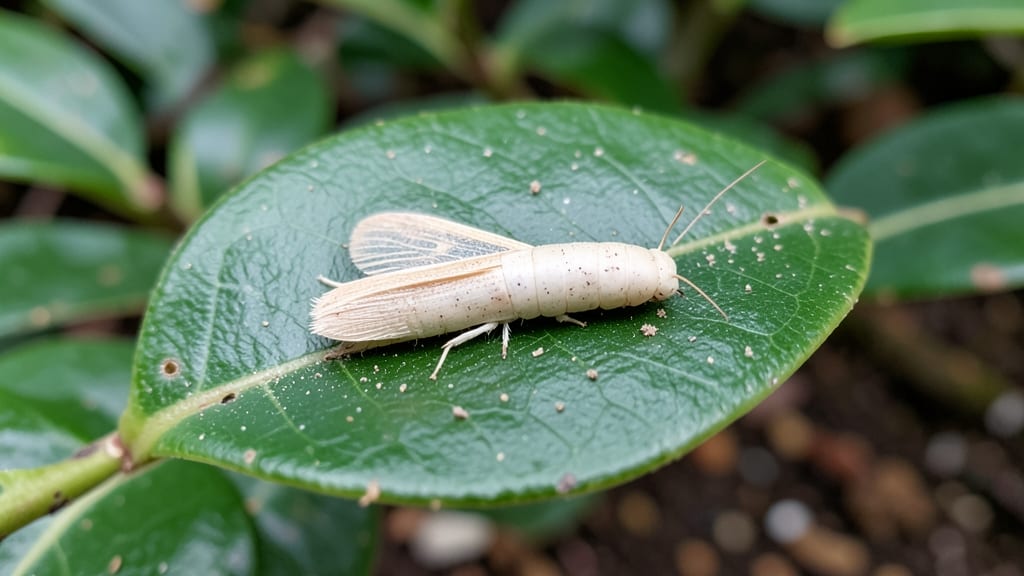
Boxwood leaf borer turns your hedge into a skeleton in weeks—unless you act fast. 🌿 I’ve seen these tiny pests strip entire shrubs bare, but the right organic spray protocol brings them back to full, glossy health in just a few applications.
The key is catching it early, when you spot the first signs of wilting or sawdust-like frass on the branches.
This isn’t about harsh chemicals—it’s about timing and targeted treatments. A mix of neem oil, insecticidal soap, and kaolin clay disrupts their life cycle while protecting beneficial insects.
You’ll notice new growth within 2-3 weeks if you apply the spray every 7-10 days during peak activity (late spring to early summer). The best part? Your boxwoods stay lush and pest-free for years after.
Long-term, prevention is simpler than cleanup. Prune out infested branches immediately, mulch properly to reduce stress, and monitor for early signs like tiny exit holes or chewed leaves. Healthy boxwoods resist borers better, and a single preventive spray in early spring can save you from a full-blown battle later.
Whether you’re dealing with a small patch or a whole hedge, this method works—no matter your yard size. The secret? Consistency. Borers don’t stand a chance when you’re ready for them.
Root Causes of Leaf Damage
Understanding why these tiny pests target your prized boxwoods starts with their biology—and the conditions that make your shrubs an all-you-can-eat buffet. Here’s a breakdown of the key factors that turn your garden into a hotspot for infestation.
The boxwood leaf miner (often confused with the borer but equally destructive) and its borer cousin thrive because their larvae are voracious, hidden feeders. Here’s how it plays out:
- Egg Laying: Adult moths (the borer’s parent generation) lay eggs on the undersides of leaves in late spring or early summer. Females prefer healthy, lush foliage—think of it as their "premium real estate" choice.
- Larval Hatching: Eggs hatch into pale, worm-like larvae that burrow into leaves or stems. Borer larvae tunnel inside the plant tissue, creating serpentine mines or hollowed-out galleries. This disrupts nutrient flow and weakens the shrub over time.
- Pupation: After feeding for weeks, larvae pupate in silken cocoons on the plant or soil, emerging as adults to repeat the cycle. One generation per year means infestations can spiral if left unchecked.
💡 Pro Tip: Look for frass (larval poop) or sawdust-like debris at the base of stems—a dead giveaway of borer activity.
Boxwoods under stress are magnets for borers. Here’s what makes them vulnerable:
| Stress Factor | Why It Helps Pests |
|---|---|
| Poor Soil Drainage | Waterlogged roots starve the plant of oxygen, weakening its immune response. Borers exploit this by tunneling into soft, water-stressed tissue. |
| Overcrowding | Tightly packed boxwoods create humid microclimates, perfect for moths to lay eggs. Poor air circulation also delays drying of dew, prolonging larval survival. |
| Nutrient Deficiencies | Lack of nitrogen or iron makes leaves thin and pale, an easy target. Borers prefer young, tender growth over tough, healthy foliage. |
| Physical Damage | Pruning wounds or hail scars create entry points for larvae. Even minor cuts can invite infestations if not sealed with pruning paste. |
🌡️ Key Insight: Borers rarely attack boxwoods in full sun with well-draining soil and balanced fertility. Healthy plants = fewer pests.
Borer outbreaks aren’t random—they’re triggered by specific weather patterns and habitat preferences:
- 🌤️ Warm, Dry Springs: Moths emerge earlier and lay more eggs when temperatures hover around 70–80°F. Drought-stressed plants are even more attractive to them.
- 🌧️ High Humidity: Larvae thrive in moist environments. Overhead watering (especially at night) keeps foliage damp, extending larval survival and egg viability.
- 🍃 Dense, Shady Locations: Borers favor low-light conditions where boxwoods grow densely. Thin out shrubs to improve airflow and sunlight penetration.
✨ Actionable Fix: If your area has hot, dry springs, monitor plants closely in May–June—peak egg-laying season.
Sometimes, the problem isn’t natural—it’s accidental human introduction:
- 🛒 Nursery Purchases: Infested plants can unknowingly bring borers to your garden. Always inspect new boxwoods for frass, mines, or exit holes.
- 🌳 Pruning Tools: Shared or contaminated shears can transfer larvae between plants. Sanitize tools with rubbing alcohol between cuts.
- 🚛 Landscape Debris: Mulch, leaves, or wood chips harboring pupae can reintroduce borers after treatment. Remove and compost off-site any infested plant debris.
🔥 Red Flag: If you notice multiple boxwoods in your yard struggling simultaneously, check for shared infestation sources like nearby woodpiles or untreated plants.
How to Treat and Prevent Damage
Once you’ve identified the culprit—whether it’s the telltale boxwood leaf borer or its early signs—it’s time to act. The good news? With the right approach, you can restore your shrubs to their former glory while keeping future infestations at bay.
Below, we break down solutions by cause, from immediate fixes to long-term prevention, all tailored for organic gardeners who want a spotless revival without harsh chemicals.
If you catch the borers early (think: frass on leaves or slight wilting), act fast to prevent spread.
- 🍳 Prune Infested Branches: Use sterilized shears to cut off and remove heavily damaged branches. Dispose of them in sealed bags—do not compost! Borers can survive in soil or mulch.
- 👨🍳 Inspect and Prune Further: Look for sawdust-like frass or exit holes. Trim back any branches with chewed edges or discolored leaves, even if they seem minor. Think of it like a doctor’s biopsy—catch it early!
- ⏰ Timing Matters: Do this in late winter or early spring (before borers emerge) or late summer (after adults have laid eggs). Avoid pruning during peak borer activity (spring to early summer).
For active infestations, a multi-step organic spray regimen disrupts the borers’ life cycle. Here’s how to apply it effectively:
| Step | Solution | How to Apply | Best Time |
|---|---|---|---|
| 1 | Neem Oil Spray (1% solution) | Spray thoroughly on both sides of leaves and bark crevices. Focus on new growth where eggs are laid. | Evening (avoid direct sunlight) |
| 2 | Kaolin Clay (Surround WP) | Mix with water (1 lb per gallon) and spray to form a protective film. Borers can’t penetrate it! | Late afternoon (every 2–3 weeks) |
| 3 | Bacillus thuringiensis var. kurstaki (Btk) | Target larvae by spraying directly on infested areas. Reapply after rain. | Dusk (larvae are most active) |
| 4 | Horticultural Oil (dormant season) | Apply to bark and buds to smother overwintering eggs. Use a high-pressure sprayer for deep penetration. | Late winter (before buds swell) |
💡 Pro Tip: Rotate these sprays every 7–10 days during peak borer season (May–July). Consistency is key—borers won’t stand a chance!
For stubborn cases, get hands-on with these mechanical fixes:
- 🔪 Manual Larva Extraction: Use a screwdriver or toothpick to gently pry larvae from tunnels in bark. Drop them into soapy water to kill them instantly. (Yes, it’s gross—but effective!)
- 🌡️ Heat Treatment: Wrap infested branches in black plastic for 2–3 days in sunny weather. The heat will cook the larvae inside. Check daily and remove dead pests.
- 🎯 Pheromone Traps: Set up boxwood leaf borer traps (available at garden centers) near affected plants. They lure males away from females, reducing egg-laying by up to 70%.
An ounce of prevention is worth a pound of cure. Build a borer-proof defense system with these habits:
- 🌱 Healthy Soil = Strong Plants: Amend soil with compost and mycorrhizal fungi to boost root health. Weak plants attract pests!
- 💦 Water Wisely: Keep soil consistently moist but not soggy. Borers thrive in stressed, drought-prone shrubs.
- 🍃 Mulch Strategically: Use 3–4 inches of organic mulch (wood chips or straw) to smother emerging adults and retain moisture.
- 🐝 Encourage Predators: Plant neighboring pollinator-friendly flowers (like dill, fennel, or yarrow) to attract parasitic wasps and birds that eat borers.
- 📅 Year-Round Monitoring: Inspect plants monthly, especially after rain (borers love damp conditions). Early detection = easier fixes!
🔥 Final Firepower: If all else fails, consider replacing severely infested shrubs. Sometimes, saving the rest of your garden is the best move.
Frequently asked questions
What are the first signs of a boxwood leaf borer infestation?
Look for sawdust-like frass (larval poop) around stems or tiny exit holes in leaves. You may also spot wilted or discolored branches that appear browned or dried out from the inside. Check the undersides of leaves for pale, worm-like larvae during late spring or early summer.
Can I use chemical pesticides for boxwood leaf borers?
While chemical pesticides like imidacloprid or carbaryl can work, they’re not the first choice for boxwoods. These plants are sensitive to harsh chemicals, and systemic pesticides may harm beneficial insects. Organic options like neem oil or Bacillus thuringiensis are safer and equally effective when applied consistently.
How often should I monitor my boxwoods for borers?
Inspect your boxwoods monthly during peak season (May–July) and weekly after heavy rain or drought. Focus on new growth, leaf undersides, and branch crevices where larvae hide. Early detection is key—catching borers before they tunnel inside gives you the best chance of stopping them.
Will pruning alone eliminate a boxwood leaf borer problem?
Pruning removes visible damage but won’t stop the life cycle. Always sterilize your tools with rubbing alcohol and dispose of infested branches in sealed bags (not compost). Combine pruning with organic sprays like kaolin clay or neem oil to break the borers’ life cycle and prevent reinfestation.
Can boxwood leaf borers spread to other plants?
Yes, but they’re host-specific to boxwoods. However, if your garden has multiple boxwood varieties, borers can jump between them. Avoid sharing tools between plants, and remove all infested debris to prevent cross-contamination. Healthy neighboring plants (like rosemary or lavender) can also deter borers by improving airflow.