
Pruning
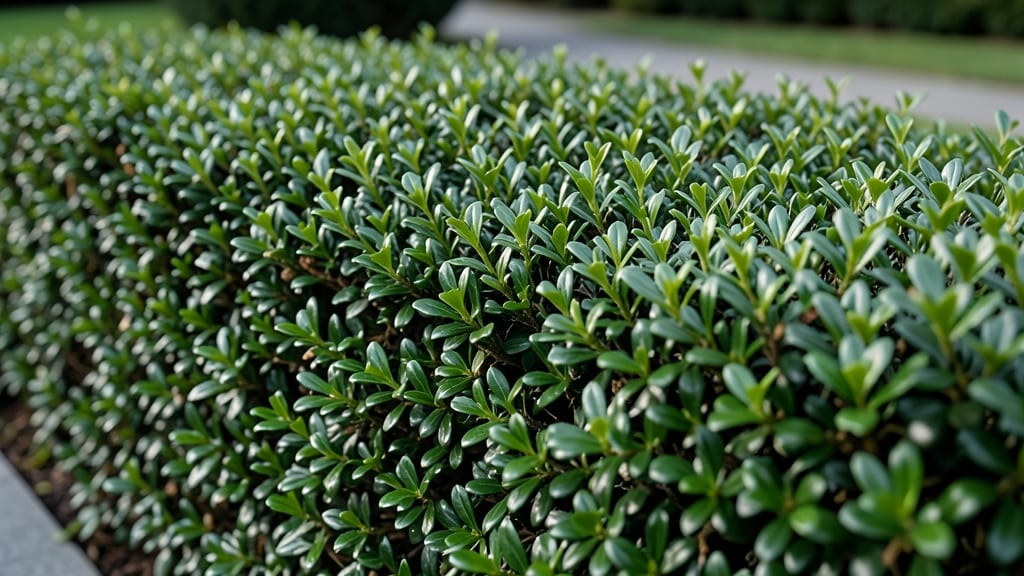
Mastering the art of pruning broadleaf trees and shrubs can transform your garden into a thriving, picturesque landscape. This seasonal calendar breaks down the best practices for each plant type, ensuring year-round health and beauty—whether you're a novice gardener or a seasoned pro.
Spring Pruning for Flowering Shrubs
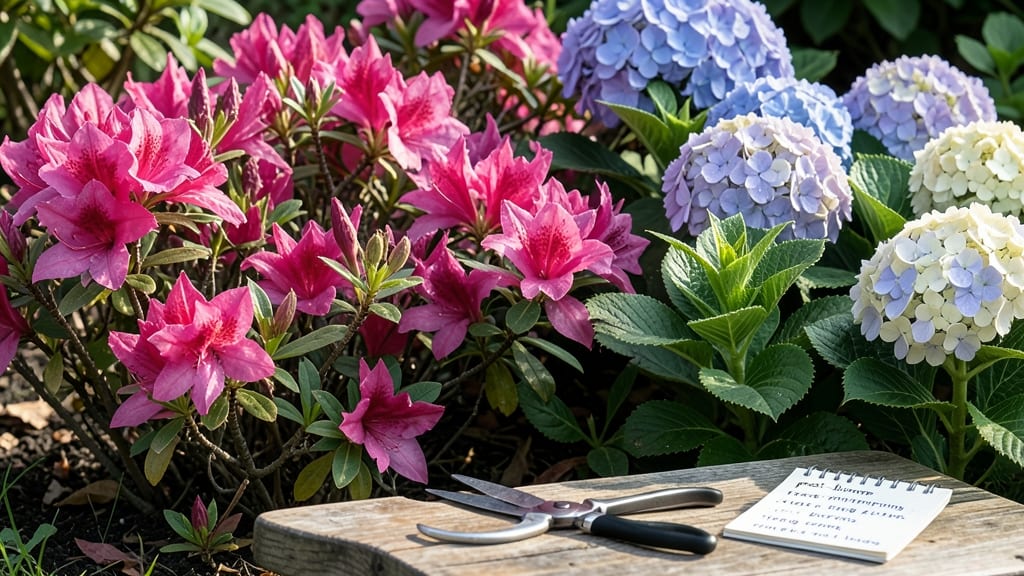
Want your azaleas and hydrangeas to burst into color next spring? Timing your pruning after they bloom is the secret to preserving those show-stopping flowers. This simple step ensures you’re not accidentally trimming off next year’s buds while keeping your shrubs looking their best.
Start by removing spent blooms and any dead or crossing branches—never cut more than one-third of the plant’s height at once. Use sharp, clean shears to make angled cuts just above a leaf bud or outward-facing branch. For late-spring bloomers like hydrangeas, wait until mid-summer to prune, giving them time to set buds for next year’s display.
This approach is perfect for gardeners who love vibrant color but want minimal maintenance. A little patience now means bigger, healthier blooms for seasons to come. ✨
Summer Trimming for Evergreen Shrubs
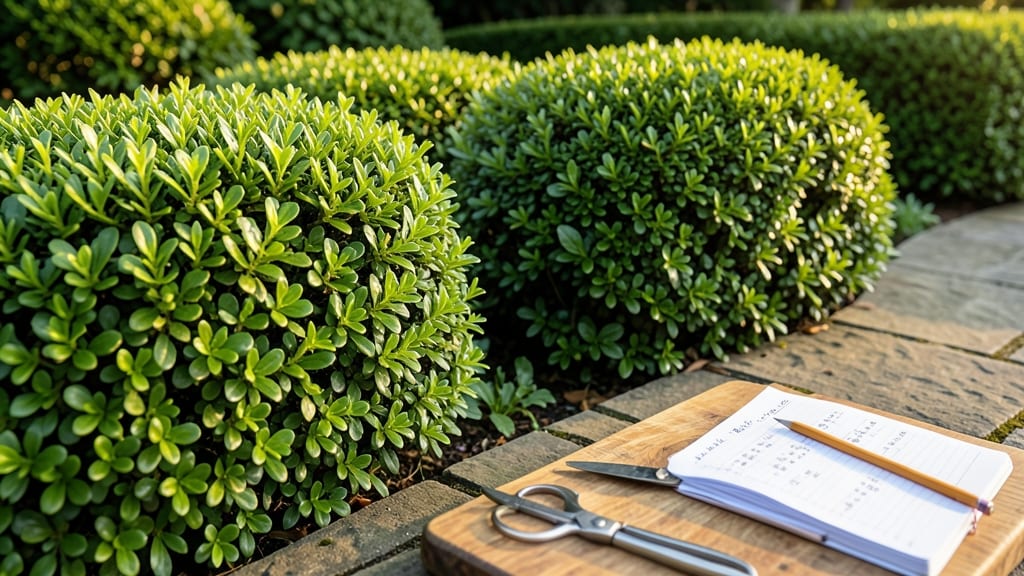
Want your boxwoods and laurels to stay lush and full instead of stretching into leggy monsters? Summer is the secret season for evergreen shrubs—light, frequent trimming every 6-8 weeks is the trick to maintaining that polished, manicured look without sacrificing health.
Focus on removing just the tips of new growth (no more than 1/3 of the branch length) to encourage bushier growth. Use sharp pruners for clean cuts, and always trim at a slight angle just above a leaf node. This approach keeps your shrubs dense and vibrant while preventing those unsightly gaps that form from neglect.
Perfect for homeowners with formal gardens or urban landscapes, this method ensures your evergreens stay year-round greenery without the high-maintenance upkeep of constant shearing. 🌿
Fall Cleanup for Deciduous Trees
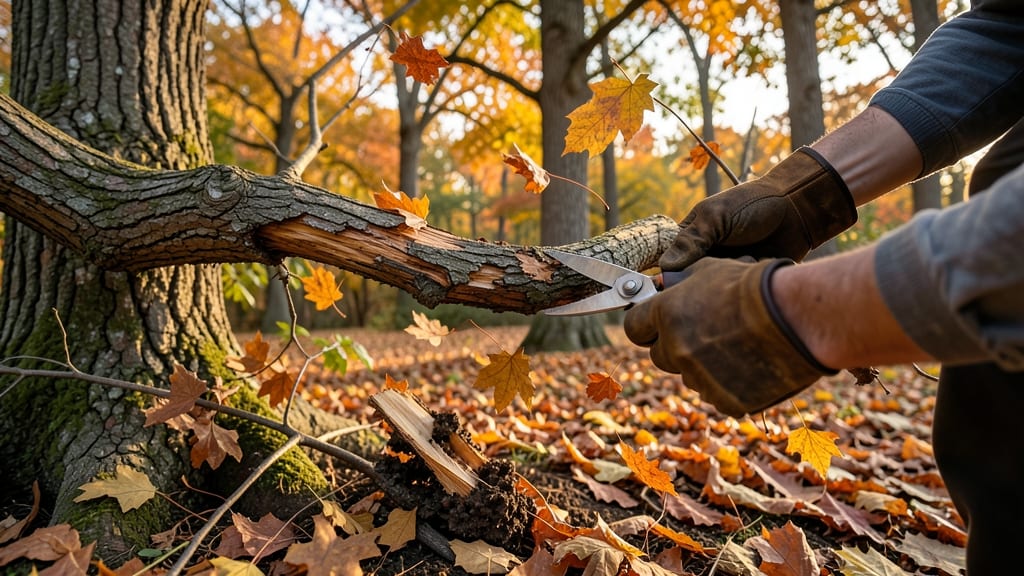
As golden leaves drift to the ground, fall cleanup for your oaks and maples is the perfect time to reset their health for winter. Removing dead or diseased branches now prevents pests and diseases from hibernating in damaged wood, giving your trees a strong start in spring.
Focus on branches that are dry, cracked, or showing signs of disease—these are prime targets for removal. Use a pruning saw for thicker limbs and clean cuts just outside the branch collar to promote faster healing. This is also the ideal time to thin out crowded branches to improve airflow and sunlight penetration.
Homeowners with mature broadleaf trees will especially benefit from this seasonal task, as it reduces long-term maintenance and keeps your landscape looking its best. A little fall effort now means fewer surprises—and healthier trees—next spring. 💚
Winter Dormant Pruning for Fruit Trees
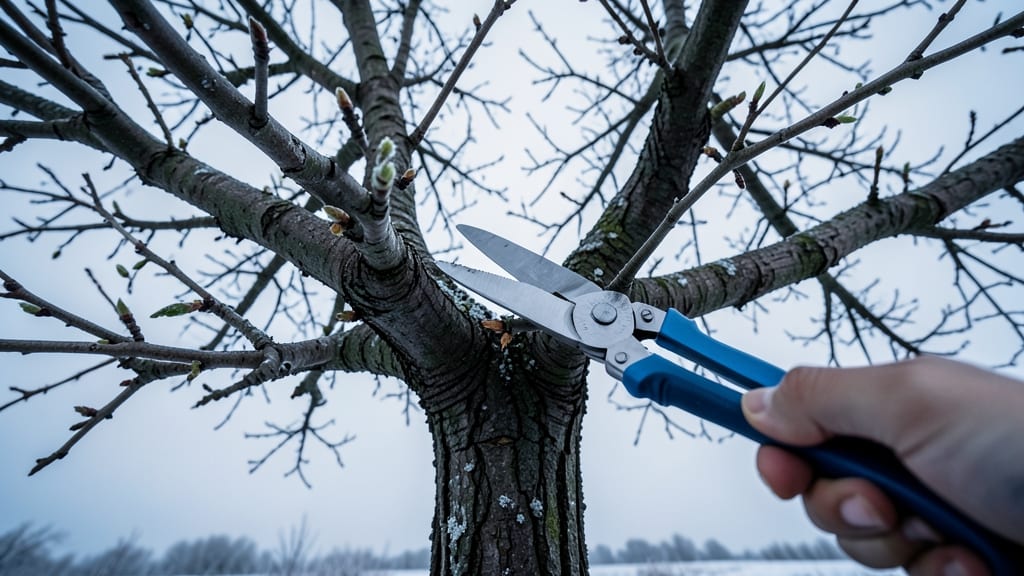
Winter’s quiet stillness is the perfect time to give your apple and cherry trees a strategic makeover. Unlike spring or summer pruning, dormant season cuts focus on long-term structure rather than immediate blooms—think of it as laying the foundation for next year’s bounty.
Start by removing crossing branches and any that rub together, which creates wounds inviting disease. Next, thin out crowded areas to boost airflow, reducing fungal risks like apple scab. For young trees, shape the scaffold branches (main limbs) to form an open center, ensuring sunlight reaches the core. Use sharp pruners to make clean cuts just outside the branch collar, and seal larger wounds with pruning sealant if needed.
This method is ideal for home orchards and urban fruit growers—it’s less messy than summer pruning and far more effective for shaping future harvests. With proper dormant pruning, you’ll see stronger growth and bigger fruit yields come summer. ✨
Renewal Pruning for Overgrown Shrubs
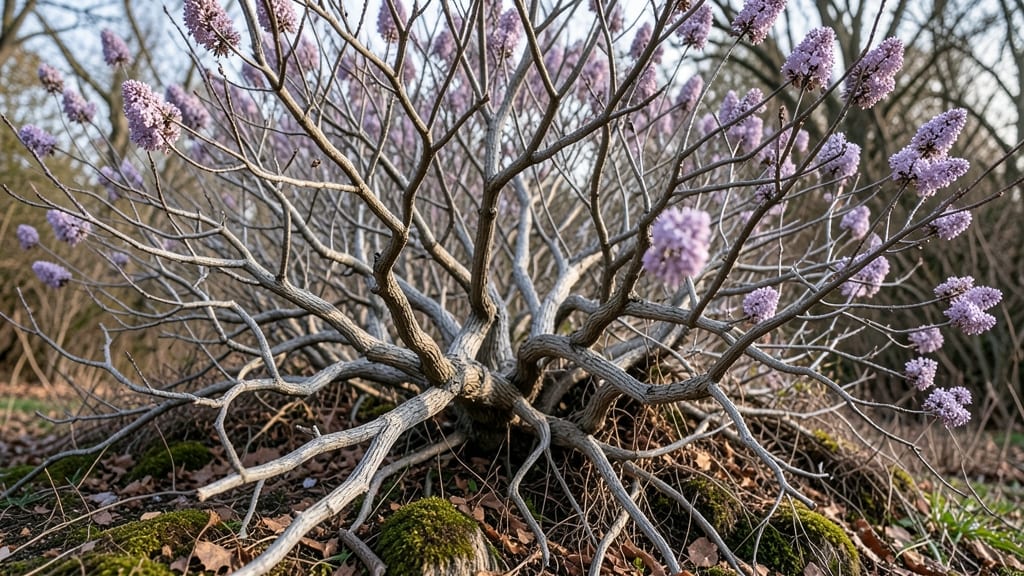
Is your once-loved lilac shrub now a tangled mess of old wood and sparse blooms? Renewal pruning is the secret weapon to bring it back to life—just cut it back hard in early spring when new growth begins.
This technique involves removing up to ⅓ of the oldest wood (or more for severely overgrown shrubs) down to strong buds. The shock may seem drastic, but it forces the plant to redirect energy into fresh, vigorous stems. For lilacs, aim for late March to early April, timing it with the first signs of leaf buds. Use clean, sharp shears and make cuts at a 45-degree angle just above outward-facing buds to encourage bushier growth.
This method is perfect for urban gardeners with limited space or anyone who’s inherited a neglected yard. With patience, your shrub will reward you with dense foliage and abundant blooms within a season. 💪
Light Pruning for Ornamental Grasses
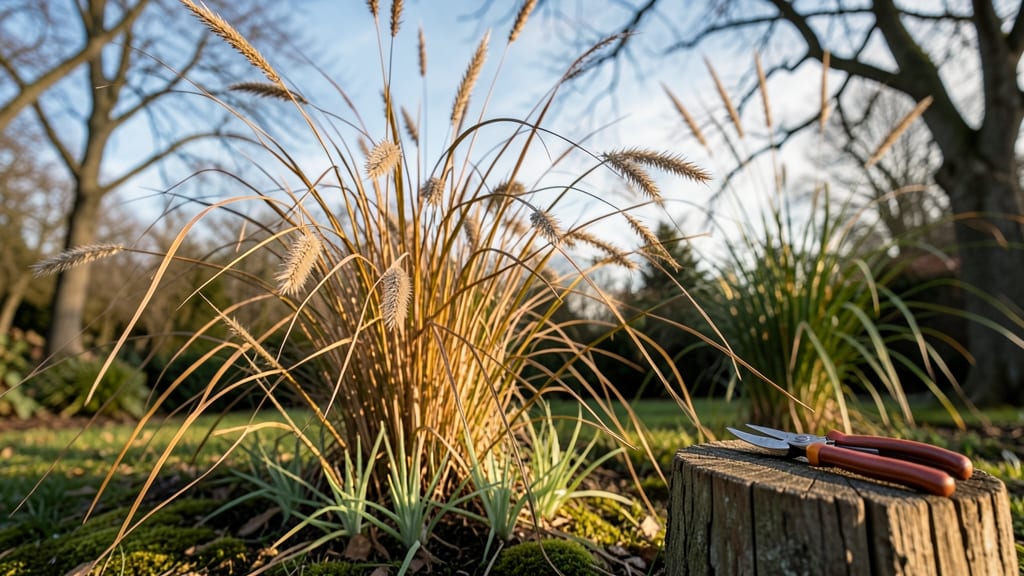
Skip the drastic cuts—ornamental grasses like fountain grass and maiden grass thrive with just a light touch. Their wispy plumes and natural movement are what make them stunning, so minimal trimming in late winter keeps their charm intact while clearing out last year’s dead growth.
Use sharp pruners or shears to trim back the old foliage to 2-3 inches above the ground in late winter or early spring, just as new shoots begin to emerge. This minimalist approach prevents over-trimming and preserves the plant’s airy texture. Avoid cutting into the crown or removing more than 1/3 of the plant at once.
This method is perfect for gardeners who love the effortless elegance of grasses but want to keep their garden tidy. It’s also ideal for urban spaces where dramatic pruning isn’t practical. 🌻
Springtime Leaf Bud Pruning for Trees
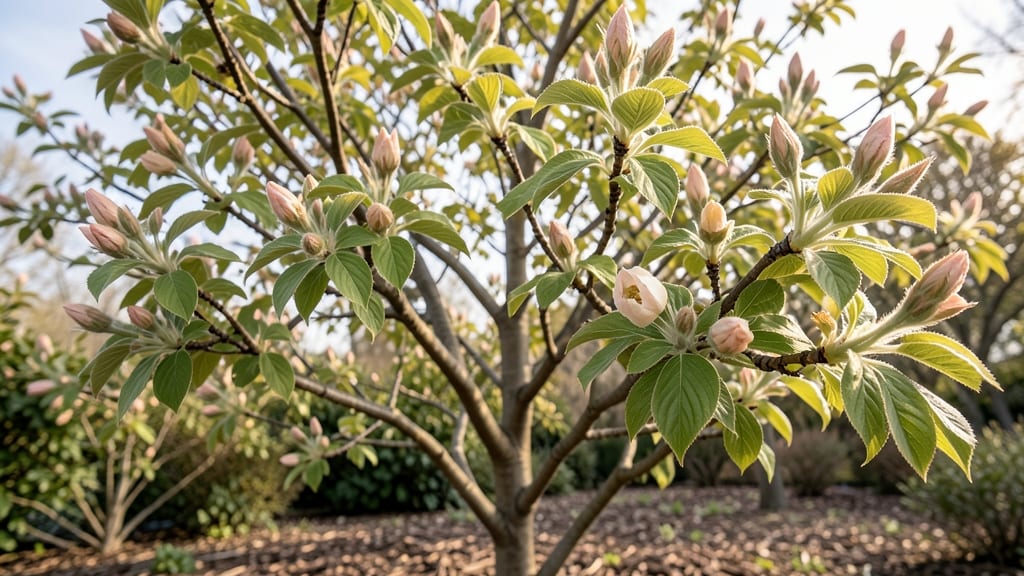
Want your young dogwoods or ornamental cherries to grow fuller and more balanced? Springtime leaf bud pruning is the secret weapon for creating a lush, rounded canopy. This technique works best when you trim just above outward-facing buds—encouraging new growth to spread horizontally rather than vertically.
Timing is key: prune during late winter or early spring before new growth begins. Use sharp pruners to make clean cuts at a 45-degree angle just above the bud. This method is perfect for young trees (under 10 years old) and works wonders on broadleaf trees like serviceberry or crabapple. The result? A naturally bushier tree with fewer weak branches.
This approach is ideal for gardeners who want to avoid drastic pruning while still achieving a full, vibrant look. Perfect for urban yards or small gardens where space is limited! 🌿
Post-Bloom Pruning for Spring-Flowering Trees
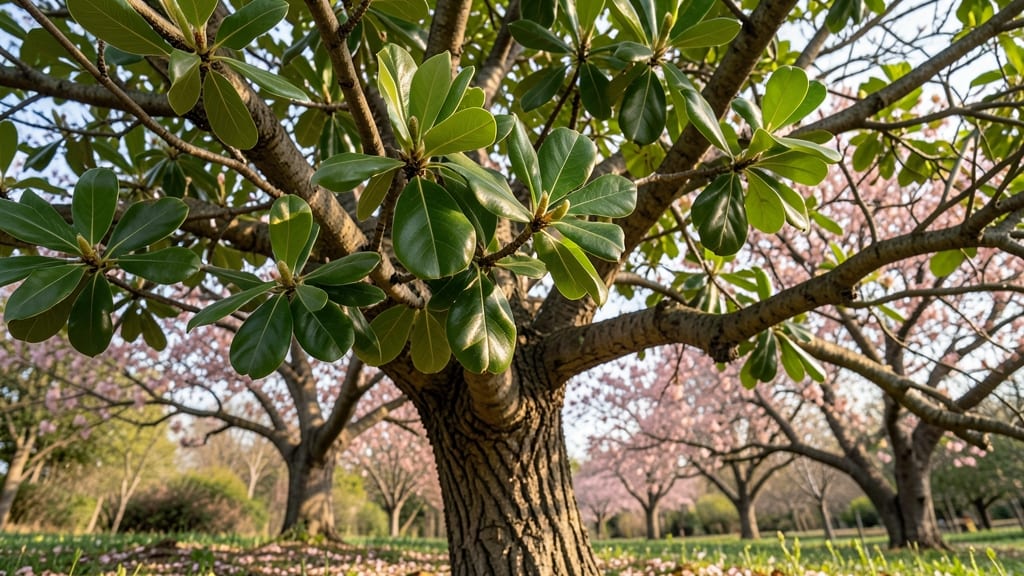
If your magnolias and cherry trees just finished their spectacular spring bloom, resist the urge to prune too soon! These trees set next year’s flower buds after the current blooms fade, so timing is everything for a repeat performance.
Wait until late spring or early summer (after all blossoms have dropped) to prune. Focus on removing dead, crossing, or weak branches first, then thin the canopy to improve airflow. Avoid heavy pruning—stick to no more than 25% of the tree’s foliage to prevent stress. This redirecting of energy ensures stronger roots and bigger blooms next season.
This method is perfect for gardeners who want showstopping spring displays year after year without sacrificing their trees’ health. A little patience now means more drama in bloom season! 🌷
Structural Pruning for Young Broadleaf Trees
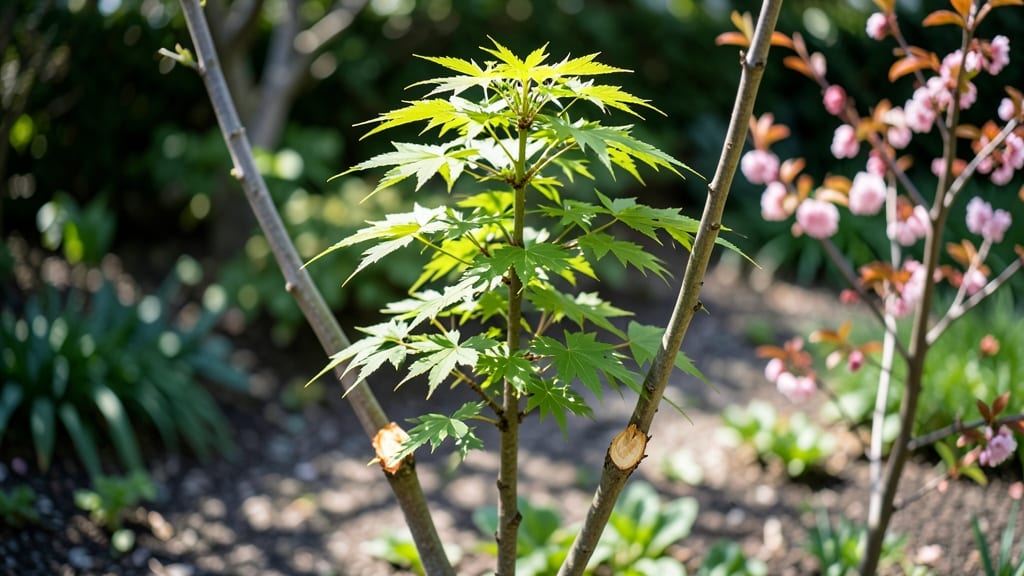
Transforming a young Japanese maple or ornamental cherry into a stunning focal point starts with structural pruning—a precise technique that sets the stage for its future shape. Unlike seasonal trims, this early intervention focuses on removing competing leaders (competing vertical stems) and thinning crowded branches to create a strong, balanced framework.
Conduct this pruning in late winter or early spring before new growth begins. Use sharp bypass pruners to make clean cuts just outside the branch collar, avoiding the bark. Prioritize removing branches that cross or rub against others, as these create weak points. For delicate trees like acers, limit cuts to no more than 25% of the canopy to avoid stress. This approach ensures your tree develops a natural, open form while preventing future structural issues.
Perfect for gardeners who want to invest time early for long-term rewards, structural pruning pays off with stronger branches and a more picturesque silhouette. 🌟
Seasonal Maintenance for Hedges

Want a hedge that looks like it belongs in a high-end landscape? The secret isn’t just pruning—it’s consistent, seasonal maintenance that keeps boxwoods and privets looking sharp year-round. Unlike one-time pruning jobs, these evergreens thrive when you treat them to regular touch-ups every 4-6 weeks, not just once a year.
Start with a clean cut using sharp, hedge shears or an electric trimmer, focusing on the outer edges first. For boxwoods, aim for a slight taper to prevent a "boxy" look, while privets respond well to straight, clean lines. Avoid cutting into old wood—always leave a small green stem to encourage new growth. A quick inspection for pests or disease after each trim keeps problems from spiraling out of control.
This approach is perfect for urban gardeners with limited space or anyone who wants a polished, low-maintenance look without the hassle of formal gardens. With just 10 minutes of effort every month, you’ll maintain a hedge that’s the envy of the neighborhood. ✨