
Lawn
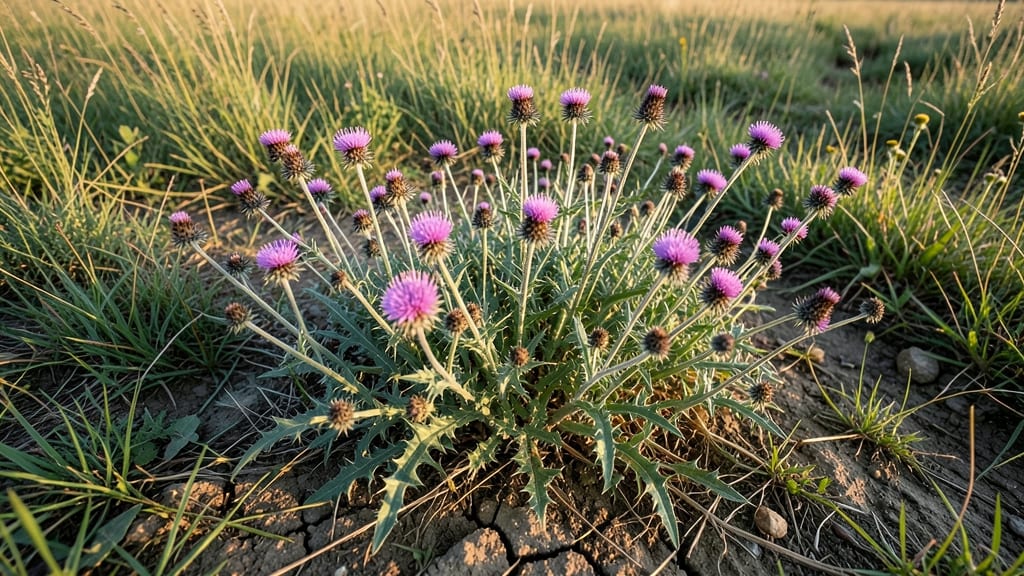
Virginia’s warm climate and diverse ecosystems create ideal conditions for broadleaf weeds to thrive—often outcompeting your prized plants. Learn to spot these 10 common invaders early and eliminate them before they choke your garden or lawn.
Dandelion Identification and Natural Removal
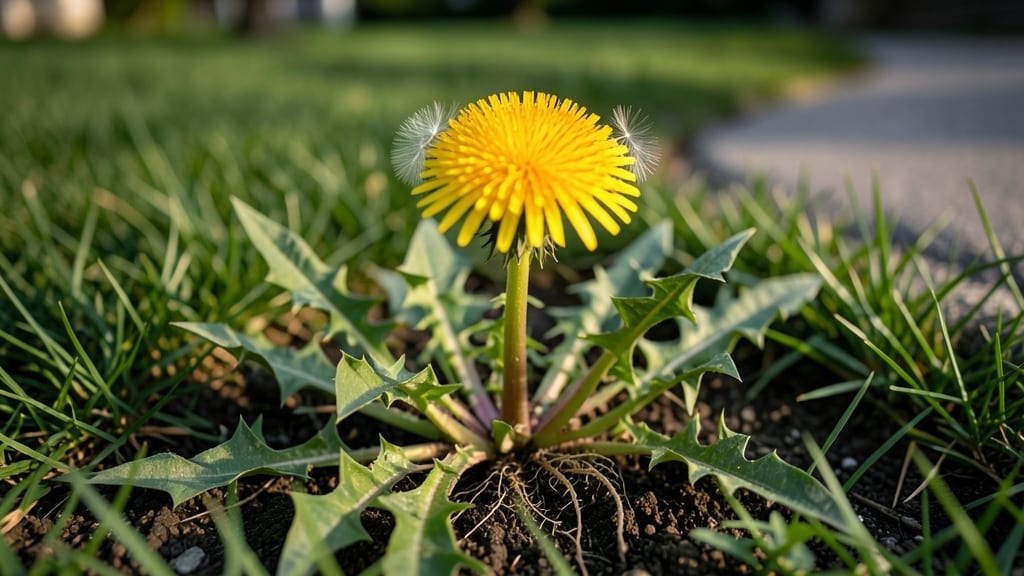
If you’ve ever spotted a bright yellow puffball floating across your Virginia lawn, you’ve met the dandelion—one of the state’s toughest broadleaf weeds. These cheerful invaders thrive in lawns, gardens, and even cracks in pavement, thanks to their deep taproots that resist shallow removal methods.
To identify them, look for serrated, rosette-shaped leaves and their iconic yellow flowers that transform into fluffy seed heads. While shallow tilling or hand-pulling may seem effective, the roots often regrow. Instead, use a targeted vinegar solution (1 gallon vinegar + 1 cup dish soap) sprayed directly on the leaves—avoid nearby plants, as vinegar can harm them too.
This method works best in spring or fall when weeds are actively growing. Urban gardeners and homeowners with kids or pets will appreciate this chemical-free approach that keeps lawns weed-free without harsh residues. 🌱
Crabgrass Control in Virginia Lawns
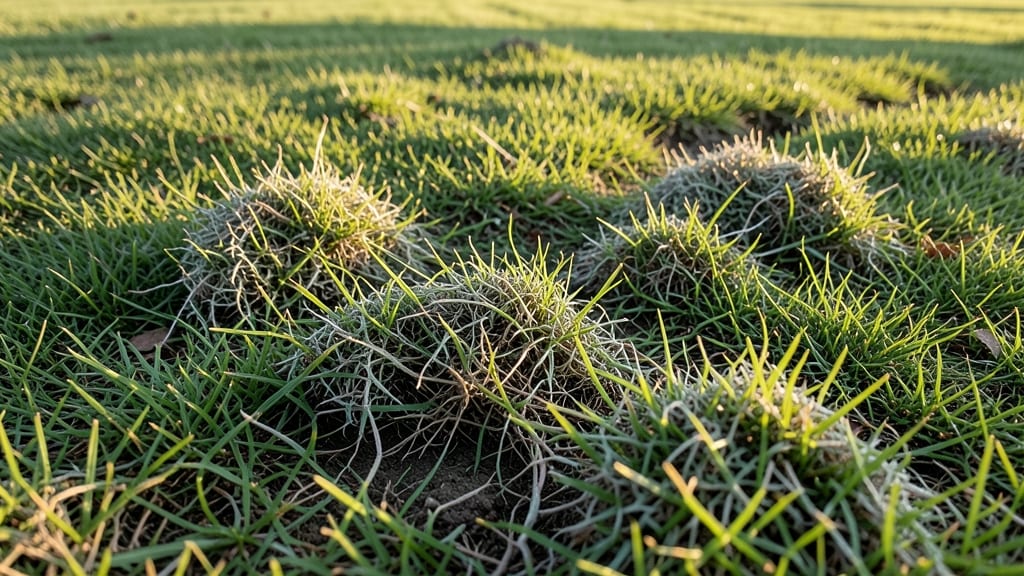
If you’ve ever spotted those rough, jagged-edged clumps of crabgrass creeping into your Virginia lawn, you’re not alone—this summer invader thrives alongside broadleaf weeds, stealing nutrients and making your grass look patchy. The key to stopping it before it spreads? Timing and the right approach.
Crabgrass germinates in early spring when soil temperatures hit 55°F, so applying a pre-emergent herbicide like prodiamine or pendimethalin between late February and early April is your best defense. These treatments create a barrier that blocks seeds from sprouting. For existing patches, spot-treat with a post-emergent herbicide containing quinclorac or mesotrione—just be sure to water your lawn afterward to activate the product.
Homeowners with young kids or pets will appreciate that pre-emergent herbicides are generally safer once established, while post-emergent options require careful application. For a chemical-free option, hand-pulling works best in small lawns—just grab the weed at soil level to avoid leaving roots behind. 💪
Purslane Eradication with Organic Methods
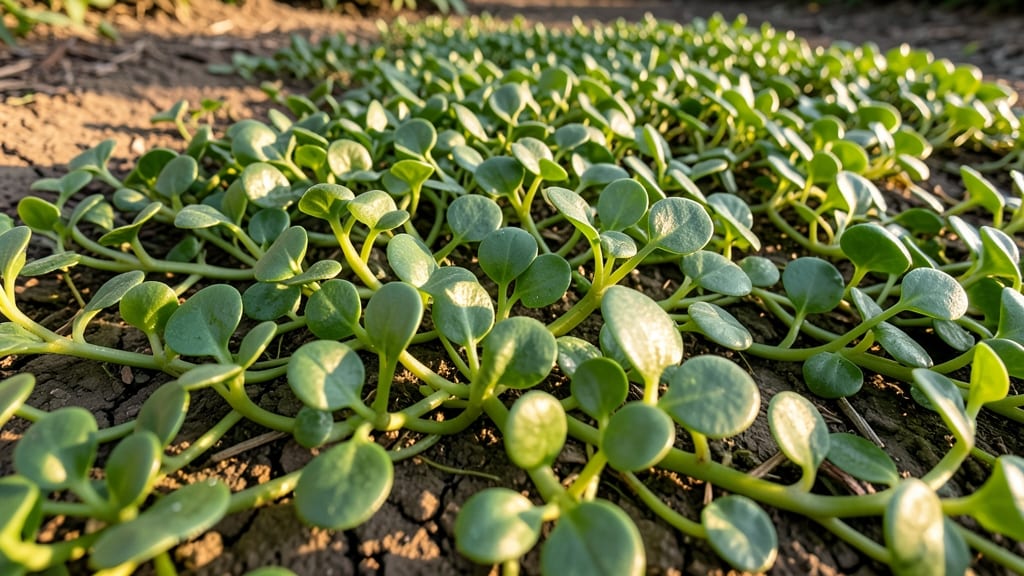
If your garden beds look like they’re being overtaken by a sea of succulent green leaves, you’re likely dealing with purslane—Virginia’s favorite summer weed. This drought-loving invader thrives in the heat but has a surprising weakness: its high moisture content makes it surprisingly easy to remove when the soil is damp.
Start by hand-pulling purslane after a rain or thorough watering, as the moist soil helps loosen its shallow roots. For larger infestations, apply a thick layer of organic mulch (like straw or wood chips) to block sunlight and smother new growth. Avoid tilling, as it spreads purslane fragments and encourages regrowth. Repeat treatments every few weeks until the area stays clear.
This method is perfect for container gardeners and raised beds, where you can control moisture levels and prevent purslane from taking over. With persistence, you’ll reclaim your space without harsh chemicals. 💚
Chickweed Elimination in Shaded Areas
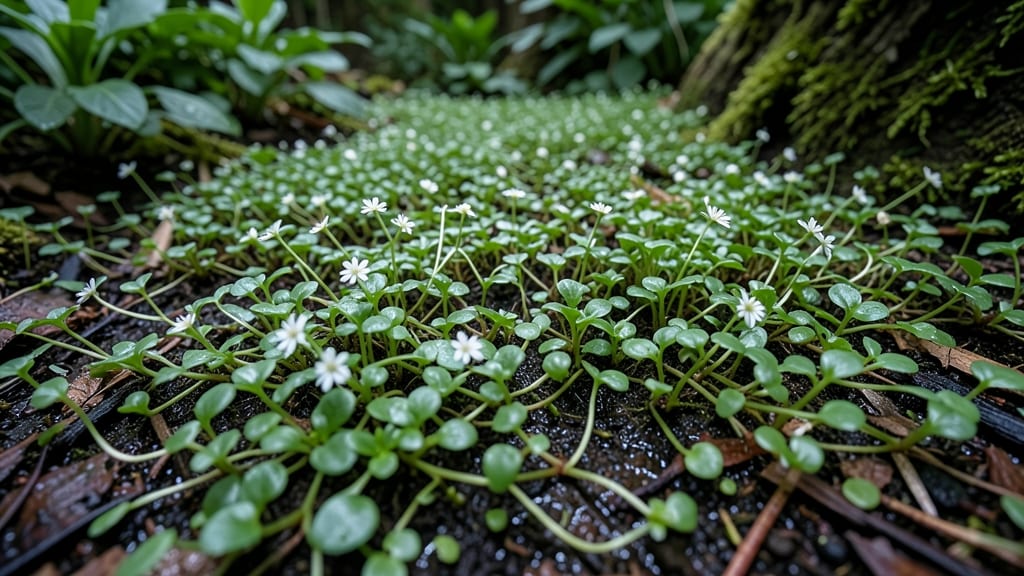
If your shady garden beds in Virginia are overrun by chickweed, you’re not alone—this fast-spreading weed thrives in damp, low-light areas where other plants struggle. Its delicate white flowers and sprawling habit may look harmless, but chickweed smothers seedlings and steals nutrients from your desired plants.
For a chemical-free solution, try solarization: cover the area with clear plastic sheeting for 4–6 weeks during hot summer months (June–August). The trapped heat raises soil temperatures to lethal levels (110–120°F), killing chickweed roots and seeds without harming nearby plants. Water the soil first to help conduct heat deeper into the ground. This method works best in contained beds like raised gardens or in-ground plots.
Perfect for gardeners who prefer organic approaches, solarization is especially effective in woodland gardens or understory plantings where chickweed outcompetes ferns and hostas. Just remove the plastic after treatment and replace with a thick layer of mulch to prevent regrowth. 💚
Henbit Weed Prevention in Spring Gardens
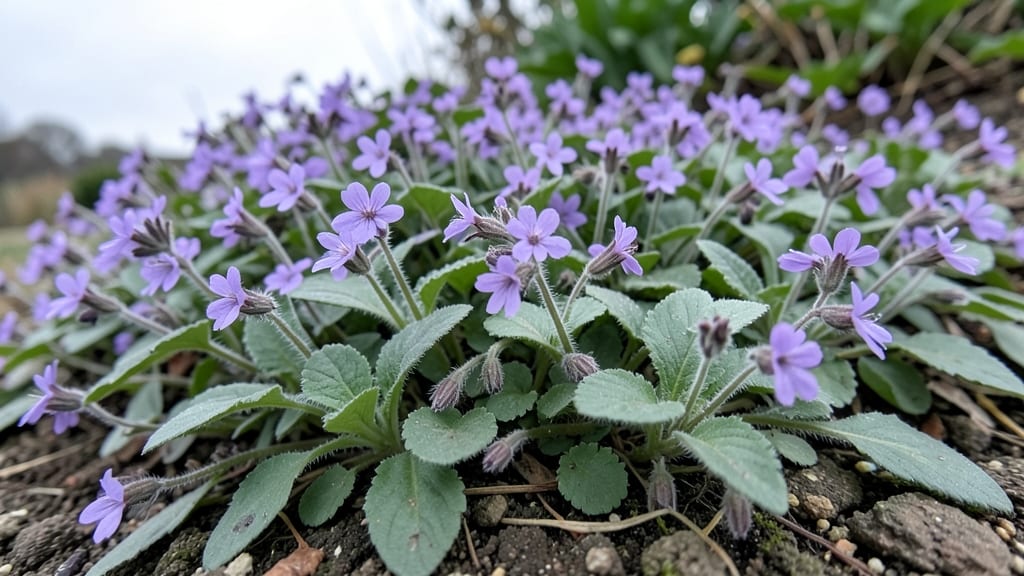
If you’ve ever spotted tiny purple flowers popping up in your Virginia garden before spring even warms up, you’re likely dealing with henbit—a fast-spreading broadleaf weed that thrives in cool weather. This early bloomer sets seed quickly, so acting fast is key to stopping its takeover before it smothers your plants.
Henbit’s square stems (a dead giveaway) and fuzzy leaves make it easy to identify, but its real danger lies in its self-seeding habit. Pull it by hand when plants are small—before those purple flowers appear—or apply corn gluten meal in early spring to disrupt germination naturally. For larger patches, mulch heavily to block sunlight and prevent regrowth.
This weed is especially pesky in raised beds and container gardens, where it can outcompete seedlings. Gardeners who tackle henbit early report fewer headaches later in the season, especially when combined with consistent mulching. 🌱
Clovers and Their Role in Virginia Soil
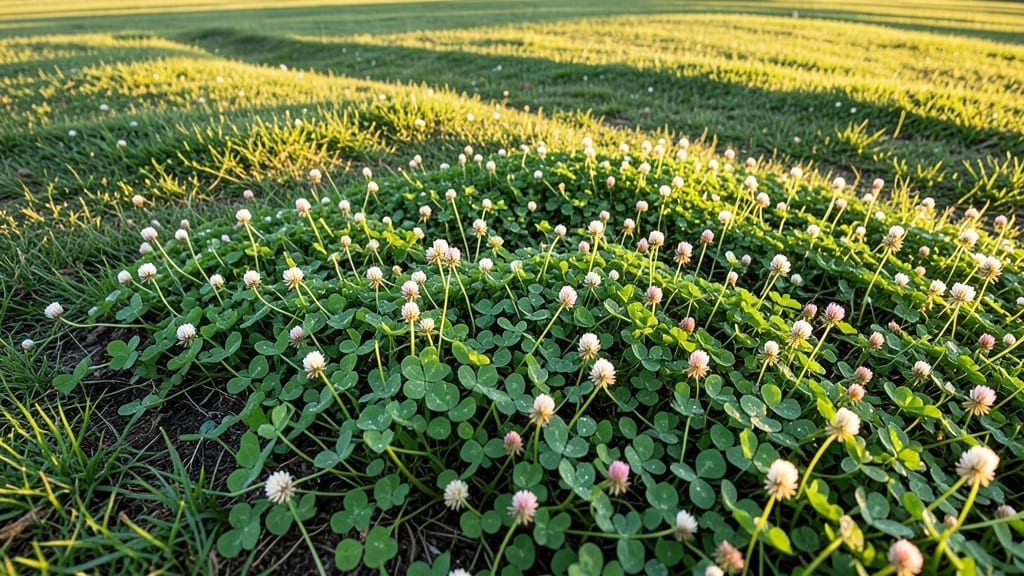
Virginia gardeners often see clover as both a blessing and a curse—its ability to fix nitrogen in the soil boosts plant health, but its rapid spread can turn a lush lawn into a sea of trifoliate leaves. The key lies in managing its growth without sacrificing the soil benefits it provides.
To control clover while preserving its soil-enriching qualities, use selective herbicides labeled for broadleaf weeds or mow before seed pods form (typically in late spring to early summer). This prevents new plants from establishing while allowing existing clover to decompose and release nitrogen. For organic approaches, overseeding with tall fescue or ryegrass can outcompete clover over time.
This strategy is ideal for lawns where you want to maintain soil fertility but reduce clover dominance—perfect for homeowners balancing aesthetics with ecological benefits. 🌱
Plantain Weed Removal from Sidewalks
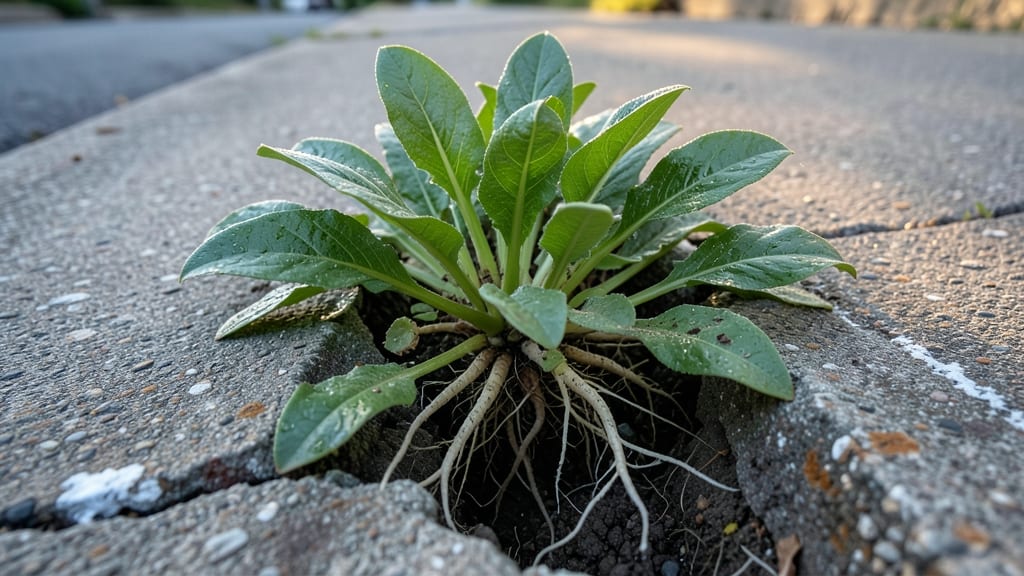
Tired of those stubborn broadleaf plantain weeds popping up between sidewalk cracks? This tenacious weed thrives in Virginia’s compacted soil, where its deep roots make it nearly impossible to eradicate with a single pull. Unlike shallow-rooted weeds, plantain sends roots down 6–12 inches, so yanking it once just leaves fragments to regrow.
For long-term control, combine repeated pulling (grab the whole root) with smothering—lay down cardboard layers over the area to block sunlight and starve the roots. Water the cardboard to help it break down, then add mulch or plant ground covers like creeping thyme to prevent regrowth. This method works best in early spring or fall when weeds are actively growing.
Urban gardeners and sidewalk maintenance crews will appreciate this low-cost, chemical-free approach that keeps plantain from returning year after year. 🌱
Smartweed Identification in Wet Areas
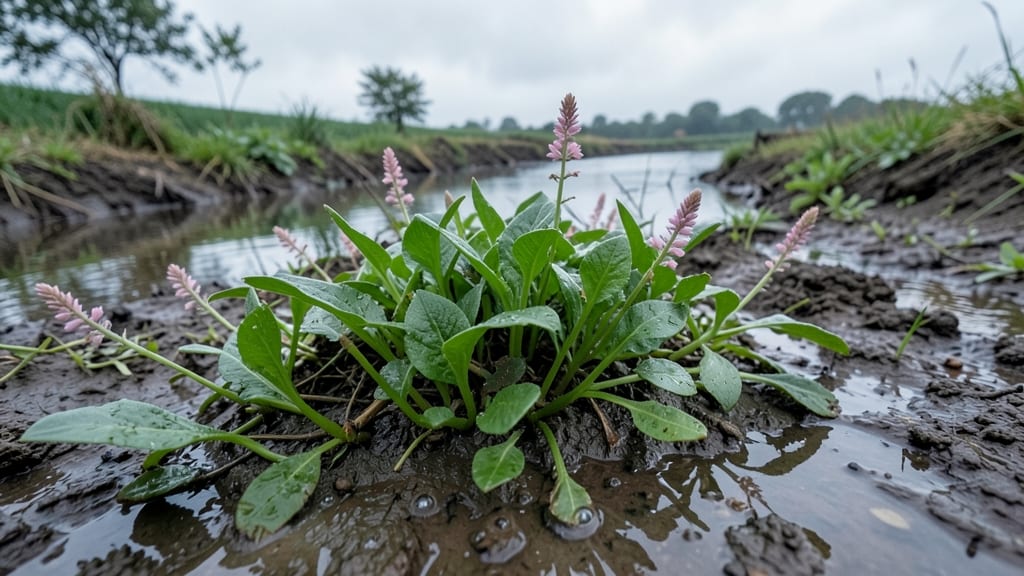
If your garden beds or lawns stay soggy for weeks after rain, smartweed might be the culprit—its arrowhead-shaped leaves and delicate pink flower spikes are dead giveaways. Unlike other weeds, smartweed thrives in standing water, often popping up near ponds, drainage ditches, or poorly drained garden spots.
To tackle it, focus on copper-based herbicides (safe for aquatic ecosystems) or redirect water flow to dry out the area. Hand-pulling works best in early spring before seeds spread, but wear gloves—smartweed’s sap can irritate skin. For prevention, improve drainage with organic matter like compost or install French drains in problem zones.
This weed is a red flag for poor drainage, so addressing it now saves your plants from root rot later. Gardeners with wetland borders or rain gardens will find this especially useful. ✨
Ground Ivy Control in Shady Landscapes
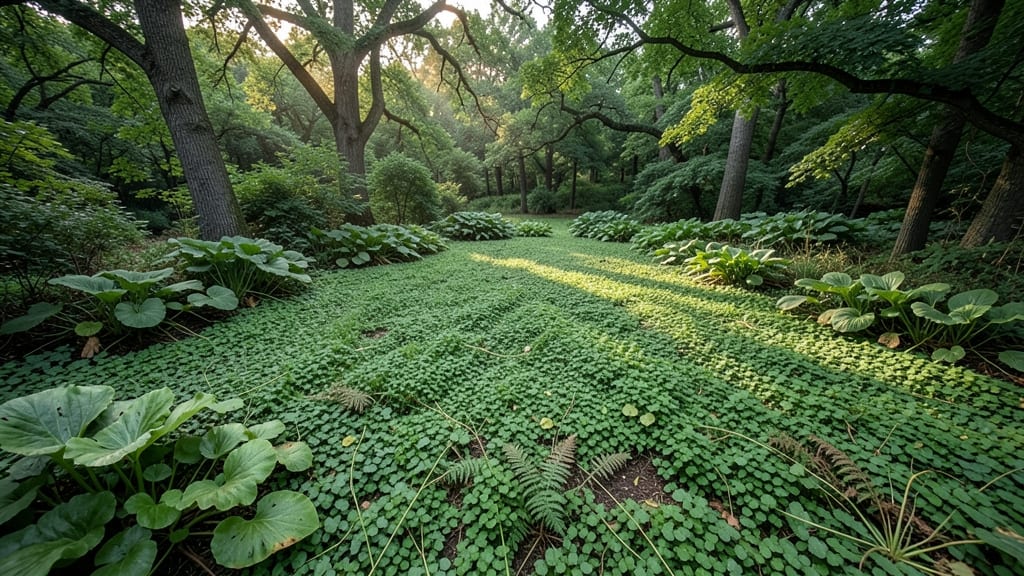
If your shady Virginia garden seems more like a Creeping Charlie carpet than a thriving plant sanctuary, you’re not alone. This tenacious broadleaf weed spreads aggressively via underground runners, smothering hostas, ferns, and other shade-loving plants before they get a chance to flourish.
To stop it before it flowers and seeds, apply pre-emergent herbicides in early spring (March-April) when soil temperatures reach 50°F. For organic gardeners, smother the area with 3-4 inches of thick mulch (like wood chips or pine straw) to block sunlight and suffocate the runners. Pull any visible stems by hand, ensuring you remove the entire root system to prevent regrowth.
This method works best for gardeners with established shade beds who want to preserve their plants without harsh chemicals. With consistent effort, you’ll reclaim your garden’s understory in just one growing season. 🌿
Spotted Knapweed Management in Pastures

If your Virginia pasture is overrun by purple-flowered invaders with distinctive spotted stems, you’re likely dealing with spotted knapweed—a tenacious broadleaf weed that crowds out forage crops and reduces grazing quality. This aggressive plant thrives in disturbed soils and can quickly dominate open fields if left unchecked.
For long-term control, combine biological solutions like releasing knapweed root weevils (a natural predator) with targeted herbicide sprays containing 2,4-D or dicamba. Early spring or fall treatments work best when weeds are actively growing but before they set seed. Livestock grazing can also help suppress regrowth, but monitor pastures closely to prevent reseeding.
Landowners and farmers benefit most from this approach, as spotted knapweed not only degrades pasture quality but also spreads rapidly through seed dispersal. Early intervention saves time and resources in the long run. 💪