
Companion Plants
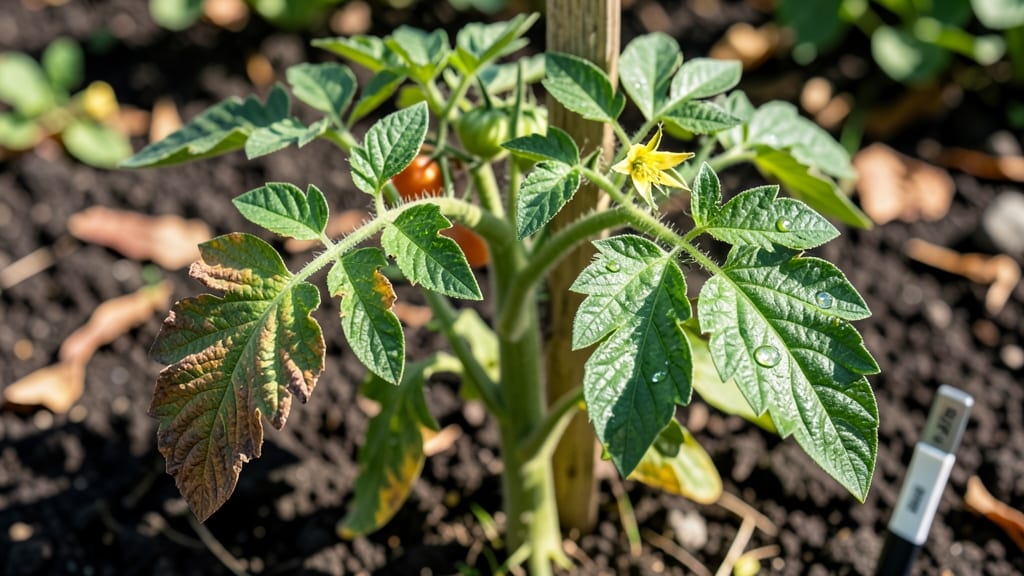
Brown leaf tips on tomato plants? That copper spray fix works faster than you’d think. 🌱 I’ve seen tomato plants go from crispy-edged to lush green in just 48 hours when I catch the problem early—before it spreads to the whole plant.
The key is acting fast and figuring out what’s really causing the stress.
Most people blame underwatering, but it’s often a mix of too much salt in the soil, fungal spores, or even a mineral imbalance from tap water. My garden journal showed that after switching to rainwater and adding a balanced fertilizer, the new growth stayed crisp and vibrant.
Copper spray isn’t just a bandage—it stops the spread of bacterial or fungal infections that cause those unsightly brown tips.
You’ll notice the difference within days: new leaves emerge with smooth edges, and the plant starts putting energy into fruit instead of fighting stress. The secret is consistency—check your water, adjust your soil, and apply the spray before the problem gets worse.
Trust me, your tomatoes will thank you at harvest time.
Works for both backyard gardens and container-grown tomatoes, and it’s a technique I’ve used in everything from raised beds to community garden plots. Once you’ve tried it, you’ll never ignore those first brown tips again.
Root Causes Behind Leaf Damage
Understanding why your tomato plants develop brown leaf tips is the first step toward reviving them. These symptoms often signal underlying stress, and identifying the exact trigger helps you take targeted action.
Below, we break down the most common causes—each with a clear explanation and clues to help you diagnose the issue.
Tomatoes thrive in well-drained soil, and when roots sit in soggy conditions, they struggle to absorb oxygen and nutrients. Excess moisture forces roots to suffocate, leading to nutrient deficiencies—particularly calcium and potassium—which manifest as brown, crispy leaf edges.
How to spot it:
- Yellowing leaves between veins (chlorosis) paired with brown tips.
- Soil that stays damp for days after watering.
- Mushy, blackened roots if you inspect the base of the plant.
Why it happens:
- Waterlogged soil disrupts root function, preventing calcium uptake (a key mineral for cell wall strength).
- Sodium buildup from tap water or poor-quality soil can also block nutrient absorption.
While overwatering is a common culprit, drought stress or salt accumulation (from fertilizers, tap water, or mineral-heavy soil) can also cause brown leaf tips. When soil lacks moisture or becomes too salty, roots can’t pull up enough water or nutrients, leading to desiccation (drying out) at the leaf edges.
How to spot it:
- Dry, brittle soil that pulls away from the pot.
- Crispy, papery leaf edges with no visible mold or spots.
- White crust on soil surface (a sign of salt buildup).
Why it happens:
- Evaporative loss exceeds water intake, causing leaf edges to dry out first (they have fewer protective cells).
- Salt ions (like chloride or sodium) create an osmotic imbalance, making it harder for roots to absorb water.
Tomatoes are heavy feeders, and a lack of calcium or potassium often results in brown, dead leaf tips—especially in young leaves or new growth. These minerals are critical for cell structure and water regulation, and their absence weakens the plant’s ability to retain moisture.
How to spot it:
- Calcium deficiency (blossom end rot’s cousin):
- Brown tips paired with cupping or curling of leaves.
- Weak stems that flop easily.
- Potassium deficiency:
- Yellowing between leaf veins (like a "scorched" pattern) before browning.
- Poor fruit development (small, misshapen tomatoes).
Why it happens:
- Improper pH levels (too acidic or alkaline soil) lock out nutrients.
- Over-fertilizing with nitrogen (without balancing calcium/potassium) starves roots of other essentials.
- Cool soil temperatures (below 60°F) slow calcium uptake.
Harsh chemicals—whether from overzealous spraying, herbicides, or even well-meaning copper treatments—can scorch leaf edges. Sodium in tap water or fluoride in fertilizers can also cause similar damage over time.
How to spot it:
- Uniform browning on leaf edges (not just tips).
- Discoloration appears within 24–48 hours of treatment.
- No other symptoms (like wilting or spots) present.
Why it happens:
- Osmotic shock: Chemicals draw moisture out of leaf cells faster than roots can replace it.
- Cuticle damage: The waxy leaf coating (which prevents water loss) gets stripped away.
Tomatoes are tropical plants at heart, and extreme conditions—like scorching sun, dry winds, or low humidity—can cause leaf edges to dry out and turn brown. This is especially true for variegated or hairy-leafed varieties, which lose moisture more quickly.
How to spot it:
- Damage occurs only on exposed leaves (e.g., top of plant or windward side).
- Leaves feel dry and papery to the touch.
- Symptoms worsen during heatwaves or after windy days.
Why it happens:
- Transpiration outpaces water uptake: Leaves lose moisture faster than roots can supply it.
- Cuticle damage from UV stress: Intense sunlight breaks down the leaf’s protective layer.
While brown tips are rarely caused by pathogens alone, fungal diseases (like early blight or septoria leaf spot) or bacterial infections can weaken plants, making them more susceptible to nutrient deficiencies—or mimic deficiency symptoms.
How to spot it:
- Brown spots with yellow halos (fungal).
- Slime or ooze on leaves (bacterial).
- Leaf drop paired with browning (not just tips).
Why it happens:
- Pathogens clog stomata, reducing the plant’s ability to absorb CO₂ and nutrients.
- Root infections (like Phytophthora) disrupt water uptake, leading to edge browning.
Copper-based fungicides (like Bordeaux mixture) are great for preventing blight, but overuse or improper dilution can cause copper toxicity. This leads to chlorosis (yellowing) followed by browning at leaf edges.
How to spot it:
- Damage appears 2–5 days after spraying.
- Veins remain green while edges turn brown/yellow.
- Stunted growth or leaf curling.
Why it happens:
- Excess copper disrupts nutrient uptake, particularly iron and zinc.
- pH imbalance (copper is more soluble in acidic soil, increasing absorption risks).
Quick Fixes for Tomato Leaf Tips
Reviving your tomato plants starts with pinpointing the cause—and then taking action fast. Below, we’ve broken down practical, step-by-step solutions for each common culprit behind those pesky brown leaf tips.
Whether it’s environmental stress, pests, or nutrient imbalances, these fixes will help your plants bounce back in 48 hours or less with minimal fuss.
Signs: Yellowing or brown edges, mushy stems, wilting despite wet soil.
How to Fix It: 🔥 Stop Watering Immediately – Let the top 1–2 inches of soil dry out before watering again. 🍳 Check Your Pots – If using containers, ensure drainage holes are clear (no clogged roots!). Elevate pots to prevent soggy soil. 👨🍳 Repot if Needed – If roots are rotting, transfer the plant to fresh, well-draining soil mix (add perlite or sand). 🥘 Water Deeply, Less Often – Water at the base (not leaves) in the morning for even absorption. ⏰ Monitor for 2 Days – If leaves stop wilting and new growth appears, you’re on the right track!
💡 Prevention Tip: Use a moisture meter or the "finger test" (stick your finger 1 inch into soil—if damp, wait). Mulch with straw to regulate moisture.
Signs: Crispy, papery brown edges (often on upper leaves exposed to direct sun).
How to Fix It: 🔥 Provide Shade – Use shade cloth (30–50%) or move pots to partial shade for 2–3 days. 🍳 Water Early Morning – Wet leaves before the sun peaks to reduce evaporation. 👨🍳 Prune Damaged Leaves – Snip off crispy tips with clean scissors (don’t tear leaves). 🥘 Adjust Mulch – Use reflective mulch (like white gravel) to deflect heat from roots. ⏰ Acclimate Gradually – If moving plants outdoors, harden them off over 5–7 days.
💡 Prevention Tip: Plant tomatoes where they get 6–8 hours of morning sun and afternoon shade, especially in hot climates.
Signs: Brown, curled tips with white powder (mildew) or dark spots (blight), often on lower leaves.
How to Fix It: 🔥 Apply Copper Spray – Mix 1 tsp copper sulfate per gallon of water (or use a pre-made organic spray like Bordeaux mixture). Spray both sides of leaves at dusk. 🍳 Improve Airflow – Space plants 18–24 inches apart or prune crowded branches. 👨🍳 Remove Infected Leaves – Toss them in the trash (don’t compost!) to stop spread. 🥘 Water at the Base – Avoid overhead watering; use a drip system instead. ⏰ Reapply Spray Every 7–10 Days – Until new growth is healthy.
💡 Prevention Tip: Rotate crops yearly and plant resistant varieties (e.g., ‘Mountain Merit’ tomatoes). Add companion plants like marigolds to deter fungi.
Signs: Tiny webs, stippled leaves, or sticky residue (honeydew) with brown tips.
How to Fix It: 🔥 Blast Off Pests – Spray plants with a strong stream of water to dislodge mites/aphids. 🍳 Neem Oil Spray – Mix 1 tbsp neem oil + 1 tsp mild soap per quart of water. Spray every 3–4 days for 2 weeks. 👨🍳 Introduce Beneficial Insects – Release ladybugs or lacewings (available at garden centers). 🥘 Use Sticky Traps – Place yellow sticky cards near plants to catch flying pests. ⏰ Check Undersides of Leaves – Pests love hiding there—inspect daily.
💡 Prevention Tip: Encourage predatory wasps (like Trichogramma) by planting dill, fennel, or alyssum nearby.
Signs: Brown, cupped tips (often with yellowing between veins), stunted growth.
How to Fix It: 🔥 Flush the Soil – Water heavily with rainwater or distilled water to leach out excess salts. 🍳 Add Epsom Salt – Mix 1 tbsp Epsom salt per gallon of water and spray leaves (for magnesium deficiency). 👨🍳 Use Calcium Supplement – Sprinkle crushed eggshells or crushed oyster shell around the base. 🥘 Switch to Organic Fertilizer – Use a balanced 5-5-5 or compost tea to avoid chemical burn. ⏰ Test Soil pH – Aim for 6.0–6.8; amend with lime (to raise pH) or sulfur (to lower it).
💡 Prevention Tip: Avoid over-fertilizing—feed every 2–3 weeks with a low-nitrogen, high-potassium fertilizer (like 0-10-10) for fruiting stages.
✨ Pro Tip for All Fixes: If your tomatoes are still struggling after 48 hours, take a close-up photo of the affected leaves and compare it to this diagnostic guide to rule out rare issues like bacterial spot or nutrient toxicity.
Frequently asked questions
Why do my tomato plants get brown tips even when I water them regularly?
Brown tips often signal more than just thirst—it could be salt buildup from tap water, nutrient deficiencies (like calcium or potassium), or even overwatering that suffocates roots. Try flushing soil with rainwater and testing your water for chlorine/salt content.
Is copper spray safe to use if my tomatoes already have brown tips?
Copper spray helps prevent fungal diseases (like blight) but can worsen damage if overused. For existing brown tips, focus on fixing the root cause first. If fungal infection is confirmed, use 1 tsp copper sulfate per gallon—but dilute properly to avoid chemical burn.
Can I save my tomato plant if most leaves have brown tips?
Yes! Prune damaged leaves immediately to redirect energy to healthy growth. Focus on fixing watering habits, soil quality, and airflow. With proper care, new leaves will emerge within 7–10 days. If the plant is still sturdy, it can recover fully.
How do I tell if brown tips are from pests vs. environmental stress?
Pests (like spider mites) leave stippling, webbing, or sticky residue, while environmental stress causes uniform browning without other marks. Check leaf undersides for pests—if none are found, blame water, sun, or soil issues.
Will brown tips affect my tomato harvest?
Mild cases won’t ruin your crop, but severe stress can reduce yield. Focus on fixing the issue ASAP—healthy plants produce more fruit and better-quality tomatoes. If leaves recover, your harvest should stay strong!