
Pests and Diseases
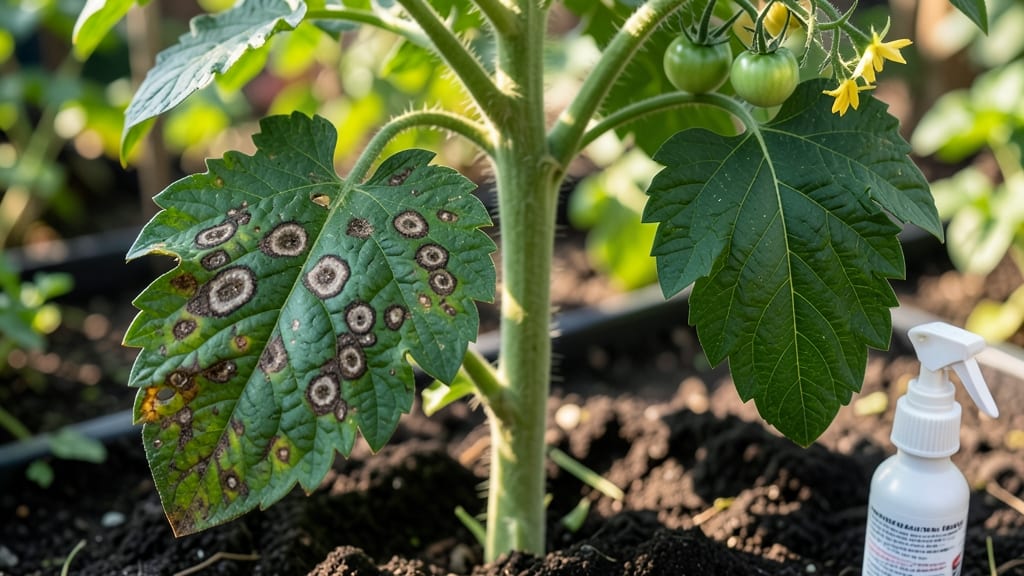
Those tiny black specks on your tomato leaves aren’t just dirt—they’re septoria leaf spot, and without action, your plants could lose 50% of their leaves in weeks. 🌱 I’ve battled this fungus every summer, and copper spray isn’t just a treatment—it’s the fastest way to stop the spread while keeping your tomatoes productive.
The key is timing: catch it early, and you’ll save your harvest without sacrificing flavor or yield.
This disease thrives in wet, humid conditions, turning leaves into lace before you realize what’s happening. Most gardeners panic and reach for chemicals, but copper—whether homemade or store-bought—works fast and safely for edibles.
The trick is applying it preventively at the first sign of spots, then repeating every 7-10 days until the season cools. I’ve seen plants recover completely in just two weeks with this protocol.
By the end of this, you’ll have a foolproof spray mix, a schedule that fits your watering routine, and confidence that your tomatoes won’t become a fungal buffet.
The best part? Your plants will keep producing heavy, flavorful fruit while looking healthier than ever. Let’s get those leaves back in fighting shape.
Whether you’re dealing with a sudden outbreak or just want to prevent next season’s disaster, this works for greenhouses, raised beds, and backyard gardens alike. No more helplessly watching your plants decline—just actionable steps to turn things around.
Root Causes of Tomato Leaf Spots
When your tomato plants start showing those telltale brown, circular lesions with gray centers—classic signs of Septoria leaf spot—it’s not just bad luck. This fungal disease thrives under specific conditions, and understanding why it happens is the first step to stopping it in its tracks.
Let’s break down the key factors that turn your lush green leaves into a fungal buffet.
The fungus Septoria lycopersici spreads like wildfire when leaves stay wet for long periods. Here’s how it works:
- Splashing spores: Water droplets splash from the soil onto lower leaves, carrying fungal spores from infected debris or soil. This is why mulch matters—it prevents soil-borne spores from hitching a ride.
- Humidity hotspots: Dense foliage traps moisture, creating the perfect 90%+ humidity environment the fungus loves. Even morning dew can extend leaf wetness past the 4–6 hour threshold the pathogen needs to infect.
- Poor airflow: Crowded plants or tall, unpruned vines block circulation, slowing drying time and giving the fungus more real estate to colonize.
Pro tip: 💡 Water at the base in the early morning (before 10 AM) to let leaves dry by afternoon. Use a soaker hose or drip irrigation to avoid wetting foliage.
This fungus is a cool-season opportunist—it peaks when temperatures hover between 60–80°F (15–27°C), with frequent rain or overcast skies. Here’s the science:
- Slow drying = fungal feast: Warmth increases fungal growth rates, but if nights stay damp, leaves don’t dry out. The fungus germinates in 2–3 days under these conditions.
- Rainfall triggers: Just 0.5 inches of rain in 24 hours can double spore dispersal. The fungus overwinters in plant debris, so spring showers wake it up.
- Regional risk: Areas with humid summers (like the Southeast U.S.) or cool, wet springs (Pacific Northwest) see worse outbreaks.
Watch for: 🌡️ If your forecast calls for 5+ days of 70%+ humidity, take preemptive action (like copper sprays—more on that later!).
The fungus survives for years in infected plant material. Here’s how it lurks:
- Infected leaves as spore factories: Dead leaves on the soil or in compost release spores when conditions are right. One infected leaf can produce millions of spores.
- Crop rotation failures: Planting tomatoes (or nightshades like peppers/eggplants) in the same spot yearly gives the fungus a permanent foothold.
- Contaminated tools: Pruners or stakes used on infected plants can spread spores to healthy leaves.
Cleanup checklist: ✨
- Remove all tomato debris after harvest (don’t compost it—burn or trash it).
- Rotate crops: Wait 3 years before replanting tomatoes in the same bed.
- Sterilize tools with 70% rubbing alcohol or a 10% bleach solution.
Stressed tomatoes are fungal magnets. Common stressors that lower resistance:
- Nutrient deficiencies: Low potassium (K) or calcium (Ca) weakens cell walls, making them easier targets. Test soil pH—aim for 6.0–6.8.
- Over-fertilizing with nitrogen: Too much N promotes lush growth but thins cell walls, making leaves more vulnerable.
- Physical damage: Hail, strong winds, or rough handling create entry points for spores.
Boost defenses: 💪
- Side-dress with kelp meal (rich in potassium) or crushed eggshells (calcium).
- Avoid high-nitrogen fertilizers like blood meal in late season.
Key takeaway: Septoria leaf spot doesn’t strike randomly—it’s a chain reaction of moisture, warmth, and poor hygiene. By addressing these root causes, you’ll starve the fungus of its favorite conditions. Next up: How to use copper sprays to stop it fast.
How to Fix Fungal Leaf Spots
Now that you understand what causes Septoria leaf spot in tomatoes, let’s tackle the problem head-on with a mix of immediate fixes and long-term prevention. The key is acting fast and staying consistent—this stubborn fungus won’t fade on its own!
Below, we’ve mapped out practical solutions tailored to the root causes, so you can save your tomato plants and keep them thriving.
Why it works: Fungal spores thrive on dead or dying plant material. By removing infected leaves, you starve the fungus of its food source and reduce spore spread.
How to do it:
- 🍳 Snip and toss: Use clean pruners (or scissors) to cut off yellowing, spotted, or wilted leaves—don’t let them touch healthy foliage. Drop them into a sealed plastic bag (not your compost pile!).
- 👨🍳 Sterilize tools: Wipe your pruners with rubbing alcohol or a 10% bleach solution (1 part bleach to 9 parts water) before and after use to prevent cross-contamination.
- 🥘 Clean up the ground: Remove all plant debris from under your tomato plants, including fallen leaves, stems, and even mulch if it’s contaminated. Dispose of it in the trash, not the compost.
💡 Pro Tip: If the infection is severe, consider pruning back 1/3 of the plant to improve airflow and reduce humidity—a fungus’s best friend!
Why it works: Copper is a fungicide that disrupts the fungus’s cell walls, stopping its spread. It’s organic, fast-acting, and safe for edible plants when used correctly.
How to do it:
- 🎯 Choose the right spray: Use a copper fungicide (like Bordeaux mixture, copper sulfate, or copper hydroxide). Follow the label for dilution rates—typically 1–4 tbsp per gallon of water.
- 🔪 Spray thoroughly: Apply the mixture evenly to both sides of leaves, stems, and even the soil around the base of the plant. Focus on the lower leaves first (they’re often the first infected).
- ⏰ Timing is everything:
- First spray: As soon as you spot symptoms.
- Follow-up sprays: Every 7–10 days (or after heavy rain, since water washes it off).
- Preventative sprays: If your area is prone to leaf spots, spray every 2–3 weeks during wet seasons.
✨ Safety Note: Wear gloves and a mask when mixing copper sprays—it can irritate skin and lungs. Avoid spraying in direct sunlight (it can burn leaves) or when bees are active.
Why it works: Healthy tomatoes with good airflow resist infections better. Fungus loves crowded, damp conditions—let’s change that!
How to do it:
- 🍅 Prune for airflow: Space tomato plants 18–24 inches apart (if they’re already too close, thin them out). Remove suckers (side shoots) to improve circulation.
- 🌬️ Stake or cage plants: Use tomato cages or stakes to keep plants upright and off the ground. This prevents splashing water from soil to leaves (a major infection route).
- 💪 Strengthen plants: Feed your tomatoes with a balanced fertilizer (like 10-10-10) or compost tea to boost their natural defenses. Avoid over-fertilizing with nitrogen—it promotes lush, weak growth that’s more susceptible to disease.
Why it works: Overhead watering and wet foliage create the perfect breeding ground for Septoria. Let’s water smart!
How to do it:
- 🔥 Water at the base: Use drip irrigation or soaker hoses to deliver water directly to the soil, not the leaves.
- 🍳 Timing matters: Water early in the morning (before 10 AM) so leaves have time to dry. Never water at night—this keeps humidity high overnight, inviting fungus.
- 🌡️ Reduce leaf wetness: If you must water overhead (e.g., for seedlings), use a fine mist setting and avoid wetting leaves as much as possible.
Once you’ve treated the current infection, break the fungus’s cycle with these long-term strategies:
- 🌱 Rotate crops: Don’t plant tomatoes (or other nightshades like peppers/eggplants) in the same spot for 3 years.
This starves the soil of fungal spores. - 🔄 Use resistant varieties: Next season, try disease-resistant tomato varieties like: - ‘Mountain Merit’ (resistant to Septoria and verticillium wilt) - ‘Defiant PhR’ (resistant to multiple diseases) - ‘Celebrity’ (tolerates humidity well) - 🌿 Mulch strategically: Apply straw or grass clippings (not wood chips) to keep soil moist (reducing splash) and suppress weeds (which harbor spores). - 🧼 Sanitize everything: Clean tools, pots, and trellises with a bleach solution between growing seasons.
Store them in a dry place to prevent mold.
Final Reminder: Consistency is key! Fungal diseases like Septoria don’t disappear overnight—stick to your spray schedule, prune regularly, and keep your plants happy. With these steps, you’ll not only save your current crop but also protect future harvests! 🍅💪
Frequently asked questions
What do septoria leaf spots look like on tomato plants?
Look for small, dark brown or black circular spots with gray centers and tiny black specks (fungal spores) around the edges. These spots often appear on lower leaves first and may have yellow halos. As the disease progresses, the spots grow larger and can cause leaves to turn yellow and die.
Can I still harvest tomatoes if my plants have septoria leaf spot?
Yes, you can still harvest tomatoes, but focus on removing infected leaves to protect the remaining fruit. The fungus primarily affects leaves, not the fruit itself. However, if the disease spreads severely, it can reduce plant vigor and yield. Always wash harvested tomatoes thoroughly before eating or storing.
How often should I apply copper spray for septoria leaf spot?
Apply copper spray every 7–10 days once you see symptoms, or every 2–3 weeks for prevention during humid seasons. Always spray in the early morning or late afternoon to avoid leaf burn from sunlight. Follow the product label for exact dilution rates—typically 1–4 tbsp per gallon of water.
Will septoria leaf spot kill my tomato plants?
While septoria leaf spot won’t usually kill your tomato plants outright, it can severely weaken them by destroying leaves, which reduces photosynthesis and fruit production. With proper treatment (copper sprays, pruning, and good airflow), most plants recover fully. The key is acting fast—don’t wait until half the leaves are infected!
Are there organic alternatives to copper spray for septoria?
Yes! Try a baking soda spray (1 tbsp baking soda + 1/2 tsp dish soap + 1 gallon water) or neem oil (1 tbsp neem oil + 1 tsp mild soap + 1 quart water). Both are fungicidal and safe for edibles. Apply every 7–14 days during wet conditions. For best results, combine with copper sprays for severe infections.