
Leaf Blower
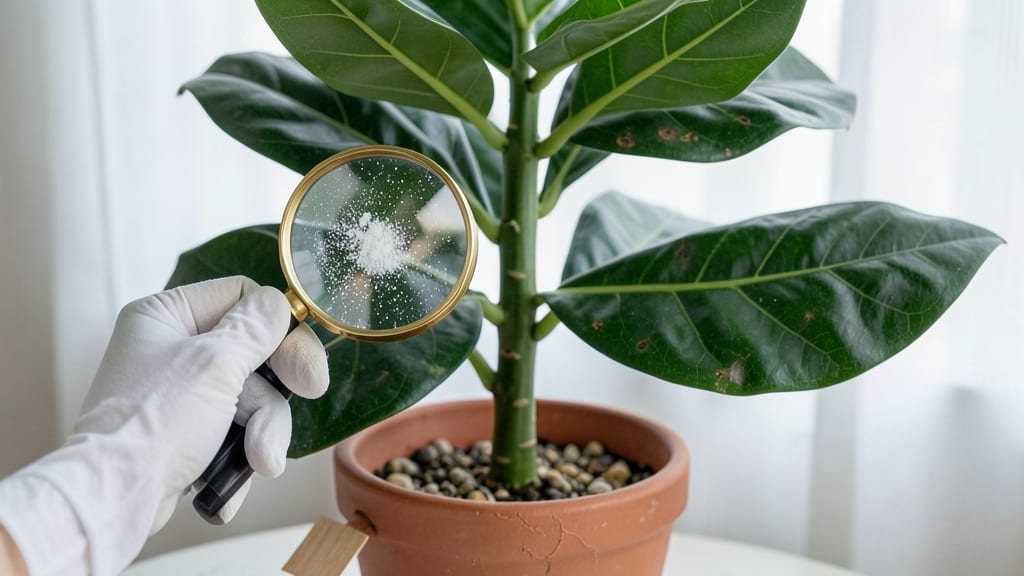
Those white spots on your fiddle leaf fig aren’t just unsightly—they’re a cry for help. 🌿 I’ve battled this exact issue with my prized plant, and what started as a few powdery marks turned into a full-blown leaf crisis if I didn’t act fast.
The good news? This isn’t always a death sentence, and copper-free solutions work better than you’d think.
Most white spots stem from powdery mildew or fungal infections, thriving when humidity spikes or airflow stalls.
Spider mites can also leave behind a similar chalky residue, but the real giveaway is how the spots spread—fungal issues grow like a dusting of flour, while pests create webbing or tiny speckles. My plant’s leaves started curling at the edges first, then the white film appeared on the undersides.
You can reverse this with a neem oil spray (mix 1 teaspoon with a quart of water) or baking soda solution (1 teaspoon baking soda + a drop of dish soap in a quart of water).
Spray the undersides of leaves where spores hide, and repeat every 5-7 days until new growth appears. The key? Increase airflow—trim crowded branches and wipe leaves with a damp cloth to remove spores.
Once the spots clear, keep your fiddle leaf fig thriving by watering only when the top 2 inches of soil are dry and placing it near a fan or open window.
I’ve kept mine spot-free for over a year using this routine, and the glossy, deep-green leaves make the effort worth it. Prevention is easier than cleanup!
Root Causes of Leaf Blemishes
White spots on your fiddle leaf fig’s leaves aren’t just cosmetic—they’re often a cry for help from your plant. Understanding the why behind these blemishes is the first step to restoring your fig’s health.
Below, we break down the most common culprits, from fungal invaders to environmental stressors, and explain the science behind each one.
Fungal spots are the most frequent cause of white speckling on fiddle leaf figs, often appearing as powdery, chalky, or greasy patches. These pathogens thrive in warm, humid conditions and can spread rapidly if left unchecked.
1. Powdery Mildew: The Fluffy Foe
Powdery mildew (Erysiphe or Oidium spp.) is a common fungal disease that coats leaves in a white, powdery film. This fungus feeds on plant sugars, weakening the leaf’s ability to photosynthesize.
- How it starts: Spores land on leaves and germinate when humidity exceeds 75% for prolonged periods, especially in poor air circulation.
- Key signs:
- White, talcum-like spots that spread quickly.
- Yellowing or browning beneath the powdery layer.
- Stunted growth if severe.
- Why it’s tricky: The fungus grows above the leaf surface, making it resistant to many fungicides until it’s actively growing (early morning is best for treatment).
2. Leaf Spot Diseases: The Greasy Culprits
Fungal leaf spots like Cercospora or Septoria often appear as white, tan, or brown spots with dark borders. These spots can merge, creating large necrotic areas.
- How it starts: Spores splash onto leaves from contaminated soil or water, especially after overhead watering or rain. Warm temperatures (70–85°F) accelerate growth.
- Key signs:
- Spots may have a greasy or velvety texture.
- Leaves may develop yellow halos around spots.
- Premature leaf drop in advanced cases.
- Why it spreads: Wet leaves for more than 6–12 hours create the perfect breeding ground for spores. Unlike powdery mildew, these fungi penetrate the leaf, making recovery harder.
Water issues—whether overwatering or poor drainage—create the perfect storm for fungal growth and physiological disorders that mimic white spotting.
3. Overwatering and Poor Drainage
Fiddle leaf figs hate soggy roots. When soil stays waterlogged, it starves roots of oxygen, inviting fungal infections and stress-related spotting.
- How it happens:
- Excess moisture in soil promotes Pythium or Phytophthora root rot, which can cause white, water-soaked spots on leaves.
- Salt buildup from tap water or fertilizers creates leaf tip burn, appearing as white, crispy edges.
- Key signs:
- Yellowing leaves with white, mushy spots.
- Root rot smell (like rotting onions).
- Wilting despite wet soil.
- Why it’s dangerous: Root rot blocks nutrient uptake, leading to chlorosis (yellowing) and white, necrotic patches as leaves die back.
4. Mineral Deposits: The Silent Scorch
Hard water or tap water with high mineral content (calcium, magnesium) can leave white, crusty deposits on leaves, clogging stomata and reducing gas exchange.
- How it happens:
- Water evaporates, leaving mineral residue on leaf surfaces.
- Over time, these deposits block sunlight and suffocate the leaf.
- Key signs:
- White, powdery streaks along leaf veins.
- Brown, dead patches where deposits accumulate.
- Why it’s preventable: Using filtered or distilled water eliminates this issue entirely. A quick wipe with a damp cloth can remove existing buildup.
Extreme conditions—whether scorching sun or sudden temperature shifts—can cause white spotting as a stress response.
5. Sunburn and Heat Stress
Fiddle leaf figs thrive in bright, indirect light. Direct sunlight, especially through windows, can cause sun scorch, leading to white, papery patches.
- How it happens:
- UV rays damage leaf cells, causing photooxidation (cell breakdown).
- Hot, dry air increases transpiration, leading to water stress and white, crispy spots.
- Key signs:
- White or bleached areas on leaf edges or in direct light exposure.
- Leaves may feel dry or leathery to the touch.
- Why it’s reversible: Moving your plant to filtered light (e.g., sheer curtains) or a north-facing window can prevent further damage.
6. Temperature Fluctuations
Sudden drops or spikes in temperature (below 55°F or above 90°F) can shock your fiddle leaf fig, leading to white, necrotic spots.
- How it happens:
- Cold drafts (e.g., AC vents, open windows) cause cold stress, disrupting cell membranes.
- Heat stress (above 90°F) accelerates water loss, leading to desiccation spots.
- Key signs:
- White, frost-like patches (cold stress).
- Brown, papery edges (heat stress).
- Why it’s avoidable: Keep your fig in a consistent 60–75°F range and avoid placing it near drafts or heating vents.
Now that you know the why, the next step is action. In the following sections, we’ll cover how to diagnose these issues accurately and—most importantly—how to treat them without copper-based fungicides to keep your fiddle leaf fig thriving.
Fixing Fungal Spots Naturally
Now that you know the likely culprits behind those pesky white spots on your fiddle leaf fig, it’s time to roll up your sleeves and get your plant back to its lush, healthy self!
The good news? Most solutions are simple, chemical-free, and won’t break the bank. Let’s tackle each cause with a targeted fix—and some pro tips to keep those spots from making a comeback.
If your fiddle leaf fig is battling Cercospora, act fast to prevent the spread. This stubborn fungus thrives in damp conditions, so drying out the leaves and improving airflow is key.
🔥 Step 1: Isolate and Prune
- 🌿 Remove infected leaves with clean, sharp scissors or pruning shears.
Cut at a 45-degree angle just above a leaf node to encourage new growth. - 🗑️ Dispose of the clippings in the trash (not your compost bin)—fungus can survive and reinfect. - 🚪 Move your plant to a spot with better airflow, away from other houseplants, to stop spores from hitchhiking.
🍳 Step 2: Cleanse the Leaves
Fungal spores love hiding on leaf surfaces. Give your fiddle leaf fig a spa day: - 🧼 Mix a gentle solution of 1 part neem oil + 1 part water + a dash of mild dish soap (like Castile soap).
This combo is antifungal and helps break down spores. - 👨🍳 Spray or wipe the solution onto the top and bottom of leaves (where spores love to camp out). Avoid oversaturating the soil. - 🌧️ Follow up with a dry wipe using a microfiber cloth to remove excess moisture.
🌡️ Step 3: Adjust Care Routine
Fungal spots hate consistency. Tweak these habits to outsmart the fungus: - ✨ Water only when the top 1–2 inches of soil are dry.
Stick your finger in the pot—if it’s damp, wait. - 💨 Increase airflow by placing a small fan nearby (on low setting) or opening windows occasionally. - 🌞 Boost indirect light. Fungal spots love shady spots—aim for bright, filtered light (like an east-facing window).
💡 Pro Tip:
Copper is out, but baking soda isn’t! Mix 1 teaspoon baking soda + 1 quart water + a few drops of soap for a DIY antifungal spray. Test on a small leaf first—some plants are sensitive.
Tiny pests leave white spots (mealybugs) or webbing (mites), but they’re easy to evict with the right tools.
🔪 Step 1: Inspect and Quarantine
- 🔍 Use a magnifying glass to spot pests on leaf undersides, stems, or buds.
- 🚫 Isolate the plant until you’ve treated it to avoid cross-contamination.
🍳 Step 2: Blast Them Away
- 💦 Spray with a strong stream of water to dislodge pests (repeat every few days).
- 🧼 Apply insecticidal soap or neem oil (follow label instructions).
Reapply every 5–7 days until pests are gone. - 🍎 For stubborn infestations, mix 1 part rubbing alcohol + 1 part water in a spray bottle and dab onto pests (test on a small area first).
🌡️ Step 3: Prevent Reinvasion
- 🌿 Wipe leaves regularly with a damp cloth to remove eggs or residue.
- 🕷️ Check new plants before bringing them home—quarantine them for a week.
- 🌿 Boost humidity (but not too much!) with a humidifier or pebble tray to deter mites.
💡 Pro Tip:
Diatomaceous earth (DE) is a natural pest killer—sprinkle it lightly on the soil (not leaves) and around the base of the plant. It dehydrates pests but is safe for your fig!
If white spots are from mineral buildup or root rot, it’s time to refresh your plant’s environment.
🌧️ Step 1: Flush the Soil
- 💦 Water the plant thoroughly, then let it drain completely.
- 🚰 Run a stream of water through the soil for 1–2 minutes to flush out salts and chlorine.
- 🌱 Let the soil dry out before watering again—fiddle leaf figs prefer slightly dry soil.
🍳 Step 2: Repot if Needed
If the roots smell rotten or the soil is compacted: - 🪴 Gently remove the plant from its pot and inspect the roots.
Trim any mushy, black roots with sterilized scissors. - 🌿 Repot in fresh, well-draining soil (a mix of potting soil + perlite or orchid bark works well). - 🏺 Choose a pot with drainage holes—no exceptions!
🌡️ Step 3: Adjust Watering Habits
- 📅 Water every 7–10 days (or when the top 2 inches of soil are dry).
- 💧 Use filtered or distilled water if your tap water is hard or chlorinated.
- ☀️ Increase light—healthier plants handle water better!
💡 Pro Tip:
Ice cube trick for chlorine: Drop a few ice cubes into the water before using—it helps dissipate chlorine over time.
Stop white spots from crashing your fiddle leaf fig’s party with these habits:
- 🌿 Inspect leaves weekly for early signs of spots, pests, or discoloration.
- 🍃 Dust leaves monthly with a damp cloth to prevent fungal growth.
- 🌡️ Keep humidity moderate (40–60%)—too much moisture = pest and fungal paradise.
- 🌞 Rotate your plant every few weeks for even light exposure (prevents weak spots).
- 🌱 Fertilize lightly (every 2–3 months in spring/summer) to avoid salt buildup.
Remember: Patience is key! Some fixes take 2–4 weeks to show results. Celebrate small wins—like new growth or fewer spots—and keep your fiddle leaf fig thriving. 🌿✨
Frequently asked questions
Why do white spots appear on fiddle leaf figs in winter?
Winter often triggers white spots due to low humidity from indoor heating or cold drafts near windows. The dry air creates ideal conditions for powdery mildew, while sudden temperature drops can cause stress-related spotting. Increase humidity with a pebble tray or humidifier, and keep your plant away from vents or chilly glass.
Can I save my fiddle leaf fig if half the leaves have white spots?
Yes! Act fast by pruning the worst leaves and treating with neem oil spray (1 tsp per quart of water). Focus on improving airflow and light—move it to a bright, indirect spot with a small fan nearby. New growth should emerge within 2-4 weeks if you catch it early.
Are white spots always a sign of disease?
Not always! Mineral deposits from hard water or sunburn can also cause white spots. Test by wiping a leaf with a damp cloth—if it leaves a chalky residue, it's minerals. For sunburn, move your plant to filtered light immediately. Only treat as fungal if spots spread rapidly or have a powdery texture.
How often should I spray my fiddle leaf fig to prevent white spots?
Spray every 7-10 days during warm months (when fungal risks peak) using a neem oil or baking soda solution. Reduce to monthly in winter. Always spray early morning so leaves dry quickly—wet leaves for more than 6 hours encourage fungal growth.
Will my fiddle leaf fig grow back healthy leaves after white spots?
With proper care, your plant will produce new, spot-free leaves within 3-6 months. Focus on pruning infected leaves, improving airflow, and maintaining consistent moisture (water when top 2 inches of soil are dry). The key is patience—healthy growth comes from the plant's center.