
Plants
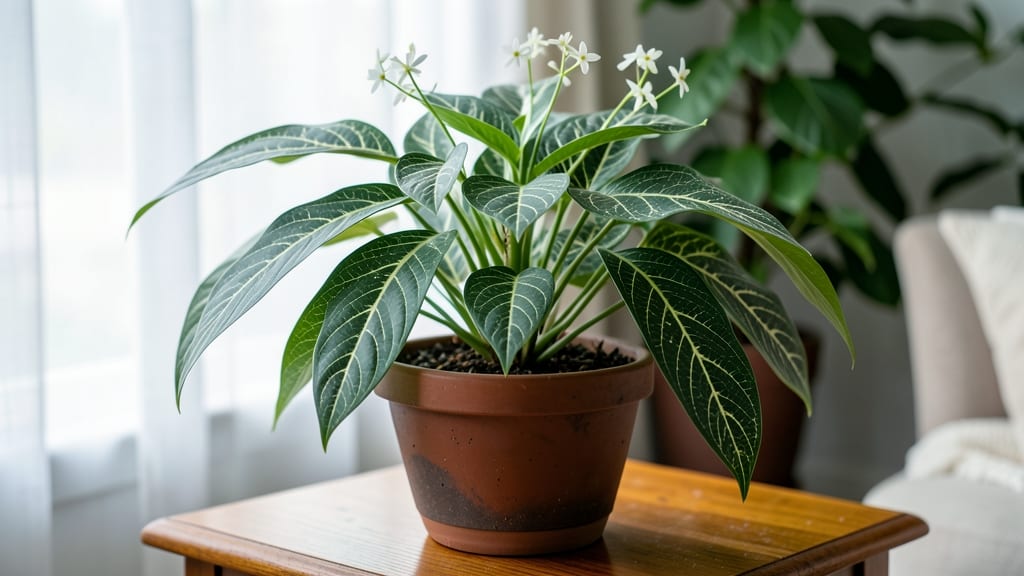
Butterfly leaf plants thrive with bright, indirect light and well-draining soil, requiring consistent moisture while avoiding soggy roots. Prune regularly to encourage bushier growth and fertilize monthly during spring and summer for vibrant foliage.
These tropical plants—also called Spathiphyllum wallisii—love light that mimics their natural understory habitat, where dappled sunlight filters through tree canopies. 🌿 The secret to their stunning variegated leaves lies in this balance: too much direct sun scorches the foliage, while low light dulls their signature patterns.
For soil, I always mix in perlite or orchid bark to prevent compaction, since their roots need oxygen as much as water. The key is keeping the soil slightly moist but never waterlogged, as soggy conditions invite fungal issues that can kill the plant quickly.
Butterfly leaf plants reward consistent care with dramatic growth. When you notice new leaves emerging smaller than usual, that’s often a sign of overwatering or poor drainage. I’ve found that rotating the plant every few weeks ensures even light exposure, preventing lopsided growth.
The monthly fertilizer boost during growing seasons helps maintain that signature vibrant foliage, but I always dilute it to half-strength to avoid burning the roots.
💡 In This Article
- Optimal Light and Soil Conditions for Butterfly Leaf Plants
- Step-by-Step Butterfly Leaf Plant Pruning and Propagation Guide
Optimal light and soil conditions for butterfly leaf plants
The butterfly leaf plant's striking foliage thrives because its light requirements mirror its native tropical understory environment. These plants evolved to capture dappled sunlight—bright but indirect—where only about 20-30% of direct light reaches the forest floor.
This explains why placing them near east-facing windows or 3-5 feet from south-facing windows creates the perfect balance. Too much direct sun triggers leaf scorch, turning those beautiful patterns into crispy brown edges, while insufficient light causes the leaves to lose their vibrant contrast and grow smaller. 🌿
For soil, the key is replication of their natural habitat's loose, airy texture. I recommend a mix of 50% peat or coconut coir, 30% perlite or pumice, and 20% orchid bark—this combination prevents compaction while allowing roots to breathe.
The ideal pH range is 5.5-6.5, slightly acidic like their native rainforest soil. Adding a handful of worm castings provides natural nutrients without risking root burn.
What's fascinating is how these plants develop aerial roots when the soil mix is too dense, signaling it's time to repot with better drainage.
Watering becomes a science of timing and observation. The top 1-2 inches of soil should dry out between waterings—stick your finger in to check. Overwatering is the #1 killer because butterfly leaf plants are sensitive to root rot caused by Phytophthora fungi.
I've seen plants go from lush to limp in just 48 hours when kept too wet. The solution is a terracotta pot with drainage holes and a saucer to catch excess water, which you should empty after 15 minutes. During winter, reduce watering by half as growth slows dramatically.
Seasonal adjustments make all the difference. In spring and summer, when growth is most active, I increase humidity by placing the pot on a tray of pebbles with water. The evaporative cooling mimics their tropical home and prevents leaf edges from browning.
In fall and winter, when natural light decreases, supplement with a grow light 12 inches away for 6-8 hours daily. This prevents the plant from entering a dormancy cycle too early, which can cause leaf drop and stunted growth. 💫
Here's what to watch for: If you notice yellowing leaves, it's usually overwatering or poor drainage. Brown tips? That's often low humidity or fluoride buildup from tap water (use filtered or distilled water instead).
The plant's natural response to stress is to drop older leaves, so focus on keeping new growth healthy. When you see those signature white-veined leaves emerging, you know you've nailed the light and care balance.
For maximum vibrancy, I've found that a balanced 10-10-10 fertilizer applied monthly during growing seasons (March-October) works wonders. The key is dilution—use half the recommended strength to prevent salt buildup in the soil.
This practice has helped my plants maintain their signature foliage patterns for years, proving that consistency in care directly translates to visual impact. The result? A plant that looks like it's straight from a botanical garden, not a nursery shelf. ✨