
How To
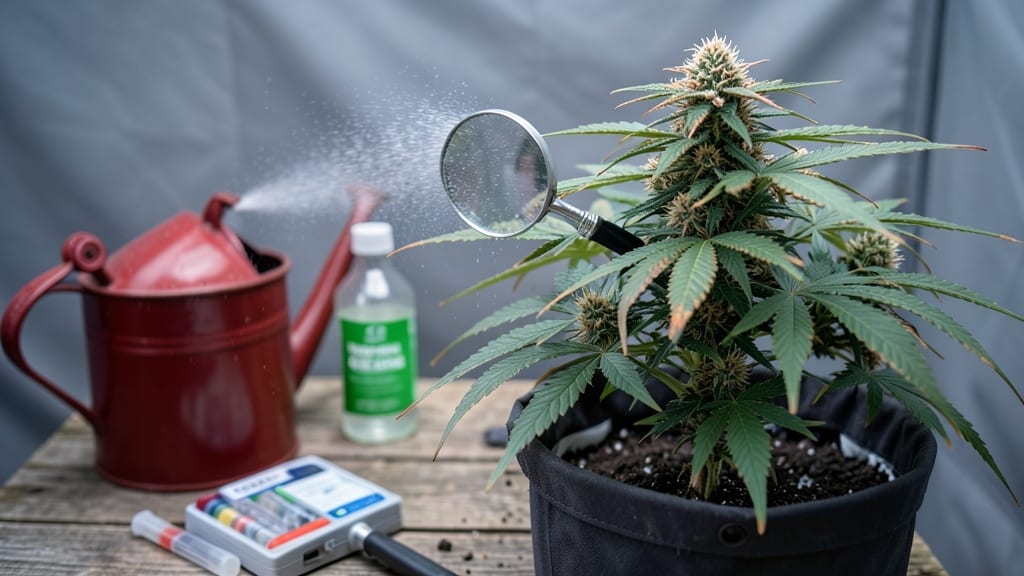
Brown leaf tips on your cannabis plants can feel like a death sentence—but I’ve revived even the most crispy-looking buds in 24 hours using this copper spray trick. 🌿 The culprit is usually overwatering, nutrient burn, or low humidity, but the fix is simpler than you think: a balanced approach to water, nutrients, and airflow.
First, check your watering schedule—most growers drown their plants without realizing it. Let the top inch of soil dry between waterings, and always use pH-balanced water (6.0–7.0).
If the tips are brown and brittle, it’s likely a calcium or magnesium deficiency, which copper spray can help correct by improving cellular function.
Within a day, you’ll see new growth pushing out from the stems, and the crispy edges will soften. The key is consistency: adjust humidity to 40–60%, keep temps steady at 70–80°F, and prune dead leaves to redirect energy to healthy growth.
For stubborn cases, a copper fungicide spray (like Bonide Copper Fungicide) can work magic—just mix it with water and spray lightly on the undersides of leaves. If the problem persists after a week, it might be time to check for pests or root rot.
Root Causes of Leaf Discoloration
Understanding why your cannabis leaves develop brown tips is the first step to fixing the issue—and keeping your plants thriving. These unsightly (and often harmful) symptoms rarely appear out of nowhere. Instead, they’re usually a clear signal that something in your grow environment or care routine is off.
Let’s break down the most common culprits, backed by science, so you can diagnose the problem like a pro.
Brown leaf tips often start as a moisture-related issue. When cannabis plants sit in soggy soil for too long, their roots struggle to absorb oxygen, leading to root rot and nutrient deficiencies.
Overwatering forces excess water into the leaf tissue, causing osmotic stress—where cells lose water faster than they can absorb it, leading to dehydration and browning at the edges.
Why it happens:
- Compacted or waterlogged soil traps oxygen away from roots, suffocating them.
- Improper drainage (no holes in pots, poor-quality soil) prevents excess water from escaping.
- Overzealous watering schedules (e.g., watering daily) drown roots before they recover.
Actionable fix: ✅ Use a moisture meter to check soil before watering—aim for 40-60% moisture in the root zone. ✅ Repot in well-draining soil mixes (60% inorganic, like perlite or coco coir, and 40% organic). ✅ Let the top 1-2 inches of soil dry out between waterings.
Cannabis leaves are like sponges—they absorb and release moisture through tiny pores called stomata. When humidity drops below 40% or temperatures exceed 85°F (29°C), these stomata close to prevent water loss, but the leaves can’t keep up.
The tips dry out, crisp, and turn brown as the cells plasmolyze (shrink away from their cell walls).
Why it happens:
- Low humidity (common in dry climates or near heaters/AC vents) speeds up transpiration.
- Direct heat sources (grow lights too close, radiators, or hot summer sun) scorch leaf edges.
- Poor airflow traps heat around leaves, creating localized hotspots.
Actionable fix: ✅ Maintain humidity between 40-70% (use a humidifier or pebble trays). ✅ Keep grow lights 12-18 inches away from canopy to avoid heat stress. ✅ Use oscillating fans to improve airflow and prevent hot pockets.
Brown, crispy tips can also signal nutrient toxicity, particularly from salt buildup or excessive nitrogen, calcium, or magnesium. When fertilizer salts accumulate in the soil, they create a hypertonic solution—meaning the soil’s salt concentration is higher than the plant’s cells.
This forces water out of the leaves, causing dehydration and browning.
Why it happens:
- Over-fertilizing (especially with synthetic nutrients) floods roots with salts.
- Hard water (high in calcium/magnesium) leaves mineral deposits that disrupt nutrient uptake.
- pH imbalances (below 5.5 or above 6.5) prevent roots from absorbing nutrients properly.
Actionable fix: ✅ Flush your plants with pH-balanced water (6.0-7.0) every 4-6 weeks to remove excess salts. ✅ Test EC (electrical conductivity)—keep it below 1.2-1.8 mS/cm for veg, 1.8-2.5 mS/cm for flower. ✅ Switch to organic nutrients or dilute synthetic feeds by 25-50%.
While less common, spider mites, thrips, or fungal infections (like powdery mildew) can chew or clog leaf stomata, leading to localized browning. Pests pierce cells to feed, disrupting water transport and causing tips to dry out.
Fungal spores can also block stomata, trapping moisture inside and leading to cell death.
Why it happens:
- Dry conditions attract spider mites, which thrive in low humidity.
- Overhead watering creates damp leaf surfaces, inviting fungal growth.
- Weak plants (from stress or deficiencies) are more susceptible to pests.
Actionable fix: ✅ Inspect leaves daily for webs, tiny bugs, or white powdery residue. ✅ Spray with neem oil or insecticidal soap for pests; use baking soda spray for mildew. ✅ Avoid wetting foliage—water at the soil base instead.
When cannabis plants experience root pruning, repotting stress, or sudden environmental changes, their root systems can’t keep up with water and nutrient demands. This leads to hydraulic failure, where the plant can’t transport water efficiently to the leaf tips, causing them to brown and die back.
Why it happens:
- Aggressive pruning or root-bound plants struggle to recover quickly.
- Sudden temperature/humidity shifts (e.g., moving plants outdoors too soon).
- Poor-quality soil lacks beneficial microbes to support root health.
Actionable fix: ✅ Acclimate plants gradually to new conditions (e.g., harden off for 1-2 weeks before outdoor moves). ✅ Use root stimulants (like mycorrhizae or seaweed extract) to speed recovery. ✅ Choose gentle repotting—avoid disturbing roots more than necessary.
Fixing Cannabis Leaf Tips Fast
Brown leaf tips on your cannabis plants can feel like a setback, but with the right approach, you can revive them and prevent future damage. Below are practical, step-by-step solutions tailored to the most common causes—plus prevention tips to keep your plants thriving.
If your cannabis leaves are turning brown at the tips due to excess moisture, act fast to save your plant.
How to Fix It: ✅ Stop Watering Immediately – Let the top 1–2 inches of soil dry out before watering again. ✅ Check Your Pot’s Drainage – Ensure there are holes in the bottom and use a well-draining soil mix (60% soil, 30% perlite, 10% coco coir). ✅ Repot if Needed – If the soil is compacted or waterlogged, transfer your plant to a fresh pot with better aeration.
Prevention Tips: 💡 Water Less, But More Deeply – Instead of frequent light watering, give your plant a thorough soak every 2–3 days (adjust based on humidity and temperature). 💡 Use a Moisture Meter – A simple tool can help you avoid overwatering by checking soil moisture levels.
Brown, crispy tips often signal that your plant is struggling with dry air or high temperatures.
How to Fix It: ✅ Increase Humidity – Use a humidifier, mist your plants lightly (especially in flower), or place a tray of water near them. ✅ Adjust Ventilation – If using grow lights, ensure proper airflow to prevent heat buildup. Keep temps between 68–78°F (20–26°C). ✅ Move to a Cooler Spot – If growing outdoors, provide shade during peak heat hours.
Prevention Tips: 💡 Monitor Climate Conditions – Use a hygrometer to track humidity levels and adjust as needed. 💡 Avoid Cold Drafts – Keep plants away from AC vents or open windows in winter.
Too many nutrients (especially salts) can cause brown, brittle tips.
How to Fix It: ✅ Flush the Soil – Use pH-balanced water (pH 6.0–7.0) to rinse out excess nutrients. Repeat every 2–3 days until runoff is clear. ✅ Switch to a Gentle Fertilizer – Use a low-dose organic nutrient mix (like fish emulsion or worm castings) to avoid further stress. ✅ Check pH Levels – If soil pH is off, adjust it before refeeding. Ideal range: 6.0–7.0 for soil, 5.5–6.5 for hydroponics.
Prevention Tips: 💡 Follow the "Weak is Strong" Rule – Always dilute nutrients to half-strength unless the label says otherwise. 💡 Test Your Water – Tap water often contains chlorine or salts—use filtered or distilled water for mixing nutrients.
If your plant is already struggling, a copper-based fungicide spray (like Copper Soap) can help revive brown tips by preventing further damage and promoting recovery.
How to Apply: 🔥 Mix 1 tsp copper sulfate + 1 gallon water (or use a pre-made spray). 👨🍳 Spray lightly on affected leaves (avoid over-saturating). ⏰ Reapply every 7–10 days until new growth appears.
⚠️ Warning: Use sparingly—copper can build up in soil over time.
- Trim Damaged Tips – Snip off brown, crispy edges with clean scissors to redirect energy to healthy growth.
- Boost with Epsom Salt – A 1 tbsp Epsom salt per gallon of water spray can help replenish magnesium and improve recovery.
- Support with Silica – Silica-rich sprays (like AquaSil) strengthen cell walls, reducing future browning.
Final Thought: Most brown leaf tip issues are preventable with proper care. Act fast, adjust your routine, and your cannabis plants will bounce back stronger than ever! 🚀
Frequently asked questions
Can I still harvest cannabis with brown leaf tips?
Only if the browning is minor and limited to a few leaves. Brown tips indicate stress, which can slightly reduce potency and flavor. If the issue covers most leaves or the plant looks unhealthy, wait until it recovers before harvesting. Trim off severely damaged leaves before curing to prevent mold.
How do I know if my cannabis plant has a nutrient deficiency vs. overwatering?
Check the soil first—if it's soggy, you're likely overwatering. Nutrient deficiencies usually show as yellowing between leaf veins (magnesium) or purple stems (phosphorus). Brown, crispy tips with dry soil suggest low humidity or heat stress. Test your water's EC—high readings mean excess salts.
Will pruning brown tips help my plant recover faster?
Yes! Pruning removes dead tissue that drains energy. Use clean scissors to trim only the brown, brittle parts—never healthy green areas. This redirects nutrients to new growth. Do this in the morning when humidity is highest to reduce stress on the plant.
Can copper spray harm my cannabis buds?
When used correctly, no—but avoid spraying directly on flowers. Copper can build up in soil over time, so limit applications to every 7-10 days during veg stage only. Always dilute properly (1 tsp copper sulfate per gallon) and rinse soil after 3-4 treatments to prevent toxicity.
What's the fastest way to check if my plant needs more humidity?
Use the "finger test": press your finger against a leaf for 5 seconds. If it springs back quickly, humidity is fine. If it stays indented, increase humidity immediately. For quick fixes, place a tray of water near your plants or mist leaves lightly (avoid flowers) with a spray bottle.