
Pests and Diseases
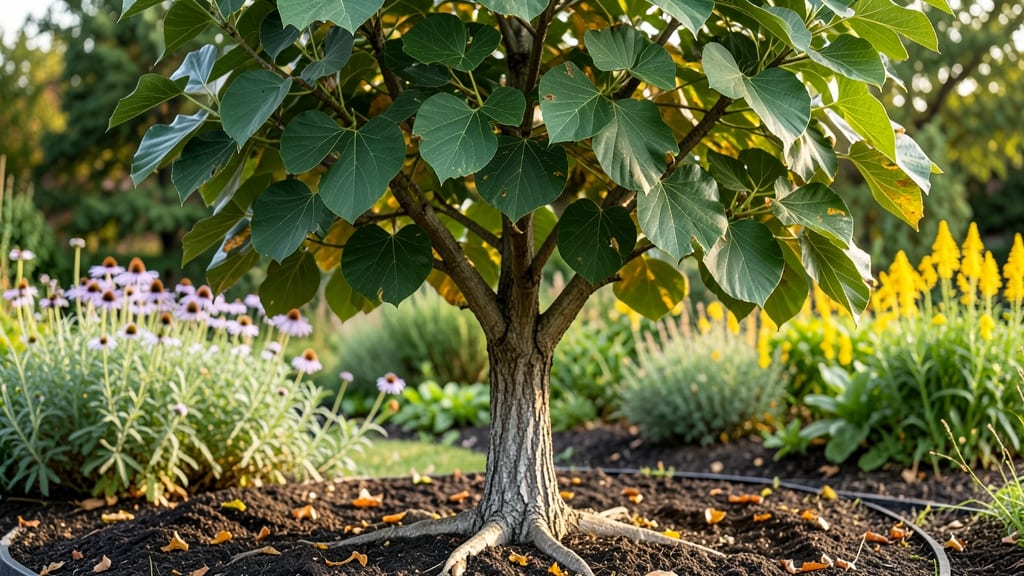
The velvety catalpa bignonioides leaf is the showstopper of summer—those heart-shaped giants with their dramatic seasonal color shifts. 🌿 I’ve watched mine transform from deep green to golden yellow, and the first sign of fungal spots always hits like a gut punch.
The good news? Copper spray isn’t just a cure—it’s a preventive game-changer when applied right.
Those broad leaves (up to 12 inches long) are stunning but vulnerable—especially when humidity lingers. Fungal spots start as tiny brown dots that multiply like weeds if ignored. I’ve learned the hard way that waiting until they spread turns a quick fix into a full-blown battle.
The secret? Spraying copper fungicide at the first sign of trouble, not when the leaves look like Swiss cheese.
Healthy catalpa leaves should stay glossy and vibrant through summer, only turning golden in fall. When you catch fungal spots early, you’ll see new growth emerge within 2-3 weeks—thick, disease-free, and ready to dazzle again.
The key is consistency: spray every 7-10 days during rainy seasons, and your tree will thank you with foliage that rivals any showstopper.
This method works for any catalpa variety, whether you’ve got a towering shade tree or a young sapling. The same copper spray technique prevents anthracnose and powdery mildew too—so you’re not just treating symptoms, you’re building resilience. Let’s get those leaves back to their glory days.
📚 In This Guide
- What you need
- Instructions
- Tips and common mistakes
- Wrapping up and next steps
What you need
- ● Copper fungicide spray: Choose a ready-to-use liquid copper fungicide (e.g., Copper Sulfate or Copper Hydroxide). Recommended concentration: 0.5–1.0% copper (check product label for exact dilution instructions).
- ● Garden sprayer: 1–2 hose-end or backpack sprayers (1–2 gallons capacity) for even coverage. Fine-mist nozzle to avoid runoff and ensure leaf penetration.
- ● Protective gear: 1 pair of nitrile gloves (to avoid skin irritation). 1 long-sleeve shirt and pants (copper can stain fabrics). 1 face mask or respirator (if handling copper sulfate powder).
- ● Water source: Access to a hose or watering can for rinsing tools/sprayers afterward.
- ● Pruning shears: 1 pair of sterilized shears (to remove severely infected leaves).
- ● Disposable containers: 1–2 small buckets or trays for mixing/diluting copper spray (if not pre-mixed).
- ● Soap solution: Mild dish soap (1 tsp per gallon of water) to reduce surface tension and improve spray adhesion.
- ● Sticky traps: Yellow or blue pest traps to monitor for secondary pests (like aphids) attracted to stressed plants.
- ● pH test kit: To check water pH (5.5–7.0)—copper works best in slightly acidic conditions.
- ● Labeling tape: To mark treated areas and track application dates.
Step-by-Step instructions for treating catalpa bignonioides leaf spot
Here’s how I tackle fungal spots on catalpa leaves—no guesswork, just targeted copper spray precision.
🌿 Step 1: Identify and Remove Severely Infected Leaves
Start by inspecting your catalpa tree for leaves with dark brown or black spots that may have yellow halos. These are classic signs of fungal leaf spot. Grab a pair of clean pruning shears or gloves—fungal spores spread easily, so avoid touching healthy leaves after handling infected ones.
Snip off any leaves with more than 50% damage at the base of the stem. Drop them directly into a sealed plastic bag for disposal. Don’t compost these—they’ll reinfect your garden. Focus on removing only the worst spots first; you’ll treat the rest with copper spray next.
💧 Step 2: Apply Copper Fungicide at the Right Time
Copper fungicide works best when applied in the early morning or late afternoon to avoid scorching leaves under direct sun. Mix the copper fungicide according to the label instructions—typically 1-2 tablespoons per gallon of water. Stir well to ensure even distribution.
Use a handheld sprayer with a fine mist nozzle to coat both the top and underside of every leaf. The undersides often harbor fungal spores, so don’t skip this step. Apply until leaves glisten slightly—this ensures full coverage. Avoid spraying when rain is forecast within 24 hours, as copper can wash off before it works.
☀️ Step 3: Improve Airflow and Monitor Progress
Fungal leaf spot thrives in damp, shaded conditions. After spraying, thin out any overcrowded branches to increase airflow around the tree. Aim for 6-12 inches of space between branches to let sunlight and air circulate freely. Prune in dry weather to prevent spreading spores.
Check your catalpa every 5-7 days for new spots. If you see fresh infections, repeat the copper spray treatment. Healthy leaves should start showing new growth within 2-3 weeks—this is your sign the treatment is working. Keep an eye out for webby growth on leaves, which could indicate a secondary pest issue.
✂️ Step 4: Prevent Future Outbreaks with Maintenance
Once your catalpa looks healthy again, focus on prevention. Apply a second copper spray treatment 7-10 days after the first to protect against lingering spores. After that, treat once every 4-6 weeks during the growing season as a preventive measure.
Water at the base of the tree in the morning to keep leaves dry, and avoid overhead irrigation. Mulch around the base with 2-3 inches of organic mulch to improve soil health and reduce stress on the tree. A strong catalpa resists disease better—so keep it well-fed and hydrated.
⏰ Step 5: Clean Up Fallen Leaves and Tools
Fungal spores overwinter on dead leaves and old plant debris. In late fall, rake up and dispose of all fallen leaves from under your catalpa. Bag them and toss them in the trash—do not compost. Clean your pruning tools with a 10% bleach solution or rubbing alcohol to kill any remaining spores.
Store your copper fungicide in a cool, dry place, and seal the container tightly. A little prevention now saves hours of cleanup next season. Your catalpa will reward you with lush, spot-free foliage year after year.
Tips & tricks for treating catalpa leaf fungal spots
Real talk: Fungal spots on catalpa leaves can spread faster than you think. These precision tips will help you tackle the problem without missing a beat.
Safety First: When removing infected leaves in Step 1, wear disposable gloves and double-bag the infected foliage. I learned this the hard way after accidentally spreading spores to my healthy hostas. Seal the bag tightly and toss it in the trash—don't risk composting, even if it's "green waste." The spores can survive composting and reinfect your garden.
Timing Secret: The 24-hour window after spraying is critical—don't let rain wash away your hard work. I always check the weather forecast before spraying and schedule my treatment for early morning when rain isn't predicted. If you must spray later in the day, avoid treating if rain is forecast within that 24-hour period. Copper needs time to bond with the leaf surface to work effectively.
Monitoring Progress: Those 5-7 day checks in Step 3 are your early warning system. Look for fresh spots that haven't had time to develop the classic yellow halo—these are new infections that need immediate attention. I keep a small notebook by my gardening tools to track which branches I've treated and when, so I can spot new outbreaks quickly. Healthy new growth appearing in 2-3 weeks is your best sign the treatment is working.
Preventive Maintenance: The 4-6 week schedule in Step 4 might seem frequent, but it's worth it. I treat my catalpa every 4 weeks during the growing season regardless of whether I see spots, because prevention is easier than cleanup. Think of it like taking vitamins—you don't wait until you're sick to start.
Pro Tips for Catalpa Bignonioides Leaf
- Real talk: Fungal spots on catalpa leaves can spread faster than you think.
- Safety First: When removing infected leaves in Step 1, wear disposable gloves and double-bag the infected foliage.
- Timing Secret: The 24-hour window after spraying is critical—don't let rain wash away your hard work.
Frequently asked questions
about managing Catalpa bignonioides leaf fungal spots with copper spray—and how to keep your tree thriving.When is the best time to apply copper spray to catalpa leaves?
The ideal timing is early spring (just before bud break) and late fall (after leaf drop). This prevents fungal spores from overwintering and gives the tree a fresh start. Avoid spraying during hot, dry weather—wait for mild, overcast days to minimize leaf burn. For active infections, apply at first signs of spots (yellow/brown patches) and repeat every 7–10 days until cured.
Can copper spray harm beneficial insects like bees or ladybugs?
Yes, copper can be toxic to pollinators and beneficial insects if applied during bloom or when they’re active. Timing is key: Spray before flowers open (early spring) or after blooms fade (late spring). If treating active spots, opt for evening applications when bees are less active. Always follow label rates—never exceed 1 tsp copper per gallon of water—to reduce harm.
What are the signs that copper spray isn’t working on my catalpa leaves?
If copper spray fails, watch for these red flags:
- Spots spreading rapidly (copper may not cover enough area).
- New leaves still developing spots (fungus is persistent; try a fungicide combo like copper + neem oil).
- Leaf drop or wilting (overapplication or drought stress).
Troubleshoot by pruning infected branches, improving airflow (thin dense foliage), and watering deeply at the base (not overhead). If severe, consult a local arborist for systemic fungicides.
Are there natural alternatives to copper spray for catalpa leaf spots?
Try these organic remedies first:
- Baking soda spray: Mix 1 tsp baking soda + 1 tbsp oil + 1 tsp soap per gallon of water. Spray undersides of leaves weekly.
- Neem oil: 1 tbsp neem oil + 1 tsp soap per quart of water. Reapply every 5–7 days.
- Milk spray: 1 part milk to 9 parts water (contains fungicidal properties). Test on a small area first!
Pro tip: Combine copper and neem for stubborn cases—alternate applications to avoid resistance.
How often should I prune catalpa trees to prevent fungal spots?
Prune once a year in late winter/early spring to:
- Remove dead, diseased, or crossing branches (improves airflow).
- Thin the canopy by 20–30% to reduce humidity (fungi love damp leaves!).
- Cut back overgrown branches to 1/3 of their length.
Sterilize pruners with rubbing alcohol between cuts to prevent spreading spores. Avoid pruning during wet weather—wait for dry conditions.
Wrapping up and next steps
Curing fungal spots on Catalpa bignonioides leaves with copper spray isn’t just effective—it’s empowering! 🌿 With the right materials, timing, and technique, you can restore your tree’s health and prevent future outbreaks. Remember, consistency is key, and early action saves time and stress.
Ready to take the next step? Monitor your tree weekly after treatment, and don’t hesitate to repeat the copper spray if needed. Your Catalpa will thank you with vibrant, disease-free foliage all season long! 🌟