
Leaf Blower
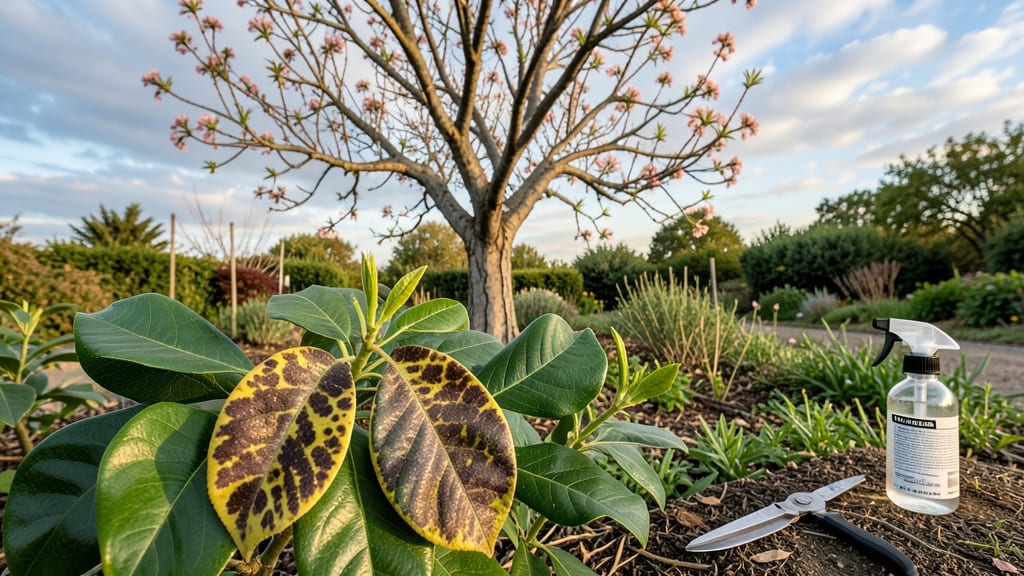
That first sight of brown spots on crepe myrtle leaves sent me scrambling for answers—until I discovered copper spray could stop cercospora leaf spot in its tracks. 🌿 The key isn't just spraying; it's timing, coverage, and understanding why this fungus targets your trees in the first place.
Crepe myrtles get cercospora when humid summers and poor airflow create the perfect fungal buffet. Thick foliage, overwatering, or planting too close together just makes it worse. I learned the hard way that waiting until spots spread means fighting a losing battle—early prevention is everything.
With the right copper spray and proper technique, you'll see new growth emerge clean and vibrant within weeks. The secret is consistent applications every 2-3 weeks during peak fungus season, plus pruning to improve airflow. It's not magic—it's science-backed precision.
This method works for backyard trees, community gardens, or even container-grown crepe myrtles. The best part? You'll keep your trees looking healthy without resorting to harsh chemicals that harm beneficial insects. Let's get those leaves back to their glossy best.
Why it happens
Cercospora leaf spot isn’t just a random nuisance—it’s a fungal party crashers that thrives on specific conditions. Understanding why it strikes your crepe myrtle is the first step to stopping it in its tracks. Let’s break down the key culprits and their sneaky strategies.
🌧️ Overly Wet Leaves
The Cercospora fungus loves moisture—think of it as a fungal sponge. When leaves stay wet for long periods (like after rain or frequent overhead watering), the spores germinate and spread like wildfire. Why? Wetness creates the perfect humidity (above 90%) for fungal spores to land, latch on, and multiply.
Even morning dew can be enough if it lingers until late afternoon.
Actionable insight: The fungus needs at least 6-12 hours of leaf wetness to infect. If your tree’s canopy stays damp, you’re rolling out the red carpet for Cercospora.
🌡️ Ideal Temperature Range
This fungus isn’t a fan of extreme heat or freezing temps—it’s a lukewarm-weather lover. The sweet spot for Cercospora? 70–85°F (21–29°C). Cooler mornings followed by warm, humid afternoons? Jackpot. The fungus also thrives in spring and fall, when temps are mild but still warm enough for growth.
Pro tip: If you’re in a region with long, humid summers, Cercospora can turn your crepe myrtle into a leaf-spotted mess. Monitor temps—if it’s consistently in that 70–85°F range with high humidity, watch for symptoms.
🌿 Poor Air Circulation
Fungal spores hate fresh air. Dense, crowded foliage or trees planted too close together trap moisture and block airflow. Without circulation, spores linger, and infected leaves don’t dry out. Even a single infected branch can spread spores to healthy parts of the tree if airflow is stagnant.
Key takeaway: Prune your crepe myrtle to open up the canopy (aim for a vase shape with spaced branches). If your tree is in a tight space, consider thinning nearby plants or relocating it for better airflow.
🍄 Previous Infection or Contaminated Tools
Once Cercospora takes hold, it doesn’t go quietly. Infected leaves, twigs, or even fallen debris can harbor spores for years. Worse?
Pruning shears, rakes, or even your hands can unwittingly spread the fungus to other plants. Why? The fungus overwinters in plant residue, ready to pounce when conditions are right.
Critical step: Always sterilize tools with a 10% bleach solution (1 part bleach to 9 parts water) or 70% rubbing alcohol between uses. Remove and dispose of infected leaves—don’t compost them!
🌱 Stressed or Weakened Trees
A healthy crepe myrtle is resilient, but stress opens the door for Cercospora. What stresses a tree?
- Drought: Wilting leaves lack the energy to fight off fungi.
- Poor soil: Compacted, nutrient-deficient, or overly wet soil weakens roots.
- Improper pruning: Over-pruning or cutting into old wood stresses the tree.
- Pests: Insects like aphids or scale can damage leaves, making them prime targets.
The weaker the tree, the easier it is for Cercospora to colonize and spread.
Defensive move: Keep your crepe myrtle well-watered (1–1.5 inches per week), mulched (2–4 inches of organic mulch), and fertilized (balanced NPK ratio in spring) to boost its natural defenses.
How to Treat and Prevent Fungal Spots
Fungal infections like Cercospora leaf spot can turn your crepe myrtle’s vibrant foliage into a sad, spotted mess—but don’t worry! With the right approach, you can reverse the damage, stop further spread, and keep your tree thriving.
Below, we break down practical solutions based on the root causes, from quick fixes to long-term prevention.
Cause: Fungal spores thrive on decaying plant matter. Fix: Prune and dispose of severely spotted leaves (don’t compost them—bag and trash them!).
- How to do it: 🍂 Use sterilized pruners (wipe with rubbing alcohol between cuts) to snip off leaves with large brown/black spots or yellowing edges.
- Pro tip: 💡 Focus on lower branches and shaded areas first—these are hotspots for fungal growth.
- When to act: Remove all infected leaves by late spring to break the spore cycle before summer rains.
Cause: Fungal spores need moisture to spread; copper disrupts their growth. Fix: Use a copper-based fungicide (like copper sulfate or copper hydroxide) for preventive and curative treatment.
- How to do it: 👨🍳 Mix 1 tbsp copper fungicide per gallon of water (follow label instructions). Spray early morning or late evening (avoid direct sun—it can burn leaves).
- Coverage matters: 🎯 Spray both sides of leaves and lightly mist the soil (fungi often lurk there). Reapply every 7–14 days during wet seasons.
- Pro tip: ✨ Add a drop of dish soap (1 tsp per gallon) to help the spray stick better to leaves.
Cause: Crowded, shaded crepe myrtles retain moisture, perfect for fungal growth. Fix: Thin out branches and prune for better airflow.
- How to do it: ⏰ Late winter or early spring (before new growth), remove:
- Crossing or rubbing branches (they create wounds).
- Overly dense foliage (aim for an open, vase-like shape).
- Light check: 🌞 Ensure your tree gets at least 6 hours of sunlight daily—fungi love damp, dark spots.
- Pro tip: 🔥 Space crepe myrtles 6–10 feet apart when planting to prevent future crowding.
Cause: Overhead watering or soggy soil fuels fungal spores. Fix: Water at the base and avoid wetting leaves.
- How to do it: 💦 Use a soaker hose or drip irrigation to water deeply but infrequently (1–2 inches per week).
- Avoid: ❌ Watering in the evening (leaves stay wet overnight).
- Pro tip: 🌡️ Check soil moisture before watering—stick your finger 2 inches deep; if it’s damp, wait.
Cause: Weak trees (from poor soil or stress) are easier targets. Fix: Boost your crepe myrtle’s health with these low-effort upgrades:
- Feed it right: 🍎 Use a balanced fertilizer (10-10-10) in early spring to encourage strong growth.
- Mulch properly: 🌿 Apply 2–3 inches of mulch (keep it 6 inches away from the trunk) to regulate soil moisture.
- Choose resistant varieties: 🌱 If replanting, opt for ‘Natchez’ or ‘Tonto’ crepe myrtles—they’re less susceptible to leaf spots.
If your tree is over 50% infected, large branches are dying, or you’ve tried everything without success, it’s time to consult an arborist. They can assess for advanced fungal spread or bacterial infections (which need stronger treatments).
Remember: Consistency is key! One treatment won’t cure it—prevention and repeated care will. With these steps, your crepe myrtle will bounce back with lush, spot-free leaves in no time! 🌿💚
Frequently asked questions about Cercospora leaf spot on crepe myrtle
What do cercospora leaf spots look like on my crepe myrtle?
Start with small, dark brown or black spots with yellow halos around them. As they spread, spots may merge into larger patches and cause leaves to yellow, wither, and drop prematurely. Check the undersides of leaves too—you might see grayish fungal growth in severe cases.
Can I still use my crepe myrtle for landscaping if it has cercospora?
Yes, but you'll need to treat it aggressively first. Infected trees can still provide beauty, but remove heavily spotted leaves and apply copper fungicide regularly. For severe cases, consider replacing the tree with resistant varieties like 'Natchez' if it's struggling to recover.
How often should I apply copper fungicide for prevention?
For prevention, apply copper fungicide every 2-3 weeks during spring and summer (peak fungus season). If treating an active infection, spray every 7-14 days until new growth appears. Always apply early morning or late evening to avoid leaf burn from sunlight.
Will my crepe myrtle recover completely from cercospora?
With early treatment, most trees recover fully, showing new healthy growth within 4-6 weeks. However, if over 50% of leaves are infected or branches are dying, recovery may be limited. Prune back infected areas and focus on strengthening the tree's health through proper watering and fertilization.
Are there organic alternatives to copper fungicide?
Yes! Try a baking soda spray (1 tbsp baking soda + 1 tsp dish soap + 1 gallon water) or neem oil (2 tbsp per gallon). These work best for mild infections and should be applied every 7-10 days. For severe cases, copper remains the most effective organic option.