
Aphids
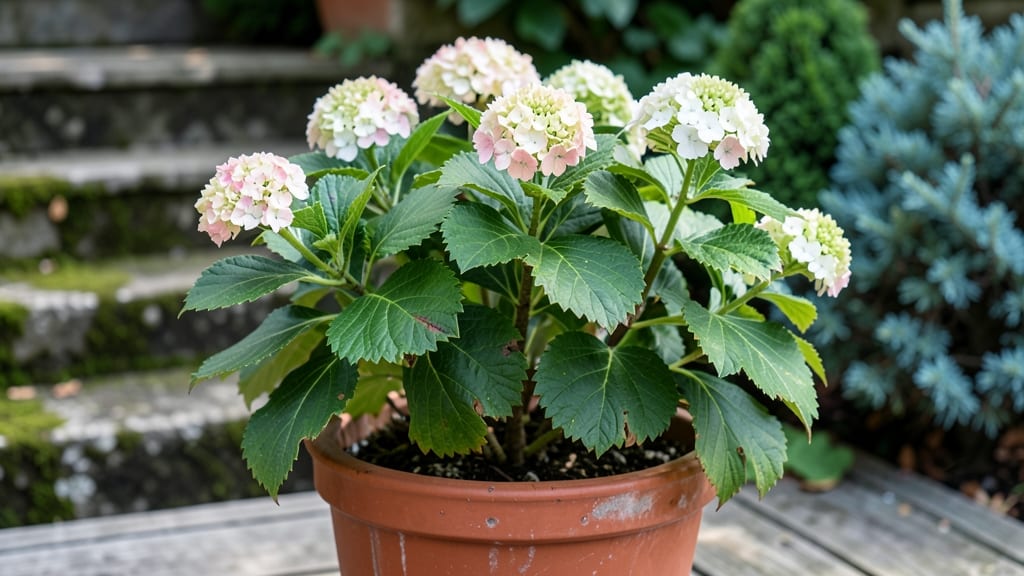
Growing a compact oakleaf hydrangea means year-round color with almost no fuss—its lobed leaves turn fiery red in fall, and the blooms last from summer through winter. 🌿 I’ve watched mine transform my shady corner from boring to breathtaking, all while requiring less pruning than most hydrangeas.
The secret lies in its adaptability: it thrives where others struggle, and its smaller size makes it perfect for tight spaces.
This hydrangea loves partial shade but handles full sun if given consistent moisture. Well-draining, slightly acidic soil keeps it happy, and once established, it’s drought-tolerant—though I still water deeply once a week during dry spells.
The real magic? Its minimal pruning needs: just shape it lightly in late winter, and it rewards you with clusters of white summer blooms that turn pinkish as they age.
By late summer, the show steals the show again—bold red foliage that lasts until frost, with occasional late-season blooms. Neighbors always ask how I keep my garden looking so vibrant this time of year.
The answer? This hydrangea does 90% of the work for you. Even in small gardens or containers, it delivers four-season interest with almost no effort.
One caveat: watch for aphids on new growth, but a strong spray of water usually clears them. If you’ve struggled with finicky hydrangeas before, this one’s your game-changer. Ready to add drama to your garden with minimal upkeep? Let’s get planting!
📚 In This Guide
- What you need
- Instructions
- Tips and common mistakes
- Wrapping up and next steps
What you need
- ● 1 compact oakleaf hydrangea plant (look for Hydrangea quercifolia cultivars like 'Pee Wee' or 'Snow Queen'—dwarf varieties stay under 3–4 feet tall).
- ● Well-draining potting mix or garden soil (amend with 3–5 lbs of compost per square foot if your soil is heavy clay).
- ● Mulch (2–3 inches) (pine bark, shredded leaves, or cocoa hulls work best—avoid fresh wood chips).
- ● Balanced fertilizer (10-10-10 or 20-20-20) (use ½ cup per plant in early spring and mid-summer).
- ○ Slow-release fertilizer granules (optional but helpful for steady growth—follow package rates).
- ● Garden trowel or transplant spade (for digging small holes).
- ● Gloves (to protect hands from thorns and soil).
- ● Watering can or hose with a gentle spray nozzle (hydrangeas hate soggy roots!).
- ● Pruning shears (sterilized with rubbing alcohol for clean cuts).
- ● Measuring tape or ruler (to ensure proper spacing—3–5 feet apart for dwarf varieties).
- ○ Staking (optional) (if your hydrangea leans—use 1–2 bamboo stakes and soft ties).
- ● Sunlight: Partial shade (morning sun + afternoon shade) is ideal—avoid harsh afternoon rays.
- ● Water: 1–1.5 inches per week (more in extreme heat; mulch helps retain moisture).
- ● pH preference: Slightly acidic to neutral (5.5–7.0)—test soil if unsure.
- ● Protection from wind (young plants can get stressed—plant near a fence or wall if needed).
Step-by-Step guide to planting and caring for compact oakleaf hydrangea
Here’s how to establish this stunning shrub with minimal fuss—perfect for small spaces and year-round interest.
🌱 Step 1: Select and Prepare the Planting Site
Compact oakleaf hydrangeas thrive in partial shade to full sun, but they reward you with the most vibrant fall foliage when planted in morning sun and afternoon shade. Choose a spot with well-draining soil—they hate soggy roots. If your soil is heavy clay, amend it with 2-3 inches of compost mixed into the top 12 inches of soil.
Dig a hole twice as wide as the root ball but only as deep. The top of the root ball should sit 1 inch above ground level—this prevents waterlogging and encourages strong root growth. Gently loosen the roots if they’re circling tightly in the container, but don’t tease them apart aggressively.
💧 Step 2: Plant and Water Thoroughly
Place the hydrangea in the hole and backfill with native soil, pressing lightly to eliminate air pockets. Water deeply until the soil is saturated 12 inches down—this encourages roots to grow downward rather than staying shallow. You’ll know it’s enough when water pools slightly on the surface for a few seconds before draining.
Mulch around the base with 2-3 inches of organic mulch (like shredded bark), keeping it 3 inches away from the stem to prevent rot. This helps retain moisture and regulates soil temperature. Avoid piling mulch against the trunk—it traps moisture and invites disease.
☀️ Step 3: Provide Seasonal Care for Year-Round Interest
Water deeply once a week during the first growing season, ensuring the top 6 inches of soil stay moist but not soggy. Once established, these hydrangeas are drought-tolerant, but their showy fall foliage depends on consistent moisture through summer. You’ll see the difference when leaves stay vibrant instead of wilting.
Fertilize lightly in early spring with a balanced, slow-release fertilizer (10-10-10). Too much nitrogen promotes leafy growth at the expense of flowers and fall color. Avoid fertilizing after mid-July—this encourages tender new growth that won’t survive winter.
✂️ Step 4: Prune Strategically for Shape and Health
Prune only in late winter or early spring (before new growth begins) to remove dead, crossing, or weak branches. Compact oakleaf hydrangeas bloom on old wood, so avoid heavy pruning—you’ll sacrifice next year’s flowers. Cut just above a bud or branch collar to encourage clean healing.
Shape the shrub lightly by trimming back overgrown branches to half their length if needed. This keeps the compact form while maintaining airflow. Never prune into the center—it creates a dense, shaded interior that invites pests and disease.
🌿 Step 5: Protect for Winter and Encourage Next Year’s Growth
Once leaves drop in fall, apply a 2-3 inch layer of mulch around the base to insulate roots from freezing temperatures. Compact oakleaf hydrangeas are hardy to USDA Zone 5, but young plants benefit from extra protection. Avoid heavy snow loads by gently shaking off accumulation.
In early spring, remove old flower heads (they’re not ornamental) but leave seed pods if you want birds to visit. Prune just before buds swell—this ensures you’re cutting back dead wood and not next year’s blooms. You’ll see fresh growth within 2-3 weeks, signaling the plant is waking up.
Tips & tricks for perfect compact oakleaf hydrangea planting
These insider strategies will help you coax the most vibrant foliage and blooms from your compact oakleaf hydrangea with minimal effort.
Soil Prep Secret: If your soil tests heavy or compact, mix in 2-3 inches of compost into the top 12 inches of soil before planting. This dramatically improves drainage while providing essential nutrients. For clay-heavy areas, consider adding a handful of perlite to the mix—it creates tiny air pockets that prevent waterlogging, which these hydrangeas absolutely despise. The goal is soil that feels like a well-drained sponge, not concrete.
Watering Wisdom: When you water to 12 inches deep in Step 2, use a soil probe or long screwdriver to verify saturation. If it comes out dry, keep watering in 5-minute increments until water pools on the surface. This deep watering routine mimics natural rainfall patterns and encourages roots to grow downward rather than staying shallow. You'll notice the difference in just a few weeks when the plant shows fewer signs of stress during dry spells.
Pruning Precision: In Step 4, when shaping branches, always cut at a 45-degree angle just above a bud or branch collar. This angled cut prevents water from pooling at the cut site, which reduces disease risk. I also recommend sterilizing your pruners with rubbing alcohol between cuts—this prevents spreading any potential bacterial infections between branches. The compact oakleaf's delicate blooms depend on clean cuts for healthy regrowth.
Winter Protection Hack: For young plants in Zone 5, create a temporary windbreak using burlap or frost cloth around the base after the first hard frost. This simple barrier can mean the difference between winter survival and spring setbacks. In early spring, remove the windbreak just before buds swell—this prevents trapped moisture that can cause rot. You'll see fresh growth within 2-3 weeks as a sign you've done it right.
Pro Tips for Compact Oakleaf Hydrangea
- These insider strategies will help you coax the most vibrant foliage and blooms from your compact oakleaf hydrangea with minimal effort.
- Soil Prep Secret: If your soil tests heavy or compact, mix in 2-3 inches of compost into the top 12 inches of soil before planting.
- Watering Wisdom: When you water to 12 inches deep in Step 2, use a soil probe or long screwdriver to verify saturation.
Frequently asked questions
Got questions about keeping your compact oakleaf hydrangea thriving? You’re not alone! Here are some of the most common queries—plus straightforward answers to help you grow with confidence.
How much sun does a compact oakleaf hydrangea need?
These hydrangeas are adaptable but thrive in partial shade (4–6 hours of sunlight daily). Too much direct sun can scorch leaves, while too little may reduce blooms. A spot with morning sun and afternoon shade is ideal for vibrant foliage and flowers.
When and how should I prune my compact oakleaf hydrangea?
Prune in late winter or early spring (before new growth starts) to shape the plant. Remove dead or crossing branches first, then trim back by 1/3 to encourage bushier growth. Avoid heavy pruning in fall—it can stimulate tender growth that may frost damage.
How often should I water my compact oakleaf hydrangea?
Water deeply once or twice a week, aiming for about 1–1.5 inches of water per session. Mulch around the base (2–3 inches) to retain moisture and regulate soil temperature. Drought-tolerant once established, but consistent watering keeps leaves lush and blooms abundant.
What pests or diseases should I watch for?
Common issues include aphids (sap-sucking insects) and powdery mildew (white fungal spots). Spray aphids off with water or use insecticidal soap. For mildew, improve airflow, avoid overhead watering, and apply fungicide if needed. Healthy soil and proper spacing prevent most problems!
Will my compact oakleaf hydrangea bloom every year?
Yes! Unlike some hydrangeas, compact oakleaf varieties bloom on old and new wood, so even if winter pruning trims last year’s stems, fresh blooms will emerge from new growth. Expect stunning summer flowers and fiery fall foliage—year after year with minimal fuss!
Wrapping up and next steps
The compact oakleaf hydrangea is a dream for gardeners who crave low-maintenance beauty with year-round appeal—its vibrant foliage, stunning fall colors, and minimal pruning needs make it a standout.
Whether you’re a beginner or a seasoned green thumb, this versatile shrub delivers drama without the drama, thriving in shade, heat, and even urban settings.
Ready to transform your space? Start small: plant one in a sunny or partially shaded spot, give it some love (and occasional pruning), and watch it flourish! 🌿 For extra inspiration, explore companion plants or creative container ideas to elevate your garden’s charm.