
Planting
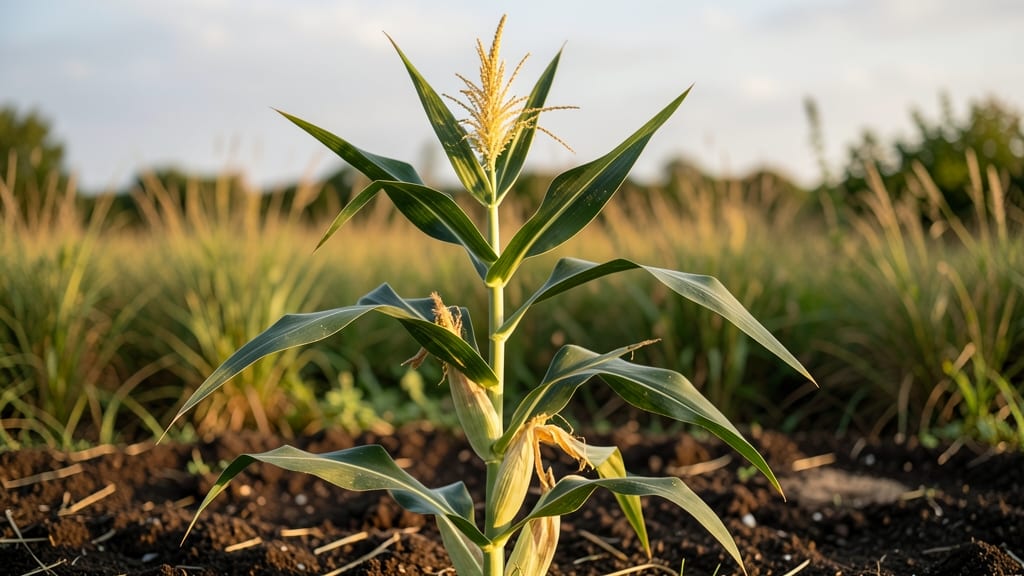
Growing a corn leaf plant means year-round drama with foliage that looks like it belongs in a rainforest—except it thrives on your windowsill. 🌿 I’ve had mine for five years, and it’s never once complained about my forgetful watering schedule or questionable light choices.
The secret to its success? Bright, indirect light (no harsh sun) and letting the top inch of soil dry out between waterings. Overwatering is the #1 killer—yellow leaves mean you’re drowning it.
A well-draining potting mix with perlite keeps roots happy, and moderate humidity (a pebble tray helps) prevents crispy edges. Once established, this plant grows 3-4 feet tall with glossy, arching leaves that catch the light like stained glass.
Prune leggy stems to encourage bushiness, and propagate cuttings in water for free plants. Just watch out—it’s toxic to pets if nibbled. Hardy enough for beginners but stylish enough for a designer’s shelf. Here’s how to keep yours thriving all year.
📚 In This Guide
- What you need
- Instructions
- Tips and common mistakes
- Wrapping up and next steps
What you need
- ● Corn leaf plant: 1 healthy nursery-grown plant (4–6 inches tall is ideal for beginners). Look for vibrant, deep green leaves with no brown edges or yellowing.
- ● Pot: 1 ceramic, terracotta, or fabric pot (6–8 inches in diameter) with drainage holes. Pro tip: Skip plastic—it traps moisture and can cause root rot! 💡
- ● Well-draining potting mix: 1 bag (5–10 quarts) of a cactus/succulent blend or a mix of 50% peat moss, 30% perlite, and 20% sand for aeration.
- ● Drainage material: Small pebbles, perlite, or broken pottery shards (½ inch layer) to prevent soggy roots.
- ○ Gloves: 1 pair (optional but recommended—corn leaf plants can irritate sensitive skin).
- ● Trowel: 1 small gardening trowel for repotting.
- ● Watering can or spray bottle: With a narrow spout for precise watering.
- ○ Humidity tray (optional): A shallow tray with pebbles and water to boost humidity in dry climates.
- ○ Grow lights (optional): LED or fluorescent light (12–14 hours/day) if natural light is <10 hours/day.
- ○ Fertilizer (optional): Balanced liquid fertilizer (20-20-20) or slow-release granules for occasional feeding.
Step-by-Step instructions for growing a thriving corn leaf plant
Here's how to coax that bold, architectural foliage into your space with just a few simple moves.
🌱 Step 1: Choose the Perfect Spot for Dramatic Growth
Corn leaf plants (Dracaena fragrans) need bright, indirect light to maintain their signature dark green, glossy leaves. Place yours near an east-facing window where it gets morning sun and gentle afternoon light—direct midday sun will scorch those striking leaves. If your space is dim, supplement with a grow light kept 12-18 inches away for 12-14 hours daily.
Watch for these cues: Leaves that pale or stretch toward the light mean it needs more brightness, while crispy edges signal too much sun. I like to rotate my plant a quarter turn weekly so all sides grow evenly—you'll notice the foliage stays fuller and more symmetrical.
💧 Step 2: Master the Watering Balance for Lush Foliage
Water when the top 2-3 inches of soil feel dry—stick your finger in to check, and if it comes out clean, it's time. Overwatering is the #1 killer of corn leaf plants, so I use a well-draining pot with drainage holes and let excess water drain completely away. During winter, when growth slows, let the soil dry out even more between waterings—every 2-3 weeks is typical.
Here's the thing—this plant stores water in its leaves, so it's more drought-tolerant than most. But if the leaves start drooping or turning brown at the tips, you've likely overdone it. Give it a good soak next time, but don't let it sit in soggy soil. A moisture meter helps me avoid guesswork.
☀️ Step 3: Feed and Prune for Year-Round Drama
Fertilize every 6-8 weeks during spring and summer with a balanced liquid fertilizer (10-10-10 or 20-20-20) diluted to half strength. I skip fertilizing in fall and winter when growth naturally slows. The key is consistency—too much fertilizer causes salt buildup, which burns roots and leaves.
Prune to encourage bushier growth by cutting back leggy stems just above a leaf node. You can also propagate these cuttings in water—just place them in a jar with 2-3 inches of water and watch roots develop in 2-3 weeks. This is where the fun happens: you end up with free plants for friends or extra drama in your own space.
✂️ Step 4: Dust and Clean for Peak Appearance
Dust those broad leaves every 2-3 weeks with a damp microfiber cloth—dust blocks light absorption and dulls the plant's signature gloss. Wipe gently but thoroughly, especially on the undersides where dust collects. I do this while watering, so it becomes part of my routine.
Occasionally, you might notice yellowing leaves at the bottom. Don't panic—this is natural as the plant matures. Simply snip them off at the base with clean scissors. This keeps your plant looking fresh and encourages new growth at the top. The goal is to maintain that architectural shape that makes corn leaf plants so stunning.
Tips & tricks for perfect corn leaf plant care
These simple moves will keep your corn leaf plant thriving with minimal effort—and prevent common mistakes that turn lush foliage into a sad, droopy mess.
Lighting Strategy: In Step 1, when positioning your plant near an east-facing window, pay attention to seasonal light changes. During winter months, when days are shorter, move your plant slightly closer to the window (about 6-12 inches) to compensate for reduced natural light. If using a grow light for 12-14 hours daily, position it just above the plant's height—this ensures even coverage without overheating the leaves.
Watering Wisdom: For Step 2's watering routine, I've found that testing soil moisture with your finger works best right after watering—press your finger in about 2 inches deep. If it feels damp, wait another day. The key is consistency: stick to the top 2-3 inches rule, but adjust slightly based on your home's humidity. In dry climates, you might need to water every 7-10 days, while humid environments may stretch that to every 2-3 weeks.
Fertilizer Timing: When fertilizing every 6-8 weeks in Step 3, I recommend setting phone reminders for spring and summer months. The diluted half-strength solution is crucial—full-strength fertilizer will burn your plant's roots. For extra insurance, always water your plant thoroughly before and after fertilizing to help distribute nutrients evenly and prevent salt buildup.
Pruning Payoff: In Step 3's pruning instructions, focus on cutting just above a leaf node when removing leggy stems. This is where new growth will sprout, creating bushier plants. For propagation, use clear jars so you can watch those roots develop in 2-3 weeks—it's surprisingly satisfying! Just be patient if roots take longer to appear, especially in cooler conditions.
Pro Tips for Corn Leaf Plant
- These simple moves will keep your corn leaf plant thriving with minimal effort—and prevent common mistakes that turn lush foliage into a sad, droopy mess.
- Lighting Strategy: In Step 1, when positioning your plant near an east-facing window, pay attention to seasonal light changes.
- Watering Wisdom: For Step 2's watering routine, I've found that testing soil moisture with your finger works best right after watering—press your finger in about 2 inches deep.
Frequently asked questions
Got questions about growing corn leaf plants? You’re not alone! Here are the most common queries—plus quick, easy answers to keep your foliage thriving with minimal fuss.
How fast does a corn leaf plant grow, and how big will it get?
A corn leaf plant (Dracaena fragrans) grows at a moderate pace—expect 6–12 inches per year under ideal conditions. Mature plants typically reach 4–6 feet tall indoors, with some varieties stretching up to 10 feet in bright, spacious environments. Patience pays off, though! Slow growth is normal if light or nutrients are limited.
When is the best time to plant or repot a corn leaf plant?
The spring or early summer (March–May) is ideal for planting or repotting, as warmer temps and longer daylight hours encourage root growth. Avoid repotting during winter dormancy—your plant will thank you! If you must repot in cooler months, use fresh potting mix and keep it in a warm, bright spot to prevent shock.
Why are my corn leaf plant’s tips turning brown? What’s wrong?
Brown tips are usually a sign of underwatering or overwatering, but also check for:
- Low humidity: Use a pebble tray or humidifier.
- Hard water: Brown edges can mean fluoride buildup—try distilled water.
- Sunburn: Move it away from harsh, direct light.
Can I grow a corn leaf plant outdoors, or is it strictly an indoor plant?
Corn leaf plants are tropical natives, so they thrive indoors year-round in USDA zones 10–12. Outdoors, they need protection from frost, wind, and extreme heat—think shaded patios or greenhouses. In cooler climates, treat it as a seasonal porch plant and bring it inside before temps drop below 50°F.
What’s the easiest way to propagate a corn leaf plant?
Propagate via stem cuttings—here’s how:
- Snip a healthy stem just below a node (where leaves grow).
- Remove lower leaves, leaving 2–3 at the top.
- Dip the cut end in rooting hormone (optional but helpful!).
- Plant in moist potting mix or water (for water propagation).
- Keep in bright, indirect light and mist occasionally. Roots form in 4–8 weeks!
Wrapping up and next steps
Growing a corn leaf plant (Dracaena fragrans 'Massangeana') is a rewarding way to bring bold, architectural beauty to your space with minimal fuss. 🌿 Whether you're a seasoned plant parent or just starting, its resilience and striking foliage make it a perfect addition to any home or office.
With the right light, water, and care, you’ll enjoy its dramatic leaves for years—and maybe even inspire others to embrace low-maintenance greenery!
Ready to take the next step? Start by choosing your favorite pot and variety, then follow the tips above to create the ideal growing conditions. Before you know it, your corn plant will be thriving—and you’ll be the proud gardener behind the drama! 🌟