
Plants
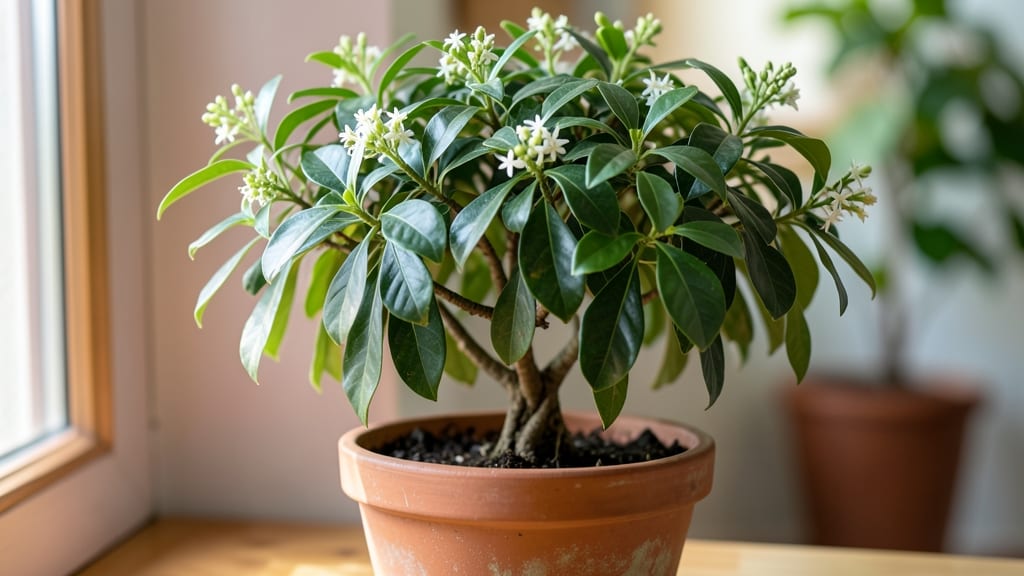
Your curry leaf plant’s drooping leaves might be screaming for help—not with water, but with the right kind of care. 🌿 I’ve nursed back more than a dozen of these fragrant plants from limp to lush, and the fix often comes down to a simple rehydration trick that targets the root of the problem (literally).
The first step is diagnosing whether your plant is thirsty or drowning. Stick your finger an inch into the soil—if it’s bone-dry, it’s underwatered; if it’s soggy, you’ve overdone it. Curry leaves hate soggy feet but also can’t handle drought, so finding that middle ground is key.
Most drooping happens when roots struggle to absorb moisture, whether from compacted soil or inconsistent watering. Once you’ve adjusted the watering routine, give the plant a deep soak until water runs out the drainage hole. Then, let the top inch dry before watering again.
Within 3-5 days, those leaves should perk up as the roots recover. The secret weapon? A light misting of leaves in the morning to boost humidity—curry plants love it tropical. This trick works for both potted plants and those in garden beds.
The key is consistency: once your plant’s back to its vibrant self, stick to a weekly watering schedule in summer and biweekly in cooler months. Your kitchen will thank you too—nothing beats fresh curry leaves for flavor!
Root Causes Of Wilting Leaves
When your curry leaf plant’s leaves start drooping, it’s often a cry for help from its roots—or a sign of stress from above. Understanding the exact trigger is key to reviving your plant’s vibrant green health.
Below, we break down the most common reasons why those leaves lose their perk, complete with science-backed explanations and actionable clues to spot the issue early.
Curry leaf plants (Murraya koenigii) are tropical but hate soggy roots. Overwatering or compacted, waterlogged soil suffocates the roots, cutting off oxygen and triggering droop as the plant gasps for air.
Why it happens:
- Root asphyxiation: Excess water displaces oxygen in the soil, forcing roots to switch to anaerobic respiration (inefficient and toxic to the plant).
- Fungal infections: Stagnant moisture breeds Phytophthora or Pythium, rotting roots and blocking nutrient uptake.
- Salt buildup: Over-fertilized or tap-water-heavy soil leaves behind salts that dehydrate root cells, even if the soil feels wet.
How to spot it:
- Soil smells musty or sour.
- Leaves yellow and droop (not just wilt).
- Roots appear mushy or black when checked.
While curry leaves tolerate drought better than overwatering, prolonged dryness or scorching heat forces leaves to conserve water by wilting. Think of it as the plant’s version of closing its mouth to save moisture.
Why it happens:
- Transpiration imbalance: Leaves lose water faster than roots can absorb it, especially in dry or windy conditions.
- Cell turgor loss: Guard cells in leaves shrink when dehydrated, causing the leaf blade to fold or droop.
- Heat shock: Temperatures above 90°F (32°C) damage cell membranes, disrupting water transport in the xylem vessels.
How to spot it:
- Soil feels bone-dry 1–2 inches deep.
- Drooping happens during the day (not at night).
- Leaf edges turn crispy or brown.
Curry leaves thrive in 70–85°F (21–29°C) and 60–70% humidity. Sudden drops below 60°F (15°C) or spikes above 95°F (35°C) throw the plant into survival mode, causing leaves to droop as a stress response.
Why it happens:
- Cold stress: Chilly nights (<60°F) slow metabolic processes, including water uptake. Roots may even freeze in extreme cases.
- Low humidity: Dry air increases transpiration rates, dehydrating leaves faster than roots can replenish water.
- Drafts or AC vents: Cold air from windows or fans creates localized temperature shocks, mimicking frostbite for the plant.
How to spot it:
- Drooping worsens at night or in cooler rooms.
- New growth appears stunted or purple-tinged.
- Leaves feel dry or papery to the touch.
Curry leaf plants grow slowly but hate being root-bound. When roots circle the pot or hit a hard barrier (like plastic walls), they struggle to access water and nutrients, leading to wilting.
Why it happens:
- Circular root growth: Roots grow in tight loops, strangling themselves and reducing surface area for water absorption.
- Limited oxygen: Compacted roots deplete soil oxygen faster, especially in small pots.
- Nutrient starvation: Roots can’t spread to explore fresh soil, leading to micronutrient deficiencies (e.g., potassium or magnesium).
How to spot it:
- Roots emerge from drainage holes or crack the pot.
- Soil dries out too quickly (even with regular watering).
- Drooping is uniform across the plant (not just one branch).
Sap-sucking pests (like mealybugs or scale insects) or soil-borne pathogens (e.g., root-knot nematodes) weaken the plant’s vascular system, disrupting water flow and causing leaves to droop.
Why it happens:
- Pests: Insects like mealybugs inject toxins or block stomata (leaf pores), reducing photosynthesis and water regulation.
- Fungal/bacterial infections: Fusarium wilt or bacterial leaf blight clog xylem vessels, preventing water transport.
- Root damage: Nematodes or grubs chew on roots, reducing their ability to absorb water.
How to spot it:
- Sticky residue (honeydew) on leaves or ants (pest sign).
- Black spots or lesions on stems/leaves.
- Drooping paired with yellowing or stunted growth.
Revive Your Drooping Curry Leaves
When your curry leaf plant’s leaves start drooping, it’s a clear SOS—but don’t panic! With the right care, you can nurse it back to health and restore those vibrant, fragrant leaves. Below are targeted fixes for common causes, along with preventive tips to keep your plant thriving long-term.
Signs: Yellowing leaves, mushy stems, or a foul smell from the soil.
How to Fix It:
- 🚰 Stop Watering Immediately
- Let the top 1–2 inches of soil dry out completely before watering again. Curry leaf plants prefer dry spells between waterings.
- 🌱 Improve Drainage
- Repot in a well-draining mix (50% cactus/succulent soil + 50% perlite or coconut coir).
- Add a layer of gravel or broken pottery at the bottom of the pot to prevent root rot.
- 🔄 Repot if Necessary
- If roots are black/mushy, trim them with sterilized scissors, dust with cinnamon (natural antifungal), and repot in fresh soil.
💡 Prevention Tip:
- Water only when the soil is bone-dry—stick your finger in 2 inches deep. If it’s damp, wait!
Signs: Crispy leaf edges, wilting despite dry soil, or leaves curling inward.
How to Fix It:
- 💦 Hydrate Deeply
- Water thoroughly until it drains from the bottom. Curry leaves store water, but they need a good soak when dry.
- 🌿 Mist the Leaves (Temporarily)
- While roots rehydrate, mist the leaves daily to mimic humidity. Avoid soggy soil, though!
- 🌱 Check Root Health
- If roots are shriveled or pulling away from the pot, soak the entire root ball in room-temperature water for 10–15 minutes.
💡 Prevention Tip:
- Group plants together to create natural humidity. A pebble tray with water nearby also helps!
Signs: Sudden wilting, leaf scorch (brown edges), or droop even after watering.
How to Fix It:
- 🏡 Move to a Stable Spot
- Ideal temps: 60–85°F (15–30°C). Avoid drafts, AC vents, or direct sun near windows.
- 🌿 Provide Shade if Needed
- If leaves are scorched, move to partial shade (morning sun + afternoon filter). Use a light sheer curtain if indoors.
- 🚿 Cool Root Recovery
- For heat stress: Place the pot in a shallow tray of water for 30 mins to cool roots.
- For cold shock: Gradually acclimate to warmth (e.g., move indoors if temps drop below 50°F/10°C).
💡 Prevention Tip:
- Avoid sudden changes—if moving outdoors, do it gradually over 1–2 weeks.
Signs: Pale yellow leaves, slow growth, or droop despite proper watering.
How to Fix It:
- 🍽️ Feed with the Right Fertilizer
- Use a balanced liquid fertilizer (10-10-10 or 20-20-20) diluted to half-strength every 4–6 weeks in growing season (spring–summer).
- 🌿 Boost with Organic Matter
- Mix compost or worm castings into the soil for slow-release nutrients.
- 🔍 Check for Pests
- Yellowing leaves can signal aphids or mites. Spray with neem oil or rinse leaves with soapy water.
💡 Prevention Tip:
- Fertilize lightly—curry plants are low-maintenance! Over-fertilizing burns roots.
Signs: Drooping after repotting, stunted growth, or roots circling the pot.
How to Fix It:
- 🌱 Loosen Roots Gently
- If roots are tightly bound, tease them apart before repotting to encourage spread.
- 🏡 Use the Right Pot Size
- Choose a pot only 1–2 inches larger than the current one. Curry plants hate soggy pots—opt for terracotta for better drainage.
- 🌿 Trim Damaged Roots
- If roots are black or mushy, trim them with clean scissors and repot in fresh, dry soil.
💡 Prevention Tip:
- Repot every 2–3 years or when roots peek out of drainage holes.
If your curry leaf plant is beyond saving, don’t toss it! Propagate from cuttings to grow a new one:
- 🔪 Snip a 4–6 inch healthy stem just below a leaf node.
- 🌱 Dip in rooting hormone (optional) and plant in sandy soil.
- 💧 Keep soil moist (not soggy) and place in bright, indirect light.
- 🌿 Roots should form in 2–4 weeks—transplant when established!
🎯 Final Pro Tip: Keep a plant care journal! Note watering, sunlight, and fertilizing schedules to spot patterns and prevent future droop. With these fixes, your curry leaf plant will bounce back stronger than ever—and you’ll enjoy fresh, fragrant leaves for years!
Frequently asked questions
Why do my curry leaf plant leaves droop in the morning but perk up later?
Morning droop is often normal due to transpiration loss overnight. As leaves release moisture through stomata, they temporarily wilt until roots rehydrate. If leaves stay droopy all day or feel crispy, it signals underwatering—give the soil a deep soak until water drains through the bottom.
Can I save a curry leaf plant with completely black, mushy roots?
It depends on how much healthy root remains. Trim all black/mushy roots with sterilized scissors, dust with cinnamon (natural antifungal), and repot in fresh, well-draining soil. If 50%+ roots are healthy, it can recover with proper care. For severe cases, try propagating from healthy stem cuttings instead.
How often should I fertilize a drooping curry leaf plant?
Wait until the plant shows new growth—then use a balanced liquid fertilizer (10-10-10) at half-strength every 6-8 weeks during spring/summer. Over-fertilizing stressed plants worsens root burn. For recovery, focus first on water/drainage before adding nutrients.
Will pruning help a drooping curry leaf plant recover faster?
Pruning stimulates new growth but only after addressing root health. Trim 1/3 of the drooping leaves to redirect energy to healthier parts. Avoid heavy pruning during stress—wait until the plant shows signs of recovery (firm stems, perky leaves) before shaping.
Can I use tap water for my curry leaf plant if it's causing drooping?
Tap water with high chlorine or salts can stress roots. Try rainwater or filtered water instead. If using tap, let it sit 24 hours before watering to reduce chemicals. For severe cases, flush the soil with distilled water to remove buildup.