
Pests and Diseases
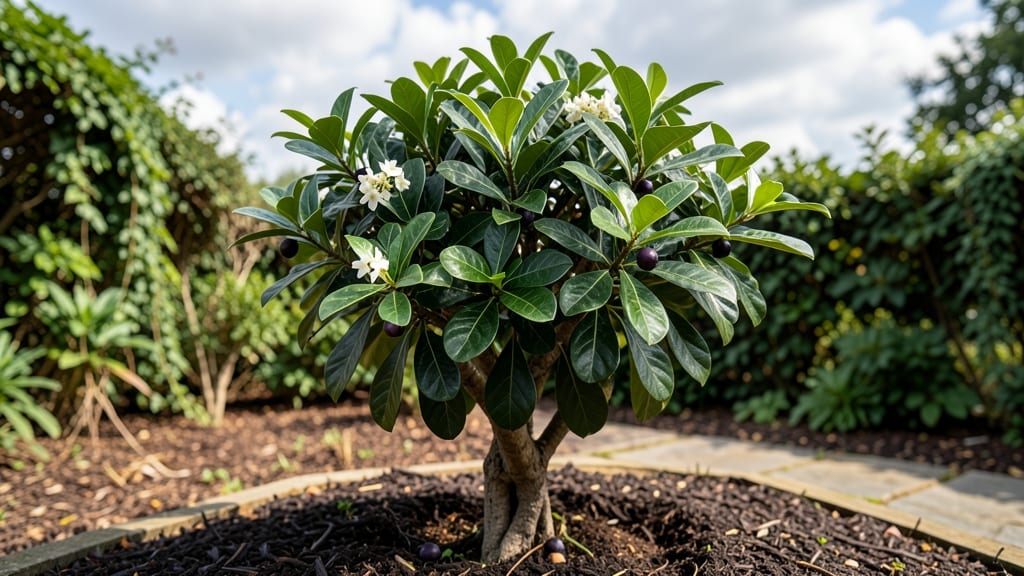
Growing curry leaf plants in San Francisco’s coastal climate means embracing their tropical roots while working with the city’s fog and temperature swings. 🌿 These fragrant trees thrive in containers or small in-ground spots, but their frost sensitivity means winter care is key—especially in Zone 9 microclimates like the Sunset District.
The secret? Mimicking their native humidity and warmth, even when temps dip below 50°F.
You’ll need well-draining soil (mix in compost for that rich, slightly acidic profile), a sunny spot with at least 6 hours of direct light, and regular watering—though they hate soggy roots.
Local nurseries like The Plant in Berkeley or Urban Sprout in SF carry young plants, and propagation from cuttings is easier than you’d think. The payoff? Fresh, aromatic leaves for curries, chutneys, and even cocktails—right from your balcony or backyard.
Watch for spider mites in dry summer months and fungal issues if water pools at the base. A light spray of neem oil keeps pests at bay, and mulching helps retain moisture during the city’s occasional heatwaves.
With the right setup, your curry leaf plant will reward you with year-round harvests—even through San Francisco’s chilliest winters.
For container growers, overwintering indoors near a bright window (or under grow lights) is a game-changer. And if you’re lucky enough to have a sheltered microclimate, a small in-ground planting can thrive with a frost cloth on standby.
The key? Treat it like the pampered tropical it is, and it’ll flourish like the heart of a Bay Area kitchen garden.
📚 In This Guide
- What you need
- Instructions
- Tips and common mistakes
- Wrapping up and next steps
What you need
- ● Curry leaf plant (Murraya koenigii) – Start with a healthy, disease-free sapling (available at local nurseries like San Francisco Botanical Garden or online). Quantity: 1-3 plants (depending on space).
- ● Well-draining potting mix – A blend of cactus/succulent soil (60%) + perlite/vermiculite (30%) + compost (10%) for optimal aeration. Quantity: 2-3 gallons per plant.
- ● Containers or garden bed – Containers: 5-gallon pots or larger (with drainage holes) for urban setups.
- ● Garden beds: 6+ inches deep, in a sunny, sheltered spot (SF’s coastal winds can be tricky!).
- ● Slow-release fertilizer – Balanced (10-10-10) or organic options like fish emulsion. Quantity: 1 tbsp per plant (sprinkled into soil at planting).
- ● Pruning shears – Sharp, sterilized for trimming (curry leaves grow fast!).
- ○ Mulch (optional but recommended) – Organic mulch (e.g., shredded bark) to retain moisture and regulate soil temp. Quantity: 1-2 inches around the base.
- ● Windbreak (if outdoors) – Bamboo stakes or a lightweight fence to protect from coastal winds (curry leaves are delicate!).
- ● Drip irrigation or watering can – Avoid overhead watering to prevent fungal issues (SF’s foggy mornings can be damp!).
- ● Neem oil or insecticidal soap – Preemptive pest control for aphids or spider mites (common in SF’s mild winters). Quantity: 1 bottle (for treatment as needed).
- ● Grow lights (for indoor setups) – LED full-spectrum if natural light is limited (e.g., apartments).
- ● Soil moisture meter – Curry leaves hate soggy roots—this ensures you’re watering just right!
- ● Compost tea – Boosts soil microbes for healthier growth (especially in SF’s nutrient-rich but fast-draining soil).
Step-by-step guide to growing curry leaf plants in San Francisco’s coastal climate
San Francisco’s mild, foggy summers and cool winters make curry leaf plants thrive with the right approach.
🌱 Step 1: Select the Right Variety and Planting Time
Choose a healthy, disease-free curry leaf plant from a nursery that specializes in tropical plants. In San Francisco’s USDA Zone 9b-10a, plant in late spring after the last frost date (around mid-April) to avoid cold snaps. The key is timing—curry leaf plants (Murraya koenigii) need warmth to establish roots, but they also appreciate the coastal climate’s humidity.
If starting from seed (less common), expect 6-8 weeks of germination at 75-80°F—not ideal for San Francisco’s cooler nights. Instead, opt for a 1-2 year old potted plant from a local grower like Urban Farmstead or Planting Fields. These plants adapt better to the foggy conditions and are less stressed.
☀️ Step 2: Choose the Perfect Spot for Light and Shelter
Curry leaf plants crave full sun (6+ hours daily), but San Francisco’s fog can block sunlight. Place your plant in a south-facing location where it gets morning sun and afternoon shade—this balances warmth and protection from intense afternoon rays. A sheltered patio or courtyard works well, especially if it’s near a wall that absorbs and reflects heat.
If your garden gets consistent coastal fog, supplement with a grow light (14-16 hours/day) during cloudy stretches. You’ll notice leaves turning pale or stretching toward light—this is your cue to adjust. Mulch the base with 2-3 inches of organic mulch to retain soil moisture and regulate temperature, which is crucial in San Francisco’s temperature swings.
💧 Step 3: Water and Fertilize for Coastal Conditions
Water deeply once a week (or every 5-7 days) during dry spells, ensuring the top 2 inches of soil feel dry before watering again. Curry leaf plants hate soggy roots, so well-draining soil is a must—amend with perlite or sand if your native soil is heavy. In foggy San Francisco summers, you might reduce watering to every 10 days once established, as humidity keeps roots moist.
Feed with a balanced liquid fertilizer (10-10-10) every 4-6 weeks during the growing season (spring through fall). In winter, cut back to once every 8 weeks. Over-fertilizing leads to salt buildup, which curry leaf plants are sensitive to. Look for yellowing leaves or brown tips—this often signals overwatering or fertilizer burn.
✂️ Step 4: Prune and Protect for Year-Round Growth
Prune lightly in early spring to encourage bushier growth. Remove any dead, yellow, or diseased leaves with clean, sharp pruners. Curry leaf plants respond well to light trimming—never cut more than one-third of the plant at once. This keeps the plant compact and encourages new leaf production, which is where the flavor comes from.
In San Francisco’s cool winters (40-50°F), bring potted plants indoors if temperatures drop below 45°F. Place them near a sunny window or under grow lights to maintain growth. If left outside, protect from chilly winds with a lightweight frost cloth or move to a sheltered spot. You’ll see new growth slow in winter, but the plant will rebound in spring with proper care.
🪴 Step 5: Harvest and Maintain for Long-Term Productivity
Harvest leaves year-round by pinching off individual leaves or small stems. The plant produces new leaves quickly, so don’t take more than 20-30% of the foliage at once. Young leaves are the most flavorful—use them fresh in curries or dry them for later. To dry, tie small bundles and hang upside down in a dark, well-ventilated space for 1-2 weeks until crisp.
Repot every 2-3 years in spring if roots are crowded. Choose a pot 2-3 inches larger than the current one with drainage holes. San Francisco’s soil can be nutrient-poor, so refresh with compost before repotting. A thriving curry leaf plant in your garden will reward you with aromatic leaves for years—just keep it happy with the right balance of sun, water, and protection from coastal extremes.
Tips & tricks for thriving curry leaf plants in San Francisco’s coastal climate
San Francisco’s unique microclimate can be tricky for tropical plants—but curry leaf plants actually love it when you get the details right. Here’s what I’ve learned after helping local gardeners make these fragrant plants flourish.
Light Strategy: The 6+ hours of sun requirement is non-negotiable, but San Francisco’s fog means you’ll need to be strategic. Position your plant where it catches morning sun (when fog is thinner) and afternoon shade from nearby structures. I’ve seen plants in courtyard spots near south-facing walls thrive because the wall reflects additional warmth. If your location gets heavy fog, supplement with a grow light for those 14-16 hours per day during persistent cloud cover—just don’t let the leaves touch the bulb.
Soil and Drainage: Curry leaf plants despise soggy roots, so your soil preparation matters more than you might think. Mix in 20-30% perlite or coarse sand to create that well-draining environment. In San Francisco’s heavy clay soils, I’ve had success using raised beds or containers with drainage holes. The 2-3 inches of organic mulch isn’t just for moisture—it also helps regulate soil temperature swings that happen with coastal fog rolling in and out.
Winter Protection: That 45°F threshold isn’t arbitrary—it’s when curry leaf plants start showing stress. I’ve learned this the hard way with wilted leaves when temperatures dipped slightly lower. For potted plants, move them to a sunny indoor spot with grow lights if you’re expecting nights below 45°F. For in-ground plants, a lightweight frost cloth draped over the plant (like a tent) works wonders—just remember to remove it during the day so the plant gets sunlight.
Harvesting Wisdom: The 20-30% foliage limit during harvest might seem restrictive, but trust me—it’s what keeps your plant productive long-term. I’ve noticed that plants where we took too much foliage at once produced smaller, less flavorful leaves for months afterward. For drying, use young leaves—they contain the highest concentration of essential oils. Hang them in small bundles (3-5 leaves) to maintain airflow and prevent mold, which is especially important in San Francisco’s humid summers.
Pro Tips for Curry Leaf San Francisco Ca
- San Francisco’s unique microclimate can be tricky for tropical plants—but curry leaf plants actually love it when you get the details right.
- Light Strategy: The 6+ hours of sun requirement is non-negotiable, but San Francisco’s fog means you’ll need to be strategic.
- Soil and Drainage: Curry leaf plants despise soggy roots, so your soil preparation matters more than you might think.
Frequently asked questions
Got questions about growing curry leaf plants in San Francisco’s unique climate? Here are some common concerns—and answers—to help you thrive!
What’s the best temperature range for curry leaf plants in San Francisco?
Curry leaf plants (Murraya koenigii) love warmth but can handle San Francisco’s coastal chill. Aim for 60–90°F (15–32°C) during the day, with nighttime temps above 50°F (10°C). If frost threatens (rare but possible in inland areas), bring potted plants indoors or cover them with frost cloth.
How do I prevent pests like spider mites or aphids in my curry leaf plant?
San Francisco’s mild, humid summers can attract pests. Inspect leaves regularly—look for webbing (mites) or sticky residue (aphids). Neem oil spray or insecticidal soap works well. For severe infestations, introduce beneficial insects like ladybugs or rinse leaves with water. Keep plants healthy with balanced fertilizer to boost natural resistance!
How long does it take for a curry leaf plant to bear leaves in San Francisco?
With proper care, you’ll see new leaves in 6–12 months from transplanting. Patience is key—young plants focus on root growth first. If your plant isn’t leafing out, check for overwatering (root rot risk!), insufficient sunlight, or nutrient deficiencies. A slow start? Try a light fertilizer boost with nitrogen.
Can I grow curry leaves in containers in San Francisco’s windy areas?
Containers are ideal for SF’s coastal winds—just choose a 15+ gallon pot with drainage holes and use well-draining soil. Place pots near a south-facing wall or balcony for protection. Windbreaks (like trellises or mesh screens) can help too. Rotate pots occasionally for even growth.
What can I do if my curry leaf plant’s leaves turn yellow?
Yellow leaves usually signal overwatering, underwatering, or nutrient issues. Check the soil—it should be slightly moist but not soggy. Adjust your watering schedule (every 1–2 weeks in SF’s cooler months). If leaves are yellow with brown edges, it’s often low humidity or salt buildup. Flush the soil with water and consider a humidifier nearby or misting.
Wrapping up and next steps
Growing curry leaf plants in San Francisco’s coastal climate is totally doable with the right care—just watch for pests like spider mites and fungal diseases, and stay proactive with organic solutions! 🌿 With your newfound knowledge, you’re ready to nurture a thriving curry leaf tree that’ll reward you with fragrant leaves for years. Next up: grab those pruning shears and give your plant a little TLC—your kitchen (and taste buds) will thank you!
- Pro tip: Keep an eye on humidity levels—curry leaves love it!
- Bonus: Share your harvest with neighbors or local chefs for extra bragging rights. 😉