
Plants
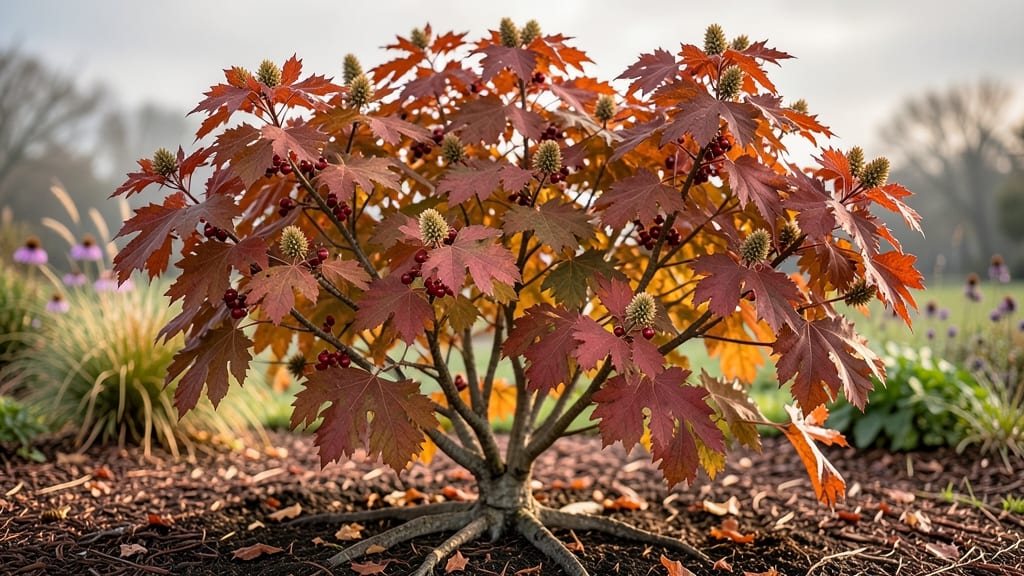
This cutleaf staghorn sumac transforms any yard into a fiery autumn masterpiece with its bold, lobed foliage that burns red-orange by fall. 🌿 I planted mine in a sunny corner last spring, and now it’s the showstopper of my landscape—no fuss, just drama.
The secret lies in its adaptability: it thrives in poor soil, tolerates drought, and handles both sun and shade with ease.
You’ll need full sun for the best color, but it’s forgiving if you plant it in partial shade—just expect slightly less vibrant foliage. The soil doesn’t need to be rich; in fact, it prefers well-draining ground, even rocky spots.
Once established, it’s nearly indestructible, making it perfect for beginners or those who want low-maintenance beauty.
By late summer, you’ll see clusters of bright red berries that persist into winter, adding texture and color when most plants have gone dormant. The fall foliage alone makes it worth growing, but its year-round structure and wildlife benefits (birds love the berries) seal the deal.
Whether you’re adding height to a border, creating a focal point, or filling a tough spot in your yard, this sumac delivers effortless elegance. Just give it space—it grows 6–12 feet tall and wide—and watch it become the backbone of your landscape.
📚 In This Guide
- What you need
- Instructions
- Tips and common mistakes
- Wrapping up and next steps
What you need
- ● Cutleaf staghorn sumac plants: 1–3 nursery-grown plants (check for healthy roots and vibrant foliage).
- ● Well-draining soil: Native soil or a mix of 60% topsoil, 30% compost, and 10% coarse sand (pH 6.0–7.5).
- ● Mulch: 2–3 inches of wood chips or pine straw to retain moisture and suppress weeds.
- ● Garden gloves (heavy-duty, for thorn protection!).
- ● Shovel & trowel (for planting and soil prep).
- ● Watering can or hose with a gentle nozzle (sumac hates soggy roots!).
- ● Pruners (sterilized, for shaping or removing dead growth).
- ● Measuring tape (to space plants 10–15 feet apart for full growth).
- ● Drought-resistant ground cover (e.g., sedum or clover) to reduce competition.
- ● Slow-release fertilizer (balanced 10-10-10, sprinkle lightly in early spring).
- ● Bird feeder (sumac berries attract wildlife—bonus for pollinators!).
How to grow cutleaf staghorn sumac: a zero-fuss perennial
This drought-tolerant beauty thrives with minimal fuss—just sunlight, space, and patience.
☀️ Step 1: Pick the Perfect Sunlit Spot
Cutleaf staghorn sumac loves full sun—at least 6-8 hours daily. I always scout the sunniest corner of my yard, where other plants struggle, because this sumac will flourish there. Avoid low spots where water pools after rain; its roots hate soggy soil.
Check the area in late afternoon when shadows are longest. If you see more than 2 hours of shade anywhere in the planting zone, move to a sunnier location. The plant’s dramatic foliage and bright red berries reward full sun exposure with maximum vibrancy.
🪴 Step 2: Prepare the Soil (It’s Easier Than You Think)
Sumac adapts to almost any soil, but it grows best in well-draining, slightly dry conditions. Dig a hole twice as wide as the root ball but only as deep. This prevents burying the plant too deeply, which can cause rot.
If your soil is heavy clay, mix in 2-3 inches of compost or coarse sand to improve drainage. I skip fertilizing at planting—sumac doesn’t need it. Just loosen the soil around the edges of the hole so roots can spread easily. The plant’s natural hardiness means you won’t need to fuss over soil amendments later.
🌱 Step 3: Plant and Water (Then Step Back)
Gently remove the sumac from its container and tease apart any circling roots. Place it in the hole so the top of the root ball sits just below soil level. Backfill with native soil, pressing lightly to eliminate air pockets. Water deeply until moisture reaches 6 inches down—you’ll see the soil darken around the edges of the hole.
After planting, water again in 7-10 days to encourage root growth. That’s it—no weekly watering or special care. Sumac stores water in its stems, so it thrives on neglect once established. If your area gets less than 1 inch of rain weekly, give it a deep drink every 2-3 weeks during the first growing season.
✂️ Step 4: Prune for Shape (Optional but Rewarding)
Sumac rarely needs pruning, but you can shape it in late winter or early spring before new growth starts. Cut back any dead or crossing branches with clean, sharp pruners. I avoid heavy pruning—this plant grows fast and fills out naturally.
If you want a more compact look, trim back 1/3 of the oldest stems to the ground in early spring. The plant will send up fresh shoots, creating a bushier appearance. Never prune in fall—new growth won’t harden off before winter, and cold damage can occur.
🌿 Step 5: Let It Grow Wild (With Minimal Maintenance)
Sumac’s real magic happens when you let it be. Once established, it needs almost no care. Watch for bright red berry clusters in fall—birds love them, and they add stunning color to winter landscapes.
If you notice yellowing leaves, it’s usually a sign of overwatering. Sumac prefers dry conditions, so cut back on watering if the soil stays damp for more than a few days. Mulch lightly with 2 inches of wood chips or gravel to keep roots cool in summer and prevent weeds—just don’t pile mulch against the stem.
Tips & tricks for perfect cutleaf staghorn sumac growth
Here's what nobody tells you about growing this stunning, low-maintenance shrub—tricks that'll make all the difference between a struggling plant and a showstopper.
Sunlight Strategy: I learned this the hard way after watching a sumac I planted in partial shade struggle for years. That 6-8 hours of full sun isn't just ideal—it's essential. If your yard lacks a true sun spot, consider placing it where it gets morning sun and afternoon shade. The key is avoiding deep shade periods longer than 2 hours anywhere in its planting zone. Trust me, the dramatic foliage and berry production will reward you handsomely.
Soil Secret: The instructions mention well-draining soil, but here's the real trick: sumac actually prefers soil that's on the drier side. If your area gets frequent rainfall, create a slight mound when planting to help water run off. I've seen sumac thrive in rocky, sandy soil where other plants fail—just avoid waterlogged spots at all costs. That 2-3 inches of compost or sand for clay soil is a game-changer for root health.
Watering Wisdom: Between us, I've overwatered sumac more times than I'd like to admit. The 7-10 day watering interval after planting is crucial—don't deviate from this. Once established, let the plant tell you when it needs water. Stick your finger 2 inches into the soil; if it's dry, give it a deep drink. The plant's natural drought tolerance means you'll rarely need to water after the first season. Yellowing leaves? That's your plant screaming "stop the water!"
Pruning Pro Tip: When shaping your sumac in early spring, focus on removing only the 1/3 oldest stems—never more. I've seen gardeners get overzealous and cut back too much, which stunts new growth. Use clean, sharp pruners and make cuts just above a leaf node. The plant will reward you with vigorous new shoots. And remember: never prune in fall—this is a cardinal rule for avoiding winter damage.
Pro Tips for Cutleaf Staghorn Sumac
- Here's what nobody tells you about growing this stunning, low-maintenance shrub—tricks that'll make all the difference between a struggling plant and a showstopper.
- Sunlight Strategy: I learned this the hard way after watching a sumac I planted in partial shade struggle for years.
- Soil Secret: The instructions mention well-draining soil, but here's the real trick: sumac actually prefers soil that's on the drier side.
Frequently asked questions
Got questions about growing cutleaf staghorn sumac? You’re not alone! Here are some common ones—and their answers—to help you cultivate this striking native shrub with confidence.
Is cutleaf staghorn sumac easy to grow for beginners?
This hardy perennial thrives in full sun to partial shade and tolerates poor, dry soil—making it perfect for low-maintenance gardens. Just avoid soggy roots, and you’re golden. Pro tip: Plant in well-draining soil to prevent rot, especially in clay-heavy areas.
How fast does cutleaf staghorn sumac spread?
It grows at a moderate pace—about 2–3 feet per year under ideal conditions. While it’s not invasive, it can form dense thickets over time. To control spread, prune back stems in late winter or early spring. Warning: Avoid over-pruning, as sumac relies on older stems for energy.
When is the best time to harvest sumac berries for tea?
Harvest red drupes (the “berries”) in late summer to early fall when they’re fully ripe but still firm. Rinse them thoroughly to remove hairs, then dry in a single layer. Fun fact: These berries make a caffeine-free, tangy tea—just steep 1 tbsp per cup of boiling water!
Can I grow cutleaf staghorn sumac in containers?
Yes, but expect slower growth. Use a large pot (15+ gallons) with drainage holes and well-draining soil. Repot every 2–3 years or prune roots if roots circle. Note: Containers dry out faster—water deeply when the top 2 inches of soil feel dry.
Are there any pests or diseases I should watch for?
Sumac is highly resistant to pests, but watch for aphids or sumac borers in stressed plants. Treat infestations with neem oil. Fungal issues (like powdery mildew) can occur in shady, humid spots—improve airflow to prevent them. Prevention tip: Space plants 3–6 feet apart for airflow.
What’s a good alternative if I want a similar-looking plant?
Try fragrant sumac (Rhus aromatica) for a low-growing, fragrant option or smooth sumac (Rhus glabra) for a taller, drought-tolerant choice. Both offer bold foliage and wildlife benefits. Bonus: All sumacs support birds and pollinators!
Wrapping up and next steps
The cutleaf staghorn sumac is a stunning, low-maintenance perennial that brings bold color and texture to any landscape—without the fuss! With its striking foliage, wildlife-friendly benefits, and adaptability, it’s the perfect addition for gardeners of all levels.
Whether you’re a seasoned pro or just starting out, this hardy plant rewards patience with minimal effort and maximum impact. 🌿
Ready to transform your garden? Grab your gloves, pick a sunny spot, and plant your sumac today! Watch as it thrives with almost no care—nature’s way of saying, "You’ve got this!" 🌟