
Neem Oil
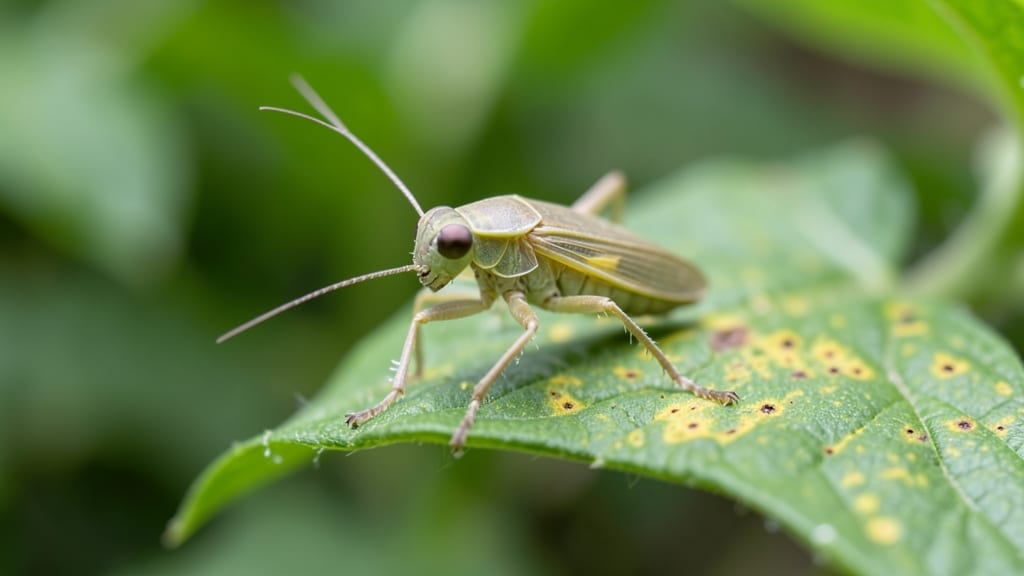
Neem oil for leafhoppers is the game-changer I wish I'd known about when my tomato plants looked like Swiss cheese. 🌱 Those tiny black specks don't just nibble—they spread diseases and stunt growth, but neem oil disrupts their life cycle without harsh chemicals.
The best part? You'll see results within 24-48 hours of proper application.
Here's the secret: neem oil works best when mixed with a bit of dish soap (just a teaspoon per quart) to help it stick to leaf surfaces.
You'll need 1 tablespoon of neem oil per quart of water, a spray bottle, and a quiet evening to apply it—leafhoppers are less active at dusk. The smell is strong but temporary, and it won't harm bees or beneficial insects if applied correctly.
After one treatment, you'll notice fewer hoppers jumping around, and after three applications spaced 5-7 days apart, most infestations disappear completely. The plants start looking healthier almost immediately—the leaves stop curling, and new growth appears stronger. It's not just about killing pests; it's about restoring your plants' vitality.
For stubborn cases, combine neem oil with kaolin clay or neem cake as a soil drench. The clay creates a protective barrier while the neem cake feeds beneficial microbes. Just remember: always test your spray on a small leaf first, and avoid applying when flowers are open to protect pollinators.
Your garden will thank you for this natural, fast-acting solution.
📚 In This Guide
- What you need
- Instructions
- Tips and common mistakes
- Wrapping up and next steps
What you need
- ● Neem oil (100% pure, cold-pressed): 1–2 bottles (16–32 oz each). Look for Azadirachta indica oil with at least 30% azadirachtin content for maximum efficacy.
- ● Water: 1 gallon (3.8 liters) per application. Use dechlorinated water (let tap water sit out for 24 hours or use filtered water).
- ● Spray bottle or garden sprayer: A 1–2 gallon pump sprayer (for larger areas) or a 16–32 oz handheld spray bottle (for smaller plants). Choose one with a fine mist nozzle for even coverage.
- ● Dish soap or liquid soap (organic, unscented): 1 teaspoon. Helps the neem oil adhere to leaf surfaces.
- ● Protective gear: Nitrile or rubber gloves (1 pair)
- ● Long-sleeved clothing
- ○ Safety goggles (optional but recommended)
- ● Alcohol or rubbing alcohol (70% isopropyl): 1 small bottle (for cleaning sprayer nozzles between uses).
- ● Horticultural oil or vegetable oil (like coconut or olive oil): 1 tablespoon (to boost the oil’s sticking power in humid conditions).
- ● Labeling tape and marker: To mark treated plants and avoid reapplication.
- ● Fan or gentle breeze: Helps dry the spray faster (especially useful in damp climates).
Step-by-step instructions for making a neem oil leafhopper spray
Here's how to whip up a fast-acting, organic spray that knocks down leafhopper populations within days.
🌿 Step 1: Mix the Base Solution
Combine 1 tablespoon neem oil with 1 teaspoon mild liquid soap in a 1-quart spray bottle. The soap acts as an emulsifier, helping the oil disperse evenly in water. I always use unscented Castile soap—fragrances can irritate plants or attract pests. Fill the bottle the rest of the way with lukewarm water (around 70°F), leaving about an inch of space at the top for shaking.
Gently swirl the bottle until the oil and water blend completely. You'll see a milky consistency—this means the solution is ready. If you notice separation later, just give it a good shake before each use. This mix covers about 4 gallons of plant foliage, so you'll have enough for multiple treatments.
💧 Step 2: Apply the Spray at the Right Time
Wait until early morning or late afternoon when temperatures are below 85°F. Leafhoppers are most active in direct sunlight, so spraying during peak heat stresses plants and reduces effectiveness. Hold the bottle 12-18 inches away from foliage and apply until leaves glisten with moisture—this ensures full coverage of both upper and lower surfaces where leafhoppers hide.
Focus on new growth, undersides of leaves, and flower buds—these are prime leafhopper hotspots. A light misting is better than soaking; you want the spray to coat the pests without creating prolonged leaf wetness, which can lead to fungal issues. Reapply every 5-7 days until the infestation clears. You'll know it's working when you see fewer hoppers jumping around and new growth appears healthier within a week.
✂️ Step 3: Enhance Effectiveness with Companion Techniques
While the neem oil works, prune and remove heavily infested leaves immediately after spraying. Drop them in a sealed bag—this prevents leafhoppers from crawling back onto your plants. For severe cases, I also add 1 teaspoon garlic oil to the mix (optional). Garlic repels pests while adding another layer of organic protection, but test it on a small area first to check for sensitivity.
After treatment, water plants at the base (not overhead) to rinse off any residual spray. This prevents the oil from clinging to leaves longer than necessary. If you notice new leafhopper activity after 2 weeks, repeat the spray and check for ant infestations—leafhoppers often hitch rides on ants. A diatomaceous earth barrier around the base can help break this cycle.
☀️ Step 4: Monitor and Prevent Reinfestation
Keep an eye on treated plants for 3-5 days after the final spray. Look for sticky residue (honeydew) on leaves—a sign leafhoppers are still present. If you spot honeydew, wipe it off with a damp cloth and reapply the neem spray. Healthy plants bounce back faster, so water deeply once a week to encourage strong growth, which leafhoppers find less appealing.
To prevent future infestations, install yellow sticky traps near affected plants. Leafhoppers are attracted to yellow and get trapped before they can multiply. I also rotate crops annually if gardening in the same spot—leafhoppers target specific host plants, so breaking their life cycle helps. Store leftover neem oil in a cool, dark place for up to 6 months, but remix with fresh water before each use for best results.
Tips & tricks for fast-acting neem oil sprays
Real talk: The speed of this solution comes down to these small but critical details that most guides skip.
Temperature Matters: That 70°F lukewarm water isn't just arbitrary—it activates the neem oil's active compounds more effectively than cold water. If you're working in cooler conditions, let the water sit for 5 minutes after heating to reach the perfect temperature. Cold water makes the solution less effective, while water hotter than 85°F can damage plant tissues and reduce the spray's potency.
Shake Like You Mean It: After mixing, give the bottle a vigorous shake for at least 30 seconds—this ensures the neem oil fully emulsifies with the water. I've seen people skip this and end up with a solution that separates after just a few uses. Store the bottle upside down between uses to prevent separation. When you notice the milky consistency fading, shake again before spraying.
Timing Secret: The 5-7 day reapplication window works best when you time it right. Spray in the morning so the leaves have time to dry completely before evening dew forms. This prevents fungal growth while maximizing the neem oil's contact time with leafhoppers. If you're dealing with a severe infestation, you might need to spray every 4-5 days initially—just watch for signs of stress on your plants.
Optional Boost: For stubborn infestations, consider adding 1 teaspoon garlic oil to your quart bottle—it acts as a natural insect repellent that complements the neem oil. Test on a small leaf first, though, as some plants can be sensitive to garlic's strong compounds. This optional addition can cut your treatment time by nearly half in severe cases.
Pro Tips for Neem Oil For Leafhoppers
- Real talk: The speed of this solution comes down to these small but critical details that most guides skip.
- Temperature Matters: That 70°F lukewarm water isn't just arbitrary—it activates the neem oil's active compounds more effectively than cold water.
- Shake Like You Mean It: After mixing, give the bottle a vigorous shake for at least 30 seconds—this ensures the neem oil fully emulsifies with the water.
Frequently asked questions
Got questions about using neem oil for leafhoppers?
You’re not alone! Here are answers to the most common concerns—from safety to effectiveness—so you can tackle those pesky pests with confidence.
How soon will neem oil kill leafhoppers after spraying?
Neem oil works as both a repellent and a growth inhibitor, but it’s not an instant kill. You’ll typically see a reduction in leafhopper numbers within 24–48 hours, with full control (including eggs) taking 5–7 days of repeated applications. Consistency is key—spray every 5–7 days during outbreaks.
Can I use neem oil on edible plants like vegetables or fruits?
Yes! Neem oil is organic and food-safe when used correctly, but there are a few rules:
- Harvest timing: Wait 3–5 days after spraying before picking fruits/veggies.
- Avoid flowers: Don’t spray directly on blooming plants (it can harm pollinators).
- Dilution: Use the 1–2 tbsp per gallon ratio to minimize residue.
Will rain wash away neem oil before it works?
Rain can reduce neem oil’s effectiveness, but it’s not a total washout. For best results:
- Apply neem oil early in the morning or late afternoon to avoid evaporation.
- Avoid spraying if rain is forecasted within 24 hours.
- Reapply after heavy rain (every 3–5 days) to maintain protection.
Is neem oil safe for bees and other beneficial insects?
Neem oil is low-toxicity to bees when used properly, but precautions matter:
- Timing: Spray after sunset or before dawn when bees are less active.
- Avoid flowers: Never apply directly to blooming plants (focus on leafy growth).
- Alternatives: For flowering plants, try soapy water or kaolin clay instead.
What if neem oil doesn’t work? Are there other organic options?
If leafhoppers persist after 2–3 neem treatments, try these organic alternatives:
- Insecticidal soap: Effective for nymphs (mix 1 tbsp soap + 1 quart water).
- Kaolin clay: Creates a barrier leafhoppers hate (spray on foliage).
- Diatomaceous earth (DE): Sprinkle lightly on soil (avoid direct plant contact).
- Beneficial insects: Introduce ladybugs or lacewings (natural predators).
Wrapping up and next steps
Neem oil is a powerful, eco-friendly weapon against leafhoppers, offering a natural, chemical-free way to protect your plants without harming the environment. 🌿 With its repellent, growth-disrupting, and antifungal properties, it’s a versatile solution for gardeners who prioritize sustainability.
Whether you’re dealing with a minor outbreak or a full-blown infestation, consistency and proper application are key to success.
Ready to reclaim your garden? Start with a small test spray on one affected plant, monitor results, and scale up as needed. With a little patience and persistence, you’ll see those pesky leafhoppers retreat—and your plants thrive! 🌱