
Pests and Diseases
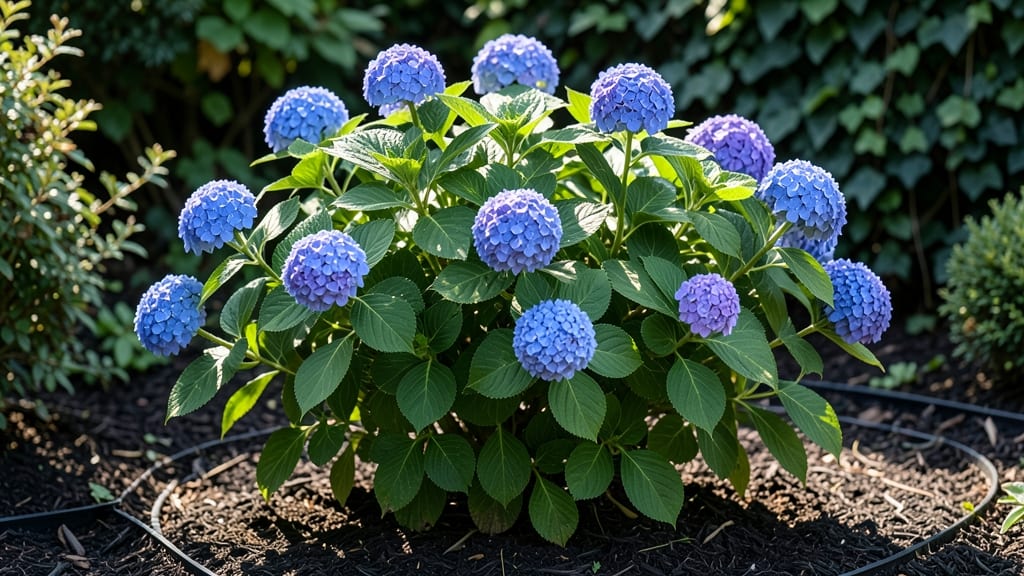
Caring for an Eclipse Bigleaf Hydrangea means unlocking year-round foliage that stays vibrant even when blooms fade. 🌿 This variety stands out because its deep purple leaves hold their color through winter, while its summer blooms add a stunning contrast.
The secret lies in mimicking its natural habitat—rich, moist soil, partial shade, and consistent care that adapts with the seasons.
Most gardeners overwater or prune at the wrong time, which is why so many struggle with this plant. Eclipse Hydrangeas thrive in morning sun and afternoon shade, with soil that stays evenly moist but never soggy.
A 3-inch layer of mulch in spring keeps roots cool and conserves moisture, while regular feeding with balanced fertilizer (10-10-10) in early spring promotes lush foliage and abundant blooms. By late summer, you’ll notice clusters of lavender-blue flowers emerging—these last until frost, but the real star is the foliage.
Prune right after blooming to shape the plant and encourage next year’s growth, but avoid heavy cuts that sacrifice those stunning leaves. The key is light pruning to maintain structure while preserving the plant’s natural beauty.
Winter care is where many gardeners miss the mark. Eclipse Hydrangeas are hardy to Zone 5, but in colder regions, wrap the base with burlap or use a thick layer of straw mulch to protect roots from freezing.
With these adjustments, your plant will reward you with deep purple foliage that stays vibrant all winter long—something most hydrangeas can’t match.
📚 In This Guide
- What you need
- Instructions
- Tips and common mistakes
- Wrapping up and next steps
What you need
- ● Eclipse Hydrangea Plant: 1 mature plant (5-gallon size or larger for best results).
- ● Well-draining potting mix: 5+ gallons of peat-based or acidic soil mix (pH 5.2–6.0).
- ● Container or garden bed: For containers: 15+ gallon pot with drainage holes (terracotta or fabric preferred).
- ● For garden planting: Space at least 3–5 feet apart in partial shade.
- ● Organic mulch: 2–3 inches of pine bark, wood chips, or shredded leaves to retain moisture.
- ● Watering can or hose with nozzle: For deep, consistent hydration.
- ● Fertilizer: Acid-loving plant fertilizer: 10-10-10 or hydrangea-specific formula (apply 2–3 times per year).
- ○ Aluminum sulfate (optional): 1–2 tbsp per gallon of water to boost blue blooms (if desired).
- ● Pruning shears: Sharp, bypass pruners (sterilized with rubbing alcohol).
- ● Gloves & protective clothing: For handling mulch or pruning.
- ● Soil pH test kit: To monitor acidity levels (ideal: 5.2–6.0).
- ● Slow-release fertilizer spikes: For hassle-free nutrient delivery.
- ● Plant support (stakes or cages): If stems grow heavy with blooms.
- ● Fungicide (copper-based): For preventive care in humid climates.
- ● Misting bottle: To increase humidity around leaves in dry conditions.
Step-by-Step guide to Eclipse big leaf hydrangea care
Here’s how I’ve kept my Eclipse hydrangeas thriving with vibrant foliage year-round—no guesswork involved.
🪴 Step 1: Choose the Perfect Planting Location
Eclipse hydrangeas demand partial shade—think morning sun with afternoon shade or dappled light under taller trees. I’ve found the sweet spot is 4-6 hours of direct sunlight daily, but never scorching afternoon rays. If your yard is full sun, plant near a north-facing wall or under a deciduous tree that filters light in summer.
Test your spot by observing how light shifts throughout the day. The ideal location will show moist, slightly shaded soil even in peak summer. If your yard is too shady, don’t worry—Eclipse tolerates full shade but may produce fewer blooms. The key is consistent moisture, not sunlight intensity.
☀️ Step 2: Master Moisture Without Overwatering
Eclipse hydrangeas hate dry soil but drown in soggy roots. Water deeply once a week during dry spells, aiming for 1-1.5 inches of moisture per week. Check by sticking your finger 2 inches into the soil—if it feels dry, water thoroughly until it drains from the bottom of the pot or soil line.
I use a soaker hose for established plants to deliver water at the root zone without wetting leaves, which prevents fungal issues. Mulch with 3 inches of organic mulch (like shredded bark) to lock in moisture and regulate soil temperature. Avoid mulching too close to the stem—keep it 2-3 inches away to prevent rot.
🌱 Step 3: Feed for Foliage, Not Just Flowers
Eclipse hydrangeas are prized for their year-round foliage, so I focus on balanced fertilization rather than bloom-heavy mixes. In early spring, apply a slow-release, acidic fertilizer (like 10-10-10) at half the recommended rate. The goal is to encourage leafy growth, not just blooms.
I also top-dress with 1-2 inches of compost in spring and fall to improve soil structure and acidity. Eclipse thrives in soil pH 5.5-6.2—test your soil annually and amend with sulfur or peat moss if needed. Yellowing leaves often signal iron deficiency, which responds well to a chelated iron supplement applied in early summer.
✂️ Step 4: Prune Strategically for Year-Round Color
Unlike flowering hydrangeas, Eclipse’s foliage is the star, so pruning is about shape and health, not bloom control. I prune once a year in late winter or early spring (before new growth starts) to remove dead, crossing, or weak branches. Never prune into old wood—Eclipse blooms on new growth, so focus on outer stems to encourage bushiness.
Use clean, sharp pruners to make cuts at a 45-degree angle just above a leaf node. Avoid heavy pruning—Eclipse responds better to light shaping than drastic cuts. If you see bare stems, it’s a sign the plant needs more sunlight or fertilizer.
⏰ Step 5: Winterize for Cold Hardiness
Eclipse hydrangeas are hardy to USDA Zone 4, but young plants or harsh winters need extra care. In late fall, apply a 3-inch layer of mulch around the base to insulate roots. I also water deeply before the ground freezes to prevent winter desiccation.
If your winters drop below -10°F, wrap the canes loosely with burlap or frost cloth to protect them from cracking. Avoid heavy mulch piles against the stem—2-3 inches is plenty. In early spring, remove winter protection once new growth appears, usually by late March or April in most climates.
Tips & tricks for perfect Eclipse big leaf hydrangea care
Here's what nobody tells you about keeping your Eclipse hydrangeas vibrant all year—these are the details that make the difference between good and show-stopping foliage.
Light Observation: The 4-6 hours of sunlight in Step 1 isn't just about quantity—it's about quality. I've learned to watch for the "golden hour" rule: if your plant gets harsh afternoon sun (after 2 PM), you'll notice leaf scorch by mid-summer. The solution? Move it to a spot where the sun hits before noon, or use a sheer curtain to filter light during peak hours. This subtle adjustment prevents the crispy edges that ruin the lush look.
Moisture Monitoring: That 1-1.5 inches of weekly moisture in Step 2 is a guideline, not a rule. I check soil moisture every morning at the same time—if the top 2 inches feel dry by 10 AM, I water immediately. The key is consistency: Eclipse hydrangeas develop deep roots, but they need reliable moisture at the surface. I've found that watering in the early morning prevents fungal issues and gives roots time to absorb before evening heat evaporates the water.
Fertilizer Timing: The early spring application in Step 3 is crucial, but I've discovered the real secret is the timing within that window. Apply fertilizer when you see the first signs of new growth—usually when you spot tiny leaf buds swelling on the stems. This synchronizes nutrient availability with the plant's natural growth cycle. I also split my fertilizer into two applications: half in early spring and half in early summer, which prevents nutrient burn while maintaining steady growth.
Pruning Precision: When pruning in late winter/early spring (Step 4), focus on creating an open center rather than just removing dead branches. I make my cuts just above a leaf node at a 45-degree angle to encourage outward growth. The goal is to let light and air circulate to the center of the plant—this prevents fungal issues and keeps the foliage dense. I've seen dramatic differences in plant health after implementing this technique, especially in humid climates.
Pro Tips for Eclipse Big Leaf Hydrangea Care
- Here's what nobody tells you about keeping your Eclipse hydrangeas vibrant all year—these are the details that make the difference between good and show-stopping foliage.
- Light Observation: The 4-6 hours of sunlight in Step 1 isn't just about quantity—it's about quality.
- Moisture Monitoring: That 1-1.5 inches of weekly moisture in Step 2 is a guideline, not a rule.
Frequently asked questions
about Eclipse Big Leaf Hydrangea care—because even the hardiest plants need a little TLC! Here are answers to the most common queries to keep your Hydrangea macrophylla 'Eclipse' thriving year-round.Why are my Eclipse hydrangea leaves turning brown or yellow?
Brown or yellow leaves usually signal overwatering or underwatering. Check soil moisture—it should feel like a damp sponge, not soggy or bone-dry. Yellow leaves can also mean nutrient deficiency (try a balanced fertilizer in spring). Brown edges often point to low humidity or fluoride buildup from tap water. Use rainwater or distilled water if your tap is heavily treated.
How cold-hardy is the Eclipse hydrangea, and how do I protect it in winter?
The Eclipse is USDA Zones 5-9, meaning it tolerates temps down to -15°F (-26°C). For extra protection in colder zones, mulch heavily (3-4 inches) with shredded bark or leaves around the base. Wrap the plant in burlap or frost cloth if temps drop unexpectedly. Prune in late winter/early spring (after last frost) to avoid exposing tender growth to cold snaps.
Can I grow Eclipse hydrangeas in containers, and what’s the best potting mix?
Containers work well for Eclipse as long as they’re at least 15 gallons for mature plants. Use a well-draining potting mix blended with peat moss, perlite, and compost (ratio: 60% mix, 30% peat, 10% perlite). Drainage holes are a must—root rot is the #1 container killer. Move pots to partial shade in summer to prevent leaf scorch.
What pests or diseases should I watch for, and how do I treat them?
Common culprits include:
- Slugs/snails: Set out beer traps or use iron phosphate bait.
- Aphids: Blast off with water or apply neem oil.
- Powdery mildew: Improve airflow and spray with baking soda solution (1 tsp baking soda + 1 quart water + drop of soap).
- Leaf spot: Prune infected leaves and avoid overhead watering.
Will my Eclipse hydrangea bloom every year, and how do I encourage more flowers?
Yes! Eclipse is a re-bloomer, producing flowers on both old and new wood. To maximize blooms:
Pro tip: Deadhead spent blooms to redirect energy to new growth!
Wrapping up and next steps
Caring for your Eclipse Big Leaf Hydrangea is all about balancing patience and consistent effort—and trust us, the stunning year-round foliage is worth it! 🌿 With the right soil, sunlight, and seasonal adjustments, you’ll enjoy vibrant blooms and lush leaves that turn heads.
Now that you’re armed with the secrets to success, grab your gardening gloves and get ready to watch your hydrangea thrive.
Your next step? Observe, adjust, and enjoy! Keep an eye on your plant’s response to care tips, and don’t hesitate to tweak your approach as needed. Happy gardening—your Eclipse hydrangea is about to become the star of your garden! ✨