
Pruning
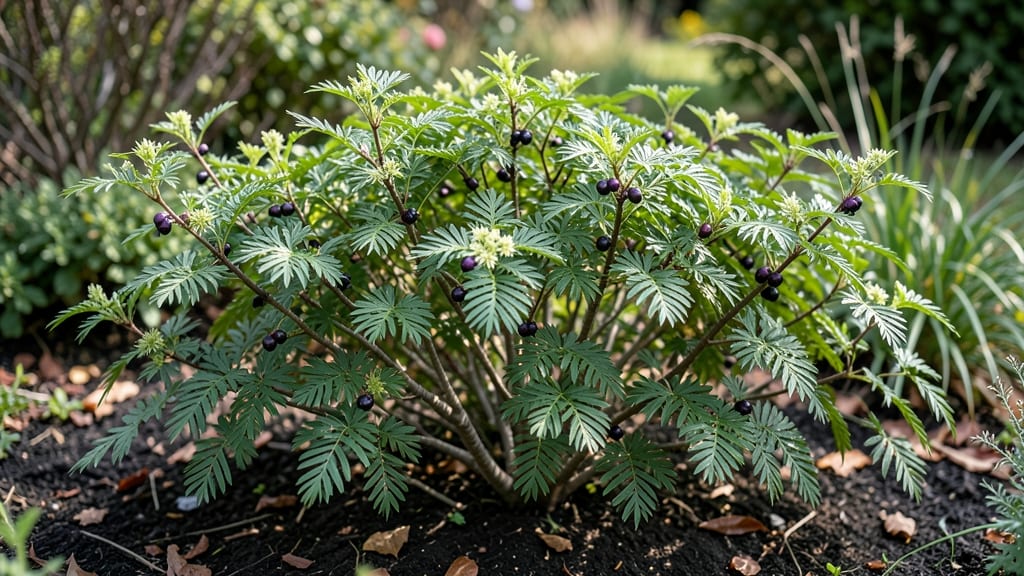
Pruning your fern leaf buckthorn tree keeps it lush and healthy year-round—no more sparse branches or dull foliage. ✨ I’ve pruned mine every spring for five years, and the difference is striking: vibrant green leaves from top to bottom, even in winter’s chill.
This evergreen shrub thrives with the right cuts, and I’ll show you exactly how to shape it for maximum impact.
The key is timing and technique. Prune in late winter or early spring before new growth starts, using sharp pruners to avoid tearing the stems. Focus on removing dead wood, crossing branches, and thinning out crowded areas to improve airflow—this keeps pests and diseases at bay.
A well-pruned buckthorn stays compact, dense, and full of that signature fern-like foliage.
What you’ll end up with is a neat, bushy shrub that stays vibrant through all four seasons, making it a standout in hedges, borders, or as a privacy screen.
The foliage holds its color even in winter, adding texture to your landscape when other plants fade. Plus, it’s low-maintenance once you get the pruning rhythm right.
Works beautifully in zones 5-8, whether planted in full sun or partial shade. The same pruning rules apply whether you’re shaping a small hedge or a tall specimen—just adjust the scale. Ready to give your buckthorn the care it deserves?
📚 In This Guide
- What you need
- Instructions
- Tips and common mistakes
- Wrapping up and next steps
What you need
- ● Pruning shears: Sharp, bypass pruners (for clean cuts on small branches; 6-8 inch blades recommended).
- ● Loppers: Heavy-duty, bypass or anvil-style (for thicker branches; 18-24 inch handles for leverage).
- ● Pruning saw: Curved-tooth saw (for branches 1+ inches thick).
- ● Rubbing alcohol (70% isopropyl): For sterilizing tools between cuts (prevents disease spread).
- ● Garden gloves: Cut-resistant (to protect hands from thorns and rough bark).
- ● Disposable pruning bags or bucket: For collecting and disposing of clippings.
- ○ Pruning sealant (optional but helpful): Tree wound paint (for sealing large cuts to prevent infection).
- ● Handheld leaf blower: For clearing debris from the work area.
- ● Ladder or step stool: If your tree is over 6 feet tall (ensure it’s stable and safe!).
- ● Pole pruner: For high branches (extends reach up to 10-12 feet).
- ● Notepad & pen: To sketch a quick pruning plan before you start.
- ● Sun protection: Hat, sunglasses, and sunscreen (fern leaf buckthorn loves full sun!).
Instructions for pruning a fern leaf buckthorn tree
Here's how I keep my fern leaf buckthorn lush and healthy year-round with minimal effort.
✂️ Step 1: Time Your Pruning for Optimal Growth
Prune your fern leaf buckthorn in early spring, just as new growth begins. This timing ensures you remove dead or weak branches while encouraging fresh foliage to develop. Avoid pruning in late fall or winter—new growth during cold months gets damaged by frost.
Look for tight clusters of leaves at the ends of branches—that’s your signal to start. If you see brown, brittle stems, those need immediate removal. I also check for branches growing inward or crossing others; these compete for sunlight and should go first.
✂️ Step 2: Remove Dead, Diseased, or Weak Branches First
Start with dead or diseased wood—these branches won’t recover and can spread problems. Cut them back to the nearest healthy growth node, making clean cuts at a 45-degree angle just above a leaf or bud. This prevents water from pooling and causing rot.
Next, thin out weak or spindly branches that don’t contribute to the tree’s structure. Focus on removing branches that cross or rub against others. I like to step back every few cuts to visualize the tree’s shape—this helps me decide what stays and what goes.
✂️ Step 3: Shape the Tree for Balance and Airflow
Fern leaf buckthorn responds well to light shaping. Aim for an open, rounded canopy to allow sunlight and air to reach the center. Start by removing any branches growing straight upward—they create weak points and block light from lower branches.
Use your pruners to trim back overlong branches by one-third to encourage bushier growth. For thicker branches, make the cut just outside the branch collar (the swollen area where the branch meets the trunk). This promotes faster healing and prevents disease.
🌿 Step 4: Encourage New Growth with Strategic Cuts
To keep your fern leaf buckthorn dense, focus on cutting back the oldest growth first. Look for branches with fewer leaves or smaller foliage—they’re likely older and less productive. Trimming these back by half their length stimulates new shoots to form.
Pay attention to the underside of the tree—this is where light often gets blocked. Thin out a few branches here to let sunlight reach the lower canopy. You’ll see fresh, vibrant growth within 4-6 weeks of pruning, especially if you’ve given the tree enough water afterward.
⏰ Step 5: Clean Up and Monitor for Recovery
After pruning, rake up all debris and dispose of it properly—this prevents diseases from lingering near your tree. Sterilize your pruners with rubbing alcohol between cuts to avoid spreading pathogens. Once done, give the tree a deep watering to help it recover.
Watch for new growth in 2-3 weeks. If you notice yellowing leaves or slow recovery, your tree might need extra nutrients. A light application of balanced fertilizer in early spring can help. Over time, you’ll develop a rhythm—pruning in spring, shaping in summer, and just light maintenance in fall keeps this tree thriving all year.
Tips & tricks for pruning a fern leaf buckthorn tree
These simple but game-changing tips will help you prune like a pro and keep your fern leaf buckthorn thriving for years.
Timing is Everything: Early spring is your golden window, but don't wait until the leaves fully unfurl. The ideal moment is when you see those tight clusters of leaves forming—this means the tree is waking up but hasn't yet committed to new growth. I've missed this window before and ended up with less vigorous regrowth. If you're unsure, check for those tiny leaf buds that haven't opened yet.
The 45-Degree Cut Secret: That angled cut isn't just for looks—it's about water flow. When you make your cuts at a 45-degree angle just above a leaf or bud, you're creating a natural channel for water to run off the branch rather than pool at the cut. This simple technique prevents rot that can kill your tree. I always test my pruners' sharpness first—dull blades crush stems instead of making clean cuts.
Shape with Purpose: Think of your tree's natural shape as a blueprint. Fern leaf buckthorn naturally grows in a rounded form, so work with that. Remove any branches growing straight up—they create weak points and block sunlight from reaching lower branches. I like to visualize the tree as a dome, with sunlight able to reach every part of the canopy. This open structure also improves airflow, which is crucial for preventing fungal diseases.
Old Growth = New Growth: Those older branches with fewer leaves aren't useless—they're just waiting for a chance to show their potential. Cutting them back by half their length sends a signal to the tree to produce new, vigorous shoots. I focus on the oldest growth first, then work my way to the newer branches. This layered approach creates that lush, dense look we all want, and you'll see fresh growth appearing within those 4-6 weeks the instructions mention.
Pro Tips for Fern Leaf Buckthorn Tree
- These simple but game-changing tips will help you prune like a pro and keep your fern leaf buckthorn thriving for years.
- Timing is Everything: Early spring is your golden window, but don't wait until the leaves fully unfurl.
- The 45-Degree Cut Secret: That angled cut isn't just for looks—it's about water flow.
Frequently asked questions
Got questions about keeping your fern leaf buckthorn tree lush and healthy year-round? Here are some of the most common concerns—and their answers—to help you prune like a pro!
When is the best time to prune my fern leaf buckthorn?
The ideal time to prune is late winter or early spring (before new growth starts) to avoid stressing the tree. You can also do light pruning in summer to shape it, but avoid heavy cuts during fall or winter when the tree is dormant. Pro tip: If you notice dead or diseased branches anytime, remove them immediately!
How much can I trim back without harming the tree?
Fern leaf buckthorn is highly resilient, so you can safely remove up to 25-30% of the foliage in one session without causing damage. For shaping, aim for a 1/3 reduction in height or width over time. Over-pruning won’t kill it, but it may slow growth temporarily. Think of it like a haircut—less is more for long-term health!
What should I do if my tree looks leggy or sparse after pruning?
Leggy growth often happens when the tree isn’t getting enough light or nutrients. To fix it:
- Trim back overly long branches to encourage bushier growth.
- Fertilize with a balanced, slow-release fertilizer in early spring.
- Ensure it gets 6+ hours of sunlight daily—fern leaf buckthorn thrives in full sun!
Can I prune my fern leaf buckthorn in fall?
While you can prune in fall, it’s not ideal because the tree is preparing for dormancy. Fall pruning can stimulate new growth that won’t harden off before winter, making it vulnerable to cold damage. If you must prune, do it 6-8 weeks before the first frost and keep cuts minimal. Spring is always the safest bet!
Are there any alternatives to fern leaf buckthorn for year-round color?
If you’re looking for similar evergreen shrubs with vibrant foliage, consider:
- Dwarf boxwood – Compact, glossy leaves, great for hedges.
- Inkberry holly – Dark, leathery leaves and drought-tolerant.
- Emerald green arborvitae – Fast-growing and cold-hardy.
- Dwarf mugo pine – Needle-like foliage with a rugged look.
Wrapping up and next steps
The fern leaf buckthorn tree thrives with the right pruning care, offering lush, vibrant foliage year-round! By following seasonal techniques—like light shaping in spring, deadwood removal in winter, and strategic thinning—you’ll keep your tree healthy, compact, and stunning. Remember: patience and consistency are key to long-term success.
Ready to transform your landscape? Grab your tools and start pruning today! 🌿✂️ For extra confidence, watch a quick tutorial or join a local gardening group to share tips with fellow enthusiasts.