
Plants
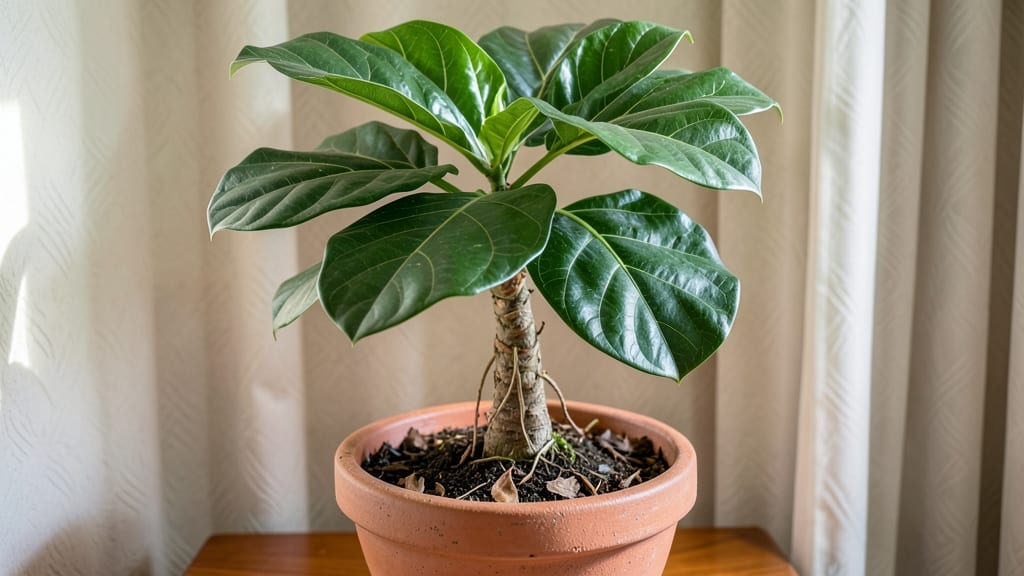
A fiddle leaf fig 🌿 can grow between 6 and 10 feet tall indoors, depending on light, pruning, and care—so if you’re eyeing one for your living space, think big or plan to trim.
Picture this: your stunning fiddle leaf fig shooting up like a tropical tree, its glossy leaves reaching ceiling height in just a few years. That’s the reality for many plant parents who underestimate how fast these beauties grow when given the right conditions.
But here’s the good news: with smart pruning and the right pot size, you can keep it at a manageable 5 to 7 feet—perfect for adding drama without sacrificing your ceiling fan.
Below, I’ll break down how to control its height, spot growth mistakes early, and even encourage a bushier shape.
Whether you’re a first-time owner or a seasoned plant collector, knowing these tricks will help you keep your fiddle leaf fig thriving—and at the height you want.


Fiddle leaf fig height by growth conditions: indoor vs outdoor limits
Your fiddle leaf fig (Ficus lyrata) can become a breathtaking centerpiece—but its height potential varies dramatically depending on where you grow it.
In ideal conditions, this tropical stunner can reach 10 feet tall indoors or even 15 feet outdoors, but most home gardeners see 6–8 feet in controlled environments. The key? Understanding how light exposure, container size, and climate shape its growth trajectory.
Indoors, your fiddle leaf fig’s height depends heavily on light access and pot constraints.
A plant basking in bright indirect light near an east-facing window will grow 2–3 feet per year, while one tucked in a dim corner may stretch awkwardly toward any available light, reaching 8 feet in just 3 years.
Outdoors, however, the story changes entirely—subtropical climates with humidity and warmth accelerate growth, often doubling the indoor rate.
Here’s the critical comparison you need to plan your space:
If you’re growing your fiddle leaf fig indoors in an apartment, expect it to hit 6–8 feet in 3–5 years with proper care. The limiting factor here is container size—once roots fill a 12-inch pot, growth slows dramatically.
To encourage height, place your plant near a south-facing window (with sheer curtains to filter harsh rays) and fertilize every 6 weeks during spring and summer. Without these conditions, your plant may grow lanky and leggy, reaching 8 feet in just 2 years but with sparse foliage.
Outdoors in subtropical zones (USDA 10–12), your fiddle leaf fig will thrive like a small tree, easily surpassing 10 feet if planted in the ground. In these climates, the plant’s natural growth cycle accelerates—expect 4–6 feet of new growth per year.
However, outdoor plants need protection from frost; if you live in USDA Zone 9 or cooler, overwinter your container-grown fiddle leaf fig in a garage or shaded patio to prevent leaf drop.
For container gardening outdoors, choose a large pot (20"+ diameter) to accommodate root growth. A well-draining mix with orchid bark or perlite will keep your plant healthy while allowing it to reach 6–10 feet.
Unlike in-ground plants, container-grown fiddle leaf figs won’t grow as tall but will have denser foliage due to restricted root space. Prune annually in late winter to shape growth and encourage bushier branches.
One common misconception is that fiddle leaf figs grow slowly—but in reality, they’re fast growers when conditions are right. The biggest mistake home gardeners make is assuming their plant’s height will stay manageable without intervention.
Without pruning or light control, a fiddle leaf fig can quickly outgrow a ceiling fan or even a standard 8-foot ceiling. To keep it under control, prune new growth in early spring and rotate the pot quarter-turns weekly to ensure even light exposure.
Pro tip: If you’re worried about height, consider dwarf varieties or grafted specimens, though these are rare. Instead, focus on light management—a plant with less than 4 hours of light daily will grow 30% slower and stay more compact.
For maximum height control, pair your fiddle leaf fig with a bamboo support pole to guide upward growth and prevent top-heavy instability.
🌿
How to control fiddle leaf fig height: pruning and training tips
Your fiddle leaf fig (Ficus lyrata) can grow 6–10 feet tall indoors if left unchecked, but with the right pruning techniques, you can shape it into a compact, bushier plant that fits your space.
The key is understanding when and how to trim to encourage lateral growth while keeping the plant healthy. I’ve learned through years of experimenting that timing and technique make all the difference—cut too late or too aggressively, and you risk stressing the plant or inviting pests.
Pruning isn’t just about height control; it’s also about training your fiddle leaf fig to grow in a way that suits your home. Whether you want a taller statement plant or a bushier centerpiece, strategic cuts can help you achieve your vision.
For example, if your plant is growing too leggy toward the ceiling, pruning the top can redirect energy to side branches. But if you’re aiming for a fuller look, focus on trimming back overgrown stems to encourage new growth from lower nodes.
Before you grab your shears, gather the right tools and supplies. You’ll need:
- A sharp, sterilized pruning shear (to prevent tearing and disease)
- Rubbing alcohol (to clean tools between cuts)
- Rooting hormone (optional, for propagating cuttings)
- Small pots or water glasses (if you plan to propagate)
Step-by-Step Pruning Guide
- 1
- 2
- 3
- 4
- 5
Training your fiddle leaf fig isn’t just about cutting—it’s also about light exposure and support. If you want to encourage downward growth (like a weeping fig), place the plant near a bright, indirect light source and gently guide new branches with soft ties.
I’ve found that using a small trellis or stake can help train the plant to grow in a specific direction without damaging the stems.
One common mistake I see is over-pruning in one session, which can shock the plant. Instead, prune in small increments over time.
For example, if your fiddle leaf fig is 8 feet tall and you want to reduce it to 5 feet, trim back 1–2 feet at a time over a few months. This gives the plant time to recover and adjust to its new shape.
Remember, every fiddle leaf fig is unique, and its response to pruning depends on its age, health, and growing conditions. With patience and practice, you’ll learn what works best for your plant.
Whether you’re aiming for a compact desk plant or a floor-filling centerpiece, pruning gives you the control to shape your fiddle leaf fig into the perfect fit for your space. 🌿