
Planting
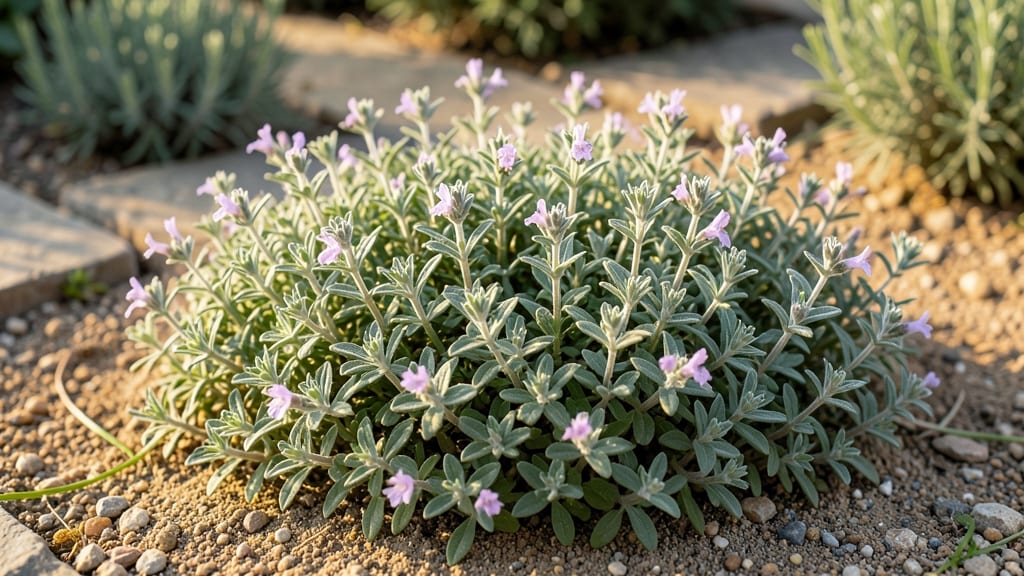
Growing a fine leaf thyme plant means never having to buy it again—this hardy herb thrives with almost no effort once you get it right. 🌿 I learned the hard way that most thyme struggles come from overwatering or poor soil, but this variety forgives mistakes better than any other.
The key is mimicking its natural Mediterranean habitat: dry, rocky soil and full sun.
This isn't just a kitchen herb—it's a groundcover that stays green all winter, spreads effortlessly, and smells like a sun-drenched garden path.
You'll need well-draining soil (mix in sand if yours is heavy), a spot with at least 6 hours of sun daily, and the patience to let it establish before heavy use. Once rooted, it handles drought like a pro and comes back stronger every year.
Start with cuttings from an existing plant or nursery starts—both work equally well. Pinch back the tips regularly to encourage bushier growth, and harvest leaves anytime by snipping just above a leaf node.
The more you cut, the more it grows, making it one of the most productive herbs for small spaces.
Perfect for borders, rock gardens, or container edges—it even repels pests naturally. Once you grow your own, store-bought thyme will taste like cardboard. Here's how to make it thrive!
📚 In This Guide
- What you need
- Instructions
- Tips and common mistakes
- Wrapping up and next steps
What you need
- ● Fine leaf thyme plants: 3–5 nursery-grown seedlings or cuttings (ensure they’re labeled as Thymus praecox or similar varieties).
- ● Well-draining potting mix or soil: 1–2 bags (look for a blend labeled "cactus/succulent mix" or add perlite/sand for drainage).
- ○ Containers (optional but recommended): 3–5 pots (6–8 inches wide) with drainage holes, or
- ● A garden bed with full sun exposure (6+ hours/day).
- ○ Organic compost or fertilizer: 1 small bag (optional for nutrient boost).
- ● Watering can or hose with a gentle spray nozzle.
- ○ Gloves (optional): To protect hands from prickly stems.
- ● Pruning shears or scissors: For trimming (sterilize with rubbing alcohol).
- ○ Mulch (optional): Gravel or straw to retain moisture in hot climates.
- ● Sunlight access: A south-facing window, balcony, or garden spot.
- ● Patience: Thyme thrives with minimal fuss—just love and occasional pruning! ✨
Step-by-step instructions for growing fine leaf thyme
Here's how to cultivate fragrant, bushy thyme plants that thrive with almost no fuss.
🌱 Step 1: Choose the Right Location and Soil
Thyme loves well-draining soil and full sun—at least 6 hours daily. I always pick a spot with south or west exposure for maximum sunlight. If growing in containers, ensure pots have drainage holes to prevent soggy roots, which thyme hates.
Amend heavy garden soil with compost or sand to improve drainage. You'll know the soil is right when water drains through within 10-15 minutes after watering. Thyme tolerates poor soil better than most herbs, so don’t stress about fertility—just focus on drainage.
🪴 Step 2: Plant Seeds or Transplants Correctly
For seeds, sow them ¼ inch deep and 12 inches apart in rows. Thin seedlings to 6 inches apart once they’re 2-3 inches tall—this prevents overcrowding and encourages bushier growth. If starting with transplants, dig holes just deep enough to cover the root ball and space them 12-18 inches apart.
Gently firm the soil around the roots to remove air pockets, but don’t compact it. Water lightly right after planting to settle the soil. Thyme roots are shallow, so keep watering shallow too—aim for 1 inch of water per week, either from rain or irrigation.
☀️ Step 3: Maintain with Minimal Watering and Pruning
Once established, thyme is drought-tolerant, so water only when the top inch of soil feels dry. Overwatering is the fastest way to kill thyme—it rots roots quickly. Mulch lightly with gravel or straw to retain moisture without smothering the plant.
Prune thyme lightly after harvest to encourage bushier growth. Snip stems back by ⅓ their length in early spring and again after flowering. You’ll see new growth within 2-3 weeks—this is your signal that pruning worked. Avoid heavy pruning, or you’ll sacrifice the plant’s woody structure.
✂️ Step 4: Harvest and Preserve for Year-Round Use
Harvest thyme when flowers begin to open for the strongest flavor. Use sharp scissors to cut stems 2-3 inches above the base, leaving plenty of foliage for regrowth. Harvest in the morning after dew has dried for the freshest leaves.
To dry thyme, bundle stems and hang upside down in a dark, well-ventilated area for 2-3 weeks. The leaves will turn crisp and brittle when fully dried. Store dried thyme in an airtight container away from light—it keeps its aroma for up to 1 year.
⏰ Step 5: Overwinter Thyme for Next Year’s Growth
Thyme is hardy down to USDA Zone 5, but in colder climates, protect it with a 2-3 inch layer of mulch in late fall. If growing in containers, move pots to a sheltered spot or bring them indoors near a sunny window. Thyme goes dormant in winter but regrows vigor once temperatures rise.
In spring, remove dead or damaged stems and fertilize lightly with balanced organic fertilizer. You’ll see fresh growth within 3-4 weeks—this is your cue that the plant is ready for another season of harvests.
Tips & tricks for perfect fine leaf thyme cultivation
Here's what I've learned after growing thyme for years—these little details make all the difference between a struggling plant and a fragrant, bushy herb garden star.
Sunlight Strategy: That 6 hours of daily sun is non-negotiable, but here's the secret: If your garden gets afternoon shade, prioritize morning sun exposure. I've found that morning sunlight gives thyme just enough energy to thrive even in partially shaded spots. For containers, place them where they'll get the most direct light possible—south-facing windowsills are ideal.
Soil Test Trick: To check if your soil drains properly, dig a small hole, fill it with water, and time how long it takes to drain. If it's still wet after 15 minutes, you need to amend with more compost or sand. Pro tip: Mix in a handful of perlite or coarse sand to improve drainage without changing the soil structure dramatically.
Watering Wisdom: The 1-inch weekly watering guideline works for established plants, but here's what nobody tells you: Water in the morning so any excess evaporates before evening. I've seen thyme plants develop fungal issues from evening watering—always let the soil dry between waterings. For containers, check soil moisture daily during hot spells.
Pruning Payoff: That ⅓ length pruning after flowering is your secret weapon for bushier growth. I prune again in early spring before new growth starts, and within those 2-3 weeks, I see lush, new shoots. Just remember: Never cut into old, woody stems—always prune just above leaf nodes where new growth emerges.
Pro Tips for Fine Leaf Thyme Plant
- Here's what I've learned after growing thyme for years—these little details make all the difference between a struggling plant and a fragrant, bushy herb garden star.
- Sunlight Strategy: That 6 hours of daily sun is non-negotiable, but here's the secret: If your garden gets afternoon shade, prioritize morning sun exposure.
- Soil Test Trick: To check if your soil drains properly, dig a small hole, fill it with water, and time how long it takes to drain.
Frequently asked questions
Got questions about growing and caring for your fine leaf thyme plant?
Here are some of the most common queries—plus straightforward answers to keep your fragrant herb thriving all year long!
How often should I water my fine leaf thyme?
Fine leaf thyme is drought-tolerant, so overwatering is the real enemy! Water only when the top inch of soil feels dry—usually every 1-2 weeks, depending on your climate. In containers, it may dry out faster. Pro tip: If the leaves turn yellow or mushy, you’re likely overdoing it!
When is the best time to harvest fine leaf thyme?
Harvest thyme anytime—even in winter! For the best flavor, snip stems just before flowering (spring to early summer) or after a light frost for a sweeter taste. Use clean scissors or pruners, and avoid cutting more than one-third of the plant at once to encourage regrowth.
Can fine leaf thyme survive winter outdoors?
Yes! This hardy herb thrives in USDA zones 5-9 and often overwinters with minimal care. In colder zones, mulch heavily or grow it in containers to move indoors. If leaves turn brown, it’s likely dormancy—not death. Pro tip: A light trim in early spring will revive it!
What can I do if my fine leaf thyme looks leggy or sparse?
Leggy or sparse growth usually means it needs more light or a haircut! Move it to a sunny spot (6+ hours of light daily) and prune back by one-third to encourage bushier growth. If indoors, a grow light can help. Avoid fertilizing—thyme prefers lean soil!
Can I substitute fine leaf thyme for regular thyme in recipes?
Fine leaf thyme is milder and more delicate than common thyme, making it perfect for soups, stews, and seafood dishes. Use a 1:1 ratio, but taste as you go—it pairs beautifully with rosemary, lemon, and garlic. For stronger flavor, crush the leaves before adding!
Wrapping up and next steps
Growing a fine leaf thyme plant is a rewarding way to enjoy year-round fragrance and culinary versatility with minimal effort! Its hardy nature, drought tolerance, and low-maintenance care make it perfect for beginners and seasoned gardeners alike.
Whether you’re adding it to dishes, crafting herbal bundles, or simply savoring its aroma, thyme brings joy—and delicious flavor—to any space.
Ready to plant yours? Start with a sunny spot, well-draining soil, and a little patience—soon, you’ll be harvesting fresh thyme like a pro! 🌱✨