
Pests and Diseases
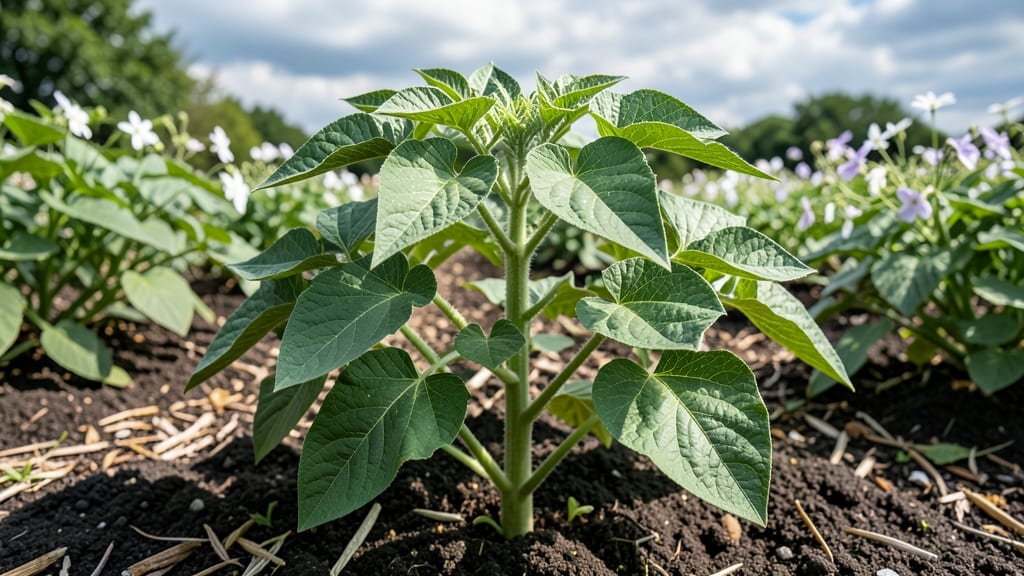
A five-point leaf pattern signals fungal leaf spot diseases in plants, showing up as dark, irregular spots radiating outward from a central point. Stop the spread fast with a homemade copper solution (1 teaspoon copper sulfate per gallon of water) or a store-bought fungicide.
A five-point leaf pattern isn't just a cosmetic issue—it's a red flag that fungal spores like Alternaria or Septoria are colonizing your plants. 🌱 These pathogens thrive in damp conditions, so you'll often see outbreaks after heavy rain or in crowded gardens with poor airflow.
Copper works because it disrupts fungal cell membranes, but timing matters: apply it during dry weather when leaves are fully dry to avoid burning the foliage.
For best results, mix your copper spray in the early morning and reapply every 7-14 days during active growing seasons. If you're dealing with a severe infestation, combine copper treatments with proper spacing between plants and removing infected leaves immediately.
This two-pronged approach gives your plants their best shot at recovery.
💡 In This Article
- What Causes Five-Point Leaf Spots in Plants
- DIY Copper Spray Recipes for Fungal Spot Control
What causes five-point leaf spots in plants
Five-point leaf spots are primarily caused by fungal pathogens like Alternaria and Septoria, which thrive in warm, humid conditions. These fungi produce spores that land on leaf surfaces, germinate, and penetrate through natural openings like stomata or wounds.
The characteristic five-point pattern forms as the fungal mycelium grows outward from the infection site, creating dark, radiating streaks that disrupt photosynthesis and weaken the plant.
The spores spread efficiently via wind, rain splash, or contaminated tools, making crowded gardens or greenhouses particularly vulnerable.
High humidity (above 75%) and poor airflow create the perfect breeding ground—think of it like a fungal sauna. 🌧️ For example, Alternaria outbreaks often spike after prolonged leaf wetness, while Septoria prefers cooler temperatures (60-75°F) with frequent rain showers.
This explains why you might see these spots suddenly appear after a week of overcast weather.
Copper's effectiveness comes from its ability to disrupt fungal cell membranes by interfering with electron transport chains. When copper ions (from sulfate or hydroxide compounds) come into contact with fungal spores, they create oxidative stress that kills the cells.
This is why organic gardeners rely on copper sprays—it's a natural fungicide that doesn't promote resistance like chemical fungicides can over time. The key is using it preventatively, not just when spots appear.
Environmental factors play a huge role in outbreak severity. Poor plant spacing (less than 12 inches between leaves) traps moisture, while dense foliage blocks airflow, creating ideal fungal conditions. I've noticed that container-grown plants often suffer more because their roots can't dry out quickly after watering.
Even well-drained garden beds can become hotspots if nighttime temperatures stay above 65°F with high humidity—a classic recipe for fungal spread.
What most gardeners miss is that these fungi also produce secondary spores that can overwinter in plant debris. This means next year's infestation might start from spores hiding in last season's fallen leaves. That's why fall cleanup—removing all infected foliage and rotating crops—is just as important as spring treatments.
The five-point pattern isn't just a symptom; it's a warning sign that your plant's defense system is under siege.
To visualize the process: Imagine fungal spores as microscopic parachutists landing on your leaves. When conditions are right (warm, wet), they drop their "hooks" (hyphae) into the leaf tissue. As they grow outward, they create those distinctive radiating patterns—like a spider's web of destruction.
Copper acts like a raincoat for your plants, making the leaves too hostile for these fungal invaders to establish themselves.