
Shrubs
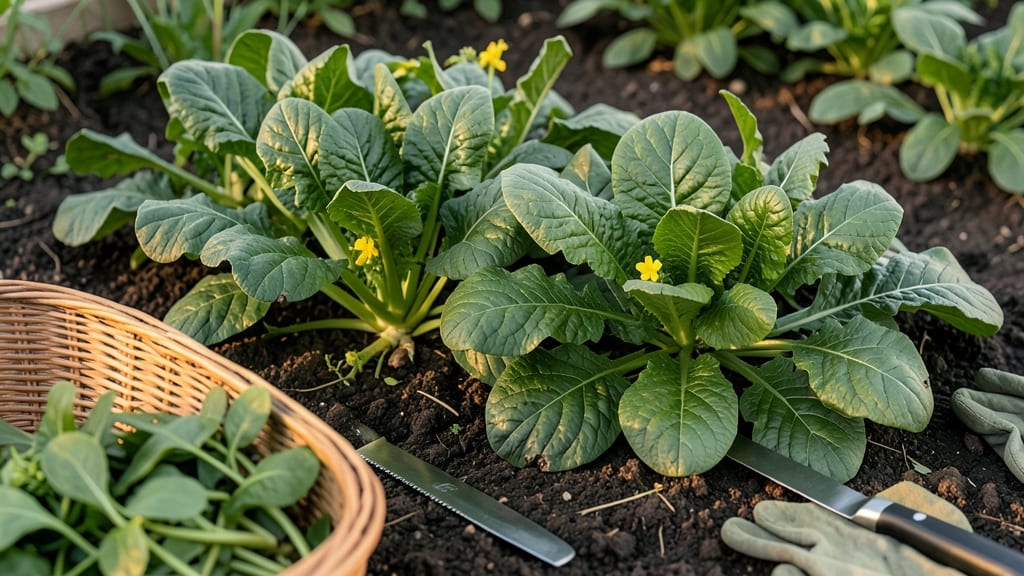
Growing Florida broadleaf mustard greens means year-round harvests of peppery, dark green leaves that outshine store-bought salad mixes. 🌿 I’ve watched mine thrive through Florida’s sweltering summers and mild winters—no bolting, no fuss—just steady growth when most greens give up.
The secret lies in timing, soil, and a few Florida-specific tricks that keep these tough plants happy even when humidity spikes or afternoon sun gets intense.
Start with well-draining soil rich in organic matter—think compost mixed into your beds—and plant in fall or early winter when temperatures dip below 90°F. These greens tolerate partial shade, making them perfect for Florida’s intense sun; give them 4-6 hours of morning light to avoid scorching.
Water deeply once a week, letting the top inch of soil dry out between sessions, and watch them send up new leaves faster than you can harvest.
What you’ll end up with is a perennial powerhouse that multiplies each year, producing bold, slightly bitter leaves perfect for salads, sautéing, or garnishes.
The plants stay compact, rarely needing pruning, and even handle Florida’s occasional pests like cabbage worms with minimal intervention—just a quick handpick or a spray of neem oil if needed.
Best of all, these greens adapt to Florida’s heat better than annuals, so you skip the spring planting rush and enjoy fresh harvests any month of the year.
Whether you’re a seasoned gardener or just starting, this is one plant that rewards patience with bold flavor and effortless growth—no green thumb required.
📚 In This Guide
- What you need
- Instructions
- Tips and common mistakes
- Wrapping up and next steps
What you need
- ● Seeds or seedlings: Florida Broadleaf Mustard seeds (ensure they’re cold-hardy for year-round growth in warm climates). Quantity: 10–20 seeds for a small patch or 1–2 seedlings per plant.
- ● Well-draining soil: A mix of 60% topsoil, 30% compost, and 10% perlite or sand (mustard greens thrive in slightly acidic to neutral soil, pH 6.0–7.0). Volume: Enough to fill raised beds or garden plots 6–12 inches deep.
- ● Sunlight: Full sun to partial shade (6+ hours of sunlight daily for optimal growth).
- ● Watering can or hose with a gentle spray nozzle: Mustard greens prefer consistent moisture but hate soggy roots.
- ○ Organic fertilizer (optional but recommended): A balanced 10-10-10 NPK or compost tea to boost growth. Apply every 4–6 weeks.
- ● Mulch (straw or shredded leaves): Helps retain moisture and suppress weeds. Thickness: 2–3 inches.
- ● Garden gloves and hand trowel: For planting and maintenance.
- ● Row cover or frost cloth: Protects young plants from unexpected cold snaps (even in Florida!).
- ● Drip irrigation system: Automates watering for larger patches.
- ● Epsom salt (magnesium sulfate): A 1 tbsp per gallon of water spray can enhance leafy growth.
- ● Pest deterrents: Neem oil or diatomaceous earth to keep aphids and cabbage worms at bay.
Step-by-Step guide to cultivating Florida broadleaf mustard greens
This hardy perennial thrives in Florida’s heat and humidity—here’s how to coax bold, flavorful leaves year-round.
🌱 Step 1: Select the Perfect Site and Soil
Florida broadleaf mustard greens adore full sun to partial shade—at least 6 hours of direct sunlight daily—but they’ll tolerate light shade in the hottest afternoons. Choose a spot with well-draining soil to prevent root rot, which this plant despises. If your soil is heavy clay (common in Florida), amend it with 2-3 inches of compost before planting to improve aeration and moisture retention.
Here’s the thing—this plant hates soggy feet. Test drainage by digging a 6-inch hole, filling it with water, and timing how long it takes to drain. If it takes longer than 2 hours, mix in sand or perlite to lighten the soil. The ideal soil pH for broadleaf mustard is 6.0-7.0, so a quick soil test (available at local extension offices) ensures you’re in the right range.
🌿 Step 2: Plant Seeds or Transplants at the Right Time
For direct sowing, plant seeds ¼ inch deep in early spring or late summer to avoid the brutal midday heat. Seeds germinate best in 70-80°F soil, so wait until the ground warms up—cold soil slows germination and can lead to weak seedlings. I like to sow seeds in rows 12-18 inches apart to give plants room to spread their bold, glossy leaves.
If you’re transplanting, space seedlings 18-24 inches apart to prevent overcrowding, which invites fungal diseases. Water deeply 2-3 days before transplanting to reduce shock, then plant in the morning to give roots time to settle before the heat of the day. Mulch with 2-3 inches of straw or shredded leaves to retain moisture and suppress weeds—this is non-negotiable in Florida’s intense sun.
☀️ Step 3: Master Watering for Heat Tolerance
Broadleaf mustard greens are drought-tolerant once established, but they need consistent moisture during their first 4-6 weeks to root deeply. Water deeply 2-3 times per week (or daily in 90°F+ heat) until the top 2 inches of soil feel dry. Overhead watering can spread disease, so use a drip irrigation system or soaker hose to deliver water at the base.
Watch for wilting leaves in the afternoon—this is your cue to water immediately. However, don’t let the soil stay soggy; broadleaf mustard greens rot quickly in waterlogged conditions. A quick finger test (stick your finger 2 inches deep—if it’s dry, water; if damp, wait) keeps moisture just right.
✂️ Step 4: Harvest and Prune for Continuous Growth
Harvest leaves when they reach 4-6 inches tall for the best flavor and texture. Use clean pruning shears to snip leaves just above a set of healthy leaves—this encourages bushier growth. For a cut-and-come-again harvest, trim outer leaves first, leaving the inner growth intact. Regular harvesting prevents bolting (flowering), which turns leaves bitter.
If your plant bolts (sends up a tall flower stalk), don’t panic—simply cut the flower stalk at the base and focus on harvesting the remaining leaves. With proper care, broadleaf mustard greens regrow quickly and produce year-round in Florida’s mild winters. Just avoid heavy frost, which can damage tender leaves.
🌱 Step 5: Protect and Maintain for Long-Term Success
Florida’s pests and diseases can target broadleaf mustard greens, so prevention is key. Apply a light layer of organic mulch (like pine straw) to deter slugs and snails, which love tender young leaves. If aphids appear, blast them off with a strong stream of water—this usually knocks them loose without chemicals.
Fertilize lightly every 6-8 weeks with a balanced organic fertilizer (like 5-5-5) to encourage lush growth without overstimulating foliage. Avoid high-nitrogen fertilizers, which can make leaves too soft and susceptible to pests. With these steps, your broadleaf mustard greens will thrive as a perennial, providing bold, peppery leaves long after annual varieties fade.
Tips & tricks for perfect Florida broadleaf mustard greens
These game-changing insights will help you transform your garden into a year-round harvest powerhouse.
Soil Preparation Secret: The 2-3 inches of compost mentioned in Step 1 isn't just about nutrients—it's about creating the perfect air-to-water ratio. I like to mix in a handful of worm castings too (optional) for that extra microbial boost that helps roots establish faster. This plant's shallow root system needs that porous environment to thrive in Florida's heavy clay soils.
Planting Timing Strategy: When sowing seeds in Step 2, I've found that late summer plantings actually outperform spring ones in Florida's climate. The warm 70-80°F soil temperature you're targeting helps seeds germinate in just 5-7 days, giving them a head start before winter. If you're transplanting, avoid the afternoon heat—morning planting gives roots time to settle before the sun peaks.
Watering Precision: The finger test in Step 3 is your best friend, but here's a pro move: water at the same time every morning (around 7-8 AM) to establish a routine. This consistency helps the plant develop deep roots faster, making it drought-tolerant sooner. And when you see wilting in the afternoon, that's your signal—just remember, broadleaf mustard greens hate soggy conditions, so always let the top 2 inches dry between waterings.
Harvesting Hack: For continuous harvests in Step 4, I recommend using a pair of clean kitchen scissors instead of pruning shears—they're lighter and easier to maneuver among the leaves. When harvesting, always cut just above a leaf node where new growth emerges. This encourages bushier plants and prevents the bitter bolting that can happen when you cut too close to the stem base.
Pro Tips for Florida Broadleaf Mustard Greens
- These game-changing insights will help you transform your garden into a year-round harvest powerhouse.
- Soil Preparation Secret: The 2-3 inches of compost mentioned in Step 1 isn't just about nutrients—it's about creating the perfect air-to-water ratio.
- Planting Timing Strategy: When sowing seeds in Step 2, I've found that late summer plantings actually outperform spring ones in Florida's climate.
Frequently asked questions
Got questions about growing Florida broadleaf mustard greens?
You’re not alone! Here are answers to the most common queries to help you cultivate this hardy, flavorful perennial with confidence.
When is the best time to plant Florida broadleaf mustard greens?
Plant them in early fall (September–October) or late winter (January–February) for optimal growth. These greens thrive in Florida’s mild winters but avoid extreme summer heat, which can cause bolting. For year-round harvests, stagger plantings every 4–6 weeks.
How long does it take for Florida broadleaf mustard greens to mature?
You can start harvesting young leaves in 30–40 days, but full maturity (bold, flavorful greens) takes about 60–75 days. Unlike annual mustards, this perennial keeps producing if you prune regularly—just avoid cutting more than ⅓ of the plant at once.
Can I eat Florida broadleaf mustard greens raw, or should I cook them?
Both! Young leaves are mild and great in salads, while older, mature leaves have a peppery kick—best when sautéed, stir-fried, or wilted. For a balance, lightly cook them to soften the texture while preserving flavor. Pro tip: Blanch for 2 minutes to reduce bitterness.
What pests or diseases should I watch for with Florida broadleaf mustard greens?
Keep an eye out for aphids, cabbage loopers, and flea beetles—common pests. Preventative sprays (neem oil or insecticidal soap) work well. Overwatering can lead to fungal issues like downy mildew, so ensure 6–8 hours of sunlight daily and well-draining soil.
Are there any good alternatives if I can’t grow Florida broadleaf mustard greens?
If you’re after peppery greens, try turnip greens, collard greens, or arugula. For perennial options, consider garlic chives or Swiss chard. Florida broadleaf mustard’s bold flavor and cold hardiness make it unique, but these alternatives offer similar benefits!
Bonus Tip:
Need a quick harvest hack? Pinch off the flower buds as they form to redirect energy to leaf growth. This keeps your plant lush and productive for months!
Wrapping up and next steps
Growing Florida broadleaf mustard greens is a rewarding way to enjoy fresh, nutrient-packed greens year-round with minimal effort—thanks to their hardy perennial nature! Whether you're a seasoned gardener or just starting, these bold, flavorful leaves thrive in Florida’s climate and offer serious versatility in the kitchen. 🌿✨
Now that you’re armed with the right tips—from soil prep to pest control—it’s time to roll up your sleeves and plant. Start small, experiment with varieties, and soon you’ll be harvesting vibrant greens to elevate your meals. Happy gardening!