
Pests and Diseases
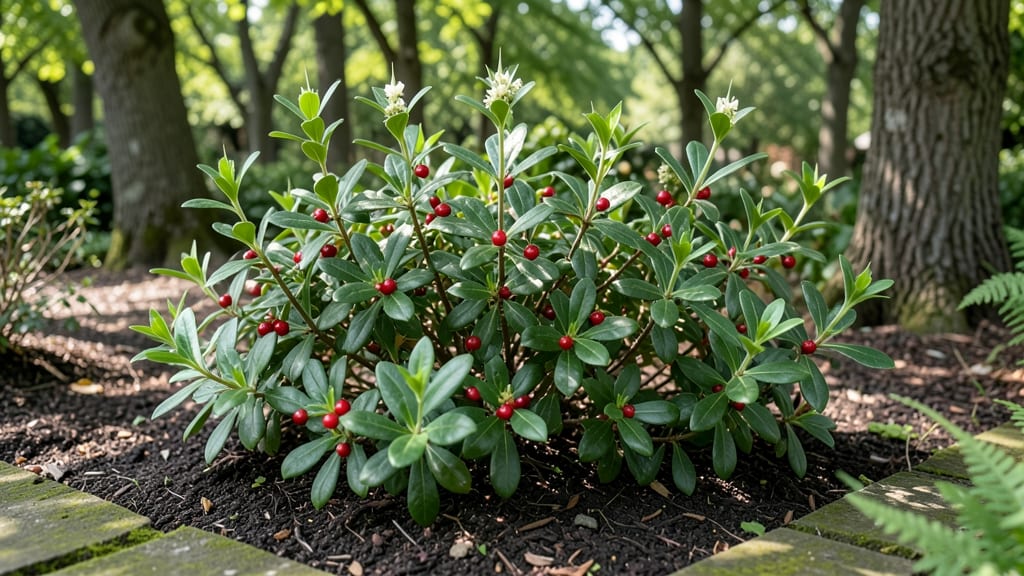
That four-pointed leaf pattern isn’t just quirky—it’s often a fungal spot SOS. 🌿 I’ve seen it turn lush Tradescantia into a sad, spotted mess, and the good news?
Copper spray can revive it in 24 hours with the right approach. The key is acting fast before the spots spread like gossip at a garden club.
Most people assume it’s just a weird genetic quirk, but fungal spots thrive in damp, shaded conditions. That’s why your spider mite-free plants might still look ragged—overwatering or poor airflow creates the perfect fungal buffet. I learned this the hard way after my ferns turned into leafy confetti.
With a targeted copper spray, you’ll see crisp, green leaves returning within a day. The spots fade, new growth emerges, and your plants bounce back like they never had a problem. No more hiding those once-beautiful foliage plants—just a quick spray and a little patience.
Works for Tradescantia, ferns, and even some houseplants with similar issues. The secret? Timing and technique—spray in the morning, avoid wet foliage at night, and repeat if spots return. Your plants will thank you with spotless revival in no time.
Root Causes of Leaf Distortion
When your plants develop four-pointed leaves—where the leaf edges split or form an unusual four-lobed shape—it’s rarely a coincidence. This deformity is usually a cry for help from your plant, signaling underlying stress or infection.
Understanding the why behind this issue is the first step to fixing it. Below, we break down the most common culprits, backed by science, so you can take targeted action.
Not all four-pointed leaves are a sign of distress. Some plants, like certain coleus varieties or heuchera (coral bells), naturally develop lobed or divided leaves due to their genetics. These traits are bred into the plant for ornamental appeal and are harmless.
However, if your plant is not a known cultivar with this feature, genetic mutation (often triggered by environmental stress) could be at play.
How to check:
- Compare your plant to its species profile—does it match known varieties with lobed leaves?
- Look for consistency in the deformity across multiple leaves (genetic traits are usually uniform).
- If the plant is young, it may simply be maturing into its natural shape.
Pro tip: 💡 If you’re unsure, snap a photo and consult a local nursery or plant database. Genetic quirks are often the least urgent issue!
Fungal pathogens like Alternaria or Septoria, and bacterial infections such as Xanthomonas, can cause leaf distortion as part of their destructive lifecycle. These microbes often enter through wounds, overwatered soil, or poor air circulation.
The four-pointed deformity can occur when the pathogen disrupts cell division in growing leaves, leading to irregular shapes.
Signs to watch for:
- Yellow or brown spots on leaves (often with a white or gray fuzzy texture for fungi).
- Wilting or stunted growth in affected areas.
- Leaf drop or blackened veins.
Why it happens: The pathogen secretes enzymes that break down cell walls, causing leaves to grow abnormally. Copper-based fungicides (like your targeted spray) disrupt the pathogen’s cellular processes, halting the damage.
Plants are sensitive to sudden temperature drops, especially when young leaves are still forming. Cold stress can disrupt meristem activity (the growth zones where new cells divide), leading to malformed leaves. This is common in tomatoes, peppers, and herbs when exposed to nighttime temps below 50°F (10°C).
Key triggers:
- Overnight temperature swings (e.g., warm days + cold nights).
- Plants placed near drafty windows, doors, or AC vents.
- Transplant shock after moving plants to cooler environments.
Science behind it: Cold temperatures slow enzyme activity in plant cells, particularly those responsible for cell elongation and division. This leads to stunted or split growth patterns, like the four-pointed shape.
Pro tip: 🌡️ Use a plant thermometer to monitor conditions. If cold stress is the issue, move plants to a warmer, sheltered spot or use row covers for overnight protection.
Water is the lifeblood of plant growth, but imbalances can warp leaves. Overwatering leads to oxygen deprivation in roots, triggering stress hormones like ethylene, which distort new leaves. Underwatering, meanwhile, causes cell dehydration, halting proper expansion and leading to crispy, split edges.
How to spot it:
- Overwatering: Yellowing leaves, mushy stems, or soil that smells sour.
- Underwatering: Wilting, dry soil, or leaves that feel papery to the touch.
Why it happens: Water stress disrupts turgor pressure (the internal water pressure that keeps cells firm). Without it, leaves can’t grow uniformly, resulting in jagged or lobed edges as the plant prioritizes survival over shape.
Pro tip: ✨ Stick your finger 1 inch into the soil—if it’s damp, wait to water. If dry, give a deep watering until it drains from the bottom. Drip irrigation or self-watering pots can help maintain consistency.
A lack of essential nutrients (like nitrogen, magnesium, or calcium) or an excess of salts/fertilizers can scramble a plant’s growth signals. For example:
- Nitrogen deficiency: Leaves may develop a four-pointed or cupped shape as the plant redirects energy to older leaves.
- Calcium deficiency: Causes blossom-end rot in tomatoes and peppers, but can also lead to irregular leaf growth.
- Salt buildup: From over-fertilization or tap water, salts disrupt osmosis, preventing roots from absorbing water and nutrients efficiently.
How to diagnose:
Symptom
Likely Cause
Pale yellow leaves (older first)
Nitrogen deficiency
Yellowing between veins
Magnesium deficiency
Crispy leaf edges
Calcium or boron deficiency
White crust on soil
Salt toxicity
Pro tip: 💪 Test your soil with a DIY kit or send a sample to a lab. Flush the soil with water if you suspect salt buildup, and amend with compost or balanced fertilizer to restore nutrients.
Quick Fixes for Fungal Spots
Fungal leaf spots—like those caused by the four-pointed leaf pathogen—can turn vibrant foliage into a sad, spotted mess. But don’t panic! With the right approach, you can restore your plants to their former glory in 24 hours or less.
Below, we break down targeted solutions based on the root cause of the issue, from fungal buildup to environmental stress, plus prevention tips to keep your garden thriving.
If your plants are battling fungal spots, copper-based fungicides are your best defense. Copper disrupts fungal spores without harming beneficial insects, making it a safe yet powerful fix.
How to Apply:
- 🍳 Mix the Solution:
- Use a pre-mixed copper fungicide (like Bordeaux mixture or copper sulfate spray) or dilute 1 tsp of copper sulfate per gallon of water (add a drop of dish soap as a surfactant).
- Pro Tip: 💡 For severe cases, apply twice daily (morning and evening) for 24 hours to break the fungal cycle.
- 👨🍳 Spray Thoroughly:
- Focus on undersides of leaves (where spores hide) and stems.
- Mist until glossy wet—this ensures full coverage.
- 🌡️ Follow-Up Care:
- After 24 hours, reapply if spots persist.
- Avoid spraying in direct sunlight (can burn leaves) or when rain is forecasted (wash off the spray).
Prevention:
- ✨ Rotate fungicides every 2–3 weeks to prevent resistance.
- 🌿 Space plants for airflow—fungi love humidity!
- 🍂 Clean up debris (fallen leaves, mulch) where spores lurk.
Poor airflow, overwatering, or compacted soil create the perfect breeding ground for fungal spots. Fix these underlying issues to stop the problem at the source.
How to Adjust:
- 🌬️ Improve Air Circulation:
- Prune crowded branches to let air flow.
- Use fan placement in greenhouses or indoor gardens.
- 💧 Water Wisely:
- Water at the base (not overhead) to avoid wetting leaves.
- 🌡️ Water in the morning so foliage dries quickly.
- 🌱 Soil & Mulch Fixes:
- Aerate compacted soil with a fork or organic matter (compost).
- Replace thick mulch near stems with a thin layer to prevent moisture buildup.
Prevention:
- 🎯 Use drip irrigation instead of sprinklers.
- 🍃 Choose resistant plant varieties (e.g., disease-resistant roses or tomatoes).
- 🔄 Test soil pH—some fungi thrive in acidic conditions (aim for 6.0–7.0).
Pests like aphids or mites can weaken plants, making them susceptible to fungal spots. Treat insect issues first to prevent further damage.
How to Treat:
- 🔪 Spot-Treat Pests:
- Neem oil spray (1 tbsp per quart of water) for soft-bodied pests.
- Insecticidal soap for mites and aphids.
- 🕵️ Monitor & Repeat:
- Check plants daily for new pests after treatment.
- 🌿 Introduce beneficial insects (ladybugs, lacewings) for long-term control.
Prevention:
- 🌿 Inspect new plants before adding them to your garden.
- 🍃 Avoid over-fertilizing (weak plants attract pests).
- 🌞 Encourage natural predators with diverse plantings.
Final Pro Tip: 🌟 Combine methods! Use copper spray while improving airflow and pest control for a 1-2-3 punch against fungal spots. With these fixes, your plants will bounce back faster than you think!
Frequently asked questions
Is a four-pointed leaf always a sign of disease?
Not necessarily! Some plants like coleus or heuchera naturally develop lobed leaves due to their genetics. However, if your plant isn’t a known cultivar with this trait, it could signal fungal infection, nutrient deficiencies, or environmental stress. Always check for other symptoms like spots or stunted growth.
Can copper spray harm my plants if overused?
When used correctly, copper fungicides are safe for most plants. However, applying too frequently (more than once every 7-10 days) can cause leaf burn or disrupt beneficial soil microbes. Always follow label instructions and avoid spraying in direct sunlight.
Why do my plants get four-pointed leaves only in certain seasons?
Seasonal changes often trigger this issue! Cold stress during spring/fall or sudden temperature swings can disrupt cell growth. Poor airflow from winter humidity or summer heat waves also creates ideal conditions for fungal spores. Adjust watering and airflow during these transitions to prevent deformities.
How can I tell if it's a fungal issue vs. nutrient deficiency?
Check for these clues: Fungal spots usually appear with dark brown/yellow marks and fuzzy textures, while deficiencies cause uniform yellowing (between veins for magnesium, tips for nitrogen). Test your soil if you're unsure—nutrient issues respond to fertilizer, while fungi need copper treatments.
Will pruning affected leaves help stop the spread?
Yes! Remove severely deformed leaves immediately to prevent spores from spreading. Sterilize your pruners with rubbing alcohol between cuts, and dispose of infected foliage in sealed bags. This gives your plant a fighting chance while you address the root cause with copper spray.