
Leaf Blower
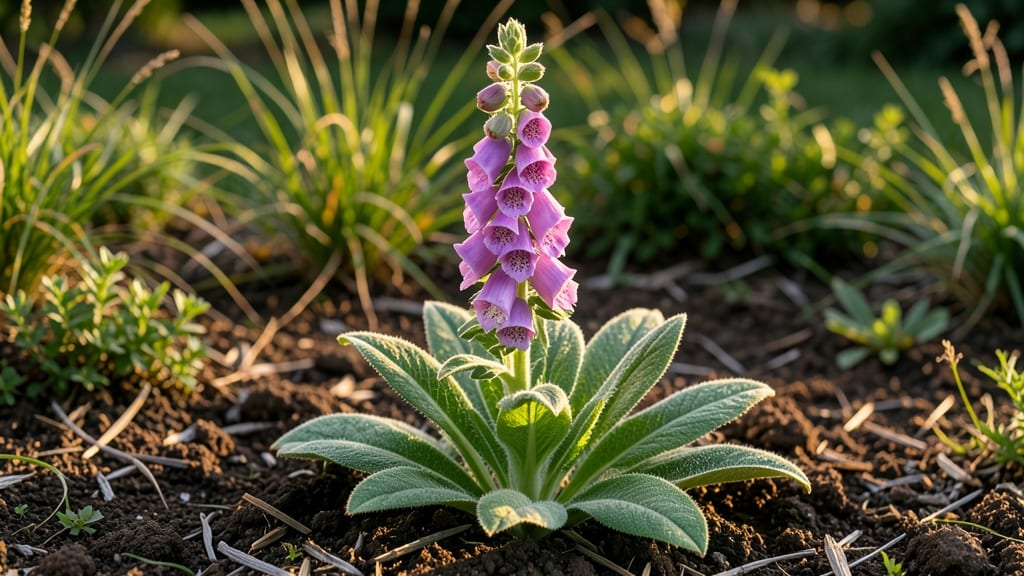
Foxglove leaf identification isn’t just about spotting a pretty garden plant—it’s about knowing the difference between a stunning flower and a deadly lookalike that could harm pets or children. 🌿 The key lies in those broad, fuzzy leaves with their jagged edges and prominent veins, a dead giveaway that sets them apart from safer plants like monkshood or lily of the valley.
Here’s the trick: foxglove leaves grow in a rosette at the base of tall flower spikes, with a velvety texture and irregular, serrated edges that look almost like they’ve been torn.
Compare that to monkshood, which has smoother, lobed leaves arranged differently, or lily of the valley’s tiny, lance-shaped foliage—nothing like foxglove’s bold statement.
If you’re unsure, never assume—foxglove contains digitalis, a toxin that can cause fatal heart issues. Check for the bell-shaped flowers (another dead giveaway) and avoid handling plants you can’t confirm. A quick photo comparison with a trusted guide can save a lot of worry—and potential danger.
This matters most in wild settings or gardens where foxglove might be mistaken for edible herbs. When in doubt, skip the guesswork: treat any unknown plant with fuzzy, jagged leaves as foxglove until proven otherwise. Safety first—especially when nature’s beauty hides risks.
Understanding Leaf Misidentification Risks
Foxglove (Digitalis purpurea) leaves may be mistaken for other plants due to a mix of natural similarities, environmental factors, and human error. Below are the key reasons why misidentification happens—and how to avoid costly (or deadly) mistakes.
Foxglove isn’t the only plant with large, velvety leaves and tall spikes. Several lookalikes share its lobed, hairy foliage, making quick visual ID tricky:
- Comfrey (Symphytum officinale) – Foxglove’s closest doppelgänger, with rough, crinkled leaves and similar leaf shape but no bell-shaped flowers.
- Hellebore (Helleborus niger) – Often confused due to dark green, leathery leaves, though its flowers bloom winter-to-spring (foxglove blooms summer).
- Monkshood (Aconitum napellus) – Features deeply lobed leaves and hooded flowers, but its blue-purple blooms are distinct from foxglove’s pinkish-white bells.
Why it matters: Foxglove’s cardiotoxic glycosides (like digitoxin) can cause fatal heart arrhythmias—even touching the plant can irritate skin. Misidentifying it as an edible or harmless plant risks poisoning.
Foxglove’s leaf shape changes drastically depending on age and season:
| Stage | Leaf Shape | Common Misidentification |
|---|---|---|
| Seedling | Small, round-lobed, fuzzy | Lettuce or young comfrey |
| Mature (Summer) | Deeply lobed, velvety, 6–12" | Hellebore or monkshood |
| Dormant (Winter) | Browned but still attached | Dead nettle or dried comfrey |
Why it happens:
- Young foxglove leaves resemble edible greens like dandelion or purslane.
- Dormant plants lose flowers but keep leaves, making them harder to spot in winter debris.
- Hybrids or cultivars (like Digitalis ferruginea) may have different leaf patterns, throwing off ID guides.
Even experienced gardeners misidentify foxglove because they overlook critical markers:
- 🚨 Skipping the flower check – Foxglove’s downward-facing, tubular bells are its signature trait. Many assume "no flowers = no foxglove," but seedlings and dormant plants can go unnoticed. - 📏 Ignoring leaf veins – Foxglove leaves have prominent, curved veins (like a hand with fingers).
Lookalikes (e.g., comfrey) have straighter, parallel veins. - 🌧️ Weather-related distortion – Heavy rain or fungal mildew can warp leaves, making them appear less lobed and more like hostas or coltsfoot.
Pro Tip: 💡 Always check three things:
- Leaf shape & texture (lobed + fuzzy = red flag).
- Stem & growth habit (foxglove grows 1–5 ft tall, often in clusters).
- Flowers (if present) – Bell-shaped, two-lipped, in vertical spikes.
Foxglove thrives in similar conditions as edible or ornamental plants, increasing misID risks:
- Woodland edges & gardens – Often grows near hostas, ferns, or comfrey, where gardeners expect non-toxic plants.
- Roadside ditches & meadows – Shared habitat with wild carrots, yarrow, or Queen Anne’s lace, which have lacy foliage but no foxglove’s toxicity.
- Urban areas – Some cities (like London) have foxglove as an invasive species, blending into native flora like foxglove’s cousin, the lily.
Why it’s dangerous:
- Foragers may pick foxglove leaves for tea or salads, risking nausea, vomiting, or cardiac arrest.
- Livestock (like goats or horses) may graze on it, leading to fatal poisoning.
Many online plant ID apps or field guides fail because they:
- Don’t emphasize toxicity – Some list foxglove as "ornamental" without warning.
- Use outdated images – Older guides may show cultivars with different leaf shapes.
- Lack regional specificity – A plant ID’d as "foxglove" in Europe might be comfrey in the U.S.
Actionable Fix: ✅ Cross-reference with multiple sources (e.g., USDA Plants Database + local botanical societies). ✅ When in doubt, don’t touch—use a long-handled tool or camera zoom to inspect safely.
Fixing Common Foxglove Confusions
Mistaking foxglove for safe plants can be dangerous, but knowing how to spot and solve these mix-ups keeps your garden—and your family—safe. Below are practical solutions for the most common misidentifications, along with prevention tips to avoid future confusion.
Foxglove’s towering height and bell-shaped flowers often lead gardeners to confuse it with comfrey, digitalis hybrids, or even ornamental snapdragons. Here’s how to correct the mix-up:
🍳 Step 1: Check the Leaf Shape
- Foxglove leaves are hairy, lance-shaped, and arranged in a rosette at the base with jagged edges.
- Comfrey leaves are broader, rough, and grow in a more clustered pattern.
- Snapdragons have thick, fuzzy leaves in opposite pairs along the stem.
👨🍳 Step 2: Examine the Flowers
- Foxglove blooms are two-lipped, tubular, and hang in a raceme (like a spike of bells).
- Comfrey flowers are small, spiky, and clustered in rounded heads.
- Snapdragons have distinctive "dragon mouth" shapes when squeezed.
⏰ Step 3: Verify the Plant’s Origin
- Foxglove thrives in woodland edges and partial shade.
- Comfrey prefers sunny, moist areas and is often used as a compost activator.
- Snapdragons are annuals grown for color in garden beds.
💡 Prevention Tip: Label your plants with photographs and names when they’re young. Use a garden journal to track growth patterns and flower structures.
If you’re hiking or foraging, spotting foxglove in the wild requires sharp observation. Here’s how to avoid dangerous mistakes:
🔪 Step 1: Look for the "Foxglove Triad"
- Hairy stems and leaves (a key identifier).
- Bell-shaped flowers in vertical spikes (unlike wildflowers with flat clusters).
- Square stems (when viewed in cross-section).
🌡️ Step 2: Compare with Safe Lookalikes
🎯 Prevention Tip:
When in doubt, take a photo and consult a local foraging guide or botanist. Never consume a plant you’re unsure about—foxglove poisoning can be fatal. If foxglove has already taken root, eradication is critical. Follow these steps to fully remove it and prevent regrowth: ✨ Step 1: Wear Protective Gear 🔥 Step 2: Dig Deep and Wide 🌱 Step 3: Dispose of Debris Properly 💡 Prevention Tip:
Replace foxglove with non-toxic alternatives like: With these solutions, you’ll confidently identify, avoid, and eliminate foxglove—keeping your garden both beautiful and safe. 🌿🔍
Plant
Leaf Shape
Flower Structure
Toxicity Level
Foxglove (Digitalis purpurea)
Hairy, lance-shaped, jagged edges
Two-lipped bells in a spike
⚠️ Highly toxic (contains cardiac glycosides)
Comfrey (Symphytum officinale)
Rough, broad, wrinkled
Small, spiky clusters
⚠️ Mildly toxic (contains pyrrolizidine alkaloids)
Lungwort (Pulmonaria spp.)
Oval, spotted, smooth edges
Pink/blue flowers in rounded clusters
🟢 Non-toxic (edible leaves)
Frequently asked questions
What makes foxglove leaves different from comfrey leaves?
Foxglove leaves are hairy with jagged edges and grow in a rosette at the base of the plant, while comfrey leaves are broader, rough, and wrinkled with straighter veins. Foxglove also has bell-shaped flowers in vertical spikes, which comfrey lacks.
Can foxglove leaves be confused with edible plants?
Yes! Young foxglove leaves resemble dandelion or purslane, while mature ones might look like hostas or lungwort. The key difference is foxglove’s fuzzy texture and prominent veins—never eat any plant you can’t positively identify. Always cross-check with multiple sources.
How do I safely remove foxglove from my garden?
Wear gloves and long sleeves to avoid skin irritation, then dig 12 inches deep to remove the entire root system. Never compost foxglove—bag it and throw it away. Monitor the area for 1 year to prevent regrowth.
What should I do if I suspect foxglove poisoning?
Contact Poison Control immediately (call 1-800-222-1222 in the U.S.). Symptoms include nausea, irregular heartbeat, or confusion. Avoid inducing vomiting unless instructed by a professional—time is critical for treatment.
Are there non-toxic alternatives to foxglove?
Yes! Try hollyhocks, delphiniums, or bee balm—all are safe for gardens and pollinators. These plants offer similar height and beauty without the risks. Replace foxglove with these to keep your garden both stunning and secure.