
Pruning
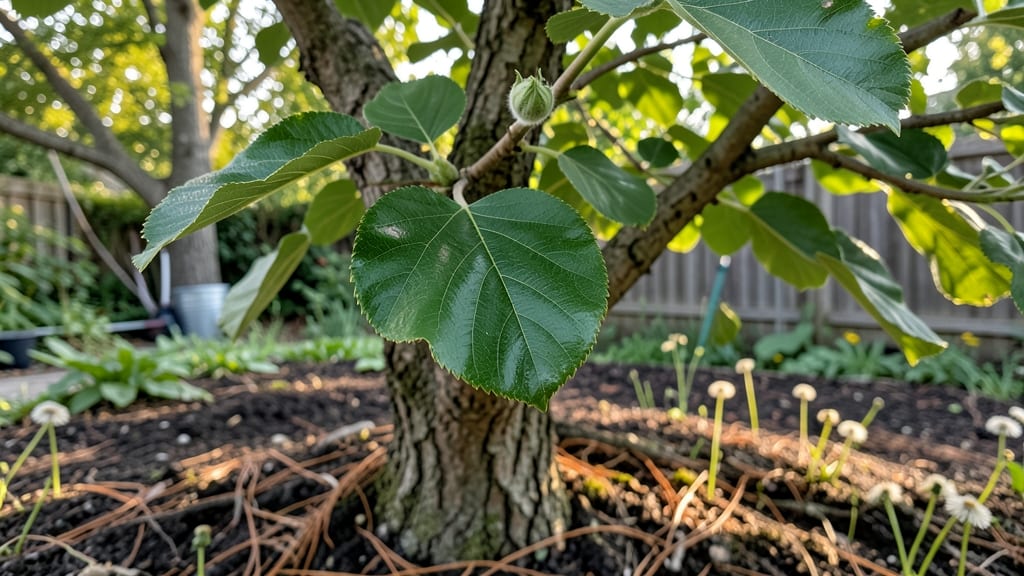
When your fruit tree leaves start yellowing, curling, or spotting, it’s not just cosmetic—it’s a cry for help. 🌿 I’ve seen healthy fruit trees turn into sad, struggling shadows because leaf issues went ignored, but targeted pruning can turn that around.
The key is recognizing the difference between pest damage, disease, and nutrient stress, then cutting back just the right leaves to restore balance.
Most gardeners wait too long to prune, thinking they’re harming the tree. But removing diseased or pest-ridden leaves actually strengthens the tree—it’s like giving it a fresh start. Start by inspecting leaves for common signs: brown spots (fungal infection), sticky residue (aphids), or thin, pale foliage (nutrient deficiency).
Grab your pruners and focus on those problem areas first.
With the right cuts, you’ll see new growth within weeks—thicker, greener leaves that mean more fruit next season. The trick is timing: prune in late winter or early spring before new buds swell, and always sterilize your tools to avoid spreading disease.
It’s not about drastic cuts, but strategic ones that let your tree breathe and recover.
This method works for apples, peaches, cherries, and even citrus—just adjust for your tree’s specific needs. The payoff? A tree that looks healthy year-round and produces fruit like it’s supposed to. Let’s get those leaves in shape!
Root Causes of Leaf Stress
When your fruit tree’s leaves start looking less than vibrant, it’s often a sign that something’s off beneath the surface. Understanding the why behind leaf issues is the first step to restoring your tree’s health.
Below, we break down the most common culprits—from hidden pests to environmental mismatches—so you can diagnose and act fast.
Fruit trees thrive within specific temperature, humidity, and sunlight ranges. When conditions stray too far from their preferences, leaves react with visible stress signals like yellowing, curling, or browning.
- Extreme Heat or Cold:
Leaves wilt or scorch in high heat (especially if combined with drought), while freezing temperatures can cause blackened or mushy spots. Most fruit trees (e.g., peaches, apples) prefer moderate climates—avoid planting in zones where winter lows dip below their tolerance (check USDA hardiness zones for your tree).
- Poor Air Circulation:
Trees left in shady, cramped spaces (like dense orchards or against walls) suffer from high humidity, which fosters fungal diseases (e.g., powdery mildew). Solution: Prune to open the canopy and space trees 10–20 feet apart for airflow.
- Water Stress:
Overwatering drowns roots, cutting off oxygen, while underwatering leads to wilting and leaf drop. Most fruit trees need 1–2 inches of water weekly (deep soak, not frequent light sprinkles). Test soil moisture: Stick your finger 2 inches down—if dry, water; if soggy, hold off.
Unseen invaders—like insects, fungi, or bacteria—can wreak havoc on leaves, often leaving behind distinctive clues. Here’s how to spot them:
| Symptom | Likely Culprit | Action Steps |
|---|---|---|
| Tiny holes or chewed edges | Caterpillars, beetles, or mites | Handpick pests early; use neem oil or insecticidal soap (apply at dusk to avoid harming bees). |
| Sticky residue ("honeydew") + black sooty mold | Aphids or scale insects | Blast leaves with water to dislodge aphids; prune heavily infested branches. |
| Yellow/brown spots with fuzzy white growth | Powdery mildew (fungus) | Remove infected leaves; apply baking soda spray (1 tsp baking soda + 1 quart water + drop of soap) weekly. |
| Dark, greasy patches that ooze | Bacterial leaf spot | Prune infected leaves immediately (sterilize shears with rubbing alcohol); avoid overhead watering. |
Leaves act as the tree’s nutrient delivery system. When soil lacks key minerals, they send distress signals through color changes:
- Yellow leaves (starting at tips):
Likely nitrogen deficiency. Nitrogen fuels leaf growth—apply compost or blood meal in early spring. Pro tip: Test soil pH (ideal: 6.0–7.0 for most fruit trees); acidic soil locks out nutrients.
- Purple or red tinges:
Sign of phosphorus shortage. Boost with bone meal or well-rotted manure. Phosphorus helps root and flower development.
- Brown edges or "scorching":
Could indicate potassium or magnesium deficiency. Add wood ash (for potassium) or Epsom salt (1 tbsp/gallon water, foliar spray) for magnesium.
- New leaves small or deformed:
Possible zinc or iron deficiency. Chelated iron sprays or zinc sulfate (1 tsp/gallon water) can help.
Overzealous or improper pruning can shock a tree, leading to weak growth and stressed leaves. Common mistakes include:
- Cutting at the Wrong Time:
Pruning during active growth (spring/summer) stresses the tree. Best times:
- Late winter (before buds swell)
- Early fall (6–8 weeks before first frost)
- Removing Too Much at Once:
Never trim more than 25% of the canopy in one session. Heavy pruning can starve the tree of energy, causing leaf drop.
- Poor Cut Technique:
Leaving stubs or cutting into the collateral bud (the bud directly opposite the branch’s direction) leads to weak regrowth. Always cut just outside the branch collar (the swollen area where the branch meets the trunk).
Compacted, nutrient-poor, or improperly drained soil strangles roots, cutting off the tree’s lifeline. Signs include:
- Slow recovery after pruning
- Leaves yellow even with regular watering
- Mushrooms sprouting at the base (indicates poor drainage)
Fix it:
- Test soil drainage: Dig a 12-inch hole, fill with water—if it drains in <30 mins, soil is fine. If water pools, amend with compost or sand.
- Add organic matter (compost, leaf mold) to improve structure and nutrient retention.
- Consider mulching (2–4 inches of wood chips) to regulate soil temperature and moisture.
How to solve it
Revitalizing your fruit tree’s leaves starts with identifying the root cause—and then taking action. Below, we’ve mapped common problems to step-by-step solutions, plus prevention tips to keep your tree thriving year-round.
Whether your leaves are yellowing, curling, or spotted, these fixes are designed to be easy, effective, and budget-friendly.
Cause: Yellow leaves often signal iron deficiency (chlorosis), overwatering, or root rot. Fruit trees like citrus, apples, and peaches are especially prone to these issues.
How to Fix It:
- Test Your Soil 🧪 Grab a soil sample from 6 inches deep and send it to a local extension office for a pH test. Ideal pH for most fruit trees is 6.0–7.0. If it’s too alkaline (above 7.5), iron becomes unavailable to the tree.
- Apply Chelated Iron 💊 For chlorosis (yellowing between veins), use a chelated iron supplement like Ironite or ferrous sulfate.
Follow package instructions—typically, 1–2 applications per year (spring and early summer) work best. Pro Tip: 💡 Avoid iron sulfate if your soil is already acidic (below 6.0)—it can make the problem worse.
- Adjust Watering Habits 💧 Overwatering suffocates roots, leading to yellowing. Check soil moisture before watering: Stick your finger 2–3 inches deep—if it’s damp, wait. Most fruit trees need 1–1.5 inches of water per week, including rainfall.
- Improve Drainage 🚿 If your tree sits in soggy soil, amend the area with compost or organic matter to loosen the soil. For container-grown trees, ensure pots have drainage holes and use a well-draining mix.
Prevention:
- Mulch properly: Apply 2–4 inches of organic mulch (wood chips, straw) around the base, but keep it 6 inches away from the trunk to prevent rot.
- Water deeply but less often: Encourage deep root growth by watering slowly at the base (not overhead) for 20–30 minutes, 2–3 times per week.
Cause: Curling leaves can stem from spider mites, aphids, environmental stress (heat/drought), or fungal diseases like leaf curl.
How to Fix It:
- Inspect for Pests 🔍 Flip leaves over—do you see tiny webs (spider mites)? Or sticky residue (aphids)?
- Spider mites: Spray leaves with a strong stream of water to knock them off, then apply neem oil (1 tsp per quart of water) every 5–7 days for 2 weeks.
- Aphids: Blast them off with water, then introduce ladybugs (natural predators) or spray soapy water (1 tsp mild soap per quart of water).
- Treat Fungal Infections 🍄 If leaves are puckered or covered in white powder (powdery mildew), prune affected branches and remove fallen leaves. Apply baking soda spray (1 tbsp baking soda + 1 tsp oil + 1 quart water) weekly until cured.
- Reduce Stress Factors 🌡️
- Shade cloth: If your tree is in intense afternoon sun, provide 30% shade cloth during peak heat (especially for young trees).
- Mulch deeply: Retain moisture with 4–6 inches of mulch to protect roots from temperature swings.
Prevention:
- Prune for airflow: Thin out dense branches to reduce humidity (fungi love damp, stagnant air).
- Monitor pests early: Check leaves weekly during growing season—catch infestations before they spread!
Cause: Brown spots, holes, or blackened edges usually mean fungal diseases (anthracnose, leaf spot) or chewing insects (leafrollers, borers).
How to Fix It:
- Prune Infected Leaves ✂️ Remove all spotted or holey leaves and dispose of them in the trash (not compost). Sterilize pruners with rubbing alcohol between cuts.
- Apply Fungicide 🛡️ Use a copper-based fungicide (like CuPro) or organic options like:
- Milk spray (1 part milk to 9 parts water) for early-stage fungal issues.
- Potassium bicarbonate (follow label rates) for resistant fungi.
- Target Insects 🐛
- Leafrollers: Handpick eggs/worms or apply Bt (Bacillus thuringiensis) spray.
- Borers: Drill holes into the bark and inject beneficial nematodes or spray neem oil into the entry points.
Prevention:
- Water in the morning to allow leaves to dry quickly (fungi thrive in wet foliage).
- Space trees properly (follow spacing guidelines for your fruit tree type) to improve airflow.
No matter the issue, these universal tips keep leaves healthy: - Fertilize wisely: Use a balanced, slow-release fertilizer (10-10-10) in early spring and late summer.
Avoid high-nitrogen fertilizers—they promote leafy growth at the expense of fruit. - Prune strategically: Remove dead, diseased, or crossing branches in late winter/early spring to encourage new growth. - Monitor regularly: Spend 10 minutes weekly inspecting leaves—early detection = easier fixes!
Final Thought: 🎯 Most leaf problems are preventable with consistent care. Start with soil health, adjust watering, and keep an eye out for pests. Your fruit tree will reward you with lush, vibrant foliage—and a bountiful harvest!
Frequently asked questions
Why are my fruit tree leaves turning yellow but staying on the branches?
This is often a sign of iron deficiency (chlorosis) or overwatering. Most fruit trees need 1–1.5 inches of water weekly—check soil moisture before watering. For chlorosis, apply chelated iron (like Ironite) in early spring and test your soil pH (ideal: 6.0–7.0). If soil is too alkaline, iron becomes unavailable.
Can I prune leaves with holes or spots to save my fruit tree?
Yes! Remove all diseased or pest-damaged leaves immediately to prevent spread. Sterilize your pruners with rubbing alcohol between cuts. For fungal issues (like brown spots), also apply copper fungicide or a baking soda spray (1 tbsp baking soda + 1 quart water). Dispose of infected leaves in the trash, not compost.
How do I tell if my fruit tree leaves are curling from pests or environmental stress?
Flip leaves over—look for tiny webs (spider mites) or sticky residue (aphids). For pests, spray with neem oil or soapy water. If no pests are visible, check for heat stress (provide afternoon shade) or poor drainage (amend soil with compost). Curling from drought often appears on younger leaves first.
Is it safe to use household items like baking soda or milk to treat leaf diseases?
Both are effective and budget-friendly for early-stage fungal issues. Mix 1 tbsp baking soda + 1 tsp oil + 1 quart water for powdery mildew, or use 1 part milk to 9 parts water for leaf spots. Apply every 7–10 days until symptoms improve. Always test on a small area first to avoid leaf burn.
When is the best time to prune fruit tree leaves for health, not just aesthetics?
Prune late winter (before buds swell) or early fall (6–8 weeks before frost) for best results. Avoid pruning during active growth (spring/summer)—this stresses the tree. Focus on removing dead, diseased, or crossing branches first. Never cut more than 25% of the canopy in one session to prevent shock.