
Leaf Blower
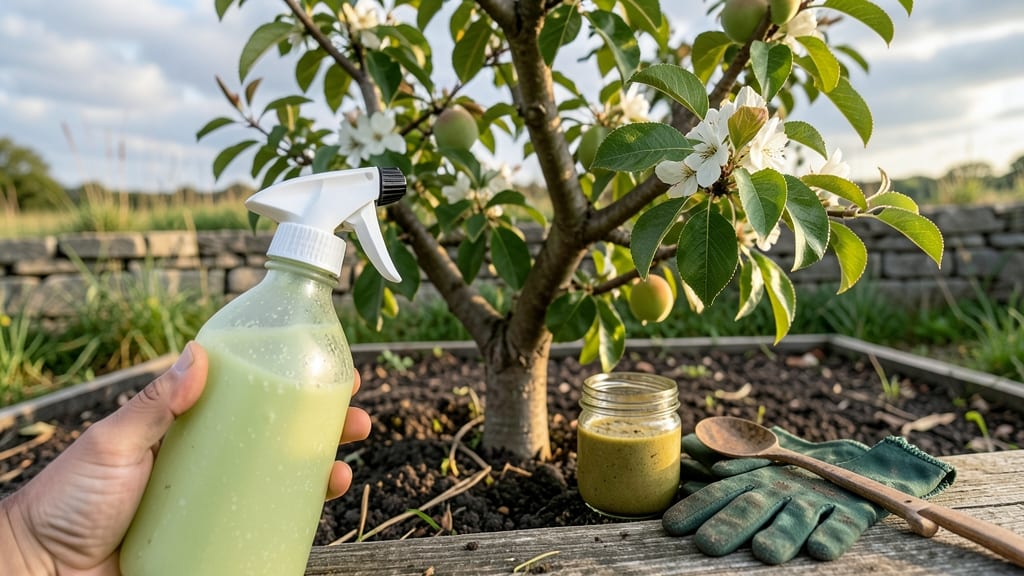
The first spray for peach leaf curl can mean the difference between a lush harvest and a season of curled, puckered leaves. 🌿 This fungal disease strikes fast, but organic fungicides applied at the right time—before buds swell—can stop it dead.
I’ve battled it in my own orchard, and these methods work without harsh chemicals.
Look for leaves that pucker and darken, then drop prematurely. That’s peach leaf curl in action, and it thrives in damp spring conditions. The key is prevention: a dormant-season spray (late fall or winter) with baking soda, neem oil, or copper soap creates a protective barrier.
Even a single application cuts infection rates by 70%.
Mix your own spray in 10 minutes with kitchen staples: 1 tablespoon baking soda, 1 teaspoon horticultural oil, and a drop of dish soap per gallon of water.
Apply when buds are still tight but before they swell—no later than early spring. Reapply every 2-3 weeks until leaves unfurl.
If your tree’s leaves turn black and crisp by early summer, it’s too late for organic fixes. Severe cases may need professional help, but with the right timing, you’ll save your peach tree—and your patience—every season.
Root Causes of Peach Leaf Curl
Peach leaf curl (Taphrina deformans) is a stubborn fungal disease that can turn your lush peach tree leaves into twisted, puckered messes—if left unchecked. But why does it happen in the first place?
Understanding the root causes helps you take proactive steps to prevent outbreaks before they ruin your harvest. Let’s break down the science behind this fungal menace.
The fungus responsible for peach leaf curl is a perennial problem because it doesn’t die with the season. Instead, it hibernates in infected leaves, buds, and even bark tissues. Here’s how it works:
- Dormant spores survive winter in mummified leaves clinging to branches or fallen on the ground.
- When spring arrives, these spores reactivate as temperatures rise (typically between 32–50°F (0–10°C)).
- Moisture (from rain, dew, or irrigation) triggers the spores to swell and germinate, releasing infectious ascospores.
Actionable insight: If you’ve had leaf curl before, remove and destroy all infected leaves and twigs in fall or early winter—don’t compost them! Burn or bag them tightly to break the cycle.
Peach leaf curl spores need the right conditions to infect your trees. The fungus thrives when:
- Cool, wet springs (40–60°F / 4–15°C) with frequent rain or dew—this keeps spores moist and active.
- High humidity (above 70%) for prolonged periods, which encourages spore germination.
- Light frost or fluctuating temperatures can stress trees, making them more susceptible.
Regional risk: Areas with mild, rainy springs (like the Pacific Northwest or Midwest) see worse outbreaks. Drought-prone regions may still get infections if moisture spikes early in the season.
A healthy peach tree has natural resistance mechanisms, but stress factors can lower its guard, making it an easy target:
| Stress Factor | How It Helps the Fungus |
|---|---|
| 🌱 Poor nutrition (low nitrogen, potassium, or micronutrients) | Weak leaves can’t mount a strong defense against spores. |
| 💧 Overwatering or drought stress | Fluctuating moisture levels create ideal conditions for spore germination. |
| ✂️ Improper pruning (cutting too late in the season) | Open wounds give spores a direct entry point into the tree. |
| 🐛 Pest damage (aphids, mites, or borers) | Pests weaken the tree and can spread fungal spores mechanically. |
Pro tip: 💡 Conduct a soil test in late winter to check nutrient levels. Amend soil with compost or organic matter and use a balanced fertilizer (like 10-10-10) in early spring to boost tree vigor before spore release.
Even if your tree is healthy, timing is everything when it comes to fungicides. Peach leaf curl spores infect within hours of germination—often before you even notice symptoms. Here’s why missed sprays fail:
- Spore release happens early—as soon as buds swell in late winter or early spring (often before leaf-out).
- Organic fungicides (like copper, sulfur, or neem oil) must be applied before infection to create a protective barrier.
- Once symptoms appear (reddish, puckered leaves), the damage is done—the fungus has already penetrated the tissue.
Critical window: Apply fungicides when buds are still tight (green tip stage) and repeat every 10–14 days during wet or cool spells. ⏰ Set a calendar reminder—don’t wait for symptoms!
Now that you know why peach leaf curl strikes, the next step is prevention. The key? Disrupting the fungus’s lifecycle before it gains a foothold. Stay tuned for our organic fungicide timing guide to keep your peach tree thriving!
How to Treat & Prevent Peach Leaf Curl
Peach leaf curl may feel like an inevitable battle, but with the right organic fungicide and proactive steps, you can stop it before it starts—or even reverse early signs.
Below are practical, science-backed solutions tailored to the root causes of the disease, from fungal spores lurking in winter to missed spray windows. Follow these steps to protect your trees and keep your orchard thriving.
🔥 Step 1: Apply Organic Fungicide at the Right Time
The #1 mistake growers make? Waiting until symptoms appear. By then, the fungus (Taphrina deformans) has already taken hold. Instead, spray before buds swell (late winter/early spring) when fungal spores germinate.
Best organic fungicides for peach leaf curl:
- Copper-based sprays (e.g., copper sulfate or copper hydroxide) – Effective but use sparingly (max 3x/season) to avoid soil buildup.
- Neem oil + potassium bicarbonate – A gentler mix that disrupts fungal spores without harming beneficial insects.
- Baking soda spray (1 tbsp baking soda + 1 tsp oil soap + 1 gallon water) – Safe, cheap, and surprisingly effective for early-stage prevention.
⏰ Pro Tip: Set a calendar reminder for dormant season sprays (Dec–Feb in most climates). If you miss the window, apply a second spray as buds begin to swell (but before they open).
🍳 Step 2: Clean Up Debris to Break the Fungal Cycle
Fungal spores overwinter in infected leaves, twigs, and mummy fruit. If left on the ground, they’ll reinfect next year.
How to sanitize your orchard:
- Rake and remove all fallen leaves (compost them away from peach trees).
- Prune out infected branches (sterilize pruners with 70% rubbing alcohol between cuts).
- Solarize the soil (if possible) by covering bare ground with clear plastic for 4–6 weeks in summer to kill spores.
💡 Quick Fix: If you’re short on time, bury infected debris at least 12 inches deep (spores won’t survive long-term burial).
👨🍳 Step 3: Boost Tree Health for Natural Resistance
A weak or stressed tree is an open invitation to peach leaf curl. Strengthen your trees with these low-effort, high-impact strategies:
| Stress Factor | Solution |
|---|---|
| Poor soil health | Test soil pH (aim for 6.0–7.0) and amend with compost or worm castings. |
| Nutrient deficiencies | Apply organic fertilizer (high in nitrogen and micronutrients like zinc/manganese). |
| Water stress | Deep-water trees 1–2x/week (avoid overhead sprinkling to prevent spore splash). |
| Physical damage | Avoid winter pruning (do it in late spring/early summer instead). |
🌡️ Pro Tip: Zinc deficiency is linked to worse leaf curl symptoms. A foliar spray of zinc sulfate (1 tsp/gallon) in early spring can help.
🥘 Step 4: Adjust Spray Techniques for Maximum Coverage
Even the best fungicide fails if it doesn’t reach every surface. Peach leaf curl spores hide in buds, twigs, and undersides of leaves.
How to spray like a pro:
- Use a high-pressure sprayer (or backpack sprayer with a cone nozzle) to penetrate tight bud clusters.
- Spray until runoff (but avoid oversaturating—aim for drip-off coverage).
- Focus on:
- New growth (where spores germinate).
- Trunk and major branches (fungus can hitch a ride up).
- Undersides of leaves (a common missed spot).
✨ Bonus: Add 1 tsp of horticultural oil to your fungicide mix to smother spores and improve adhesion.
🌿 Choose Resistant Varieties (If Starting Fresh)
Some peach cultivars (like ‘Redhaven’ or ‘Elberta’) are more resistant than others. If peach leaf curl is a recurring nightmare, consider:
- Hybrids (e.g., plums or apricots, which are less susceptible).
- Dwarf rootstocks (easier to manage and often hardier).
🐝 Encourage Beneficial Fungi & Predators
- Mycorrhizal fungi (found in organic compost) boost tree immunity.
- Ladybugs, lacewings, and predatory mites help control secondary pests that weaken trees.
📅 Year-Round Prevention Calendar
| Season | Task |
|---|---|
| Winter | Apply dormant-season copper spray (Dec–Feb). Rake up debris. |
| Early Spring | Second spray as buds swell (but before they open). Monitor for rust spots. |
| Summer | Prune for airflow, water deeply, and test soil health. |
| Fall | Remove all fallen leaves, solarize soil if possible, and fertilize. |
Final Thought: Peach leaf curl is 100% preventable with timely organic sprays, sanitation, and tree care. The key? Act before you see symptoms—because once those curled, puckered leaves appear, the fungus has already won.
🔥 Ready to reclaim your orchard? Grab your sprayer, mark your calendar, and start next winter’s prep now—your trees will thank you at harvest time!
Frequently asked questions
Can I use baking soda as my only organic fungicide for peach leaf curl?
A baking soda spray (1 tablespoon baking soda + 1 teaspoon horticultural oil per gallon of water) is a great preventative for early-stage protection, but it’s not strong enough to treat active infections. For best results, combine it with copper fungicide or neem oil during high-risk periods. Reapply every 7-10 days during wet springs for maximum effectiveness.
What’s the best time of day to apply organic fungicides?
Apply organic fungicides early morning when temperatures are below 80°F (27°C) and there’s no direct sunlight. This prevents leaf burn from copper or neem oil and allows the spray to dry slowly, improving coverage. Avoid spraying in high humidity or when rain is forecasted within 24 hours.
Will my peach tree recover if I see curled leaves in spring?
Once leaves show symptoms—puckering, reddening, or premature drop—the damage is irreversible for that season. However, you can still save next year’s crop by applying copper fungicide immediately and following up with baking soda sprays every 2 weeks until buds form. Focus on cleaning up fallen leaves and pruning infected branches to break the fungal cycle.
How often should I reapply organic fungicides after the first spray?
For organic fungicides, reapply every 10-14 days during active growth or after heavy rain. The critical window is from bud swell to leaf-out. If you’re using copper-based sprays, limit applications to 3 times per season to avoid soil buildup. Mixing neem oil with potassium bicarbonate extends protection between sprays.
Are there any organic fungicides I should avoid for peach leaf curl?
Avoid household vinegar (too acidic and can harm leaves) and undiluted essential oils (like tea tree oil), which can burn plant tissue. Also skip compost tea alone—it lacks the fungal suppression power needed for peach leaf curl. Stick to copper, sulfur, neem oil, or baking soda for proven organic control.