
Pruning
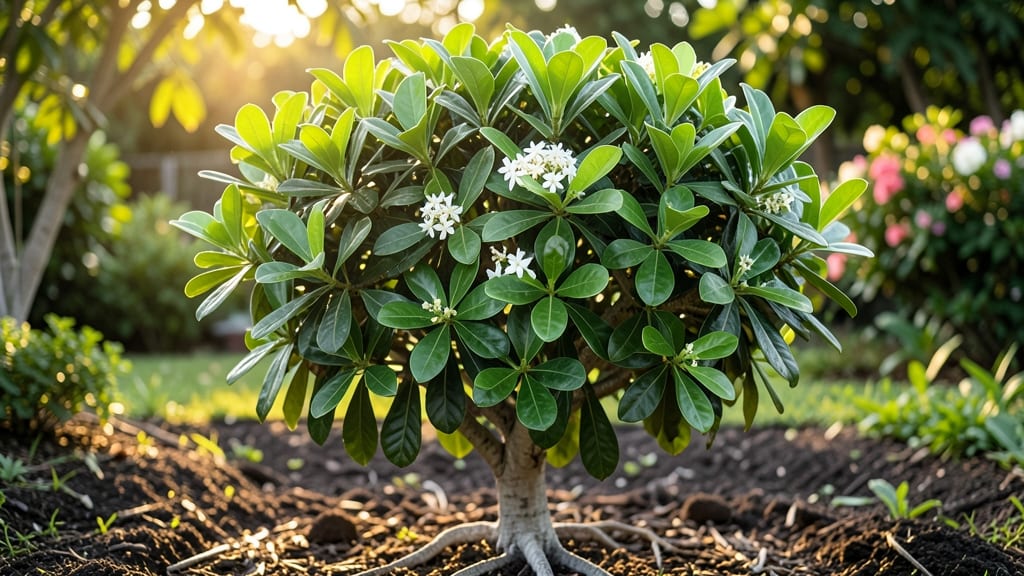
A full-grown curry leaf tree 🌿 can reach 20 feet tall and become a kitchen staple—but only if you prune it right.
Picture this: your tree is lush, your harvests are endless, and every curry dish tastes fresher than store-bought. But skip the pruning, and you’ll end up with leggy branches, sparse leaves, and a tree that struggles to keep up with your cooking needs.
This guide breaks down everything you need to know about pruning a mature curry leaf tree—from when to trim for maximum leaf production to avoiding the costly mistakes that stunt growth.
You’ll learn how to shape your tree for year-round harvests, the best tools to use, and seasonal tips to keep it thriving in zones 10-12.
How to identify and prune a full grown curry leaf tree for maximum leaf production
A full grown curry leaf tree (Murraya koenigii) typically reaches 10-40 feet tall with a dense, glossy canopy. When mature, it produces year-round leaves perfect for curries—but only if pruned correctly.
The key is recognizing growth stages and pruning at the right time to encourage bushier, leafier growth without stressing the tree.
Your tree is truly full grown when it develops a thick trunk (3+ inches wide) and multiple main branches. Look for dark green, glossy leaves (2-4 inches long) and new growth appearing after pruning.
These signs mean your tree is ready for structured pruning to maximize leaf production while keeping it healthy.
Pruning at the wrong time can reduce leaf yield or invite pests. In monsoon seasons, focus on light pruning to remove dead or diseased branches. During dry seasons (spring/summer), prune more aggressively to stimulate bushier growth before the next harvest cycle.
Here’s how to prune your full grown curry leaf tree for optimal leaf production:
Pruning your curry leaf tree in spring (before new growth) ensures it enters the growing season strong. Aim to remove no more than 25-30% of foliage per year—any more risks shocking the tree and reducing leaf production. Always prune on a dry, sunny day to allow wounds to heal quickly.
After pruning, your tree should show new shoots within 4-6 weeks. If you notice stunted growth or leaf drop, you may have pruned too aggressively. In this case, reduce future cuts and focus on fertilizing and watering to encourage recovery.
For container-grown trees, prune more frequently (every 3-4 months) to control size. Use well-draining pots and lightweight soil to prevent root stress. In ground-planted trees, prune annually in late winter/early spring to shape the tree and remove deadwood.
With the right pruning techniques, your full grown curry leaf tree will produce abundant, flavorful leaves year-round. The key is patience and consistency—avoid drastic cuts, and always prioritize tree health over size control. Happy pruning! 🌿
Best pruning tools and maintenance tips to keep your curry leaf tree thriving
Pruning your full grown curry leaf tree is essential for maintaining its health and maximizing leaf production. The right tools and techniques make all the difference—whether you're shaping the tree or encouraging bushier growth.
Using dull or contaminated tools can introduce diseases like fungal infections, while improper cuts may stunt growth or damage the tree's structure.
Start by selecting the appropriate pruning tools based on branch thickness. For small branches under ½ inch thick, use bypass pruners for clean cuts. Larger branches (½ to 1.5 inches) require felco pruners or hand pruners, while thick branches over 1.5 inches need a pruning saw.
Always ensure your tools are sharp to avoid tearing the bark, which can invite pests.
| Tool | Best For | Maintenance Tip |
|---|---|---|
| Bypass Pruners | Branches < ½ inch | Sanitize with rubbing alcohol |
| Felco Pruners | Branches ½–1.5 inches | Oil blades after use |
| Pruning Saw | Branches > 1.5 inches | Replace dull blades |
| Gloves | Protection from thorns | Wear thick gardening gloves |
Before pruning, always sanitize your tools with a 10% bleach solution or rubbing alcohol to prevent the spread of bacterial or fungal diseases. After pruning, dispose of fallen leaves and small branches to reduce debris around the tree.
This practice minimizes the risk of root rot and other soil-borne pathogens that thrive in moist environments.
Schedule your pruning sessions during the monsoon season (June–September) or early spring to encourage new growth. Avoid heavy pruning in winter months when the tree is semi-dormant.
Light trimming to remove dead or crossing branches can be done year-round, but never remove more than 25% of the foliage at once to avoid shocking the tree.
Post-pruning care is just as critical. Apply a balanced organic fertilizer (like 6-6-6 NPK) to replenish nutrients lost during trimming. Water the tree deeply to help it recover, and mulch the base with compost or straw to retain moisture and suppress weeds.
Monitor the tree closely for signs of stress, such as yellowing leaves or wilting, which may indicate over-pruning or disease.
For a year-round harvest, prune your curry leaf tree lightly every 3-4 months to maintain its shape and encourage continuous leaf production. Always make cuts just above a leaf node or bud to promote healthy regrowth.
With the right tools, timing, and care, your full grown curry leaf tree will thrive and provide fresh leaves for all your culinary needs. ✂️🌿