
Trees
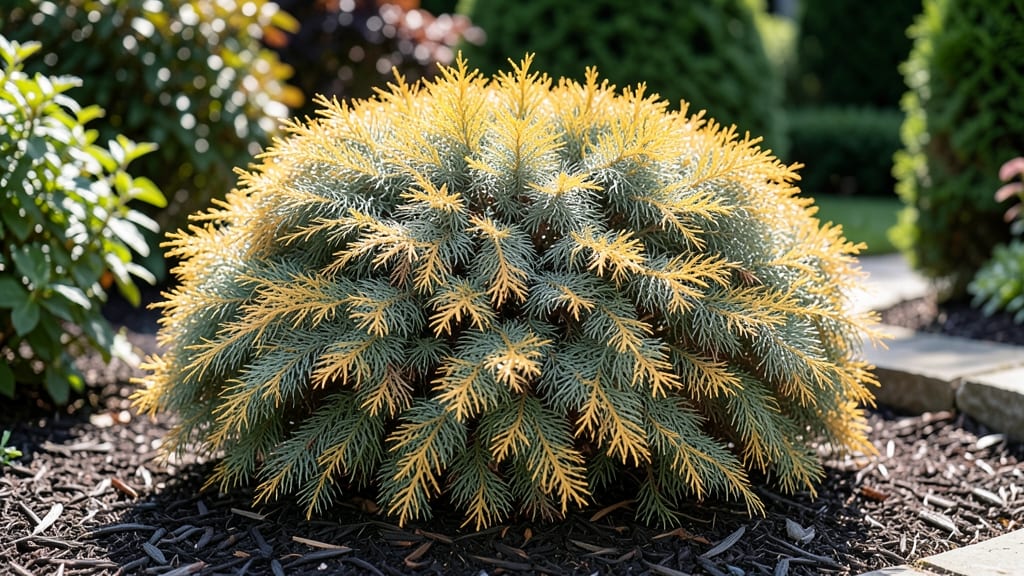
Planting Golden Mop Threadleaf False Cypress transforms dull winter landscapes into year-round gold. 🌿 This compact evergreen thrives where others fade—its golden foliage stays vibrant even when neighbors' gardens turn brown. The secret lies in its adaptability: it handles heat, cold, and urban pollution better than most conifers.
You'll need well-draining soil and full sun to partial shade, but the real magic happens in how you plant it. Dig a hole twice as wide as the root ball but no deeper—this prevents waterlogging that can rot the roots.
A 3-5 gallon container plant establishes quickly, while bare-root specimens need extra care during transplant shock. Once established, this tree needs minimal watering—about 1 inch per week during dry spells.
Prune lightly in late winter to maintain its mounded shape, but avoid heavy cuts that strip away its signature golden hue. The result? A low-maintenance focal point that brightens any garden, from city patios to rural landscapes. For best results, plant in early spring or fall when temperatures are mild.
In colder zones, choose a sheltered spot to protect it from harsh winds. With proper care, this golden beauty will reward you with decades of effortless elegance.
📚 In This Guide
- What you need
- Instructions
- Tips and common mistakes
- Wrapping up and next steps
What you need
- ● 1 healthy Golden Mop Threadleaf False Cypress (Chamaecyparis pisifera 'Filifera Aurea') – Choose a 1- to 3-gallon container plant for best results.
- ● High-quality, well-draining potting mix – A blend of peat moss, perlite, and pine bark works perfectly (avoid heavy clay soil!).
- ● Organic mulch (e.g., pine straw or shredded bark) – 2-3 inches to retain moisture and regulate soil temperature.
- ● Slow-release fertilizer (10-10-10 or similar) – 1 pound per 100 sq. ft. of planting area.
- ● Watering can or hose with a gentle spray nozzle – For deep, even hydration without damaging delicate foliage.
- ● Garden trowel or spade – For digging planting holes and amending soil.
- ● Pruning shears – Sharp, clean shears to trim dead branches or shape your cypress.
- ● Garden gloves – Protect your hands from thorns and rough bark.
- ● Measuring tape – Ensures proper spacing (3-5 feet apart for mature plants).
- ○ Staking kit (optional) – Useful for young plants in windy areas.
- ● Full sun to partial shade location – At least 6 hours of sunlight daily for optimal golden foliage.
- ● Well-draining soil with a pH of 5.5-7.0 – Test your soil if unsure (amend with sulfur or lime as needed).
- ● Patience for slow growth – This cypress grows 6-12 inches per year, so plan for long-term beauty!
- ● Winter hardiness zone 5-8 – Verify your climate zone before planting.
How to plant and maintain golden Mop Threadleaf False Cypress for year-round color
This evergreen stunner thrives with minimal fuss—just follow these steps to keep its golden foliage vibrant through every season.
🪴 Step 1: Select the Perfect Planting Site
Golden Mop Threadleaf False Cypress (Chamaecyparis pisifera 'Golden Mop') thrives in partial shade to full sun, but here's the trick: morning sun and afternoon shade prevents leaf scorch while maintaining that golden hue. I always check the site for at least 4 hours of direct light daily—any less and the foliage fades to pale green.
Soil must drain well—this plant hates soggy roots. Amend heavy clay with 2-3 inches of compost or 10% perlite to improve aeration. Dig a hole twice as wide as the root ball but only as deep—planting too deep suffocates the roots and causes stress. Tap the hole gently to remove air pockets before setting the plant in.
🌱 Step 2: Plant with Proper Spacing and Mulch
Space plants 6-8 feet apart for mature size—crowding leads to poor airflow and fungal issues. Remove the plant from its container and loosen any circling roots with your fingers. Place it in the hole so the top of the root ball sits level with the surrounding soil—never bury the trunk.
Backfill with native soil mixed with 1 part compost, pressing lightly to eliminate air gaps. Water deeply until moisture reaches 6 inches down. Apply 2-3 inches of mulch (pine bark or shredded leaves) around the base, keeping it 6 inches away from the trunk to prevent rot. This mulch layer locks in moisture while protecting roots from winter freeze-thaw cycles.
☀️ Step 3: Water Deeply and Adjust for Seasons
Water once a week during the first growing season, aiming for 1-1.5 gallons per plant until the soil 4 inches down feels moist. After establishment, reduce to every 10-14 days unless your area experiences consistent 90°F+ temperatures—then increase to weekly. Overwatering is the #1 killer; I test by sticking my finger in—if it's damp at 2 inches, wait.
In winter, cut back to monthly watering unless you're in a windy or dry climate. The key is consistency: Golden Mop hates moisture fluctuations, which cause the tips to brown. A drip irrigation system set to shallow cycles keeps roots happy without oversaturating.
✂️ Step 4: Prune for Shape and Health
This cultivar grows naturally compact, but I still prune once in late spring to maintain its mounded shape. Use clean, sharp shears to trim back any leggy growth or brown tips—never cut into old wood, as it won't regenerate. Shape by thinning out crowded branches from the center to improve airflow and prevent disease.
For winter prep, remove all dead or diseased branches in early fall. Avoid heavy pruning then—it stresses the plant before dormancy. If you notice yellowing needles, that's often a sign of iron deficiency—apply a chelated iron supplement in early spring when new growth begins.
🌿 Step 5: Protect Against Winter Burn
Golden Mop's golden hue fades in winter, but browning means cold damage. To prevent this, apply 2-3 inches of mulch in late fall and wrap young plants with burlap if your winters drop below 10°F. Mature plants handle colder temps, but wind desiccates foliage—plant near a windbreak if possible.
Here's the secret: avoid fertilizing in fall. New growth at that time is more vulnerable to frost. Instead, apply a slow-release fertilizer in early spring when you see new shoots emerge. This jumpstarts growth without overstimulating the plant before it's ready.
Tips & tricks for perfect golden Mop Threadleaf False Cypress care
Between us, I've seen Golden Mop plants go from vibrant gold to sad, browned shadows—here's how to keep that lush color all year.
Sunlight Strategy: That 4 hours of direct light mentioned in Step 1 is non-negotiable, but here's the thing: east-facing windows or morning sun exposure works best. If your site gets harsh afternoon sun, consider a 30% shade cloth during peak hours (12-3 PM) to prevent leaf scorch while maintaining that golden hue. I've seen plants in full afternoon sun turn pale green within weeks.
Soil Science: The 2-3 inches of compost or 10% perlite amendment in Step 1 isn't just about drainage—it's about creating an airy root zone. I test soil aeration by pressing my finger down: if it feels compact, add more organic matter. For heavy clay soils, mix in 20% coarse sand to prevent that suffocating effect mentioned in the instructions.
Watering Wisdom: That 1-1.5 gallons per week during establishment might seem like a lot, but here's what nobody tells you—Golden Mop's roots need deep saturation. Use a moisture meter to verify 4 inches down is moist, not just the surface. In containers, I add 1 cup of watering crystals to the planting mix to help regulate moisture release between waterings.
Winter Protection: The 10°F threshold for burlap wrapping is crucial, but I've found that adding a layer of evergreen boughs (like pine or spruce) around the base in late November provides extra insulation without blocking light. This works especially well for young plants that haven't established deep root systems yet.
Pro Tips for Golden Mop Threadleaf False Cypress
- Between us, I've seen Golden Mop plants go from vibrant gold to sad, browned shadows—here's how to keep that lush color all year.
- Sunlight Strategy: That 4 hours of direct light mentioned in Step 1 is non-negotiable, but here's the thing: east-facing windows or morning sun exposure works best.
- Soil Science: The 2-3 inches of compost or 10% perlite amendment in Step 1 isn't just about drainage—it's about creating an airy root zone.
Frequently asked questions
about Golden Mop Threadleaf False Cypress—get quick answers to common growing concerns!How fast does Golden Mop grow, and when can I expect full coverage?
The Chamaecyparis lawsoniana 'Golden Mop' grows 12–18 inches per year in ideal conditions. With proper spacing (6–8 feet apart), expect a dense, mounded shape in 5–7 years. Patience pays off—its golden hue brightens landscapes year-round, even in winter!
Why does my Golden Mop turn brown in winter, and how do I prevent it?
Winter browning is normal due to cold or drought stress. To protect it:
- Water deeply before the first frost (but avoid soggy soil).
- Apply 2–3 inches of mulch around the base.
- Choose sun-to-part shade sites—full sun can exacerbate drying.
Can I prune Golden Mop Threadleaf False Cypress for a tighter shape?
Yes! Prune in late spring or early summer to shape or encourage denser growth. Use sharp shears to trim back to healthy wood, avoiding over-pruning (never cut into old wood). Pro tip: Avoid heavy pruning after mid-summer—it stresses the plant before winter.
What are hardy alternatives if my climate is too harsh (Zone 5 or colder)?
For colder zones, consider:
- 'Blue Ice' False Cypress (Zone 4–7): Silvery-blue foliage, drought-tolerant.
- 'Ellwoodii' Dwarf Hinoki Cypress (Zone 5–8): Compact, golden-green, and cold-resistant.
- Emerald Green Arborvitae (Zone 3–8): Evergreen but less vibrant color.
Are these trees prone to pests or diseases, and how do I spot them?
Golden Mop is resistant to most pests, but watch for:
- Spider mites (yellowing foliage, webbing): Spray with water or neem oil.
- Bagworms (small bags on branches): Handpick or use Bt spray.
- Root rot (wilting, brown needles): Improve drainage and avoid overwatering.
Wrapping up and next steps
The Golden Mop Threadleaf False Cypress is a standout choice for year-round texture and color, offering a stunning golden hue that resists winter browning. With its low-maintenance care and adaptability, this evergreen is perfect for adding elegance to any landscape—whether you're a seasoned gardener or just starting out.
Ready to transform your outdoor space? Start by selecting the right location and gather your materials, then follow the planting and care tips to ensure your Golden Mop thrives. Your garden’s golden glow awaits! 🌿✨