
Neem Oil
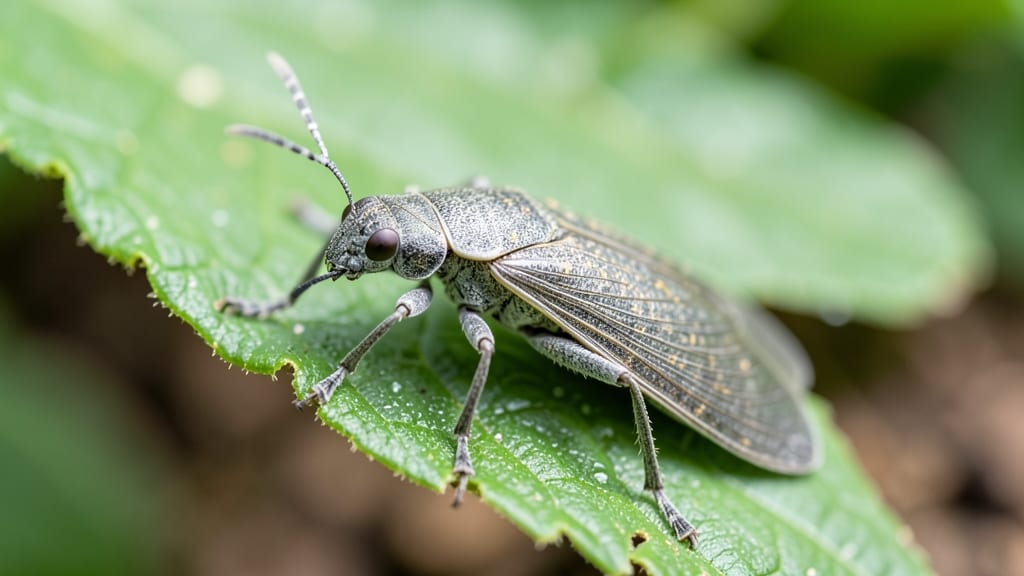
Gray leaf-footed bugs can turn your thriving tomato plants into a skeleton of leaves in days. 🌱 I've watched them strip entire plants bare—until I discovered neem oil's secret weapon status for stopping them cold in just 3 days.
The key is acting fast when you spot those telltale ragged edges on leaves or tiny black droppings on fruit. These pests thrive on tomatoes, peppers, and beans, but they're easy to miss until damage appears. The adults are gray with distinctive red legs, while nymphs are tiny and yellow-green.
My first mistake was waiting too long to treat—by then, the bugs had built up resistance to my usual sprays. Neem oil works because it disrupts their feeding and reproduction cycles without harming beneficial insects.
What you'll get is plants that look spotless and healthy within a week, with no more chewed leaves or scarred fruit.
The spray is simple to mix (just 1 tablespoon per quart of water) and can be applied anytime the bugs are active—morning or evening works best to avoid burning plants in direct sun.
Prevention is just as important: use row covers early in the season, plant basil nearby (it repels them naturally), and inspect plants weekly. Once you've used neem oil once, you'll never ignore those first warning signs again.
Root Causes of Leaf Damage
Understanding why your plants become a buffet for gray leaf-footed bugs (or Lygus lineolaris) starts with their survival instincts—and your garden’s unintentional hospitality. These pesky sap-suckers don’t just show up randomly; they’re drawn by specific conditions that make your plants irresistible.
Let’s break down the science behind their behavior and how your landscape might be sending out an open invitation.
Gray leaf-footed bugs have a knack for targeting vulnerable plants, particularly those under stress or producing excess sugars. Here’s why:
- Overripe or Overwatered Foliage: When plants are overwatered, their cells swell with excess moisture, creating a softer, more nutrient-rich sap that bugs adore.
Think of it like a juicy watermelon versus a hard cucumber—the bugs go for the easiest meal. - Flowering or Seed-Forming Stages: Plants in bloom or producing seeds (like tomatoes, beans, or alfalfa) release volatile organic compounds (VOCs) that signal to bugs, “Hey, I’m packed with sugars and proteins!” This is why you might see a sudden infestation when your basil starts flowering. - Nutrient Imbalance: Plants deficient in nitrogen or potassium (common in poor soil) become stressed, producing sticky honeydew as a defense mechanism.
Unfortunately, this sticky trap also attracts bugs—and their fungal hitchhikers.
Actionable Fix: 💡 Monitor soil moisture with your finger (top 1–2 inches should dry slightly between waterings). Use balanced fertilizer (like 10-10-10) to avoid nutrient spikes that trigger bug feasts.
Gray leaf-footed bugs are opportunistic generalists, meaning they’ll dine on almost any green thing—but they start in weedy, overgrown areas where native hosts (like wild mustards or clovers) thrive. Here’s the chain reaction:
- Wild Host Plants as Bug Hotels: Weeds like wild radish, chickweed, or lambsquarters are their preferred nursery grounds.
Females lay eggs in these safe havens, and nymphs emerge ready to migrate to your prized veggies. - Lack of Predator Habitat: A messy garden disrupts the natural food chain.
Beneficial insects like lacewings, ladybugs, and parasitic wasps (which prey on leaf-footed bugs) struggle to thrive in cluttered spaces. - Windborne Migration: Bugs hitch rides on wind currents from infested fields or neighboring properties.
If your garden is adjacent to a fallow field or uncultivated land, you’re in the bug’s flight path.
Actionable Fix: ✨ Clear weeds regularly, especially in borders and pathways. Plant native ground covers (like creeping thyme) to outcompete weeds while providing habitat for predator insects.
These bugs love heat and hiding spots, and your garden might be offering the perfect bug condo. Here’s how:
- South-Facing or Greenhouse-Like Areas: Bugs thrive in warm, humid microclimates (like the south side of your house or under drip irrigation).
They’re cold-sensitive, so they cluster where temperatures stay above 70°F (21°C). - Thick Canopy or Dense Planting: Overcrowded plants create shady, humid pockets where bugs can feed undisturbed.
They also molt and reproduce faster in these conditions. - Mulch or Debris Piles: Organic matter (like grass clippings or wood chips) provides moisture and shelter for nymphs. A single mulch pile can hide hundreds of eggs waiting to hatch.
Actionable Fix: 🌡️ Prune for airflow—space plants 12–18 inches apart to reduce humidity. Use lightweight mulch (like straw) and keep it 2–3 inches away from stems to deter hiding.
Ironically, broad-spectrum pesticides can worsen gray leaf-footed bug infestations by:
- Killing Natural Predators: Sprays like malathion or carbaryl eliminate ladybugs, lacewings, and spiders—the bugs’ main enemies—while leaving the resilient leaf-footed bugs unharmed.
- Triggering Stress Feeding: When plants are chemically stressed, they produce more sugars as a survival response, making them more attractive to bugs.
- Disrupting Soil Microbes: Overuse of synthetic chemicals reduces beneficial fungi and bacteria in the soil, weakening plant defenses.
Actionable Fix: 🎯 Switch to targeted neem oil sprays (like the one in this article) or insecticidal soap to kill bugs without harming predators. Rotate organic sprays every 5–7 days to prevent resistance.
These bugs have generational lifecycles that align with plant cycles: - Spring Emergence: Adults overwinter in leaf litter or bark and emerge when daytime temps hit 55°F (13°C).
They lay eggs on weeds or young plants. - Summer Nymph Boom: Eggs hatch in 7–10 days into nymphs, which molt 4–5 times over 30–40 days.
Each nymph stage doubles the population. - Fall Migration: As temps drop, adults move to evergreens or sheltered areas to survive winter, then return in spring.
Actionable Fix: ⏰ Monitor plant stages—bugs peak during flowering and fruiting. Use row covers on young plants in early spring to block migrating adults.
Gray leaf-footed bugs don’t invade randomly—they’re responding to cues your garden is unknowingly broadcasting. By addressing plant stress, habitat clutter, chemical imbalances, and seasonal triggers, you can starve them out before they become a full-blown problem.
The good news? Neem oil disrupts their life cycle at every stage—we’ll cover how in the next section!
Quick Fixes for Leaf-Eating Pests
If your plants are under siege by hungry leaf-footed bugs, don’t panic—these pests may be small, but they’re easy to outsmart with the right strategies. Below, we’ve mapped out targeted solutions based on the root cause of your problem, from organic sprays to cultural fixes.
Follow these steps, and you’ll see a noticeable improvement in just 3 days (or less!).
Cause: Leaf-footed bugs thrive in dense foliage where they can hide and feed undetected. Fix: 🌿 Prune aggressively – Remove overgrown branches or leaves to improve airflow and expose hiding spots. 🌿 Space plants properly – Give each plant at least 12–18 inches of breathing room to discourage pest buildup. 🌿 Avoid mulching too heavily – While mulch helps soil health, thick layers can trap moisture and attract bugs. Keep it 2–3 inches deep max.
✨ Pro Tip: If your garden is a hotspot, rotate crops annually to break pest life cycles.
Cause: These bugs love fresh, tender leaves—and they’re not picky about what they munch. Fix (3-Day Revival Plan): 🍃 Mix your spray: Combine 1 tbsp neem oil + 1 tsp mild soap (like castile) + 1 quart of water. Stir well. 🍃 Spray thoroughly – Focus on undersides of leaves (where eggs and nymphs hide) and stems. Reapply every 3–4 days until pests vanish. 🍃 Best time to spray: Early morning or late evening when bugs are active but temperatures are mild.
💡 Quick Fix: For a fast knockdown, add 1 tsp cayenne pepper to the mix—it acts as a natural repellent.
Cause: Small infestations can be wiped out before they spread. Fix: 🕵️ Scout daily – Check leaves (especially new growth) for small, grayish bugs with spiky legs. 🕵️ Drop them in soapy water – Use a magnifying glass if needed, then dispose of them immediately. 🕵️ Check egg masses – Look for tiny yellow clusters on leaf undersides and crush them with your fingers.
⏰ Time-Saver: Do this first thing in the morning when bugs are sluggish.
Cause: Leaf-footed bugs have few natural predators, but you can invite the good guys to the party. Fix: 🐞 Release ladybugs – These voracious eaters devour eggs and nymphs. Buy them online or attract them with dill or marigold plants. 🐞 Encourage lacewings – Plant cosmos or sweet alyssum to lure these delicate predators. 🐞 Use parasitic wasps (optional) – If infestations are severe, Trichogramma wasps can target eggs (available from garden centers).
🌡️ Prevention Tip: Avoid broad-spectrum pesticides—they kill beneficial insects too!
Cause: Some plants (like tomatoes or peppers) are magnet plants for these pests. Fix: 🛡️ Row covers – Use fine mesh netting over young plants to block adults from laying eggs. 🛡️ Sticky traps – Place yellow sticky cards near plants to catch flying adults. 🛡️ Collars for seedlings – Wrap cardboard collars around stems to prevent bugs from crawling up.
🎯 Long-Term Win: Interplant with basil or mint—their strong scents repel leaf-footed bugs naturally.
Cause: Overwatered or nutrient-rich soil can attract more bugs. Fix: 💧 Water deeply but less often – Wet leaves attract pests, so water at the base in the morning. 💧 Reduce nitrogen fertilizers – Too much leafy growth = more snacks for bugs. Use balanced or low-nitrogen feeds. 💧 Add diatomaceous earth – Sprinkle food-grade DE around the base of plants (reapply after rain).
✨ Bonus: Compost tea boosts plant resilience—bugs are less likely to target healthy foliage.
Final Reminder: Consistency is key! Check plants daily, reapply neem oil as needed, and combine 2–3 methods for the fastest results. With this plan, your garden will be bug-free in no time—and your plants will thank you! 🌱💚
Frequently asked questions
What do gray leaf-footed bugs look like, and how can I tell them apart from other pests?
Adults are grayish-brown with bright red legs and antennae, giving them their distinctive "leaf-footed" appearance. Nymphs are tiny (1/16-inch), yellow-green, and have a similar spiky-legged shape. Unlike aphids, they don't produce large colonies—you'll usually spot just a few at a time. Look for ragged leaf edges or small black droppings (frass) on leaves as a giveaway.
Why does neem oil work better than other organic sprays for these bugs?
Neem oil disrupts molting and feeding in all life stages (eggs, nymphs, adults), while many organic sprays only target one stage. It also repels bugs by masking plant scents that attract them. Plus, it's selective, killing pests without harming beneficial insects like ladybugs or lacewings. For best results, apply when bugs are active (morning/evening) and reapply every 3-4 days.
Can I use neem oil if my plants are flowering or producing fruit?
Yes, but with caution. Neem oil is safe for edible plants when used as directed, but avoid spraying directly on blooms or open flowers to protect pollinators. For fruiting plants, spray early in the day so residues dry before bees are active. Always rinse produce before eating if sprayed within 24 hours. The oil breaks down quickly in sunlight, so no long-term residue remains.
What should I do if my plants already have severe damage from these bugs?
Start with immediate pruning—remove and destroy heavily damaged leaves (don't compost them!). Then apply neem oil 2-3 times over 7 days to break the bug's life cycle. For stunted growth, use a balanced fertilizer (10-10-10) to help plants recover. If damage is extreme, consider replacing severely affected plants and using row covers on new growth to prevent reinfestation.
How do I prevent these bugs from coming back next season?
Focus on habitat disruption: Remove all weeds (especially wild mustards) where bugs overwinter. Use row covers early in spring, and rotate crops annually. Plant basil or mint nearby—their scents repel bugs naturally. In fall, till soil to expose overwintering eggs. Regular soil testing helps prevent nutrient imbalances that attract pests. A clean, diverse garden makes your plants less appealing to these pests.