
Pests
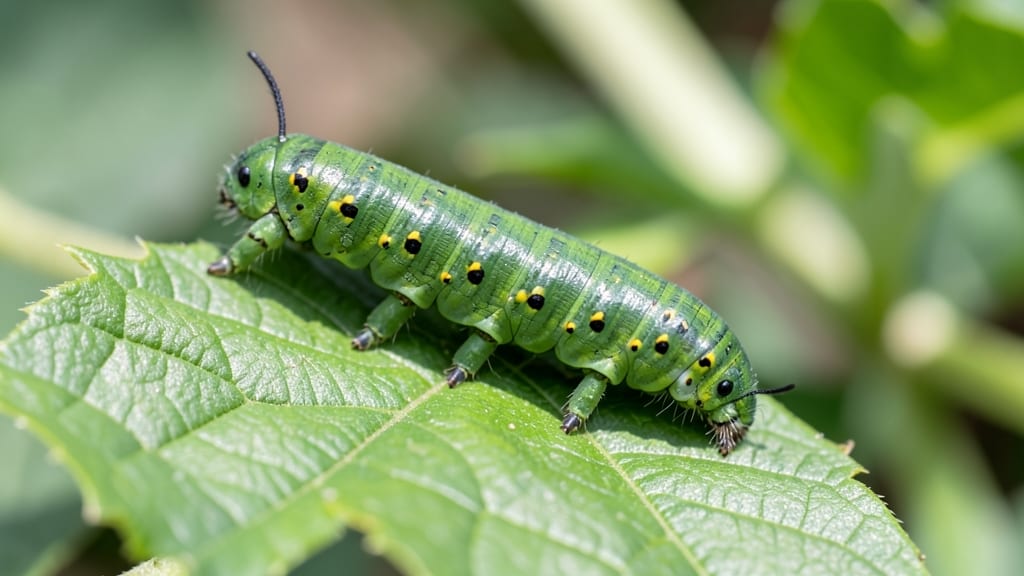
The moment you spot a green caterpillar on leaf, your plants are under siege—these hungry pests can strip foliage in days. 🌿 I’ve battled them on cabbage, roses, and even my apple tree, and I’ve learned which organic sprays actually work without harming pollinators.
The key is acting fast before they skeletonize leaves. These caterpillars—often cabbage worms, loopers, or tomato hornworms—target tender growth, leaving behind ragged edges and wilting plants. The good news? Nature already has solutions: parasitic wasps, birds, and simple sprays like neem oil or Bacillus thuringiensis (BT).
I’ve had the best luck with BT, which kills caterpillars within hours but won’t hurt your garden’s ecosystem. By the time you’re done, your plants will bounce back with full, healthy foliage—no more skeleton leaves or stunted growth.
The secret is checking leaves daily (especially undersides) and treating at the first sign of trouble. Prevention is easier than cleanup, and your garden will thank you. Works for vegetables, flowers, and fruit trees alike. Here’s how to identify, treat, and protect your plants naturally—no harsh chemicals needed.
Nature’s Hidden Munchers Explained
Spotting a bright green caterpillar feasting on your leafy plants isn’t just an eyesore—it’s a sign of nature’s delicate balance (or imbalance!) at work. These tiny creatures don’t just appear randomly; their presence is often tied to specific environmental triggers, plant vulnerabilities, or even human activity.
Understanding the why behind their behavior is the first step to reclaiming your garden without harsh chemicals. Let’s break down the most common reasons these leaf-chewing intruders show up when they do.
Healthy plants are less appealing to caterpillars—but when leaves are soft, nutrient-rich, or stressed, they become a caterpillar’s all-you-can-eat buffet. Here’s why:
- Excess nitrogen: Fertilizers high in nitrogen (like fresh manure or overused synthetic blends) make leaves tastier to caterpillars. Think of it like junk food for insects—they can’t resist!
- Waterlogged soil: Roots drowning in moisture weaken plants, making them easier targets. Caterpillars (and their moth parents) can smell the distress from afar.
- Disease or pests: If your plants are already battling fungi, viruses, or other insects, they release volatile organic compounds (VOCs) that attract caterpillar predators—or the caterpillars themselves.
Actionable fix: Balance your soil with compost and low-nitrogen fertilizers. Drain excess water and remove visibly damaged leaves to reduce the caterpillar’s buffet.
Caterpillars don’t just wander in—they’re invited guests, thanks to their moth parents. Female moths are master strategists when choosing egg-laying spots:
- Host plant preference: Many caterpillars (like loopers or tent caterpillars) have one or two favorite plants. For example, tomato hornworms only target nightshades (tomatoes, peppers, eggplants). If your garden has these, moths will home in.
- Scent and texture cues: Moths use their antennae to detect pheromones and plant odors. A newly pruned or bruised leaf releases chemical signals that scream, “Fresh food here!”
- Timing is everything: Moths time egg-laying with new leaf growth (spring/summer) when caterpillars have the most to eat. A late-spring flush of basil or zucchini? Moths will arrive within days.
Actionable fix:
- 🔍 Monitor adult moths at dusk (they’re most active then). Use a UV light trap or sticky traps to reduce their numbers.
- 🌿 Rotate crops and avoid planting large blocks of the same plant family (e.g., don’t put all your brassicas together).
- 🍃 Prune regularly to remove potential egg-laying sites—moths prefer young, tender leaves.
Caterpillars thrive when conditions are just right. Global warming and microclimates in your garden can turn a mild season into a caterpillar population explosion. Here’s how:
| Factor | Why It Attracts Caterpillars | Peak Risk Period |
|---|---|---|
| 🌡️ Warmer winters | Milder temps let moths survive longer, increasing egg production. Some species (like gypsy moths) now have two generations per year instead of one. | Late fall to early spring |
| 🌧️ Increased rainfall | Moisture boosts plant growth, giving caterpillars a nonstop food supply. It also softens leaves, making them easier to chew. | Spring and early summer |
| ☀️ Longer growing seasons | Extended warmth means more host plants available year-round. Caterpillars that once had a 3-month window now have 6+ months. | Year-round (varies by region) |
Actionable fix:
- 🌡️ Use row covers in early spring to block moths before they lay eggs.
- 💧 Improve drainage to prevent waterlogged soil, which weakens plants.
- 📅 Plant trap crops (like nasturtiums or marigolds) to distract moths from your prized veggies.
Sometimes, we create the perfect caterpillar paradise without realizing it. Common gardening mistakes can turn your yard into a caterpillar hotspot:
- Overwatering: Soft, squishy leaves are a caterpillar’s dream. Wilting plants (from underwatering) release stress signals that attract pests too.
- Ignoring fallen leaves/debris: Piles of organic matter provide hiding spots for pupating caterpillars and shelter for adult moths.
- Bringing in infested plants: New nursery plants or cuttings can hitchhike caterpillar eggs. Always quarantine new additions for a week.
- Using broad-spectrum pesticides: These can kill natural predators (like birds, lacewings, or parasitic wasps), leaving caterpillars unchecked.
Actionable fix:
- 🚫 Stop overwatering—aim for 1 inch of water per week (including rainfall).
- 🧹 Clear garden debris regularly, especially near host plants.
- 🔍 Inspect new plants under leaves and in soil before transplanting.
- 🐞 Encourage predators by planting dill, fennel, or yarrow (they attract beneficial insects).
Quick Fixes for Leaf-Eating Pests
Spotting a green caterpillar munching on your plants can feel like a nightmare for gardeners, but don’t panic—there are effective, eco-friendly ways to tackle the problem. Below, we’ve mapped out practical solutions based on the most common causes, from organic sprays to cultural fixes.
Each method is designed to be easy to implement, whether you’re dealing with an infestation or just want to prevent future damage.
If you’ve identified the culprit as a caterpillar (like a loopers, cutworms, or tent caterpillars), organic sprays are your best first line of defense. These solutions are non-toxic to humans and pets while effectively deterring pests.
🔥 Homemade Bacillus Thuringiensis (Bt) Spray
Best for: Young caterpillars (larval stage) that haven’t yet developed resistance.
- 🍳 Ingredients:
- 1 packet of Bacillus thuringiensis var. kurstaki (Bt) powder (available at garden centers)
- 1 gallon of water
- 👨🍳 Instructions:
- Mix the Bt powder into the water until fully dissolved.
- Spray the solution directly on the caterpillars and affected leaves during the evening or early morning (when bees are less active).
- Reapply every 7–10 days or after heavy rain.
- ⏰ Why it works: Bt is a natural bacteria that disrupts the caterpillar’s digestive system, killing them within 48 hours. It’s highly targeted and won’t harm beneficial insects like ladybugs or bees.
🥘 Neem Oil Spray for Deterrence
Best for: General pest repellent and disrupting caterpillar feeding cycles.
- 🍳 Ingredients:
- 2 tbsp neem oil
- 1 tsp mild liquid soap (as an emulsifier)
- 1 quart of water
- 👨🍳 Instructions:
- Combine neem oil and soap in warm water, stirring well.
- Spray all leaf surfaces, focusing on the undersides where caterpillars hide.
- Apply every 5–7 days or after rain.
- ✨ Pro tip: Neem oil also prevents egg-laying by female moths, reducing future infestations.
For small infestations, sometimes the simplest solution is the most effective. Physical removal ensures you eliminate pests without chemicals.
🔪 Handpicking Caterpillars
Best for: Small gardens or container plants with visible caterpillars.
- 👨🍳 Steps:
- Wear gloves and inspect plants early in the morning when caterpillars are sluggish.
- Gently pluck caterpillars off leaves and drop them into a bucket of soapy water (this kills them instantly).
- Check leaf undersides and new growth—these are favorite hiding spots.
- 💡 Pro tip: If you have pets, avoid dropping caterpillars in areas where they might be ingested (e.g., near pet food bowls).
🕷️ Encourage Natural Predators
Best for: Long-term pest control with minimal effort.
- 🌡️ How to attract them:
- Ladybugs: Plant dill, fennel, or marigolds to attract them.
- Parasitic wasps: Leave some leaf litter or plant yarrow or dandelions—they lay eggs in caterpillars.
- Birds: Install a bird feeder or birdhouse near your garden.
- ⏰ Timeframe: It may take a few weeks to see results, but this method is sustainable and chemical-free.
The best way to deal with caterpillars is to prevent them from moving in in the first place. Here’s how to fortify your garden:
🌿 Garden Hygiene
- 🔪 Remove debris: Clear fallen leaves, dead plants, and mulch where caterpillars hide or pupate.
- 🌱 Rotate crops: Avoid planting the same family of plants (e.g., tomatoes, peppers) in the same spot yearly—this confuses moths looking for hosts.
- 🌙 Prune strategically: Trim plants to improve airflow, making it harder for caterpillars to hide and thrive.
🌱 Companion Planting
Certain plants naturally repel caterpillars and their moth parents:
- 🌼 Marigolds – Deter a variety of pests with their strong scent.
- 🌿 Basil – Confuses moths and repels caterpillars.
- 🌸 Nasturtiums – Trap aphids (which caterpillars sometimes feed on).
- 🌿 Garlic and onions – Their pungent smell deters moths from laying eggs.
🌱 Protective Barriers
For young or vulnerable plants, physical barriers can be a game-changer:
- 🧶 Row covers: Lightweight fabric draped over seedlings blocks moths from laying eggs.
- 🍎 Collars for stems: Cut a strip of cardboard or plastic and wrap it around stems to prevent cutworms from climbing up.
With these targeted solutions, you can restore your plants’ health and keep caterpillars at bay—without resorting to harsh chemicals. Start with one or two methods that fit your garden’s needs, and soon you’ll have a thriving, pest-free foliage! 🌱💚
Frequently asked questions
What kind of plants do green caterpillars most commonly target?
Green caterpillars often feast on leafy vegetables like cabbage, broccoli, and kale, but they also love roses, fruit trees (especially apples and pears), and nightshades like tomatoes and peppers. The key is checking undersides of leaves—this is where they hide during the day.
How long does it take for organic sprays like Bt or neem oil to work?
Bacillus thuringiensis (Bt) typically kills caterpillars within 24-48 hours of direct contact, while neem oil works more slowly by disrupting their feeding cycle over 3-7 days. For best results, apply sprays in the evening when bees are less active.
Are green caterpillars harmful to humans or pets?
No, they’re not dangerous to touch or eat (though some people avoid them for texture reasons). However, their droppings can irritate skin if handled frequently. For pets, the bigger risk is secondary plant damage—stripped leaves weaken plants, making them vulnerable to disease.
What should I do if I find caterpillars on my houseplants?
Isolate the plant immediately and inspect the soil for eggs. Wipe leaves with a soapy water solution (1 tsp mild soap per quart of water) or use a neem oil spray. For severe cases, repot the plant in fresh soil after treatment to remove any hidden eggs or larvae.
Can I use coffee grounds to deter caterpillars?
While coffee grounds can improve soil health, they’re not effective against caterpillars. The myth comes from their smell repelling some insects, but moths (the caterpillars’ parents) ignore it. For real protection, focus on Bt sprays or companion planting with marigolds or basil instead.