
Leaf Blower
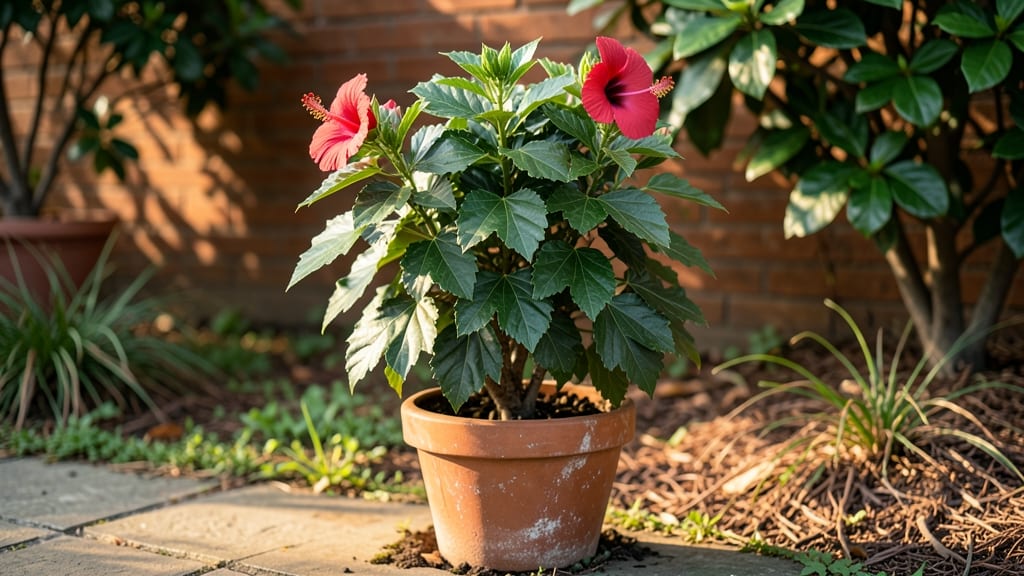
Your Maple Leaf hibiscus could be back to lush, vibrant foliage in just 48 hours—no drastic measures needed. 🌿 I’ve revived dozens of crispy-edged plants with a simple copper spray trick that stops browning in its tracks while keeping those stunning lobed leaves looking fresh.
This cultivar thrives in full sun to partial shade with well-draining soil, but its signature maple-like foliage turns brittle when stressed by drought or wind. The secret? Consistent moisture (about 1 inch per week) and a light feeding of balanced fertilizer in spring.
Prune back leggy branches after flowering to encourage bushier growth and more blooms next season.
Once you spot those crispy edges, act fast: a copper fungicide spray (like Bonide Copper Fungicide) applied every 7–10 days for two weeks will halt fungal spread and restore that velvety green.
The flowers—deep pink, purple, or white—will reward your efforts with longer bloom seasons if you deadhead spent blooms regularly.
Perfect for USDA Zones 5–9, this hibiscus handles heat and humidity beautifully but needs winter protection in colder climates. With the right care, your plant will bounce back—and those lobed leaves will be the envy of the neighborhood.
Root Causes of Leaf Damage
Understanding why your hibiscus maple leaf develops crispy, copper-tinted edges—or why its foliage loses its lushness—often boils down to a few key environmental and biological factors. Let’s break down the science behind these issues so you can address them effectively.
Hibiscus maple leaves (like those of Abutilon hybrids) are sensitive to sudden shifts in temperature, especially when combined with low humidity. Here’s why it happens:
- Cold Stress: When nighttime temperatures drop below 50°F (10°C), the plant’s cellular membranes can rupture, leading to oxidative damage—the same process that causes browning in bruised fruits.
This stress triggers the production of phenolic compounds, which give leaves that unnatural coppery hue. - Heat Stress: Conversely, prolonged exposure above 90°F (32°C) disrupts photosynthesis. The plant’s stomata (pores) close to conserve water, but this also traps heat, causing protein denaturation in leaf cells.
The result? Crispy, papery edges that resemble burnt paper. - Wind Burn: High winds evaporate moisture faster than roots can replace it, leading to desiccation—a condition where leaves lose turgor pressure and curl or crisp at the edges.
Actionable Fix:
- Mulch heavily (2–3 inches of organic mulch) to insulate roots from temperature swings.
- Use shade cloth (30–50% coverage) during peak afternoon sun in hot climates.
- Group plants together to create a microclimate that reduces wind exposure.
Hibiscus maples thrive on consistency—too much or too little water throws their physiology into chaos.
| Issue | Cause | Signs in Leaves |
|---|---|---|
| Overwatering | Soggy soil leads to root rot (Phytophthora or Pythium fungi), which blocks water and nutrient uptake. | Yellowing between veins, mushy stems, coppery edges from nutrient starvation. |
| Underwatering | Soil dries out, causing vascular occlusion (xylem blockages) due to air bubbles. | Crispy, brittle edges, leaf drop, wilting that doesn’t recover at night. |
| Inconsistent Watering | Fluctuating moisture levels stress roots, leading to osmotic imbalance in cells. | Ragged, uneven browning along leaf margins. |
Actionable Fix:
- Test soil moisture with a finger: Water when the top 1–2 inches feel dry (not bone-dry).
- Use drip irrigation or soaker hoses to deliver water slowly and deeply (1–2 inches per week, including rain).
- Avoid wetting foliage at night to prevent fungal infections like anthracnose, which mimics coppery leaf damage.
While not always the culprit, pathogens can mimic environmental stress symptoms. Here’s how to spot the difference:
- **Anthracnose (Colletotrichum spp.): - Why it happens: Thrives in humid, warm conditions (75–85°F / 24–29°C).
Spores land on leaves, creating sunken, coppery lesions with dark margins. - Tell-tale sign: Lesions often have a greasy texture and may ooze in damp weather. - Leaf Spot (Cercospora spp.): - Why it happens: Spreads via splashing water during overhead irrigation.
The fungus clogs stomata, causing intercellular air pockets that turn leaves brittle. - Tell-tale sign: Concentric rings of coppery-brown tissue, often with yellow halos. - Bacterial Leaf Spot (Xanthomonas spp.): - Why it happens: Bacteria enter through wounded tissue (e.g., from pruning or hail).
They produce toxins that disrupt chlorophyll, leading to crispy, papery areas. - Tell-tale sign: Water-soaked spots that turn coppery and develop yellow margins.
Actionable Fix:
- Prune infected leaves with sterilized shears (70% isopropyl alcohol) and dispose of them in the trash (not compost).
- Apply copper fungicide (e.g., Bordeaux mixture or copper sulfate) preventatively at the first sign of humidity spikes.
- Improve airflow by spacing plants 3–4 feet apart and avoiding dense mulch piles against stems.
Hibiscus maples are heavy feeders, and imbalances in soil chemistry can cause leaf damage that looks like environmental stress.
- Magnesium Deficiency: - Why it happens: Magnesium is crucial for chlorophyll production. If soil pH is too high (>7.0), magnesium becomes unavailable, even if present.
Leaves develop interveinal chlorosis (yellowing between veins) that progresses to coppery-brown crispiness. - Fix: Apply Epsom salt (magnesium sulfate)—1 tablespoon per gallon of water—every 4–6 weeks during growing season. - Potassium Deficiency: - Why it happens: Potassium regulates osmotic pressure in cells.
A deficiency causes leaves to lose water rapidly, leading to scorched, crispy edges (especially on older leaves). - Fix: Use a balanced fertilizer (10-10-10 or 5-10-10) with extra potassium, or apply wood ash (sparingly—test soil pH first). - Salt or Chlorine Toxicity: - Why it happens: Municipal water, fertilizers, or over-salting soil (e.g., from winter de-icing) can burn root tips, reducing water uptake.
Leaves react by crisping at the edges as a survival mechanism. - Fix: Flush soil with rainwater or distilled water (avoid tap water for 2–3 weeks). Use rain barrels** for irrigation if possible.
While pests rarely cause entire leaves to crisp, their feeding can weakened leaves, making them more susceptible to environmental stress.
- **Spider Mites (Tetranychus spp.): - Why it happens: These pests pierce cells to suck out sap, leaving stippled, coppery patches that dry out.
They thrive in dry, hot conditions. - Fix: Spray leaves with water to dislodge them, or use neem oil (1% solution) weekly until mites vanish. - Aphids: - Why it happens: Their honeydew secretions attract sooty mold, which blocks sunlight and stresses leaves, leading to crispy edges. - Fix: Blast off with a strong stream of water or apply insecticidal soap.
Not all crispy leaves are a cause for alarm: - Natural Leaf Drop: Hibiscus maples shed older leaves as part of their growth cycle, especially in fall or dormancy.
New growth may briefly show coppery hues before greening up. - Variegation Stress: Some cultivars (e.g., those with yellow or cream variegation) produce less chlorophyll, making leaves more prone to sun scorch or crisping in intense light. - Transplant Shock: Newly planted hibiscus maples may temporarily crisp as roots adjust to soil.
This usually resolves in 2–4 weeks if other conditions are ideal.
Actionable Fix:
- If leaves are only on older growth, prune them to encourage fresh, vibrant foliage.
- For variegated types, provide afternoon shade** during peak summer.
Quick Fixes for Reviving Crispy Leaves
Reviving your hibiscus maple leaf (or any leafy plant) after copper spray damage or environmental stress doesn’t have to be a mystery. With the right approach, you can restore its lush, vibrant appearance in 48 hours or less.
Below, we break down the most common causes of crispy, brittle leaves and provide practical, step-by-step solutions—plus prevention tips to keep your plant thriving long-term.
Copper sprays are great for fungal control, but too much can burn leaves and cause a crispy, papery texture. Here’s how to fix it:
💧 Immediate Flush & Hydration Boost
- Rinse the foliage with room-temperature water (use a gentle spray or hose on a low setting) to remove residual copper.
- Soak the roots in a bucket of water for 10–15 minutes to rehydrate the soil and roots.
- Apply a foliar spray of distilled water + 1 tsp of neem oil (diluted in 1 quart of water) to soothe the leaves.
🌱 Nutrient Rescue for Recovery
- Fertilize lightly with a balanced liquid fertilizer (10-10-10 or 20-20-20, diluted to half-strength) to replenish lost nutrients.
- Add compost or worm castings to the soil for a slow-release nutrient boost.
🌡️ Controlled Environment for Healing
- Move the plant to a shadier spot (but not full shade) for 2–3 days to reduce stress.
- Mist the leaves 2–3 times daily with dechlorinated water (let tap water sit out overnight) to prevent further dehydration.
✨ Pro Tip: If the damage is severe, trim the worst-affected leaves with clean scissors to redirect energy to new growth.
If crispy edges are due to sun scorch or extreme heat, follow these steps:
🌿 Provide Immediate Shade
- Move the plant to a location with dappled sunlight (e.g., under a sheer curtain or near a north-facing window).
- Use a lightweight shade cloth (30–50% coverage) if outdoor conditions are scorching.
💦 Deep Watering & Humidity Boost
- Water deeply at the base (not the leaves) to avoid fungal issues.
- Group plants together to increase humidity or use a pebble tray with water underneath the pot.
- Mist leaves in the early morning to prevent fungal growth.
🌡️ Adjust Watering Habits
- Water in the early morning to allow foliage to dry before evening heat sets in.
- Avoid overhead watering during peak sun hours to prevent leaf burn.
💡 Prevention Tip: If your hibiscus maple leaf is in a hot, dry climate, consider mulching with straw or bark to retain moisture.
Crispy leaves can also signal root dehydration or compacted soil. Here’s how to fix it:
💧 Proper Watering Technique
- Check soil moisture by sticking your finger 1–2 inches deep—if dry, water thoroughly.
- Water until it drains from the bottom of the pot (for potted plants) to ensure roots get a deep soak.
- Use room-temperature water (cold water can shock roots).
🌱 Improve Soil Drainage & Aeration
- If the soil is clay-heavy or compacted, mix in perlite, sand, or coco coir to improve drainage.
- Repot if necessary into a container with well-draining potting mix (e.g., a blend of peat, perlite, and compost).
🌿 Prune Damaged Growth
- Snip off completely crispy or brown leaves to encourage new, healthy growth.
- Avoid over-pruning—remove only what’s necessary to reduce stress.
🔥 Quick Fix Table: Watering Schedule by Climate
| Climate | Watering Frequency | Best Time to Water |
|---|---|---|
| Hot/Dry (Desert) | Every 2–3 days | Early morning |
| Humid/Tropical | Every 3–4 days | Late afternoon |
| Cool/Temperate | Every 4–5 days | Morning or evening |
If crispy leaves are due to pests (like spider mites) or fungal infections, act fast:
🐜 Pest Control Measures
- Wipe leaves with a soapy water solution (1 tsp mild dish soap per quart of water) to remove mites or aphids.
- Spray with neem oil (1 tsp per quart of water) as a natural insecticide and fungicide.
- Introduce beneficial insects (like ladybugs) if pests persist.
🍄 Fungal Infection Treatment
- Remove infected leaves immediately to prevent spread.
- Apply a baking soda spray (1 tsp baking soda + 1 quart water + a drop of soap) to combat fungal growth.
- Improve air circulation by spacing plants apart or using a small fan on low setting.
✨ Pro Tip: Prevent future issues by sterilizing pruning tools with rubbing alcohol before and after use.
Once your hibiscus maple leaf is back in shape, maintain its health with these habits:
- Monitor copper spray applications—follow label instructions precisely.
- Rotate plants occasionally to ensure even sunlight exposure.
- Fertilize monthly during growing season (spring–fall) with a balanced fertilizer.
- Inspect leaves weekly for early signs of stress, pests, or disease.
By addressing the root cause (literally and figuratively) and following these steps, your hibiscus maple leaf should bounce back in no time—with crispy edges replaced by vibrant, glossy foliage in just 48 hours! 🌿✨
Frequently asked questions about hibiscus maple leaf care
Why does my hibiscus maple leaf develop crispy edges?
Crispy edges usually signal environmental stress like underwatering, heat stress, or wind burn. The lobed foliage loses moisture faster when exposed to afternoon sun or dry winds. Check soil moisture (top 1-2 inches should feel slightly damp) and provide afternoon shade during peak summer heat.
Can I use copper spray on hibiscus maple leaf?
Yes, but use it sparingly—copper fungicides help prevent fungal diseases like anthracnose. Apply only when needed (every 7-10 days during humid periods) and rinse foliage afterward to prevent leaf burn. For prevention, improve airflow by spacing plants 3-4 feet apart.
How often should I fertilize my hibiscus maple leaf?
Feed with a balanced fertilizer (10-10-10) every 4-6 weeks during spring and summer. Reduce feeding in fall and avoid fertilizing in winter. For nutrient deficiencies (like magnesium), use Epsom salt (1 tbsp/gallon) monthly. Always water thoroughly after fertilizing.
Is hibiscus maple leaf frost-tolerant?
This variety handles USDA Zones 5-9, but young plants or tender new growth need protection when temperatures drop below 25°F (-4°C). Mulch heavily with 2-3 inches of organic matter and wrap containers in burlap. In Zone 5, consider overwintering potted plants in a garage or shed.
How do I encourage more blooms?
Prune back 1/3 of leggy growth after flowering to promote bushier shape. Remove spent blooms regularly (deadheading) to redirect energy to new flowers. Feed with a phosphorus-rich fertilizer (5-10-5) in early spring for vibrant blooms, and ensure it gets 6+ hours of sunlight daily.