
Size
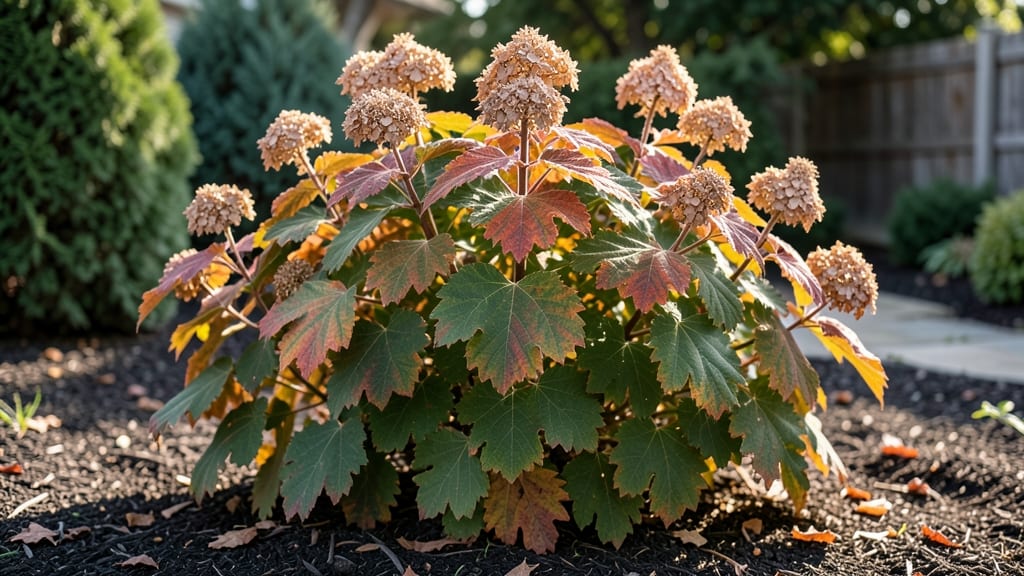
Oakleaf hydrangeas grow to a mature height of 6 to 8 feet with a spread of 5 to 6 feet, making them a statement shrub for any garden 🌸.
If you’re dreaming of a stunning, low-maintenance shrub with vibrant fall foliage and fragrant summer blooms, oakleaf hydrangeas could be your perfect match—but first, you need to know exactly how big they’ll grow before planting them in your garden.
These shrubs aren’t just about size, though. Their oak-shaped leaves turn fiery red in autumn, and their delicate white flowers add charm all season long. Whether you’re planning a backyard retreat or a container garden, understanding their growth habits helps you place them just right.
In this guide, I’ll break down everything you need to know—from spacing tips to pruning secrets—to help your oakleaf hydrangea thrive without overpowering your space.
Oakleaf hydrangea mature size: height, width, and growth habits explained
Oakleaf hydrangeas (Hydrangea quercifolia) are prized for their vibrant fall foliage, fragrant summer blooms, and low-maintenance nature. But before you plant one, understanding their mature size is key to placing them perfectly in your garden.
These shrubs can grow anywhere from 3 feet to 8 feet tall, depending on the variety and growing conditions. Their spread ranges from 4 to 6 feet wide, making them ideal for mid-sized gardens or as focal points in larger landscapes.
The standard oakleaf hydrangea typically reaches 6 to 8 feet tall and 4 to 6 feet wide at maturity. However, some dwarf varieties like 'Pee Wee' stay compact at just 3 to 4 feet tall, while others like 'Snow Queen' can grow 7 to 8 feet tall.
Your choice of variety will directly impact how much space you need to allocate in your garden layout.
Here’s a quick comparison of mature sizes for popular oakleaf hydrangea varieties to help you plan:
Oakleaf hydrangeas grow slowly in their first few years, typically adding 1 to 2 feet per year. By year 3, they’ll start reaching their full mature height, and by year 5, they’ll be at their widest.
This gradual growth makes them easier to manage in smaller spaces, but it also means you’ll need to plan for their long-term size from the start.
One of the most exciting features of oakleaf hydrangeas is their seasonal growth pattern. In spring, they produce new leaves and buds, followed by summer blooms that last for weeks.
Their real showstopper, however, comes in fall, when their leaves turn vibrant shades of red, orange, and purple. This extended blooming season adds value to your garden year-round.
Pruning plays a huge role in controlling their size. If left unpruned, oakleaf hydrangeas can grow taller and leggier, while regular pruning encourages a fuller, bushier shape. The best time to prune is late winter or early spring, just before new growth begins. Removing dead or overcrowded branches will help maintain their desired height and width while keeping them healthy.
For container gardening, choose dwarf varieties like 'Pee Wee' or 'Little Sweetheart', which stay under 4 feet tall. Even these smaller varieties will need a large pot (at least 15-20 gallons) to accommodate their root system and spreading habit.
If you’re using containers, make sure they have drainage holes and room for mulch to retain moisture.
Oakleaf hydrangeas thrive in USDA zones 5-9, making them versatile for northern and southern gardens alike. In warmer climates, they may grow slightly taller and wider, while in cooler zones, their growth may be slightly slower.
Always check your local frost dates and microclimate conditions to ensure they’ll reach their full potential in your area.
When planning your garden, leave at least 4 to 6 feet of space around your oakleaf hydrangea to allow for full growth and airflow. If you’re planting multiple shrubs, space them 5 to 7 feet apart to prevent overcrowding and competing roots.
This spacing also makes it easier to prune and maintain your shrubs over time.
If you’re unsure about their final size, start with a smaller variety like 'Pee Wee' to test how they perform in your garden before committing to a larger shrub.
With the right spacing, pruning, and care, your oakleaf hydrangea will reward you with years of stunning foliage and fragrant blooms—without taking over your garden.
Best planting spaces and garden layouts for oakleaf hydrangeas
Oakleaf hydrangeas thrive when given the right space to spread their lush foliage and showy blooms. In ideal conditions, these shrubs reach 6-8 feet tall with a 5-6 foot spread, so planning your garden layout is key to their success.
Whether you have a small urban yard or a spacious rural garden, understanding spacing and companion plants will maximize their beauty and health.
For standard varieties, plant oakleaf hydrangeas 5-6 feet apart to allow room for their mature size. This spacing ensures proper air circulation, reducing the risk of fungal diseases and promoting vibrant blooms.
In smaller gardens, consider dwarf varieties like 'Pee Wee,' which max out at 3-4 feet tall and grow just 3-4 feet wide, making them perfect for containers or tight spaces.
- 📏 Standard Varieties: Plant 5-6 feet apart for full growth and airflow.
- 🌿 Dwarf Varieties: Space 3-4 feet apart in containers or small gardens.
- 🏡 Urban Gardens: Use large containers (20+ gallons) with well-draining soil.
- 🌳 Rural Landscapes: Plant as solitary specimens or in multi-tiered shrub borders.
- 🌸 Companion Plants: Pair with hostas, ferns, or azaleas for shade-loving harmony.
In urban settings, oakleaf hydrangeas shine in containers or raised beds. Choose a pot at least 20 gallons to accommodate their root system, and use a well-draining potting mix with added organic matter.
Place containers near an east-facing wall or under dappled shade to protect them from harsh afternoon sun. For a multi-tiered look, plant taller varieties at the back and shorter ones in front, creating a natural cascading effect.
For rural gardens, oakleaf hydrangeas make stunning specimen plants or can be grouped in shrub borders. Pair them with hostas, ferns, or azaleas to create a lush, layered garden that thrives in partial shade.
Their fall foliage, which turns deep red or burgundy, adds seasonal interest and pairs beautifully with evergreen shrubs like boxwood or holly.
When designing your layout, consider the mature height of oakleaf hydrangeas to avoid overcrowding. In small spaces, prune selectively to maintain a compact shape while still enjoying their fragrant blooms and stunning foliage.
For larger areas, let them grow naturally and enjoy their dramatic presence as a focal point in your landscape.
With the right spacing and companions, your oakleaf hydrangeas will thrive and become the star of your garden, offering year-round interest from their spring blooms to their fall color. 🌿