
Blooming
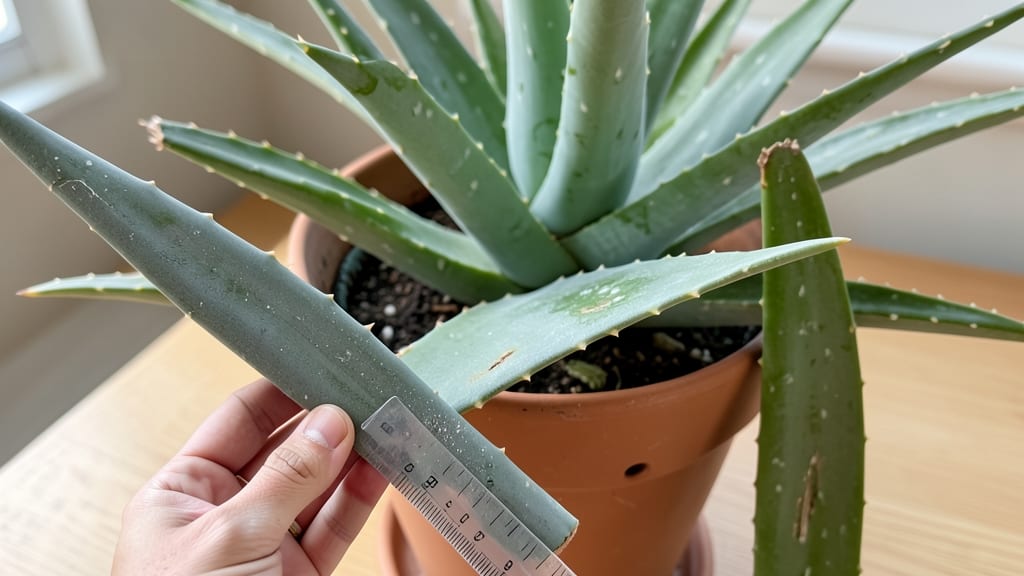
Knowing how long an aloe leaf lasts depends on its form: fresh-cut leaves keep for 3 to 5 days in the fridge, while whole leaves can last weeks to months in a cool, dry place. Aloe gel stays fresh for 7 to 10 days when properly refrigerated.
Your aloe leaf's lifespan hinges on how you store it—whole leaves outlast cut ones because their protective outer layer slows moisture loss. 🌱 For maximum freshness, wrap cut leaves in damp paper towels before refrigerating, which mimics their natural humidity levels.
The gel's shorter shelf life comes from its higher water content, which makes it more prone to bacterial growth if not sealed tightly. I always use airtight glass containers for gel because they prevent odor absorption and maintain potency longer than plastic.
Temperature plays a surprisingly big role too—aloe is sensitive to fluctuations, so avoid storing it near the fridge door where temps can vary. For long-term use, freezing whole leaves works best: just peel and slice as needed, and they'll stay viable for up to a year.
The key is minimizing air exposure, whether you're refrigerating or freezing.
💡 In This Article
- Factors Affecting Aloe Leaf Shelf Life
- Best Storage Methods for Maximum Aloe Leaf Freshness
Factors affecting aloe leaf shelf life
Aloe's shelf life hinges on its natural moisture barrier—the thick, waxy outer layer that prevents dehydration. When you cut a leaf, you expose the gel to air, accelerating moisture loss through a process called transpiration.
This is why whole leaves last weeks to months in cool, dry conditions: their intact skin retains 96-99% water content naturally. Cut leaves, however, lose moisture 10-15% faster due to increased surface area, shrinking their usable lifespan to just 3-5 days in the fridge.
The temperature sensitivity comes from aloe's enzymatic activity. At 32-40°F, enzymes slow dramatically, preserving freshness. Above 50°F, enzymatic breakdown accelerates, causing the gel to oxidize and develop a bitter taste. Light exposure worsens this—UV rays trigger chlorophyll production, turning the gel green and less palatable.
That's why I always store aloe in opaque containers or wrap it in foil. Humidity matters too: 40-60% relative humidity mimics aloe's natural desert environment, while dry air causes the gel to crystallize on the surface.
Container choice creates a microenvironment that dramatically impacts shelf life. Glass containers with airtight seals maintain humidity better than plastic, which can absorb odors and leach chemicals over time.
The gel's high water content makes it particularly vulnerable to bacterial growth if not properly sealed—this is why refrigeration extends its life to 7-10 days while room temperature storage reduces it to just 2-3 days.
Even small gaps in lids can create condensation, promoting mold growth within 48 hours.
What most people overlook is the cutting technique. When you slice an aloe leaf, the exposed flesh oxidizes rapidly, forming a yellowish-brown layer within 1-2 hours. This oxidation isn't just cosmetic—it indicates the beginning of cellular breakdown.
To combat this, I recommend cutting leaves just before use or storing them with the cut side down in a shallow dish of water (to maintain moisture) until ready to process. This simple step can add 1-2 extra days of usable freshness.
The science gets even more interesting when you consider aloe's natural antimicrobial compounds. While these help preserve the leaf in its natural state, they become less effective once the leaf is cut.
The gel's pH (around 4.5-5.5) creates an acidic environment that inhibits some bacteria, but refrigeration remains essential for long-term storage. Freezing whole leaves actually preserves these beneficial compounds better than refrigeration, as ice crystals prevent enzymatic activity while maintaining cellular integrity.
For those using aloe for medicinal purposes, shelf life becomes even more critical. The aloe vera barbadensis leaf juice (the active gel) contains vitamins A, C, E, and B12, along with enzymes like aloesin and bradykinase.
These compounds degrade at different rates—vitamin C loses 50% potency within 7 days at room temperature, while aloesin remains stable for up to 30 days when properly stored. This explains why commercially prepared aloe products often contain preservatives to extend these beneficial properties.
Here's what to watch for when assessing freshness: the gel should remain clear to light green, with a slightly viscous texture. If it develops a yellow tint, forms a skin, or smells fermented, it's time to discard it.
For whole leaves, check that the outer skin remains plump and unbroken—wrinkling indicates dehydration. These visual cues are your best indicators of whether the aloe is still safe and effective to use.