
How To
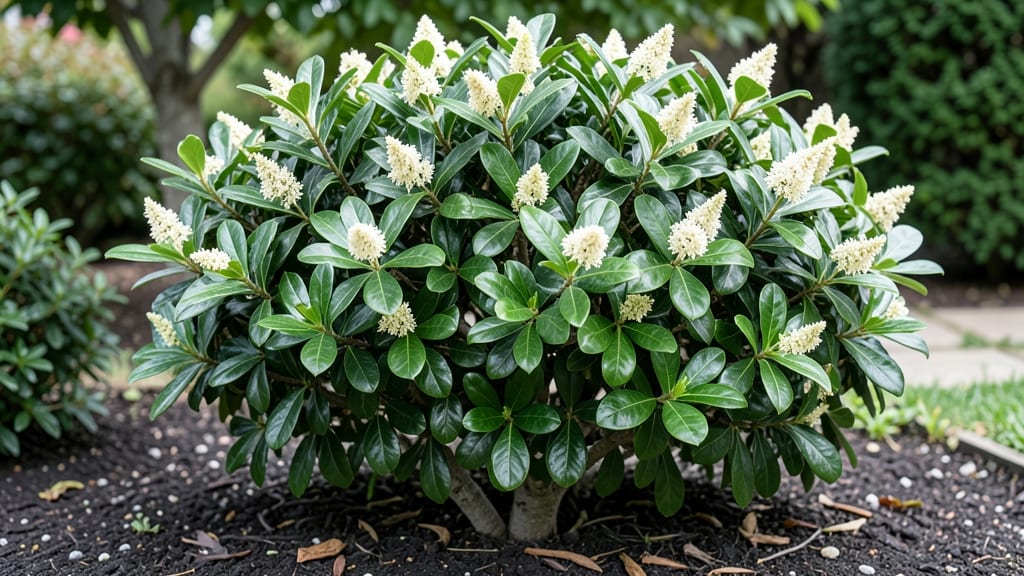
A wax leaf ligustrum grows between 6 and 15 feet tall when mature, depending on whether you prune it regularly or let it grow wild 🌿 — and that difference can change how you plan your landscape.
If you’re considering adding wax leaf ligustrum (Ligustrum sinense) to your landscape, knowing its growth potential is key—because a small hedge today could become a towering wall of green tomorrow if left unmanaged.
This shrub’s height isn’t set in stone, though. With strategic pruning, you can keep it at a manageable 3 to 5 feet for a neat, contained look, or let it reach its full 10 to 15 feet for a bold privacy screen.
Below, I’ll break down how to control its size, the best times to prune, and what factors—like sunlight and soil—can push it toward the taller end of the spectrum.


Wax leaf ligustrum height: mature size for pruned vs. unpruned plants
The wax leaf ligustrum (Ligustrum sinense) is a fast-growing shrub that can transform your landscape—but its mature height depends entirely on whether you prune it. Without pruning, these shrubs can reach 10–15 feet tall, creating a dense, towering hedge.
With regular pruning, however, you can keep them as short as 6–8 feet, making them ideal for hedges, privacy screens, or even container gardening. Understanding these growth patterns helps you plan your garden layout and maintenance schedule from day one.
This versatile shrub grows at an impressive 12–24 inches per year, meaning unpruned plants can shoot up quickly if given the right conditions—like full sun, well-draining soil, and consistent moisture. That rapid growth is why many gardeners choose wax leaf ligustrum for quick privacy solutions or windbreaks.
But without control, it can easily outgrow its welcome in smaller yards or urban spaces. The key to managing its height lies in strategic pruning, which we’ll explore in detail below.
If you’re planting wax leaf ligustrum for a privacy screen, you’ll likely want to let it grow taller—around 10–15 feet—to block views effectively. In this case, minimal pruning (just removing dead or overgrown branches) will suffice.
However, if your yard is smaller or you prefer a neater, more manageable size, regular pruning can keep it between 6–8 feet. This also encourages bushier growth, making it denser and more attractive.
One common misconception is that pruning will stunt a plant’s growth permanently. The truth is, wax leaf ligustrum is highly responsive to pruning—it will always grow back vigorously if you cut it back hard enough. This makes it an excellent choice for topiary or shaped hedges.
Just be prepared to invest time in seasonal maintenance to keep it at your desired height. For example, if you prune it back by one-third each year, you can maintain a 6-foot hedge indefinitely.
Your climate zone also plays a role in how tall your wax leaf ligustrum grows. In USDA zones 7–10, where it thrives, unpruned plants will naturally reach their full height faster due to longer growing seasons.
In cooler zones (like zone 6), growth may slow slightly, but with proper care, it can still reach 8–12 feet without pruning. If you’re in a drier climate, like the Southwest, watering deeply and mulching will encourage taller growth, while shadier conditions may limit its height slightly.
For container-grown wax leaf ligustrum, expect even more control over height. Since roots are confined, growth slows naturally, and regular pruning can keep it under 5 feet. This makes it perfect for patios or balconies where space is limited.
Just ensure your container has drainage holes and use a well-draining potting mix to prevent root rot, which can stress the plant and affect its growth rate.
When planning your garden, consider the mature size of wax leaf ligustrum relative to other plants. For instance, pairing it with 6-foot hydrangeas or 8-foot boxwoods creates a balanced, layered look. If you’re using it as a windbreak, aim for 10–12 feet to ensure effective protection.
Always measure the space where you’ll plant it and account for at least 3–5 feet of clearance around the base for airflow and maintenance access.
If you’re new to pruning, start with light trimming in late winter or early spring to shape the plant and remove any dead or crossing branches. Avoid heavy pruning in fall, as this can stimulate new growth that won’t harden off before winter.
Over time, you’ll learn how your specific plant responds to pruning—some may grow back faster, while others stay more compact. Pay attention to these cues and adjust your pruning schedule accordingly.
Remember, the goal isn’t just to control height but to promote healthy, dense growth
How to prune wax leaf ligustrum for optimal height control
Pruning your wax leaf ligustrum (Ligustrum sinense) is the secret to controlling its mature height—which can reach 10–15 feet if left unchecked. With the right techniques, you can shape it into a compact hedge (3–5 feet) or maintain it at a medium height (6–8 feet).
The key is timing, tools, and precision cuts that encourage healthy growth without stressing the plant.
Late winter or early spring—just before new growth begins—is the best time to prune wax leaf ligustrum. This timing ensures you remove dead or weak branches while stimulating fresh, vigorous growth for the season.
Avoid pruning in fall, as it can leave your plant vulnerable to winter damage or disease. If you must prune later in the year, do so lightly to avoid overstressing the shrub.
✂️ Tools you’ll need: sharp bypass pruners, loppers for thicker branches, gloves, and a disinfectant (like rubbing alcohol) to clean tools between cuts. A ladder or stool may also help if your ligustrum is tall. Always use clean, sharp tools to make clean cuts that heal faster and reduce the risk of infection.
Step-by-Step Pruning Guide
-
Step 1: Plan Your Cuts
Sketch a rough outline of your desired shape. Focus on removing 1/3 of the oldest wood to encourage new growth from the base. -
Step 2: Remove Dead or Diseased Branches
Cut these back to healthy wood using clean pruners. Dispose of infected branches immediately. -
Step 3: Thin Out Crowded Areas
Look for crossing branches or those rubbing together. Remove these to improve airflow and reduce disease risk. -
Step 4: Shape the Hedge
Use loppers to trim outer branches at a 45-degree angle for a natural look. Keep cuts just above a leaf node. -
Step 5: Maintain Height
For height control, trim the topmost branches evenly. Avoid cutting into old wood—focus on new growth. -
Step 6: Clean Up
Rake up and dispose of prunings to prevent pests or diseases from lingering in your garden.
One of the most common mistakes gardeners make is over-pruning in a single session. Never remove more than 1/3 of the plant’s foliage at once, as this can shock the ligustrum and stunt its growth.
Another pitfall is pruning too late in the season, which can leave your plant vulnerable to frost damage or reduce its ability to harden off for winter.
After pruning, monitor your wax leaf ligustrum for new growth signs like fresh leaves or buds. If you notice yellowing leaves or stunted growth, you may have pruned too aggressively. In this case, reduce future cuts and focus on fertilizing and watering to help the plant recover.
With consistent care, your ligustrum will thrive at your desired height—whether that’s a low hedge or a medium-height screen.
For best results, prune your wax leaf ligustrum annually in late winter and do a light trim in summer to maintain shape. This two-step approach keeps your plant healthy, encourages dense growth, and ensures it stays within your preferred height range without sacrificing its beauty.