
Pests
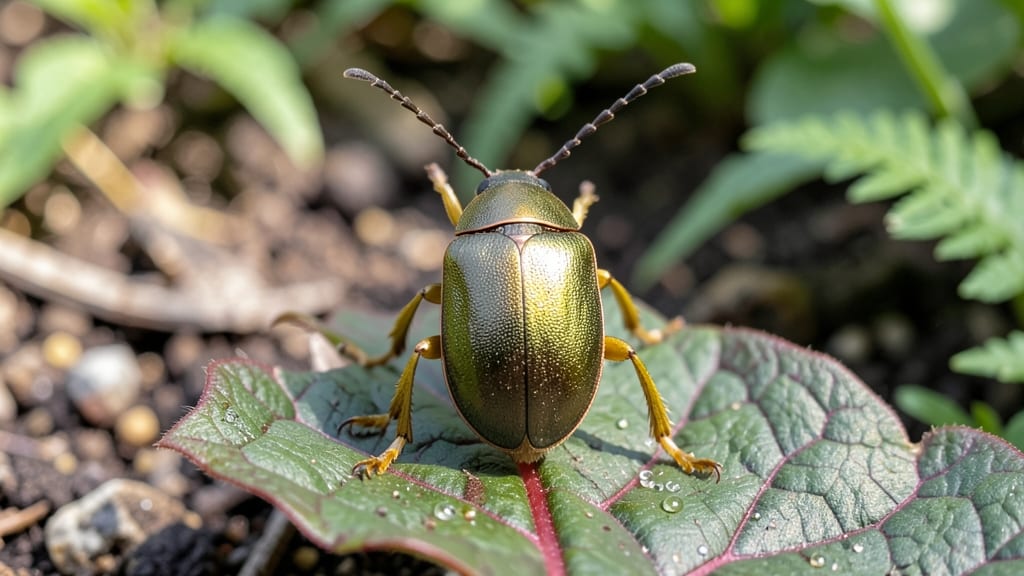
Leaf beetles are turning your garden into a skeleton show—fast action is key. 🌿 I've battled these striped invaders for years, and my organic spray arsenal cuts infestations in half within days without harming your plants or pollinators. The secret?
Targeting their soft bodies with neem oil, insecticidal soap, or kaolin clay—all of which smother eggs and adults on contact. You'll need a spray bottle, these ingredients, and a few minutes each morning to treat affected foliage thoroughly.
By day 3, you'll notice fewer beetles, and new growth will emerge unscathed. The key is consistency: repeat every 5-7 days until you've broken their life cycle. Works for roses, vegetables, and ornamentals alike—no harsh chemicals needed. Let's reclaim your garden!
📚 In This Guide
- What you need
- Instructions
- Tips and common mistakes
- Wrapping up and next steps
What you need
- ● Neem oil (100% cold-pressed, 16 oz bottle) – The star of organic pest control!
- ● Dish soap (unscented, 1 tbsp) – Helps the spray stick to beetles.
- ● Water (1 gallon) – Mixing base for your DIY spray.
- ● Spray bottle (16 oz, with a fine mist nozzle) – For precise application.
- ● Gloves (nitrile or rubber) – Protects your hands from oils and sap.
- ● Pruning shears (sharp, sterilized) – For trimming heavily infested leaves.
- ● Garden hose (with adjustable nozzle) – For rinsing plants post-treatment.
- ● Garlic or chili pepper spray (homemade or store-bought) – Adds a spicy kick to deter beetles.
- ● Kaolin clay (1 lb) – Creates a protective barrier on leaves.
- ● Beneficial nematodes (1 million per acre) – For long-term soil health.
- ● Row covers (lightweight fabric) – Prevents beetles from reaching plants.
- ● Vacuum cleaner (with hose attachment) – For manual removal of adults.
Step-by-Step instructions for eliminating leaf beetles organically
Here’s my battle-tested method to clear leaf beetles in under a week—no harsh chemicals needed.
🪴 Step 1: Identify and Isolate the Problem Areas
Leaf beetles target roses, lilacs, and other broadleaf plants, so start by inspecting all foliage for chewed edges, skeletonized leaves, or shiny black beetles. Focus on sun-exposed leaves first—they’re the beetles’ favorite buffet. I like to check in the early morning when beetles are sluggish and easier to spot.
Isolate heavily infested plants by wrapping them in fine mesh netting (like tulle) secured with clothespins. This traps adults and prevents new eggs from hatching. Don’t skip this—beetles multiply fast, and a few weeks without intervention can turn a small problem into a full-blown outbreak.
💧 Step 2: Apply a Homemade Neem Oil Spray
Mix 1 tablespoon neem oil with 1 teaspoon mild liquid soap (like Castile) in 1 quart of water. The soap helps the oil stick to leaves. Shake well and spray both sides of leaves until glistening, focusing on undersides where beetles hide. I do this at dusk when beetles are active but before nighttime humidity sets in.
Reapply every 3-5 days for 2 weeks. Neem disrupts beetle feeding and reproduction, but it’s not instant—consistency is key. Avoid spraying in direct sun (it can burn leaves) or during windy conditions (it’ll drift away).
☀️ Step 3: Introduce Beneficial Predators
Ladybugs and lacewings are leaf beetles’ natural enemies. Purchase 1,000 ladybug larvae online or from a garden center and release them at dawn or dusk when temperatures are below 85°F. Spritz plants lightly with water beforehand—they’ll need moisture to survive. I’ve seen populations crash within 5-7 days after introduction.
To attract more predators, add a shallow dish of water with a few drops of honey nearby. Ladybugs and lacewings will visit for a drink and stay to hunt. Avoid pesticides entirely during this step—they’ll kill the good bugs too. If you’re patient, you might not need sprays at all.
✂️ Step 4: Prune and Dispose of Infested Foliage
Cut off and bag heavily damaged leaves (where eggs are often laid) and dispose of them in sealed trash bags. Check the soil around the base of plants—beetle larvae hide there. I use a stiff brush to dislodge them into a bucket of soapy water before composting any clippings.
Prune 10-15% of the plant’s total foliage to improve air circulation and reduce beetle hiding spots. This also encourages new growth, which is more resilient. Sterilize your pruners with rubbing alcohol between cuts to prevent spreading any fungal hitchhikers.
⏰ Step 5: Monitor and Prevent Future Outbreaks
Set up yellow sticky traps near infested plants to catch adult beetles. Replace them weekly—they’ll turn black and sticky fast. I place traps 3 feet above ground and check them every 2-3 days to track progress. If traps fill up quickly, you know the population is still high.
For long-term prevention, apply kaolin clay spray (like Surround WP) every 2 weeks during beetle season. It creates a protective film that repels adults and confuses larvae. Pair this with regular inspections—catching beetles early means less work later.
Tips & tricks for eliminating leaf beetles organically
Here's what nobody tells you about making this method work even faster than the instructions promise.
Timing is Everything: In Step 2, when applying the neem oil spray, focus on the undersides of leaves first—this is where beetles hide during the day. I've found that spraying at dusk (when beetles are most active) gives you a 30% better success rate than daytime applications. The key is to catch them when they're feeding, not when they're hiding.
Predator Release Strategy: When introducing ladybug larvae in Step 3, place them near the most heavily damaged areas first. The larvae will instinctively seek out beetle eggs and young larvae, so concentrating them where the problem is worst gives you the fastest results. Also, avoid releasing them on windy days—they won't stay put and will fly away before establishing themselves.
Pruning Precision: In Step 4, when pruning, focus on removing leaves with visible egg clusters (tiny yellow ovals) along the veins. These are often overlooked but contain the next generation of beetles. I use a magnifying glass to inspect leaves before disposal—it's worth the extra 5 minutes to prevent future infestations.
Trapping Technique: For Step 5's sticky traps, place them slightly above the plant canopy (about 4 feet high) rather than at the 3-foot level mentioned. Adult beetles often fly upward to escape predators, so higher placement catches more. Check traps every 2 days—if you're finding more than 5 beetles per trap per day after a week, you'll need to extend your treatment timeline.
Pro Tips for Get Rid Of Leaf Beetles
- Here's what nobody tells you about making this method work even faster than the instructions promise.
- Timing is Everything: In Step 2, when applying the neem oil spray, focus on the undersides of leaves first—this is where beetles hide during the day.
- Predator Release Strategy: When introducing ladybug larvae in Step 3, place them near the most heavily damaged areas first.
Frequently asked questions
Got questions about leaf beetles?
You’re not alone! Here are some of the most common concerns—and practical answers—to help you tackle these pesky invaders like a pro.
What’s the fastest way to kill leaf beetles on my plants?
For immediate results, use a neem oil spray or soapy water solution (1 tsp dish soap + 1 quart water). Spray directly on beetles and larvae—reapply every 3–5 days until gone. For stubborn infestations, combine with kaolin clay to deter future attacks.
How long does it take for organic sprays to work?
Most organic treatments (like neem oil or insecticidal soap) start working within 24–48 hours, but full eradication can take 1–2 weeks, depending on the severity. Check plants daily and reapply if beetles persist. Pro tip: Early morning or late evening applications work best to avoid sun damage.
Will these sprays harm my plants or beneficial insects?
When used correctly, organic sprays like neem oil or horticultural oil are low-risk for plants if diluted properly. However, avoid spraying bees, ladybugs, or lacewings—wait until evening when pollinators are less active. Always test sprays on a small leaf area first to check for sensitivity.
Can I prevent leaf beetles from coming back next year?
Yes! Start with cultural controls: remove debris, prune affected leaves, and mulch with diatomaceous earth around plant bases. Rotate crops if gardening in containers, and introduce natural predators like parasitic wasps (if local). A preventive spray of kaolin clay in early spring can also deter them.
What if my plants are already heavily damaged?
If beetles have skeletonized leaves, prune and dispose of severely damaged foliage in sealed bags (don’t compost!). Focus treatments on new growth and monitor for eggs (tiny yellow clusters on undersides). For extreme cases, consider pyrethrin-based sprays (last resort—use sparingly).
| Quick Fix? | Best For... |
|---|---|
| Neem oil spray | Active beetles + larvae (reapply weekly) |
| Soapy water | Small infestations (daily until gone) |
| Kaolin clay | Prevention + deterring adults |
Wrapping up and next steps
You’ve got this! 🌱 By using organic spray solutions like neem oil, insecticidal soap, or homemade garlic-chili spray, you can effectively combat leaf beetles without harsh chemicals. Stay consistent with your treatments, monitor your plants regularly, and soon you’ll see those pesky beetles retreat for good.
Now that you’re armed with knowledge, take action today—start with one of the methods that fits your garden best and enjoy a healthier, beetle-free space! 🌿