
How To
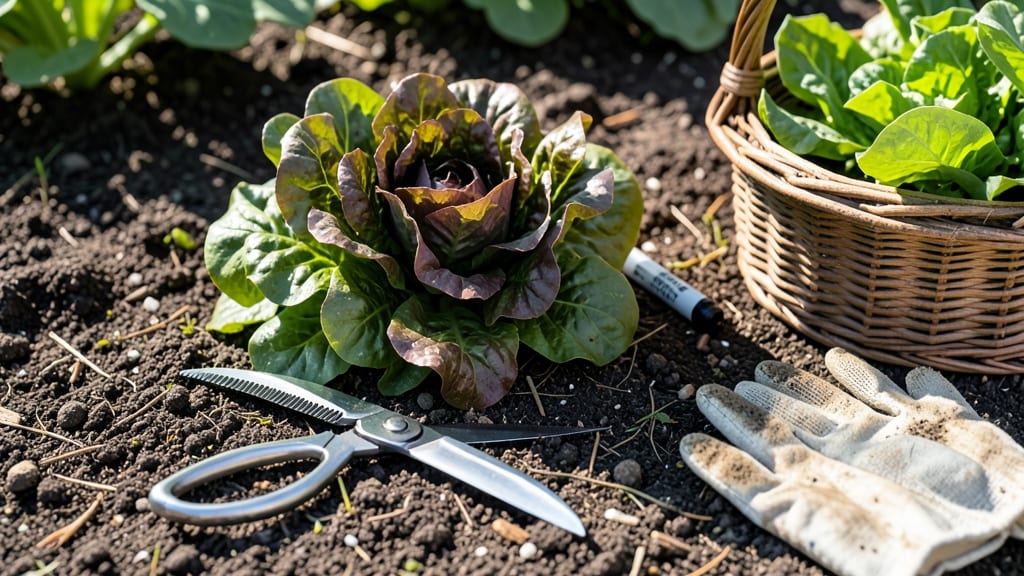
To harvest leaf lettuce 🥬 at its peak, you’ll want to cut when leaves reach 4–6 inches—before they turn bitter or bolt.
Picture this: you’ve nurtured your leaf lettuce for weeks, and now it’s time to reap the rewards—but wait too long, and those tender greens turn tough or flower.
The key is timing: harvest outer leaves first to keep the plant producing, or take the whole head if you’re done for the season.
This guide breaks down exactly when to pick your greens, how to do it without damaging the plant, and what to do with your harvest to keep it fresh longer. Whether you’re a beginner or a seasoned gardener, these tips will help you enjoy crisp, flavorful lettuce all season.
Ready to learn the best techniques? You’ll discover the ideal maturity signs, the right tools to use, and how to store your harvest so it stays fresh for days—no more wilted salads!
When to harvest leaf lettuce for peak flavor and texture
Timing your leaf lettuce harvest is everything—pick too early, and you’ll miss out on flavor; too late, and you risk bitterness or bolting. The ideal window is when leaves reach 4-6 inches long and remain tender, not woody.
This usually happens 30-60 days after planting, but climate and variety play huge roles.
In cool-season climates like USDA Zone 6a, spring harvests peak in May-June, while fall harvests extend into September-October. Heat waves can trigger bolting, so monitor your plants closely during late spring or early summer—especially if temperatures climb above 75°F (24°C).
Watch for vibrant color as a key indicator—deep greens, reds, or purples signal peak flavor. If leaves start looking yellow or pale, it’s a sign of stress, often from overcrowding or drought.
Conversely, dark green with red veins (common in varieties like Romaine or Buttercrunch) means it’s ready.
For cut-and-come-again harvests, snip the outer leaves first, leaving the inner rosette intact. This method extends your harvest by 2-4 weeks and encourages regrowth. Just avoid cutting more than 1/3 of the plant at once to prevent stress.
In hot climates, lettuce bolts faster—sometimes in as few as 30 days. To delay bolting, provide afternoon shade with a 30% shade cloth or grow lettuce under dappled sunlight (like under fruit trees). Varieties like Black Seeded Simpson or Oakleaf are more heat-tolerant.
Seasonal shifts matter too: Spring harvests in cooler months yield the sweetest, crispest leaves, while fall harvests benefit from milder temperatures after summer’s heat. If you’re in a short-season climate, opt for fast-maturing varieties (like Salad Bowl) to beat the first frost.
Avoid harvesting after a hard frost, even if leaves look intact—cold damage turns lettuce slimy and unappetizing. Instead, harvest 1-2 weeks before frost and store leaves in the fridge for up to 10 days. For long-term storage, blanch and freeze harvested leaves.
Pro tip: Morning harvests are ideal because leaves are crispest and coolest. Use a sharp knife or clean scissors to cut leaves at the base, leaving a 1-inch stub to prevent disease. This small detail keeps your lettuce healthy and productive for weeks.
Remember,
Step-by-step guide to harvesting leaf lettuce without damaging the plant
Harvesting leaf lettuce the right way ensures you get tender, flavorful greens while encouraging your plant to keep producing. The key is using the correct cutting techniques and tools to avoid stressing the plant.
I’ve learned that even a small mistake can turn your crisp salad greens into bitter, tough leaves—or worse, trigger bolting (flowering). Let’s break down how to harvest like a pro.
First, gather your tools: clean, sharp scissors or a pruning knife for precision cuts, and a bowl or basket to hold your harvest. You’ll also want to work on a dry, sunny morning when the leaves are firm and moisture levels are low.
This reduces the risk of disease and makes handling easier. Trust me, skipping this step can lead to soggy, wilted lettuce in your basket.
- Step 1: Choose Your Leaves
Select outer leaves that are 4-6 inches long and fully formed. Avoid picking from the center to protect the growing point. - Step 2: Use the Right Tool
Hold sharp scissors at a 45-degree angle and cut just above a leaf node (where leaves attach to the stem). This promotes regrowth. - Step 3: Harvest by Hand (Optional)
For delicate varieties, gently twist leaves at the base. This works best for loose-leaf types like buttercrunch or romaine. - Step 4: Leave 2-3 Inches of Growth
Never cut into the heart of the plant. Aim to leave 2-3 inches of stem to encourage new leaves. - Step 5: Store Immediately
Place harvested leaves in a perforated bag or damp paper towel in the fridge. This keeps them crisp for 5-7 days.
When harvesting, I always prioritize outer leaves first. This method, called cut-and-come-again, lets your lettuce keep producing for weeks longer than a full harvest. For example, if you’re growing romaine, you can harvest outer leaves every 2-3 weeks while the center matures.
Pro tip: Rotate your harvest direction (e.g., left side one week, right side the next) to encourage even growth.
If you’re harvesting the entire plant, cut the stem 1 inch above the soil line at a 45-degree angle. This prevents water from pooling and causing rot. After harvesting, I like to fertilize lightly with a balanced organic fertilizer to jumpstart regrowth.
Just avoid overdoing it—too much nitrogen can lead to soft, leafy growth that bolts quickly.
One mistake I see often is using dull tools, which crush leaves and invite pests. Always sterilize your scissors with rubbing alcohol between uses. Also, avoid harvesting during hot afternoons—the leaves wilt faster and lose crispness.
Instead, work in the early morning when temps are cool and moisture levels are ideal.
With the right technique, you can enjoy continuous harvests from a single lettuce plant all season. Just remember: patience and precision are your best friends in the garden.
A little care now means bigger, tastier yields later—plus, you’ll save money by not buying store-bought lettuce that’s already wilted by the time you get it home!