
Light Requirements
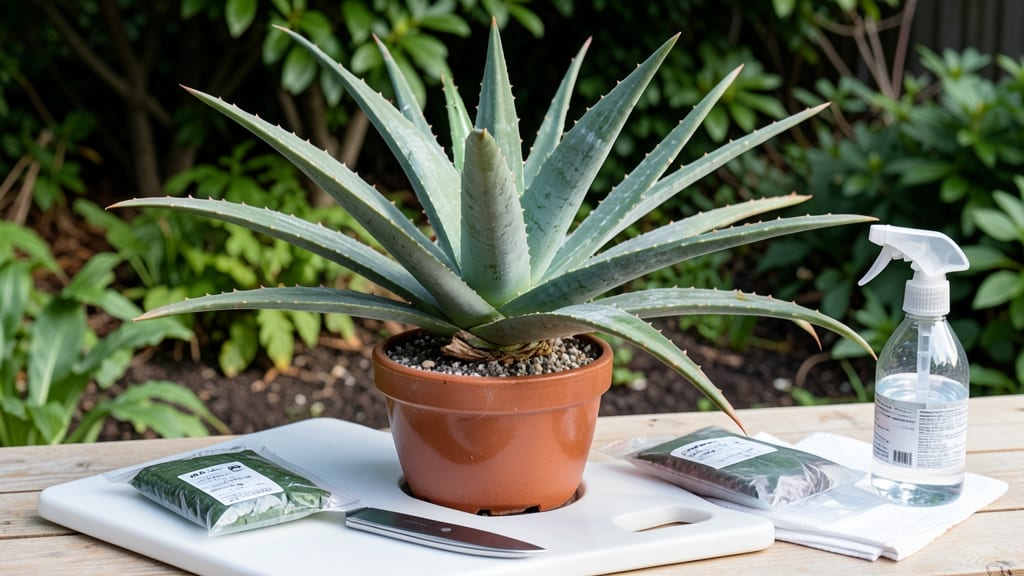
How to preserve an aloe vera leaf keeps its healing gel fresh for months—no more wasted plants when you need them most. 🌱 I’ve learned the hard way that improper storage turns good leaves into mushy, browned messes within days. The right method ensures you always have gel ready for burns, skin irritations, or homemade remedies.
Start by cutting a healthy leaf cleanly at the base with a sharp knife, then let it sit for 10 minutes to seal the wound.
Rinse off any dirt or residue, pat dry with a paper towel, and store it upright in a glass jar with just the base submerged in water—like a bouquet. This mimics natural conditions and prevents browning.
For long-term use, you’ve got three foolproof options: refrigerate whole leaves for up to 2 weeks, freeze gel in ice cube trays for 6 months, or air-dry slices for powdered aloe.
The key is speed—extract gel within 24 hours of cutting for maximum potency, or your gel will lose its soothing properties over time.
Pro tip: Label your stored leaves with the date, and avoid plastic containers—they trap moisture and speed up spoilage. Whether you’re prepping for summer sunburn season or stocking up for winter skincare, these methods keep your aloe vera ready whenever you need it.
📚 In This Guide
- What you need
- Instructions
- Tips and common mistakes
- Wrapping up and next steps
What you need
- ● Fresh aloe vera leaf: 1 healthy, mature leaf (preferably 12+ inches long).
- ● Sharp knife or pruning shears: A clean, sterilized blade to avoid damaging the leaf or introducing bacteria.
- ● Cutting board: A clean, flat surface (preferably food-grade if repurposing for edible uses).
- ● Air-tight container: A glass jar, plastic container, or resealable bag (choose based on preservation method).
- ● Paper towels or clean cloth: For gently drying the leaf before storage.
- ○ Water (optional): For rinsing the leaf if it’s dusty or dirty.
- ○ Plastic wrap or beeswax wrap (optional): To cover the cut end of the leaf for short-term storage.
- ● Honey or sugar (for edible preservation): 1-2 tbsp to coat the leaf if storing for culinary use.
- ● Vitamin E oil (for skincare use): 1 tsp to prevent oxidation and extend shelf life.
- ● Food dehydrator or oven (for dried aloe): If you plan to dry slices for long-term storage.
- ● Label & marker: To date your stored leaf for tracking freshness.
Step-by-step guide to preserving aloe vera leaf
Here's how I keep aloe fresh for weeks—no browning, no slimy mess.
🌿 Step 1: Harvest and Clean the Leaf Properly
Select a thick, mature leaf from the outer edge of the plant. Twist gently until it snaps cleanly at the base—this prevents tearing that invites rot. Wipe away any dirt or gel residue with a damp paper towel, but don't rinse off the natural gel layer. This protective coating keeps the leaf fresh longer.
I always work on a clean cutting board to avoid contamination. If the leaf feels dry or papery at the edges, trim those parts off before storing. The fresher the leaf, the longer it'll stay usable—aim for leaves that are firm and plump, not wrinkled or soft.
💧 Step 2: Store in a Cool, Dark Place with Controlled Humidity
Place the cleaned leaf in a paper bag (not plastic) and tie it loosely at the top. The paper allows just enough airflow to prevent condensation while keeping humidity stable. Store in the crispest part of your fridge—usually the lower shelves or crisper drawer—where temperatures stay around 38-42°F.
Don't seal the bag completely; condensation will make the leaf soggy and speed up spoilage. If you notice moisture beads inside after a few days, open the bag slightly to let excess humidity escape. This method keeps leaves fresh for 2-3 weeks without browning.
✂️ Step 3: Prepare for Long-Term Use (Optional)
For leaves you won't use within a month, trim off the spiky edges with kitchen shears to make handling safer. Wrap the leaf in parchment paper (not wax paper) and place it in a resealable plastic bag with a silica gel packet. This combo keeps the leaf dry and prevents moisture buildup that causes browning.
Label the bag with the date—leaves stored this way last 3-4 months in the freezer. When ready to use, thaw in the fridge overnight. The gel will separate slightly, but it's still perfect for skincare or soothing burns.
🌱 Step 4: Revive Wilted Leaves (If Needed)
If your leaf starts to wilt but isn't yet mushy, place the base in a glass of room-temperature water for 1-2 hours. The leaf will drink up moisture through the cut end and perk back up. Avoid cold water—it shocks the plant tissue and makes revival harder.
Once revived, store it again in the paper bag method. I've brought back leaves that looked nearly dried out, but the trick is acting fast—within 24 hours of wilting. After that, the cells break down too much, and even reviving won't help.
⏰ Step 5: Use Before It Spoils (Key Checkpoints)
Check your leaf every 3-4 days for signs of spoilage: slimy texture, foul odor, or dark brown patches. A fresh leaf should feel firm, smell clean (like a green plant), and have a translucent gel layer. If the gel turns cloudy or the leaf feels mushy, compost it immediately—spoiled aloe can harbor bacteria.
For best results, use leaves within 2 weeks of harvesting. The gel quality degrades over time, even with proper storage. When ready to use, slice open the leaf and scoop out the gel with a spoon—no need to rinse unless you're using it for cooking.
Tips & tricks for perfect aloe vera preservation
Real talk: I've lost count of how many aloe leaves I've ruined trying to extend their shelf life. Here's what I learned the hard way to keep yours fresh and usable.
Leaf Selection is Everything: Skip the thin, spiky leaves—they're past their prime. Aim for leaves that are at least 3-4 inches thick at the base and feel heavy for their size. The thicker the leaf, the more gel it contains and the longer it'll stay fresh. I always check for a vibrant green color without yellowing or brown patches before harvesting.
Storage Temperature Matters: That 38-42°F range in your fridge's crisper drawer isn't just arbitrary—aloe gel starts breaking down above 45°F. If your fridge runs warmer, consider storing the paper bag in a bowl of ice cubes (not touching) for an extra 30 minutes after placing it in the fridge. The cold shock helps lock in freshness for those first critical days.
Reviving Leaves Takes Precision: When you're reviving a wilted leaf in room-temperature water for 1-2 hours, don't rush it! The water should cover just the base (about 1 inch) of the leaf. Too much water and the leaf will absorb too quickly, becoming mushy. Too little and it won't drink enough. I use a clear glass so I can monitor the water level—it should stay constant during the process.
Freezer Hack for Long-Term: If you're storing leaves in the freezer for 3-4 months, here's my secret: place the wrapped leaf on a baking sheet before putting it in the freezer. This prevents the leaves from sticking together when frozen. Once frozen solid (after about 2 hours), transfer to your labeled bag. This keeps them separate and makes thawing easier—just pop out one leaf at a time instead of dealing with a frozen block.
Pro Tips for Preserve Aloe Vera Leaf
- Real talk: I've lost count of how many aloe leaves I've ruined trying to extend their shelf life.
- Leaf Selection is Everything: Skip the thin, spiky leaves—they're past their prime.
- Storage Temperature Matters: That 38-42°F range in your fridge's crisper drawer isn't just arbitrary—aloe gel starts breaking down above 45°F.
Frequently asked questions
Got questions about keeping your aloe vera fresh and ready to use? Here are some of the most common concerns—and their simple solutions!
How long can I store a preserved aloe vera leaf?
With proper preservation (like refrigeration or freezing), a whole aloe leaf stays fresh for 1–2 weeks. Once opened, use the gel within 3–5 days for best quality. For longer storage, freeze the gel in ice cube trays—it lasts up to 6 months!
Can I freeze aloe vera gel instead of the whole leaf?
Freezing gel is easier and more convenient. Scoop out the gel, store it in airtight containers or ice cube trays, and freeze. Thaw in the fridge overnight before use. Pro tip: Add a splash of water or aloe juice to prevent drying out.
Why is my preserved aloe vera turning brown or slimy?
Browning or sliminess usually means oxidation or bacterial growth. To prevent it:
- Store leaves tightly wrapped in plastic or submerged in water.
- Use fresh, uncut leaves—older or damaged ones spoil faster.
- Keep it cold (35–40°F) and avoid moisture buildup.
What’s the best way to preserve aloe for skincare use?
For skincare, freezing is ideal because it retains enzymes and moisture. Cut the leaf, scoop out the gel, and freeze in small portions. When ready, thaw and blend with aloe vera juice or a carrier oil (like coconut oil) for lotions or masks.
Can I reuse leftover aloe vera water after extracting the gel?
Yes! The clear aloe vera liquid (lye) left after scooping out the gel is packed with vitamins and can be used in:
- Skincare toners (mix with rose water).
- Hair rinses (dilute with water).
- Plant fertilizers (dilute 1:10 with water).
Wrapping up and next steps
Preserving your aloe vera leaf the right way ensures you always have fresh, potent gel ready for skincare or healing—without the hassle of browning or spoilage! Whether you choose refrigeration, freezing, dehydration, or vinegar soaking, each method offers unique benefits tailored to your needs.
The key is acting quickly, keeping the leaf clean, and storing it properly to lock in its soothing properties.
Now that you’re armed with these expert tips, why not try one (or all!) of these methods today? Grab a leaf, experiment, and discover the best preservation trick for your routine. Your skin (and future self) will thank you! 🌿✨