
How To
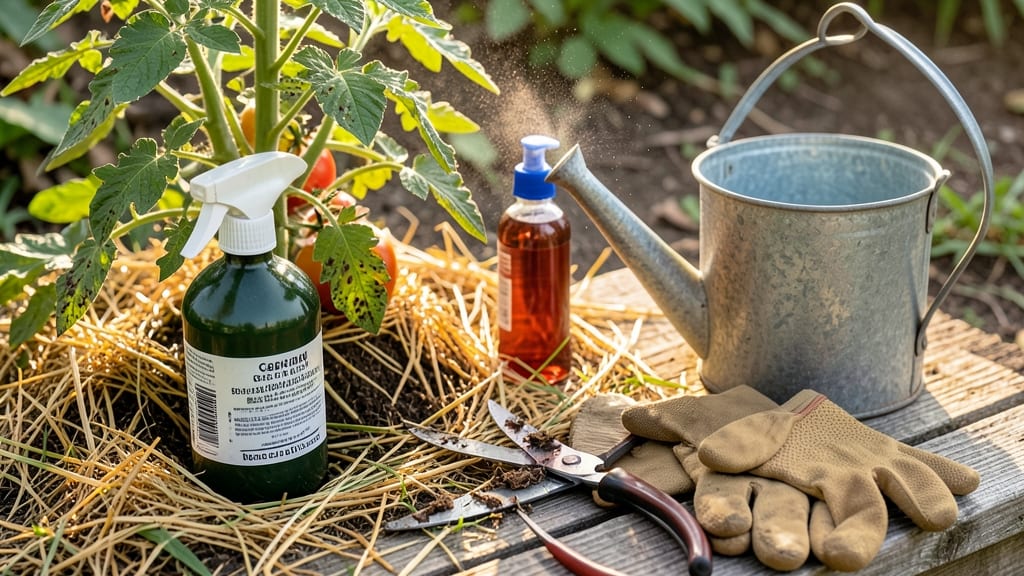
How to treat leaf septoria before it turns your thriving plants into a sad, spotted mess—unless you act fast. 🌿 I’ve seen this fungal disease ruin entire tomato harvests in just a few weeks, but these three targeted steps can stop it in its tracks before it spreads. The problem starts with wet leaves and poor airflow, creating the perfect breeding ground for those ugly brown spots with yellow halos. Most gardeners panic and grab the strongest fungicide, but that’s overkill—organic fixes like copper sprays and pruning work just as well when done right. By the end of this, you’ll have a cleaner plant, fewer spots, and a garden that stays healthy all season. The key? Catch it early, remove infected leaves, and adjust your watering habits to keep foliage dry. Works for tomatoes, roses, wheat, and more—here’s how to save your plants before the spots take over.
Root Causes of Leaf Septoria
Understanding why leaf septoria strikes your plants is the first step toward preventing it. This fungal disease thrives under specific conditions, often linked to environmental factors, plant health, or even your gardening habits. Let’s break down the key reasons behind its spread.
Leaf septoria (Septoria lycopersici and other species) is a water-loving fungus. When leaves stay wet for prolonged periods—whether from rain, overhead irrigation, or high humidity—the fungus gets the perfect breeding ground. Here’s why it’s a problem:
- Prolonged Leaf Wetness: The fungus spores germinate and infect plants when moisture lingers on foliage for 6–12 hours or more.
This is why you often see outbreaks after heavy rain or frequent misting. - Poor Air Circulation: Dense plantings or crowded foliage trap moisture, creating a humid microclimate that encourages fungal growth. - Overwatering: While roots need hydration, soggy soil leads to saturated leaves, increasing infection risk.
This is especially true for plants like tomatoes, beans, and celery, which are prone to septoria.
Actionable Insight: 💡 If your garden is prone to damp conditions, opt for drip irrigation (delivers water at soil level) and avoid watering in the evening. Space plants to improve airflow—this simple step can drastically reduce fungal pressure.
Leaf septoria doesn’t just need water—it also thrives in moderate temperatures (60–75°F or 15–24°C) with high humidity (70% or above). Here’s the science behind it:
- Cool, Wet Weather: The fungus spreads rapidly in spring and fall, when temperatures are mild but humidity remains high.
This is why you might see outbreaks in early summer or late summer when rains return. - Nighttime Dew: Dew forms on leaves overnight, providing the moisture the fungus needs to infect plants before the sun dries them out. - Greenhouse Environments: Controlled environments with poor ventilation can create perfect conditions for septoria, as humidity levels often spike without proper airflow.
Actionable Insight: 🌡️ Monitor your local weather forecasts and adjust watering schedules to avoid wetting leaves during peak humidity. In greenhouses, use exhaust fans or dehumidifiers to keep conditions less favorable for the fungus.
Healthy plants resist infections better, but stressed or compromised plants are easy targets for leaf septoria. Common stressors include:
- Nutrient Deficiencies: Plants lacking nitrogen, potassium, or magnesium (common in overworked or poor-quality soil) have weaker cell walls, making them vulnerable to fungal invasion. - Physical Damage: Insect bites, hail, or even rough handling can create entry points for the fungus.
For example, tomato hornworms or aphids can weaken leaves, inviting septoria. - Overcrowding: Plants competing for resources (light, water, nutrients) grow slowly and develop thinner, more susceptible foliage. - Previous Disease or Pest Issues: If a plant has already battled another pathogen (like early blight or powdery mildew), its defenses are likely compromised, making it an easy mark for septoria.
Actionable Insight: 💪 Boost plant resilience with balanced fertilization (use a soil test to check deficiencies) and crop rotation to prevent soil-borne pathogens from building up. Prune plants to improve airflow and remove damaged leaves promptly.
Fungal spores are persistent and can survive in soil or on tools for years. Here’s how they spread:
- Infected Plant Debris: Leaving old leaves, stems, or crop residues in the soil or compost pile allows spores to overwinter and reinfect new plants the following season.
- Reused Gardening Tools: Pruners, shears, or even gloves contaminated with septoria spores can transfer the fungus to healthy plants when used without sterilization.
- Contaminated Seedlings or Transplants: Buying infected seedlings or using saved seeds from previously diseased plants can introduce septoria directly into your garden.
Actionable Insight: ✨ Sanitize tools with a 10% bleach solution (1 part bleach to 9 parts water) or rubbing alcohol between uses. Practice crop rotation (avoid planting susceptible crops in the same spot for 3+ years) and clean up debris thoroughly in fall. If using saved seeds, ensure they’re from healthy, disease-free plants.
Some regions or microclimates are hotspots for leaf septoria due to:
- High Rainfall Areas: Regions with frequent, prolonged rainfall (like the Pacific Northwest or Southeast U.S.) see more outbreaks.
- Coastal Humidity: Ocean breezes can carry moisture-laden air, increasing humidity levels in gardens.
- Urban Heat Islands: Surprisingly, cities with high nighttime humidity (due to concrete absorbing heat) can create ideal conditions for fungal growth.
Actionable Insight: 🗺️ If you live in a high-risk area, choose resistant varieties (e.g., ‘Mountain Merit’ tomatoes or ‘Provider’ celery) and space plants widely to reduce humidity around foliage. Raised beds with excellent drainage can also help.
How to Fix Fungal Spots Fast
Leaf septoria isn’t just unsightly—it can weaken your plants, reduce yields, and even kill them if left unchecked. The good news? With the right approach, you can stop the spread, heal damaged foliage, and prevent future outbreaks.
Below, we break down the exact fixes for each root cause, from quick remedies to long-term strategies. Grab your gloves and let’s get to work! 🌱🛠️
If you’ve identified septoria spots (those tan or grayish centers with dark borders), the first line of defense is physical removal. Fungal spores thrive on decaying plant matter, so every infected leaf must go—no exceptions.
🍳 How to Do It Right
- 🔪 Sterilize your tools: Wipe pruners or scissors with 70% isopropyl alcohol or a 1:10 bleach-water mix before and after use. This prevents cross-contamination.
- 🌡️ Time it right: Prune on a dry, sunny day (morning is best). Avoid working when leaves are wet—this spreads spores faster.
- 🗑️ Dispose properly: Do NOT compost infected leaves. Seal them in a plastic bag and toss them in the trash (or burn them if local regulations allow).
- 🌿 Focus on hotspots: Prioritize lower leaves (they’re closest to the soil, where spores lurk) and crowded areas where airflow is poor.
✨ Pro Tip:
If your plant is heavily infected (over 30% of leaves), consider removing entire branches or even the plant itself to save nearby healthy growth. Better to lose one than risk the whole garden!
Once you’ve pruned, treat the remaining plant with a fungicide to kill existing spores and prevent regrowth. Your choice depends on the severity and your preference for organic vs. synthetic solutions.
💡 Organic Fixes (Safe for Edibles & Eco-Friendly)
| Solution | How to Use | Best For |
|---|---|---|
| Neem Oil | Mix 1 tbsp neem oil + 1 tsp mild soap + 1 quart water. Spray thoroughly (top and bottom of leaves). Reapply every 7–10 days or after rain. | Mild to moderate infections; preventative care. |
| Baking Soda Spray | Combine 1 tbsp baking soda + 1 quart water + a few drops of soap. Spray leaves until damp. Use every 2 weeks. | Early-stage septoria; great for veggies/herbs. |
| Copper Fungicide | Follow label instructions (typically 1–2 tbsp per gallon of water). Spray evenly; reapply after heavy rain. | Severe infections; works on contact. |
| Milk Spray | Dilute 1 part milk to 9 parts water. Spray leaves; reapply weekly. | Preventative; boosts plant immunity. |
🔥 Chemical Fixes (Faster but Stricter)
For severe or repeated outbreaks, synthetic fungicides like chlorothalonil (Daconil) or propiconazole (Banner Maxx) can provide faster results. Always:
- ✅ Follow label instructions precisely (dosage, safety gear, reapplication timing).
- ✅ Avoid spraying edible plants within 7–14 days of harvest (check the label).
- ✅ Rotate between different fungicides to prevent resistance.
🎯 Pro Tip:
For best results, combine fungicides with pruning and cultural fixes (see next step). A single treatment won’t erase septoria—consistency is key!
Septoria loves stressed, crowded, or neglected plants. Fix these underlying issues to make your garden fungus-proof:
💡 Cultural Fixes (Long-Term Solutions)
- 🌬️ Boost airflow: Space plants properly (follow seed packet guidelines) and prune for open growth. Use trellises for vining plants.
- ☀️ Increase sunlight: Septoria thrives in shady, damp conditions. Thin out nearby plants or relocate to a sunnier spot if possible.
- 💧 Water wisely: Avoid overhead watering (use drip irrigation or soaker hoses). Water early in the day so leaves dry quickly.
- 🌱 Soil health: Amend soil with compost to improve drainage. Overwatering or compacted soil = fungal paradise.
- 🌿 Crop rotation: If septoria was bad last year, don’t replant the same family (e.g., tomatoes, basil, peppers) in the same spot for 2–3 years.
🔥 Pro Tip:
For high-risk plants (like tomatoes or celery), try resistant varieties. Breeders have developed strains that naturally fight septoria—check seed catalogs for labels like “septoria-resistant”!
If your plant is already dying or septoria keeps returning, consider these last-resort tactics:
- 🌿 Remove the plant: If it’s a non-essential ornamental, dig it up and destroy it to protect others.
- 🧴 Soil drench: Mix 1 part hydrogen peroxide (3%) to 10 parts water and pour it into the soil to kill fungal spores at the root level.
- 🛡️ Barrier treatments: For container plants, line the bottom with plastic sheeting to prevent spore splash-up from soil.
Remember: Septoria is manageable, not a death sentence. The key is acting fast, staying consistent, and giving your plants the best growing conditions. With these steps, you’ll send those fungal spots packing—and keep your garden thriving! 🌿💪
Frequently asked questions
Can I still harvest fruit from plants with leaf septoria?
Yes, but only if the fruit itself is healthy and hasn't come into contact with infected leaves. Remove any fruit touching diseased foliage immediately. For tomatoes and peppers, focus on harvesting from the top of the plant where leaves are less likely to be infected. Always wash produce thoroughly before eating.
How often should I apply fungicides for leaf septoria?
For organic options like neem oil or baking soda, apply every 7-10 days or after heavy rain. Chemical fungicides should follow label instructions, typically every 10-14 days. The key is consistency—don't wait until you see new spots. Prevention is always easier than treatment!
Will rain wash away my fungicide treatments?
Yes, heavy rain can reduce effectiveness, so reapply after 24-48 hours of rain. For maximum protection, apply fungicides in the late afternoon when rain is less likely. Use products labeled for "rainfast" properties if your area gets frequent showers.
Can I use the same fungicide year after year?
No, this can lead to fungal resistance. Rotate between copper-based, neem oil, and baking soda treatments annually. For chemical fungicides, alternate between different active ingredients like chlorothalonil and propiconazole. This keeps the fungus from adapting to your treatments.
What should I do if my seeds develop septoria?
Destroy any infected seedlings immediately and sterilize your containers with a 10% bleach solution (1 part bleach to 9 parts water). For future plantings, use pasteurized soil (heat to 180°F for 30 minutes) or fresh potting mix. Consider buying disease-resistant seed varieties next season. Never reuse soil from infected plants.