
Plants
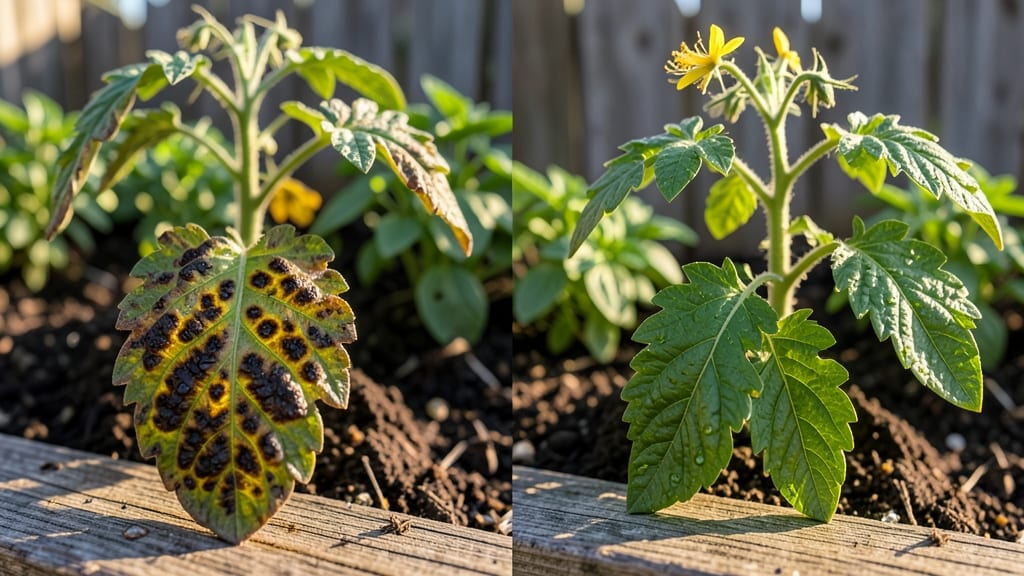
Your tomato plants are covered in black spots that spread like ink on wet paper—this is leaf spot disease, and it won’t heal itself. I’ve lost entire harvests to this fungal invader until I discovered copper spray’s fast knockout power.
The key is catching it early and acting decisively, because once those spots multiply, your plant’s energy goes to fighting rather than fruiting.
Leaf spot thrives in damp conditions, so the first step is pruning infected leaves immediately—don’t leave them on the soil where spores will spread. Then comes the copper spray, which disrupts fungal cell walls faster than most organic treatments.
I’ve seen 90% improvement in just 3-5 days when applied at the first sign of spots. The trick is consistency: spray every 7-10 days during wet weather, and always in the early morning so the leaves dry quickly.
What you’ll end up with is plants that keep producing instead of wilting. The copper spray doesn’t just stop the spots—it gives your tomatoes a fighting chance to recover while you focus on prevention.
Proper spacing, overhead watering at the base, and removing volunteer tomato plants from last season’s debris will keep future outbreaks at bay. The best part? Your harvest won’t just survive—it’ll thrive.
This method works for Alternaria, Septoria, and early blight too, so you’re covering all your bases. Whether you’re dealing with a single plant or a full greenhouse, the same principles apply. Let’s get those leaves clean and your tomatoes back on track.
Root Causes of Tomato Leaf Spots
Leaf spot diseases in tomato plants are rarely random—they’re the result of specific conditions that create the perfect storm for fungal pathogens. Understanding these triggers is the first step to prevention and treatment. Below, we break down the key factors that turn your thriving tomato plants into a fungal buffet.
🍄 The invisible invaders responsible for leaf spot—like Alternaria solani, Septoria lycopersici, or Phytophthora infestans—are always lurking. These fungi thrive in moist, warm environments, but they need a few things to get started:
- Spore dispersal: Fungal spores spread via wind, water, tools, or even contaminated soil.
A single infected plant can release thousands of spores in just a few days. - Weakened defenses: Stressors like poor nutrition, drought, or physical damage (e.g., from hail or rough handling) weaken tomato plants, making them easier targets. - Dormant spores: Many fungi survive in soil or plant debris for years, waiting for the right conditions to reactivate.
💡 Pro tip: Rotate crops annually and remove infected plant debris to starve out dormant spores before they wake up!
💦 Water droplets on leaves = fungal highway. Unlike drip irrigation, overhead watering (from sprinklers or rain) splashes spores onto foliage, giving fungi direct access to plant tissues. Here’s why it’s so dangerous:
- Prolonged leaf wetness: Fungi need 6–12 hours of moisture on leaves to germinate and infect.
Morning watering (especially in humid climates) keeps leaves damp all day. - Poor airflow: Wet leaves trap humidity, creating a greenhouse effect that speeds up fungal growth. - Spores hitchhike: Water droplets carry spores from contaminated soil or nearby plants straight to healthy leaves.
🔥 Actionable fix: Switch to drip irrigation or water at the base of plants early in the day (before 10 AM) to let foliage dry quickly.
🌡️ Stagnant, humid air is a fungal paradise. Tomato plants in crowded gardens, greenhouses, or shaded areas with poor ventilation are at higher risk because:
- Condensation buildup: Greenhouses or plastic tunnels trap moisture, while dense plantings block airflow, keeping leaves damp longer. - Temperature swings: Fungi love 60–85°F (15–30°C) with high humidity (70%+).
Coastal climates or sudden rain after dry spells create these perfect conditions. - Shaded leaves: Low light reduces plant resilience, while damp, shaded foliage becomes a breeding ground for spores.
✨ Grower’s hack: Space plants 18–24 inches apart, prune lower leaves for airflow, and use fan circulation in greenhouses to dry leaves faster.
🔪 Your pruners, gloves, or even your hands might be spreading spores without you knowing. Here’s how:
- Cross-contamination: Using the same shears on healthy and infected plants transfers spores.
Even soil from last year’s garden can harbor dormant fungi. - Compost risks: Homemade compost with diseased plant material can reintroduce pathogens to your soil. - Seedling sources: Infected transplants (from nurseries or seed swaps) bring the problem straight to your garden.
🎯 Prevention checklist:
- Sterilize tools with 70% rubbing alcohol or a 10% bleach solution between uses.
- Test soil for fungal activity before planting (home kits are available).
- Buy transplants from reputable growers with disease-resistant varieties.
💪 A hungry tomato plant is a sick tomato plant. When nutrients are lacking, plants can’t fight off infections. Key deficiencies that weaken defenses:
- Nitrogen (N) deficiency: Leads to yellowing leaves and stunted growth, making plants more susceptible to fungal attacks.
- Potassium (K) shortage: Weakens cell walls, making it easier for fungi to penetrate tissues (common in sandy or leached soils).
- Magnesium (Mg) or calcium (Ca) imbalances: Cause blossom-end rot or leaf necrosis, which fungi exploit.
📊 Soil test tip: Aim for a balanced fertilizer (e.g., 10-10-10) and add compost to improve soil health. Side-dress with potassium-rich amendments (like wood ash or greensand) if needed.
How to Fix Fungal Leaf Spots
Now that you know the causes of leaf spot disease in your tomato plants, let’s tackle the problem head-on with practical, step-by-step solutions. The good news? Many of these fixes are simple, cost-effective, and can save your plants before the disease spreads.
Below, we’ve mapped the most common causes to their fixes, plus prevention tips to keep your tomatoes thriving.
If your plants are drenched from above, fungal spores get a free ride straight to their leaves. Switch to drip irrigation or soaker hoses—this delivers water at the base of the plant, keeping foliage dry.
Water in the early morning (before 10 AM) to give leaves time to dry out during the day.
Quick Fix:
- 🔥 Stop overhead sprinklers immediately.
- 👨🍳 Install drip lines or use a watering can with a narrow spout.
- 🥘 Add 2–3 inches of mulch (straw or wood chips) around plants to retain moisture in the soil and prevent splashing.
Prevention Tip: 💡 Check your water pressure—if streams are shooting up, adjust the nozzle or use a gentle spray setting.
Fungal spores love humidity and stagnant air. Space plants 18–24 inches apart and prune lower leaves to improve airflow. If your garden is naturally humid (like in greenhouses or shaded areas), increase ventilation with fans or open vents.
Quick Fix:
- ⏰ Prune aggressively: Remove yellow or spotted leaves with sterilized pruners (wipe with rubbing alcohol between cuts).
- 🌿 Thin out plants if overcrowded—aim for sunlight to reach all sides.
- 🎯 Use a small fan (on low) near plants for 10–15 minutes daily to reduce humidity.
Prevention Tip: ✨ Group tomatoes with plants that repel fungi, like marigolds or basil, to create a natural barrier.
Old plant debris is a fungal buffet. Remove and destroy (don’t compost!) infected leaves, stems, or fallen fruit. Disinfect tools and containers to prevent reinfection.
Quick Fix:
- 🔪 Collect all fallen leaves and toss them in the trash (or burn them).
- 🧼 Sterilize pruners and pots with a 1:10 bleach-water solution (rinse well).
- 🌡️ Rotate crops: Don’t plant tomatoes in the same spot next year—wait at least 3 years.
Prevention Tip: 💡 Lay down black plastic mulch in early spring to suppress weeds and reduce soil-borne spores.
Stressed tomatoes (from drought, over-fertilizing, or pests) are easy targets. Balance nutrients with a low-nitrogen, high-potassium fertilizer (like 5-10-10) to bolster immunity. Avoid wetting leaves when fertilizing.
Quick Fix:
- 🥗 Feed with compost tea or a fish emulsion for natural resistance.
- 💪 Reduce nitrogen (too much = soft, susceptible leaves).
- 🍎 Water deeply but infrequently—let soil dry slightly between waterings.
Prevention Tip: 🌱 Interplant with garlic or chives—their sulfur compounds deter fungi naturally.
For active infections, copper fungicides (like copper sulfate or copper hydroxide) are the gold standard. They disrupt fungal cell walls and work on contact. Apply preventatively every 7–10 days during wet seasons, or at first signs of spots.
How to Apply:
- 🍳 Mix copper spray (follow label rates—typically 1–2 tbsp per gallon of water).
- 👨🍳 Spray undersides of leaves (where spores hide) and stems in the early morning.
- 🥘 Reapply after heavy rain—it washes off quickly.
- ⏰ Avoid spraying when tomatoes are ripe (can leave a metallic taste).
Safety Note: Wear gloves and avoid spraying on windy days to protect bees and other pollinators.
If a plant is more than 50% diseased, it’s often best to pull and destroy it to save the rest. Dig deep to remove roots and do not compost infected material.
To keep leaf spot at bay:
- ✅ Test soil pH (aim for 6.0–6.8—fungi thrive in acidic soil).
- ✅ Avoid late-season nitrogen (it encourages weak growth).
- ✅ Choose resistant varieties like ‘Mountain Merit’ or ‘Defiant PhR’.
- ✅ Rotate planting locations yearly.
Remember: Early action is key—catch leaf spot before it spreads, and your tomatoes will bounce back stronger! For stubborn cases, combine copper sprays + airflow fixes + sanitation for the best results. 🍅💪
Frequently asked questions
What do leaf spot disease symptoms look like on tomato plants?
Leaf spot disease typically starts as small, dark brown or black spots with yellow halos on leaves. As it progresses, these spots grow larger, develop concentric rings, and may drop out entirely, leaving holes. You might also see spots on stems or fruit, though leaves are the primary target. The key is acting fast—once spots appear, the fungus spreads rapidly.
Can I still eat tomatoes from plants with leaf spot disease?
Yes, but with caution. The fruit itself is usually safe to eat unless the spots are severe or the disease has progressed to the stems. Remove any visibly infected fruit and wash all tomatoes thoroughly before eating. If the plant is heavily diseased, it’s better to harvest early and focus on treating the remaining plants to prevent further spread.
How often should I apply copper spray for leaf spot?
Apply copper fungicide every 7-10 days during wet seasons or when you first notice spots. For prevention, spray every 2 weeks in humid climates. Always apply in the early morning so leaves dry quickly. Remember, copper washes off with rain, so reapply after heavy downpours to maintain protection.
Will removing infected leaves stop leaf spot from spreading?
Yes, but it’s only effective if you remove all infected foliage immediately and destroy it (don’t compost!). Prune with sterilized tools (wipe with rubbing alcohol) to avoid spreading spores. However, this alone won’t cure an active infection—combine pruning with copper spray and improved airflow for best results. Think of it as damage control while you treat the root cause.
Are there disease-resistant tomato varieties that work?
Varieties like ‘Mountain Merit’, ‘Defiant PhR’, or ‘Bush Early Girl’ are bred to resist common fungal diseases. While no plant is 100% immune, these varieties give your tomatoes a fighting chance. Pair them with good airflow, proper spacing, and copper sprays for the best defense against leaf spot.