
Light Requirements
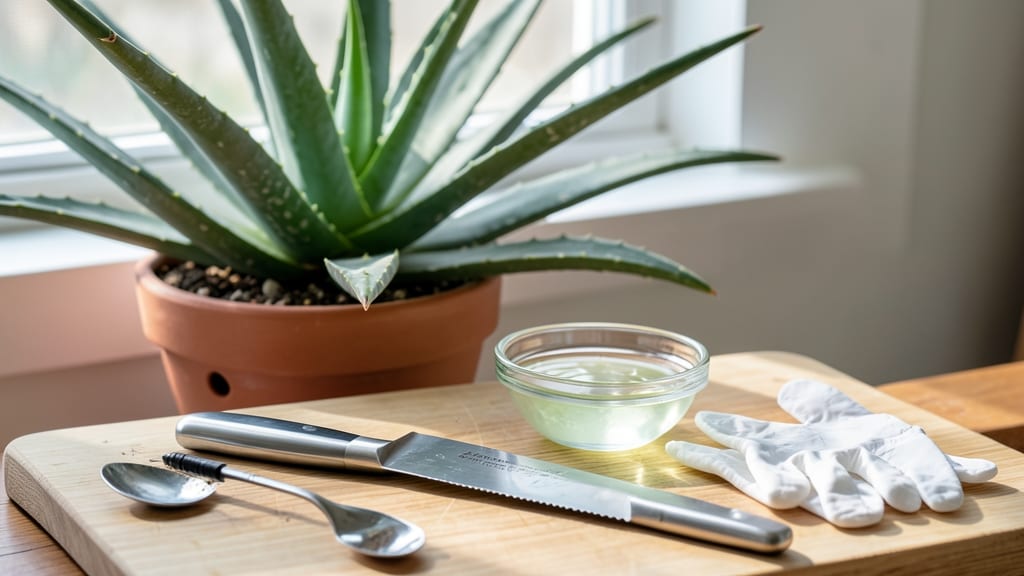
How to use this aloe vera leaf—it’s not just a houseplant, it’s a first-aid kit hiding in plain sight. 🌱 That thick, gel-filled leaf can soothe sunburns in minutes, heal minor cuts overnight, and even tame acne-prone skin without harsh chemicals. I’ve used mine for everything from post-garden blisters to dry winter elbows, and the results are always shocking. The magic is in the gel, but the yellow latex along the edges is a different story—it can irritate sensitive skin. Always peel away the spiky edges and rinse the gel before applying. For burns, slice open a leaf and press the gel side directly onto the skin; for skincare, blend it with honey or yogurt for an instant hydrating mask. You’ll notice skin calming almost immediately, with redness fading within hours. The gel’s anti-inflammatory properties work faster than most over-the-counter treatments, and it’s gentle enough for daily use. Plus, one leaf gives you multiple uses—just store the remaining gel in the fridge for up to a week. For hair, mix gel with coconut oil to reduce frizz or add shine to dull strands. Just avoid the roots if you have a sensitive scalp. Sustainability tip: Use the entire leaf—even the fibrous pulp can be composted or repurposed into natural cleaning scrubs.
📚 In This Guide
- What you need
- Instructions
- Tips and common mistakes
- Wrapping up and next steps
What you need
- ● Fresh aloe vera leaf (1-2 mature leaves, ~12-18 inches long, preferably from a 3+ year-old plant for maximum potency). Pro tip: Pick the outermost leaves—they’re the thickest and most gel-packed! 🌱
- ● Sharp knife or kitchen shears (sterilized with rubbing alcohol for hygiene).
- ● Cutting board (preferably plastic or wood to avoid rust).
- ● Spoon or aloe vera gel extractor (a wooden spoon or gel scooper works best to avoid oxidation).
- ● Bowl or container (glass or ceramic, ~1 cup capacity).
- ○ Strainer or fine-mesh sieve (optional but helpful for removing pulp if you prefer pure gel).
- ● Clean towel or paper towels (for blotting excess liquid).
- ● Store-bought aloe vera gel (100% pure, no additives—check labels!).
- ● Food processor or blender (for extracting gel from multiple leaves efficiently).
- ● Essential oils or honey (e.g., tea tree oil or raw honey for enhanced skin/hair benefits).
- ● Air-tight container (for storing leftover gel in the fridge, up to 7-10 days).
- ● Latex gloves (if you have sensitive skin or allergies).
Step-by-step guide to using aloe vera leaf for skin and hair
Here's how to harness aloe's natural healing powers—no fancy products needed.
🌿 Step 1: Extract the Gel Safely
Start by selecting a thick, mature aloe leaf—it should feel firm and weigh a bit. Rinse the leaf under cool water to remove any dirt or debris, then pat it dry with a clean towel. Lay the leaf flat on a cutting board and slice off the spiky edges with a sharp knife, leaving about a half-inch border.
Flip the leaf over and slice down the center to open it like a book. Scoop out the translucent gel with a spoon, being careful not to touch the yellow latex near the skin—it can irritate. Transfer the gel to a clean bowl. You'll need about 2-3 tablespoons for most applications, depending on the area you're treating.
✂️ Step 2: Prepare the Gel for Application
If the gel is too thick, blend it with 1 teaspoon of water or a few drops of rosewater until it reaches a smooth, spreadable consistency. For skin treatments, strain out any remaining pulp for a silky texture. For hair, you can leave it slightly chunky—aloe's natural enzymes work better when the gel isn't overly refined.
Here's the thing—aloe gel works best fresh, so use it within 24 hours of extraction. If you're not using it immediately, store it in an airtight container in the fridge for up to a week. Warm it slightly before applying to improve absorption.
💧 Step 3: Apply to Skin for Healing
For burns, cuts, or acne, apply a thin layer of aloe gel directly to the affected area. Let it sit for 15-20 minutes before rinsing with cool water. You'll notice the skin feels instantly soothed—aloe's anti-inflammatory properties reduce redness and swelling while promoting cell regeneration. For best results, repeat 2-3 times daily until the skin heals.
Don't skip the patch test first. Apply a small amount to your inner arm and wait 24 hours to check for irritation. If your skin reacts, stick to diluted aloe or avoid it altogether. Real talk: aloe is gentle for most, but everyone's skin is different.
🌱 Step 4: Use on Hair for Growth and Scalp Health
Mix 2 tablespoons of aloe gel with 1 tablespoon of coconut oil (if your hair is dry) or 1 teaspoon of apple cider vinegar (for oily scalps). Apply the mixture to damp hair, focusing on the scalp and roots. Massage gently for 5 minutes to stimulate circulation—you'll feel the tingling as blood flow increases.
Cover your hair with a shower cap and leave the treatment on for 30-45 minutes. Rinse thoroughly with lukewarm water and shampoo as usual. Use this mask once a week to reduce dandruff, add shine, and encourage hair growth. Over time, you'll see less breakage and a healthier scalp.
☀️ Step 5: Store Leftovers Properly
If you have leftover gel after treatment, transfer it to a small glass jar and refrigerate. Aloe gel lasts 5-7 days in the fridge, but it may thicken slightly. To use, microwave it for 10-15 seconds to soften, or mix with a drop of water to restore its spreadable texture.
I know it seems weird to store aloe, but freshness matters. Stale gel loses its potency and can even cause breakouts. Label your jar with the date to keep track—once it starts smelling off or turns cloudy, toss it and extract a new batch.
Tips & tricks for perfect aloe vera applications
Confession: I skipped the patch test for years and wondered why my skin sometimes reacted—here's what I learned the hard way.
Leaf Selection Matters: Always pick aloe leaves that are at least 3-4 inches long and feel heavy for their size. Thicker leaves yield more gel and have higher concentrations of healing compounds. Avoid leaves with brown spots or wrinkles—they're past their prime and may contain less potent gel.
Gel Consistency Tip: When preparing your aloe gel, aim for a texture similar to thick yogurt. If using for hair treatments, you can leave it slightly chunky to preserve aloe's natural enzymes, but for skin applications, straining creates a smoother application. The 1 teaspoon of water or rosewater is key—it helps blend the gel without diluting its benefits too much.
Application Timing: The 15-20 minute wait time for skin treatments is crucial—this gives aloe's anti-inflammatory compounds time to work their magic. For hair treatments, the 30-45 minute mask time allows the nutrients to penetrate deeply. Pro tip: Set a timer so you don't forget, especially when you're massaging your scalp!
Storage Wisdom: Fresh aloe gel is your best friend, but if you must store it, use glass containers only—plastic can react with the gel's natural acids. When reheating stored gel, microwave in 5-second intervals to avoid overheating. And remember: the 5-7 day fridge life applies only to properly sealed containers. Once opened, work fast!
Pro Tips for Use Aloe Vera Leaf
- Confession: I skipped the patch test for years and wondered why my skin sometimes reacted—here's what I learned the hard way.
- Leaf Selection Matters: Always pick aloe leaves that are at least 3-4 inches long and feel heavy for their size.
- Gel Consistency Tip: When preparing your aloe gel, aim for a texture similar to thick yogurt.
Frequently asked questions
Got questions about harnessing the power of aloe vera leaf? You’re not alone! Here are some of the most common queries—and straightforward answers—to help you use this plant like a pro.
How do I know if my aloe vera leaf is ready to use?
The best leaves are thick, plump, and have turned slightly yellow or brown at the tips—this means they’re mature and full of gel. Avoid leaves that are thin, mushy, or still green with no browning. Pro tip: Leaves on the outer edges of the plant are usually the most mature!
How long does it take for aloe vera gel to work on skin?
Results vary, but you’ll often see soothing effects within 10–30 minutes for minor burns or irritation. For deeper healing (like acne or eczema), consistency is key—use it 2–3 times daily for 1–2 weeks to see noticeable improvements. Patience pays off!
Can I use aloe vera gel straight from the leaf, or do I need to buy it?
Fresh gel from the leaf is more potent and free of preservatives. Just slice open a leaf, scoop out the gel, and apply it directly. Store-bought gel is convenient but may contain additives. Bonus: DIY gel lasts 7–10 days in the fridge if sealed in an airtight container.
What should I do if aloe vera stings or irritates my skin?
Aloe can sometimes cause mild tingling or redness, especially if you have sensitive skin. To avoid irritation:
- Do a patch test first (apply a small amount to your wrist).
- Rinse the leaf thoroughly to remove aloe latex (the yellow sap), which can be a skin irritant.
- Dilute the gel with 1 part water if needed.
Can I reuse the same aloe vera leaf multiple times?
Yes, but with a caveat! You can use the same leaf 1–2 times if stored properly in the fridge (wrapped in plastic). After that, the gel may lose potency or develop bacteria. For best results, harvest a fresh leaf every few days. Fun fact: One healthy plant can yield gel for months!
Wrapping up and next steps
From soothing sunburns to nourishing your hair, the aloe vera leaf is a natural powerhouse waiting to be unlocked! 🌿 Whether you’re using it fresh from the plant or as a gel, these genius hacks prove that skincare and self-care can be simple, effective, and free.
Start small—try one method today and watch how this versatile plant transforms your routine.
Ready to dive deeper? Experiment with DIY recipes or explore more aloe vera benefits—your skin and hair will thank you! 💚