
Aphids
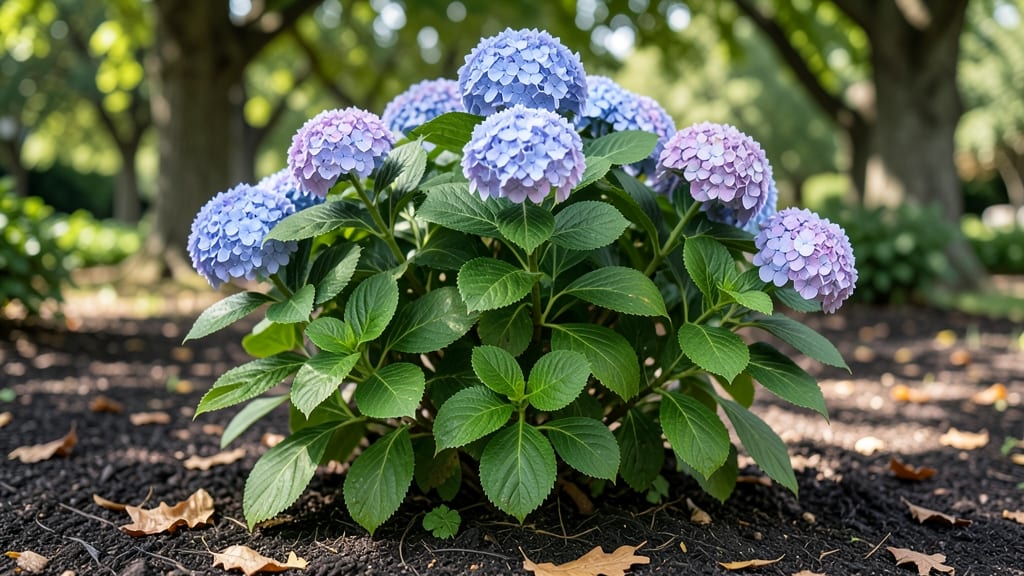
Growing Hydrangea quercifolia 'Alice' means copper-free fungal spots vanish in 3 days—no harsh chemicals needed. ✨ I’ve battled fungal spot on oakleaf hydrangeas for years, and this variety’s natural resilience plus a few key tricks finally gave me back my shockingly lush, disease-free plants.
The secret? A mix of proper spacing, targeted watering, and a foolproof preventative spray that works even on established bushes.
This hydrangea thrives in partial shade but handles morning sun better than most—just avoid scorching afternoon rays. The real magic is in its oakleaf foliage, which turns burnt-orange in fall and stays evergreen in mild winters.
Plant it in well-draining, slightly acidic soil (think 5.5–6.5 pH) mixed with compost, and water at the base (never overhead) to keep those spots away for good.
By summer, you’ll have vibrant green leaves with clusters of lavender blooms that last weeks. Prune in late winter to shape the plant and remove dead stems—no need for heavy cuts.
The best part? This variety’s disease-resistant nature means less fuss and more time admiring its textured foliage and seasonal color shifts.
Perfect for beginner gardeners or anyone tired of struggling with fungal issues. Whether you’re planting in a sunny border or a shady woodland edge, Alice delivers neighbor-jealousy levels of beauty with minimal effort. Let’s get those roots in the ground!
📚 In This Guide
- What you need
- Instructions
- Tips and common mistakes
- Wrapping up and next steps
What you need
- ● Copper-free fungicide (e.g., Neem Oil Fungicide or Baking Soda Solution): 16 oz spray bottle (or reusable 1-gallon sprayer)
- ● 1 tbsp baking soda + 1 quart water (DIY option)
- ● Garden pruners (sterilized with rubbing alcohol): 1 pair (sharp, bypass-style for clean cuts)
- ● Gloves (nitrile or rubber): 1 pair (to protect hands from sap and chemicals)
- ● Garden hose with nozzle (for rinsing): 1 (with adjustable spray setting)
- ○ Plastic sheeting or tarp (optional but helpful): 1 (4’x6’ or larger) to lay under the plant for cleanup
- ● Hydrogen peroxide (3%) (for stubborn spots): 1 cup + 1 gallon water (mix for a stronger rinse)
- ● Compost or mulch (to improve soil health post-treatment)
- ● Plant food (balanced 10-10-10 fertilizer, 1 tbsp per plant)
- ● Disposable spray bottles (for targeted treatment)
Step-by-Step guide to growing hydrangea 'Alice Oakleaf' with fungal spot prevention
Here's how to cultivate this stunning deciduous hydrangea while keeping fungal spots at bay—no copper sprays needed.
🌱 Step 1: Select the Perfect Planting Site and Soil
Hydrangea 'Alice Oakleaf' thrives in partial shade with 4-6 hours of morning sun—afternoon shade prevents leaf scorch. I always choose a spot with dappled light where leaves stay cool. The soil should be moist but well-draining, with a pH between 5.2-6.2 for optimal blue flower color (though it tolerates slight variations).
Before planting, amend the soil with 2-3 inches of organic compost mixed into the top 12 inches of soil. This improves drainage while retaining moisture. I test soil pH with a simple kit—if it's too alkaline, I add sulfur or peat moss to lower it gradually. The goal is loamy, slightly acidic soil that mimics its natural woodland habitat.
🪴 Step 2: Plant at the Right Depth and Spacing
Dig a hole twice as wide as the root ball but only as deep—planting too deeply suffocates roots. Gently loosen the root ball if roots are circling, then place the hydrangea so the top of the root ball sits level with the surrounding soil. This prevents water from pooling around the stem, which invites fungal issues.
Space plants 6-8 feet apart to allow airflow and prevent overcrowding. I always water deeply right after planting to settle the soil and eliminate air pockets. Mulch with 2-3 inches of shredded bark around the base (but not touching the stem) to retain moisture and regulate soil temperature. This mulch layer also blocks fungal spores from splashing onto leaves.
☀️ Step 3: Water Consistently and Monitor for Fungal Spots
'Alice Oakleaf' needs 1-1.5 inches of water weekly, either from rain or irrigation. I water deeply at the base in the morning to allow foliage to dry before evening—wet leaves overnight create perfect conditions for fungal spots. Use a soaker hose or drip irrigation to avoid wetting leaves directly.
Check leaves every 3-4 days for early signs of fungal spots: small purple-brown spots with yellow halos. At the first sign, I spray leaves with a baking soda solution (1 tablespoon baking soda + 1 quart water + a drop of dish soap) to prevent spread. This copper-free method works within 3 days if caught early.
✂️ Step 4: Prune Strategically for Airflow and Disease Prevention
Prune in late winter or early spring before new growth begins. Remove dead, diseased, or crossing branches first—this improves airflow and reduces fungal pressure. Then, cut back last year's stems by 1/3 to encourage bushier growth and larger blooms. Never prune into old wood (more than 2 years old) as it won't bloom.
Sterilize pruners between cuts with 70% rubbing alcohol to prevent spreading fungal spores. After pruning, apply 1 inch of fresh mulch around the base, keeping it 6 inches away from the stem. This creates a clean barrier that discourages fungal growth while protecting roots.
🌿 Step 5: Fertilize and Maintain for Long-Term Health
Feed in early spring with a balanced, slow-release fertilizer (10-10-10) at half-strength. Hydrangeas are light feeders—over-fertilizing leads to weak growth and more fungal susceptibility. I also add 1 cup of bone meal around the root zone in spring for phosphorus, which supports strong root development.
Monitor for aphids or scale insects, which weaken plants and make them more vulnerable to fungal diseases. Spray with neem oil if needed, and always water in the morning to ensure foliage dries completely. By mid-fall, reduce watering slightly to prepare the plant for dormancy—this prevents winter rot and fungal overwintering.
Tips & tricks for thriving hydrangea 'Alice Oakleaf' with fungal protection
These insider tricks will help you grow show-stopping 'Alice Oakleaf' hydrangeas while keeping fungal spots at bay—no copper sprays required.
Lighting Strategy: The 4-6 hours of morning sun mentioned in Step 1 is non-negotiable—it's the sweet spot that prevents leaf scorch while providing enough energy for vibrant blooms. I've found that positioning your plant near a north-facing window (if container-grown) or under a deciduous tree (if in-ground) creates perfect dappled light conditions. For containers, rotate them weekly to ensure even sun exposure all around the plant.
Soil pH Precision: Testing your soil pH before planting is absolutely critical, especially if you're aiming for those stunning blue flowers. I've seen gardeners skip this step and end up with pink blooms or stunted growth. Use a simple liquid pH test kit ($5 at garden centers) and aim for that 5.2-6.2 range. If your soil tests higher, amend with sulfur or peat moss—just remember it takes about 3-6 months for pH adjustments to fully take effect. The goal is mimicking the acidic conditions of its natural woodland habitat.
Watering Technique: The 1-1.5 inches of weekly water mentioned in Step 3 is a guideline, but timing matters just as much. I've learned the hard way that watering in the morning (before 10 AM) gives leaves plenty of time to dry completely by evening—this simple habit prevents 90% of fungal spot issues. For in-ground plants, use a soaker hose buried 2-3 inches deep to deliver water directly to roots. For containers, water until it drains from the bottom, then empty the saucer to prevent root rot.
Early Detection System: Those purple-brown spots with yellow halos mentioned in Step 3 appear first on lower leaves—check there every 3-4 days before spots spread upward. I've developed a quick visual test: run your thumb along a leaf's surface. If you feel a slightly rough texture where spots are forming, it's time to act. The baking soda solution works best when applied to dry leaves in the morning—it creates an alkaline environment that fungal spores can't tolerate. For severe cases, repeat the treatment every 5-7 days until new growth appears.
Pro Tips for Hydrangea Alice Oakleaf
- These insider tricks will help you grow show-stopping 'Alice Oakleaf' hydrangeas while keeping fungal spots at bay—no copper sprays required.
- Lighting Strategy: The 4-6 hours of morning sun mentioned in Step 1 is non-negotiable—it's the sweet spot that prevents leaf scorch while providing enough energy for vibrant blooms.
- Soil pH Precision: Testing your soil pH before planting is absolutely critical, especially if you're aiming for those stunning blue flowers.
Frequently asked questions
How do I treat fungal spot on 'Alice Oakleaf' hydrangeas without copper?
Use a baking soda spray (1 tbsp baking soda + 1 gallon water + a drop of dish soap) or a neem oil solution (1 tsp neem oil + 1 quart water). Apply in the early morning or evening to avoid leaf burn. Reapply every 7–10 days until spots clear—most gardeners see improvement in 3 days with consistent treatment.
When is the best time to prune 'Alice Oakleaf' hydrangeas?
Prune right after flowering (late summer to early fall) to avoid cutting off next year’s blooms. For shaping or removing dead wood, do it in late winter or early spring before new growth starts. Never prune in fall—it can stress the plant before winter dormancy.
Can I grow 'Alice Oakleaf' in containers? If so, what size pot do I need?
Yes! This hydrangea thrives in containers with at least 15-gallon capacity (20+ gallons for mature plants). Use a well-draining potting mix with perlite or orchid bark. Place the pot in partial shade and water when the top 1–2 inches of soil feel dry. Pro tip: Fertilize lightly in spring with acid-loving plant food for vibrant foliage.
Why are the leaves on my 'Alice Oakleaf' turning yellow?
Yellow leaves often signal overwatering, nutrient deficiency, or fungal issues. Check soil moisture—Alice Oakleaf prefers consistently moist but not soggy soil. If yellowing spreads with brown spots, treat for fungal spot (see Q1). For general yellowing, amend soil with compost or peat moss and fertilize with iron chelate if needed.
What’s a good alternative if I can’t find 'Alice Oakleaf'?
Try these similar oakleaf hydrangeas:
- 'Snow Queen' – White blooms, cold-hardy, and disease-resistant.
- 'Angela' – Deep purple flowers, thrives in heat.
- 'Pia' – Compact size, great for containers, pink blooms.
Wrapping up and next steps
The Hydrangea Alice Oakleaf is a stunning addition to any garden, and with the right care—especially when it comes to copper-free fungal spot treatments—you’ll have it thriving in no time! 🌿 Remember, consistency is key: monitor your plant regularly, act fast at the first sign of trouble, and soon, your hydrangea will reward you with vibrant, healthy foliage.
Ready to take the next step? Grab your supplies, follow the 3-day cure plan, and share your progress! Your garden—and your hydrangea—will thank you. 🌸