
Pests and Diseases
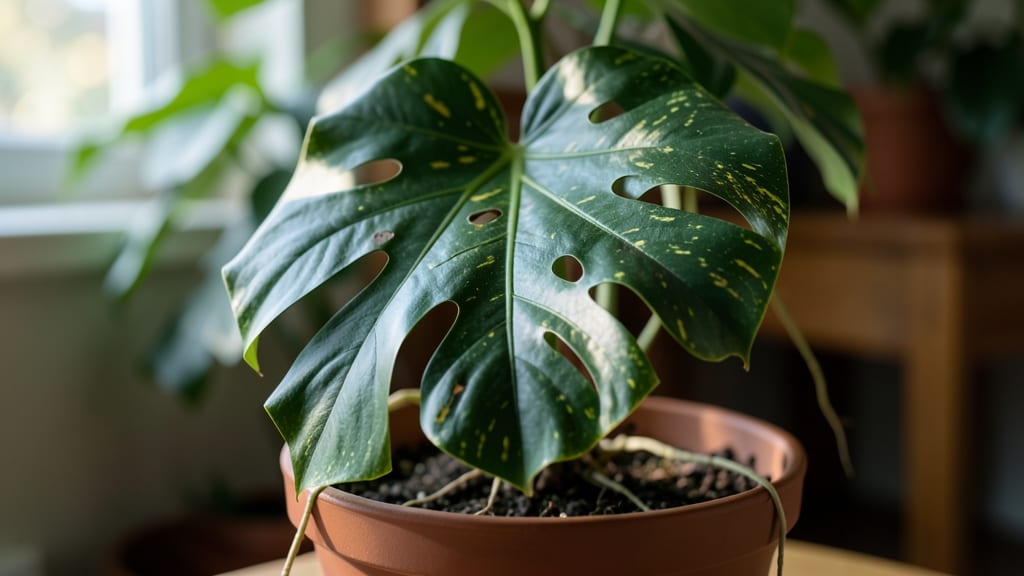
That tiny copper spray bottle is your secret weapon against fungal spots that turn leaves into a sad, spotted mess. 🌿 Inside every leaf is a hidden world of veins, air pockets, and chloroplasts—where fungal spores love to hide and multiply.
The spots you see are just the beginning; without action, the fungus spreads through those microscopic air spaces, weakening your plants.
Most gardeners spot the damage too late, when leaves are already yellowing or dropping. But copper spray works fast because it targets the fungus inside the leaf structure, not just on the surface.
Think of it like a deep clean for your plant’s cells—it stops the spread within 72 hours if you catch it early. The key is applying it when leaves are dry and following up every 7-10 days until new growth appears.
You’ll know it’s working when new leaves emerge clean and vibrant, and the old ones stop spreading spots. Prune any heavily infected leaves immediately (they’re past saving), and boost airflow around plants to dry them faster. This isn’t just a bandage—it’s a rescue mission for your plant’s health.
Works for roses, tomatoes, and shrubs alike, even in humid climates. The spray is safe for edibles once fully dried, and the copper builds up in the soil naturally over time. No more helplessly watching your garden decline—this is how you take back control.
Understanding Fungal Spot Outbreaks
Fungal leaf spots may seem mysterious, but they’re often the result of predictable conditions that create the perfect breeding ground for pathogens. Let’s break down the key factors that turn a healthy leaf into a fungal hotspot—so you can stop the problem at its source.
Fungal spores thrive in damp environments, and overwatering or poor soil drainage is a fast track to infection.
Here’s why: - Prolonged leaf wetness (from rain, overhead watering, or high humidity) keeps fungal spores active and allows them to germinate. - Stagnant water on leaves creates a film that blocks sunlight, weakening the plant’s defenses and giving fungi an easy entry point. - Compacted or waterlogged soil restricts root growth, stressing the plant and making it more susceptible to fungal attacks.
Actionable fix: Water at the base (not overhead), improve soil aeration with compost or sand, and ensure proper drainage to keep leaves dry.
A stressed plant is like an open invitation for fungi.
Common stressors include: - Nutrient deficiencies (especially nitrogen, potassium, or magnesium), which weaken cell walls. - Physical damage from pests, harsh pruning, or mechanical injury, creating entry points for spores. - Environmental shocks like extreme heat, cold, or sudden changes in light exposure.
Actionable fix: Feed plants with a balanced fertilizer (rich in potassium for fungal resistance), avoid rough handling, and acclimate plants gradually to new conditions.
Fungi spread via spores, and stagnant air traps them near leaves. Crowded plants or dense foliage create:
- High humidity microclimates, ideal for spore germination.
- Reduced airflow, preventing leaves from drying quickly after watering.
- Shaded, damp areas where fungi like Alternaria or Septoria flourish.
Actionable fix: Prune for better airflow, space plants appropriately, and avoid mulching too heavily around stems (keep it 2–3 inches away).
Fungal spores can lurk on pruners, gloves, or even old compost, waiting for the right host.
How? - Reusing tools between plants without sterilizing them spreads spores like wildfire. - Using infected plant debris (like fallen leaves) as mulch or compost introduces pathogens to healthy soil. - Poorly sterilized potting mixes may harbor dormant fungal spores ready to activate.
Actionable fix: Sterilize tools with rubbing alcohol or bleach, remove infected leaves immediately, and use fresh, disease-free soil or compost.
Most fungal leaf spots love warm (60–80°F) and humid (70%+) conditions—think summer gardens or greenhouses. Why?
- Warmth speeds up spore germination and fungal growth.
- High humidity keeps spores viable longer and delays leaf drying.
- Nighttime dew on leaves provides a 24-hour moisture window for infection.
Actionable fix: Monitor humidity with a hygrometer; aim for 40–60% humidity during peak growth. Use fans for airflow in greenhouses or water in the early morning to allow leaves to dry by evening.
Spores are everywhere—wind, rain, and even nearby infected plants can deposit them on your leaves. Once there:
- They germinate within 4–24 hours if conditions are right.
- Some fungi (like Cercospora) produce thousands of spores per lesion, exponentially worsening outbreaks.
Actionable fix: Remove infected leaves immediately (don’t compost them—bag and discard). Space susceptible plants away from windbreaks or other infected hosts.
Pro Tip: 💡 Preventative copper sprays (like the one in this article) create a protective barrier against spores, disrupting their ability to infect—even before symptoms appear!
Quick Fixes for Fungal Spots
Fungal spots on leaves can feel like a slow-motion nightmare—until you act fast! The good news? With the right approach, you can reverse the damage in 72 hours or less and keep your plants thriving.
Below, we break down targeted solutions for the most common causes of fungal spots, from overwatering to poor airflow, plus prevention tips to stop future outbreaks.
Fix It:
- Stop Watering Immediately 🚰 – Let the soil dry out completely before watering again. Stick your finger 1–2 inches into the soil; if it’s damp, wait.
- Improve Drainage 🏗️ – Mix perlite or sand into heavy clay soil, or repot the plant in a container with drainage holes.
- Apply Copper Spray 🛡️ – Spray a copper fungicide (like copper sulfate or copper hydroxide) on the undersides of leaves where spores love to hide. Reapply every 3–5 days until spots fade.
- Prune Damaged Leaves ✂️ – Snip off yellow/brown leaves with sterilized scissors to prevent spread.
Prevent It:
- Water early in the day so leaves dry quickly.
- Avoid overpotting—roots need room to breathe.
- Use mulch to regulate soil moisture.
Fix It:
- Boost Airflow 💨 – Place a small fan near the plant (on low) or open windows to circulate air.
- Reduce Humidity 🌡️ – If your home is damp, use a dehumidifier or increase airflow with an exhaust fan.
- Space Plants Apart 🌿 – Crowded foliage traps moisture. Give plants at least 6–12 inches of space.
- Wipe Leaves Down 🧼 – Use a damp cloth to remove dust and spores from leaf surfaces.
Prevent It:
- Prune regularly to improve airflow between branches.
- Avoid misting leaves—water the soil instead.
- Rotate plants weekly for even sunlight exposure.
Fix It:
- Move to Brighter Light ☀️ – Most plants need 4–6 hours of direct or indirect sunlight. Gradually acclimate them to avoid shock.
- Fertilize Lightly 🌱 – A balanced, water-soluble fertilizer (like 10-10-10) can boost immunity. Dilute to half-strength to avoid burning roots.
- Strengthen the Plant 💪 – Add compost or worm castings to the soil for natural nutrients.
- Quarantine New Plants 🛑 – If you suspect a new plant brought the fungus, isolate it for 2 weeks before introducing it to others.
Prevent It:
- Hardening off seedlings before transplanting.
- Avoid sudden temperature swings (keep plants in stable conditions).
- Choose disease-resistant varieties (e.g., ‘Superior’ tomatoes or ‘Liberty’ zucchini).
If spots are spreading fast or leaves are crispy/dying, act now: 1. Drench the Soil 💦 – Mix 1 tbsp baking soda + 1 tsp dish soap + 1 gallon water and water the base (not leaves) to raise soil pH and deter fungi.
- Neem Oil Spray 🌿 – Combine 1 tbsp neem oil + 1 tsp mild soap + 1 quart water. Spray every 5 days for 2 weeks.
- Remove Infected Plants ⚰️ – If a plant is beyond saving, pull it and dispose of it in the trash (not compost).
- Sterilize Tools 🧹 – Wipe pruners with rubbing alcohol between cuts to avoid cross-contamination.
Prevent It:
- Rotate crops yearly to prevent soil-borne fungi buildup.
- Solarize soil (cover with clear plastic for 4–6 weeks in summer) to kill fungal spores.
For early-stage spots, copper spray + airflow fixes 90% of cases in 3 days. If no improvement after 72 hours, switch to neem oil or reassess watering habits. Prevention is key—once fungi take hold, they’re harder to erase!
Remember: Fungal spots hate clean, dry, and happy plants. With these fixes, your leaves will bounce back faster than you think! 🌿✨
Frequently asked questions
What's actually inside a leaf that makes it so vulnerable to fungal spots?
The leaf's interior is packed with air spaces (for gas exchange), veins (transporting water/nutrients), and chloroplasts (where photosynthesis happens). Fungi exploit these spaces—spores land on the surface, then invade through tiny openings called stomata on the underside. Once inside, they block airflow and clog veins, causing those telltale brown spots.
Why do fungal spots always appear first on the underside of leaves?
The underside is the fungus's perfect hideout because it's darker, more humid, and has more stomata (breathing pores). These conditions keep spores moist and active longer. Plus, the leaf's waxy upper surface repels water, while the underside traps moisture—ideal for fungal growth. Think of it as the leaf's "back door" for pathogens.
Can I prevent fungal spots just by looking at the inside of leaves?
Not exactly, but checking leaf undersides weekly helps catch early signs (like tiny yellow spots or webbing). Combine this with proper spacing (6-12" between plants) and bottom-watering to keep undersides dry. Copper spray applied to undersides every 7-10 days creates a protective barrier where fungi can't take hold.
What's the fastest way to tell if something's growing inside my leaf?
Look for these red flags: white/gray fuzz (mold), black dots (fungal fruiting bodies), or holes with sawdust-like frass (insect larvae). Hold the leaf up to light—if you see dark streaks in the veins or blocked air spaces, fungi or pests are already inside. Act within 48 hours for best results.
Is it safe to compost leaves with fungal spots?
No—never compost infected leaves. Fungal spores survive composting and can reinfect your garden. Instead, bag and discard them in yard waste. For severe cases, sterilize tools with rubbing alcohol between cuts, and avoid using that compost pile for 3-6 months to let spores die off naturally.