
Pruning
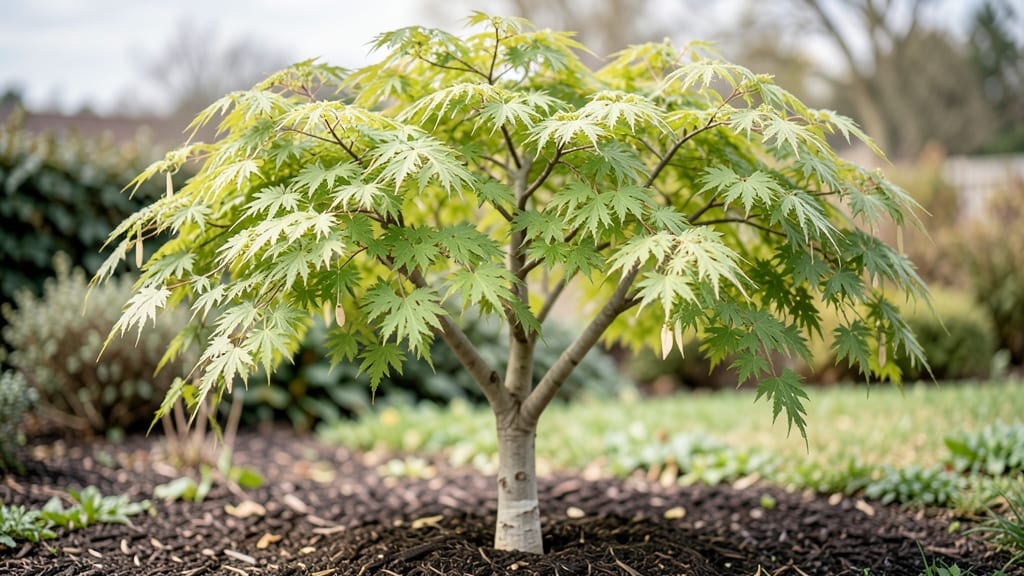
The lace leaf Japanese maple tree (Acer palmatum 'Dissectum') transforms any garden into a living watercolor—when pruned right. ✂️ I’ve spent years perfecting the cuts that keep those delicate, lacy fronds vibrant year-round, and the secret isn’t just timing, but how you shape the branches.
This tree thrives in partial shade with well-draining soil—think moist but never soggy—and its slow growth means you’ll only need to prune once or twice a year to maintain its signature lace-like foliage.
The key? Pruning in late winter or early spring before new growth starts, using sharp bypass pruners to avoid tearing the delicate leaves.
With the right cuts, you’ll end up with a tree that looks like it belongs in a botanical illustration—bright green lacework in summer, fiery reds in fall, and even subtle winter interest.
The branches develop a natural, airy habit that lets light filter through beautifully, creating dappled shade perfect for underplanting.
Whether you’re shaping it as a specimen tree or weaving it into a woodland garden, this maple rewards precision. The payoff? A showstopper that stays elegant through every season—and requires less maintenance than you’d think.
📚 In This Guide
- What you need
- Instructions
- Tips and common mistakes
- Wrapping up and next steps
What you need
- ● Pruning shears: Sharp, bypass-style shears (avoid anvil-type for clean cuts). Recommended: Felco F-2 or similar (1 pair).
- ○ Pruning saw: Curved blade for thicker branches (3–4 inches in diameter). Optional: Loppers for medium branches (2–3 inches).
- ● Hand pruners: For fine-tuning small branches (1 pair).
- ● Disinfectant: 70% isopropyl alcohol or pruning sealant (small bottle).
- ● Gloves: Heavy-duty, cut-resistant gloves (1 pair) to protect from thorns.
- ● Ladder or stool: Stable, extendable (if tree is >6 feet tall).
- ● Trash bags: Heavy-duty for debris (2–3 bags).
- ● Timing: Late winter/early spring (dormant season) or immediately after flowering (avoid summer stress!).
- ● Weather: Dry, overcast day (humidity >60% increases disease risk).
- ○ Safety gear (optional but recommended): Safety glasses (1 pair).
- ● Long sleeves/pants (to avoid scratches from thorns).
- ● Reference: Sketch or photo of your tree’s ideal shape (or a guidebook on Japanese maple pruning).
Precision pruning for year-round lace leaf Japanese maple beauty
Here’s how to sculpt your lace leaf Japanese maple into a living masterpiece—without sacrificing its delicate charm.
🌿 Step 1: Assess Growth Habits and Seasonal Needs
The lace leaf’s signature lace-like foliage demands a tailored approach. Start by examining the tree’s natural shape: note where branches grow inward, cross, or block light from reaching the center. These are your priority cuts—removing them opens the canopy to air circulation and prevents fungal diseases like powdery mildew, which thrives in dense foliage.
Timing matters most: prune in late winter or early spring (just before new growth begins) to avoid stressing the tree during dormancy. If you must prune in summer, do it in early morning or late evening when temperatures are mild—this minimizes water loss through fresh cuts. I always test a small branch first: if it snaps with a clean break, the wood is ready for pruning.
✂️ Step 2: Remove Dead, Diseased, or Weak Wood
Use sterilized pruning shears (wipe blades with rubbing alcohol between cuts) to remove any branches that are dead, diseased, or rubbing against others. Look for branches with no green bark or those that ooze sap when cut—these are clear signs of decline. Cut back to the branch collar (the swollen area where the branch meets the trunk) to prevent unsightly stubs and encourage proper healing.
For diseased branches, bag and dispose of them immediately to prevent spores from spreading. I’ve seen lace leaf maples lose entire sections to fungal infections because pruners weren’t cleaned between cuts. If you spot black spots or fuzzy growth on leaves, prune those branches first—this is your tree’s way of telling you it’s under stress.
☀️ Step 3: Thin the Canopy for Light Penetration
Lace leaf Japanese maples thrive when light reaches all branches, so aim to thin the canopy by 20-30% to improve airflow and foliage quality. Focus on branches growing inward or downward—they compete with stronger growth and weaken the tree’s structure. Cut these back to a side shoot or outward-facing bud to encourage new growth in the right direction.
Step back frequently to visualize the tree’s shape. You’re not just pruning; you’re sculpting. If the tree looks too bare after thinning, leave some smaller branches—they’ll fill in over time. I like to prune lace leaf maples into a natural vase shape, with the lower branches slightly longer than the upper ones to mimic their wild growth patterns.
🪴 Step 4: Shape for Structural Integrity and Aesthetics
Now’s the time to refine the tree’s form. Use hand pruners for smaller branches and loppers for thicker stems (up to ½ inch in diameter). Avoid cutting more than 25% of the tree’s foliage in a single session—this prevents shock and promotes vigorous regrowth. For larger branches, make cuts just outside the branch collar at a 45-degree angle to prevent water from pooling.
If your lace leaf maple has become top-heavy, prune the upper branches slightly more than the lower ones to distribute weight evenly. This is especially important for young trees, which are more prone to wind damage. I always prune the strongest upward-growing branch to encourage a more balanced, bushier shape—this is where the tree’s natural energy wants to go.
⏰ Step 5: Post-Pruning Care for Recovery
After pruning, apply a wound sealant (like pruning paste) to cuts larger than ½ inch to prevent disease entry. Water deeply to help the tree recover, but avoid overwatering—lace leaf maples prefer well-draining soil and can suffer from root rot if soggy. Mulch around the base with 2-3 inches of organic mulch, keeping it 6 inches away from the trunk to prevent moisture buildup.
Monitor the tree closely for the first 2-3 weeks. New growth should emerge within 4-6 weeks, signaling the tree is healing well. If you notice yellowing leaves or wilting, reduce watering slightly—this is often a sign of overwatering or stress from pruning. I’ve found that lace leaf maples bounce back fastest when given bright, indirect light and consistent moisture (but never soggy soil).
Tips & tricks for perfect lace leaf Japanese maple pruning
Your lace leaf Japanese maple deserves the same care you'd give a prized painting—here's how to avoid common pruning pitfalls and elevate your results.
Tool Selection: Invest in a good pair of bypass pruning shears for clean cuts—avoid anvil shears, which crush branches and create jagged wounds that invite disease. For branches thicker than ½ inch, use loppers with a 6-inch reach to avoid overreaching, which can cause you to lose your balance. I've made the mistake of using dull tools, which tear instead of cut—always sharpen blades before starting and clean them with rubbing alcohol between cuts to prevent cross-contamination.
Visualization Technique: Before making any cuts in Step 3, take a step back and mentally trace the tree's natural growth pattern. The lace leaf's delicate foliage responds beautifully to a natural vase shape, where lower branches are slightly longer than upper ones. Use a string or garden twine to outline your vision—this creates a reference point for where branches should be trimmed to maintain balance. I've found this technique especially helpful when pruning mature trees where the original shape has become obscured by years of unchecked growth.
Seasonal Timing Nuances: While the instructions recommend late winter/early spring pruning, I've discovered that mid-February is ideal in most climates—this gives the tree just enough time to recover before the growing season begins. If you must prune in summer, do it during overcast days when temperatures stay below 75°F, as the tree loses up to 30% more water through fresh cuts when exposed to direct sunlight and heat. I've seen lace leaf maples go into shock after summer pruning when done during heatwaves, so timing really matters.
Recovery Signs: In Step 5, watch for new leaf buds forming within 4-6 weeks as the clearest sign of successful recovery. These appear as small green swellings along the branches. If you don't see buds after 6 weeks, your pruning may have been too aggressive. Another key indicator is the color of new leaves—they should emerge a vibrant green, not yellow or brown. I've learned to trust these visual cues more than the calendar when assessing a tree's recovery progress.
Pro Tips for Lace Leaf Japanese Maple Tree
- Your lace leaf Japanese maple deserves the same care you'd give a prized painting—here's how to avoid common pruning pitfalls and elevate your results.
- Tool Selection: Invest in a good pair of bypass pruning shears for clean cuts—avoid anvil shears, which crush branches and create jagged wounds that invite disease.
- Visualization Technique: Before making any cuts in Step 3, take a step back and mentally trace the tree's natural growth pattern.
Frequently asked questions
Got questions about keeping your lace leaf Japanese maple tree looking its best? You’re not alone! Here are answers to the most common queries to help you master pruning and care with confidence.
When is the best time to prune a lace leaf Japanese maple?
The ideal time is late winter or early spring (before buds swell) or summer after flowering. Avoid heavy pruning in fall—it can stress the tree before winter. Light shaping in late spring or early summer also works, but never prune when frost is expected.
How much can I prune without harming the tree?
For lace leaf Japanese maples, limit pruning to 10–25% of the canopy per year. Heavy pruning (over 30%) can shock the tree. Focus on removing dead, diseased, or crossing branches first. If you need dramatic reshaping, space it out over 2–3 years.
What should I do if my lace leaf maple’s leaves turn brown after pruning?
Brown leaves post-pruning often signal stress from over-pruning or improper timing. Check for:
- Too much pruning at once (scale back next time).
- Pruning too late in the season (stick to winter/early spring).
- Underwatering (increase moisture if soil is dry).
Are there alternatives to lace leaf Japanese maples for small gardens?
Yes! If space or climate is a concern, consider:
- Bloodgood Japanese Maple (disease-resistant, vibrant red foliage).
- Drummond Red Japanese Maple (compact, brilliant red leaves).
- Emperor I Japanese Maple (smaller, cold-hardy, lace-like foliage).
How do I tell the difference between lace leaf and other Japanese maple varieties?
Lace leaf Japanese maples (Acer palmatum) stand out with:
- Deeply lobed, translucent leaves that resemble lace.
- Slender, arching branches with a graceful, weeping habit.
- Finer texture compared to broader-leaved varieties like Shishigashira.
Wrapping up and next steps
The Lace Leaf Japanese Maple is a stunning centerpiece for any garden, and with the right pruning techniques, you can keep its delicate foliage thriving year-round. Remember, precision and patience are key—whether you’re shaping its canopy, removing dead branches, or encouraging vibrant growth.
Your efforts will be rewarded with dramatic, ever-changing foliage that brings joy in every season!
Ready to elevate your pruning game? Start small—pick one technique to practice this season, and watch your tree transform. Happy pruning! 🌿✂️