
Pests and Diseases
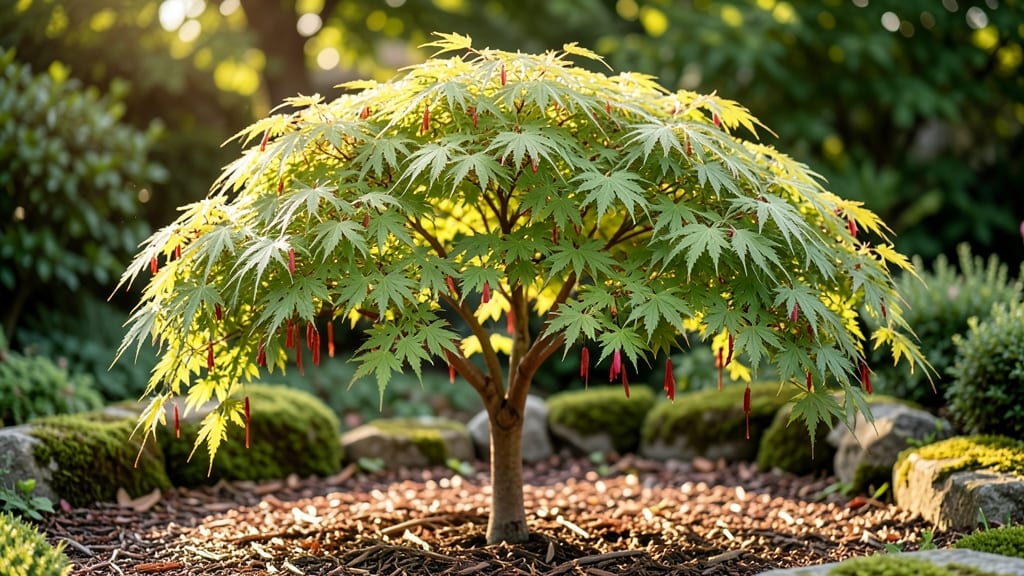
Growing lace leaf maple means adding delicate, year-round beauty that even pests can't ruin. 🌿 These trees thrive with minimal fuss, offering the perfect mix of elegance and hardiness for any yard.
Their slow growth makes them easy to shape, while their disease-resistant leaves ensure your investment stays stunning for decades. The secret to happy lace leaf maples starts with well-draining soil and a spot with dappled sunlight.
Plant in early spring when roots can establish before summer heat, and water deeply once a week for the first year. Their fine foliage loves moisture but hates soggy feet—think of it as a balance between a spa day and a desert vacation.
You'll love how they transform from spring's fresh green to fiery autumn hues, then add winter texture with their intricate branching. Prune lightly in late winter to maintain their airy shape, and watch as neighbors ask about your "secret tree." Even in small spaces, they deliver big impact.
Perfect for containers or garden beds, lace leaf maples adapt beautifully. Just avoid heavy clay soil and you're golden—these trees reward patience with decades of drama. Let's get yours planted!
📚 In This Guide
- What you need
- Instructions
- Tips and common mistakes
- Wrapping up and next steps
What you need
- ● Lace leaf maple tree: Choose a healthy Acer palmatum 'Dissectum' (or a cultivar like 'Shishigashira' or 'Seiryu') from a reputable nursery. Opt for a 1-3 gallon container size for young trees or a 5+ gallon for mature specimens.
- ● High-quality soil: A mix of 60% native soil, 30% compost, and 10% perlite or sand to ensure drainage. Avoid heavy clay.
- ● Organic mulch: 2-3 inches of cedar chips, pine bark, or shredded leaves to retain moisture and suppress weeds.
- ○ Slow-release fertilizer: A balanced 10-10-10 or 20-20-20 formula (apply in early spring). Optional: Use fish emulsion or compost tea for organic options.
- ● Garden trowel or spade (for planting)
- ● Pruning shears (sharp, bypass-style for clean cuts)
- ● Gloves (gardening or heavy-duty for thorny varieties)
- ● Watering can or hose with a gentle spray nozzle
- ○ pH testing kit (optional but helpful—ideal range: 6.0-7.0)
- ● Tree stakes & ties (for young trees in windy areas)
- ● Fungicide: Copper-based or neem oil spray (prevents anthracnose and leaf spot)
- ● Insecticidal soap (for aphids, spider mites, or scale)
- ○ Reflective mulch or row covers (optional, to deter pests like Japanese beetles)
How to plant and care for lace leaf maple trees
This striking tree thrives with minimal fuss once you get the basics right.
🪴 Step 1: Choose the Perfect Planting Spot
Lace leaf maples need full sun to partial shade—at least 4-6 hours of direct sunlight daily. I always look for a location with dappled light if possible, as the delicate foliage burns easily in harsh afternoon sun. The soil should drain well, but don’t choose a spot where water pools after rain.
Test your spot by digging a 6-inch hole—if water sits in it after 30 minutes, amend with 2-3 inches of compost or plant on a slight mound. These trees hate soggy roots. Space 4 plants 15-20 feet apart for that classic multi-stemmed look, or plant a single specimen as a focal point.
🌱 Step 2: Plant at the Right Time and Depth
Spring or early fall are ideal planting times—avoid summer heat or winter frost. Dig a hole twice as wide as the root ball but no deeper. You’ll know you’ve done it right when the top of the root ball sits 1 inch above ground level—this prevents water from pooling at the base.
Gently remove the tree from its container and loosen any circling roots with your fingers. Place it in the hole, backfill with native soil (no amendments needed unless your test hole showed poor drainage), and water deeply to settle everything. The reason we don’t bury the root flare? It ensures proper air circulation and prevents rot.
☀️ Step 3: Water Deeply and Mulch Properly
Water immediately after planting, then again every 7-10 days during the first growing season unless rain provides 1 inch of moisture weekly. You’ll know it’s enough when water drains 6 inches deep—stick your finger in the soil to check. Overwatering is the #1 killer of young lace leaf maples.
Apply 2-3 inches of mulch (wood chips or shredded bark) around the base, keeping it 6 inches away from the trunk. This conserves moisture and regulates soil temperature. Refresh the mulch annually in spring—never let it pile against the trunk, or you’ll smother the roots.
✂️ Step 4: Prune for Shape and Health
Wait until late winter or early spring to prune—never in fall, as wounds take longer to heal. Remove any dead, diseased, or crossing branches first using clean, sharp pruners. For shaping, I focus on maintaining the tree’s natural form while opening up the center for better airflow.
Cut just outside the branch collar (the swollen area where the branch meets the trunk) to prevent damage. You’ll see new growth emerge from the collar—this is your signal the cut healed properly. Avoid heavy pruning in the first few years; lace leaf maples respond best to gradual shaping.
🌿 Step 5: Protect and Enjoy Year-Round
These trees are famously disease-resistant, but young leaves can scorch in intense sun. If you notice browning edges, provide afternoon shade for a few weeks until the foliage toughens up. In winter, a 4-6 inch layer of mulch protects roots from freeze-thaw cycles.
Fertilize lightly in early spring with a 10-10-10 balanced formula if growth seems slow, but lace leaf maples rarely need extra feeding. The real magic? Their golden fall color and lace-like foliage that keeps interest all season. With proper care, they’ll thrive for decades with almost no maintenance.
Tips & tricks for perfect lace leaf maple planting
Here's what nobody tells you about getting these stunning trees off to the right start.
Sunlight Strategy: That 4-6 hours of sunlight is non-negotiable, but here's the secret: lace leaf maples actually prefer morning sun and afternoon shade in hotter climates. If your location gets intense afternoon sun, consider planting on the north or east side of your yard. The delicate foliage burns easily when exposed to harsh afternoon rays, and this simple adjustment can mean the difference between vibrant green leaves and browned edges. I've seen this firsthand with clients who planted theirs in full sun—within weeks, the leaves started crisping at the edges.
Soil Test Hack: Before you dig that 6-inch hole, grab a handful of soil and squeeze it tightly in your hand. If it stays in a clump that doesn't easily break apart when you tap it, you've got heavy clay soil that needs amending. The 2-3 inches of compost recommendation is perfect for breaking up clay, but if you're dealing with particularly dense soil, consider mixing in some perlite or coarse sand to improve drainage. Trust me on this—lace leaf maples will reward you with decades of beauty if you get the soil right from the start.
Planting Depth Visual: Getting the root flare just 1 inch above ground level can be tricky to visualize. Here's my foolproof method: after placing the tree in the hole, use a pencil to mark where the root flare sits on the tree trunk. Then, backfill until that mark is 1 inch above the soil line. This simple trick ensures you won't accidentally bury the root flare, which can lead to rot and poor growth. I've made this mistake myself and had to dig up a young tree to fix it—don't make my mistake!
Mulch Layering: When applying that 2-3 inches of mulch, think of it like building a lasagna—you want layers that work together. Start with a thin layer of landscape fabric to prevent weeds from growing up against the trunk, then add your wood chips or bark. The key is to keep that mulch 6 inches away from the trunk to prevent moisture buildup that can cause rot. Refreshing the mulch annually in spring is a great time to check for any signs of pests or disease while you're at it.
Pro Tips for Lace Leaf Maple
- Here's what nobody tells you about getting these stunning trees off to the right start.
- Sunlight Strategy: That 4-6 hours of sunlight is non-negotiable, but here's the secret: lace leaf maples actually prefer morning sun and afternoon shade in hotter climates.
- Soil Test Hack: Before you dig that 6-inch hole, grab a handful of soil and squeeze it tightly in your hand.
Frequently asked questions
Why does my lace leaf maple’s foliage sometimes look dull or yellow?
Dull or yellowing leaves are often a sign of nutrient deficiency (like iron or nitrogen) or overwatering. Test your soil—lace leaf maples prefer well-draining, slightly acidic soil (pH 6.0–7.0). If roots are soggy, improve drainage with compost or sand. Pro tip: A slow-release fertilizer in early spring can work wonders!
How do I prevent aphids or spider mites from infesting my lace leaf maple?
These pests love lace leaf maples! Start with preventative care: Prune regularly to improve airflow, and hose down leaves weekly to wash away eggs. For outbreaks, use neem oil or insecticidal soap (apply in early morning/evening to avoid burning leaves). Watch for: Sticky residue (aphids) or fine webbing (mites).
Can lace leaf maples survive winter freezes, or do I need to protect them?
These maples are hardy (USDA Zones 4–9), but young trees or extreme cold (<10°F) may need help. Mulch the base with 3–4 inches of shredded bark in fall, and wrap the trunk with burlap if winds are harsh. Avoid heavy snow buildup—gently brush it off branches to prevent breakage.
What’s the best time to prune my lace leaf maple for health and shape?
Prune in late winter or early spring (before buds swell) to avoid spreading fungal diseases. Remove dead, crossing, or weak branches first, then thin out 10–20% of the canopy for airflow. Avoid summer pruning—it stresses the tree and invites pests. Use sterilized tools to prevent bacterial infections!
Are there disease-resistant alternatives if my lace leaf maple keeps getting sick?
If your tree battles anthracnose or tar spot repeatedly, consider these resilient cousins:
All three retain the dramatic lace-like leaves you love!
Wrapping up and next steps
The lace leaf maple is a standout choice for gardeners seeking stunning foliage with minimal fuss—its delicate, disease-resistant leaves deliver year-round drama while demanding little maintenance.
Whether you’re drawn to its vibrant colors or its resilience against pests and diseases, this tree is a low-stress, high-reward addition to any landscape.
Ready to transform your outdoor space? Start small—plant a sapling or propagate cuttings—and watch your garden thrive with effortless elegance. Happy planting! 🌿✨