
Pests and Diseases
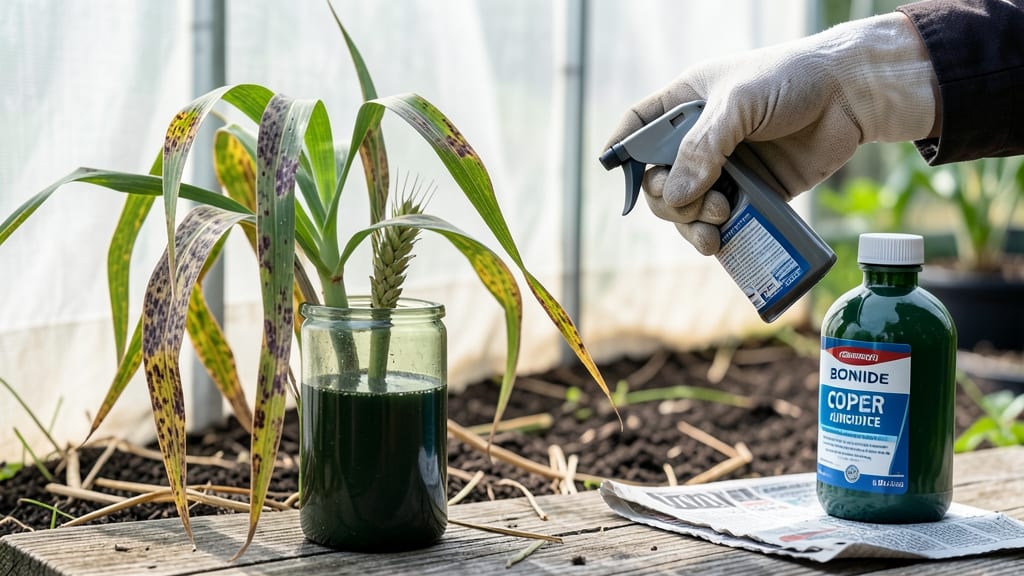
Copper fungicide spray saved my tomato plants from looking like Swiss cheese last summer. 🌱 Septoria leaf spot turns leaves into a mess of tiny brown spots with yellow halos, and once it starts, it spreads like wildfire.
The key is catching it early and hitting it with the right mix of copper, pruning, and prevention.
I’ve tried everything—neem oil, sulfur sprays, even baking soda mixes—but copper fungicide is the only thing that consistently stops the spots in their tracks. It’s not pretty (the blue-green residue is unmistakable), but it works when other methods fail.
The trick is applying it before rain washes it off, and always in the evening to avoid burning foliage.
By the time you see those first spots, your plants are already fighting back. Copper spray disrupts the fungus’s life cycle, and with weekly applications during wet seasons, you’ll see new growth pushing through without the telltale crisscrossing damage.
The best part? It’s safe for edibles once fully dried, so you can spray right up until harvest.
Prevention is where the real game changes happen—removing infected leaves immediately, spacing plants for airflow, and choosing resistant varieties like ‘Mountain Merit’ tomatoes. Once you’ve dealt with an outbreak, you’ll never ignore those early warning signs again.
Root Causes of Septoria Leaf Spray
Septoria leaf spot isn’t just a random nuisance—it’s the result of a perfect storm of environmental and biological factors. Understanding why this fungal foe strikes your plants is the first step to stopping it in its tracks. Let’s break down the key triggers with science-backed clarity.
The primary culprit behind septoria leaf spot is the fungus Septoria lycopersici (for tomatoes) or Septoria tritici (for wheat/barley), but other species target crops like lettuce, celery, and ornamentals. These fungi are obligate parasites, meaning they need living plant tissue to survive. Here’s how they sneak in:
- Survival on Debris: Fungal spores can linger on infected plant residue (like fallen leaves or stems) for years in soil or compost. Even a single infected leaf left in the garden last season can hatch a fresh outbreak.
- Windborne Spread: Spores hitch rides on wind currents, splashing water, or garden tools, colonizing new plants within hours of landing in moist conditions.
- Seed-Borne Infection: Some septoria species hide inside seeds, emerging when conditions are ripe (literally). Treating seeds with fungicides or using certified disease-free stock is critical.
Actionable Tip: 💡 Scout your garden after rain or windstorms—look for tiny black speckles (pycnidia) on undersides of leaves. These are the fungus’s “spore factories.” Remove and destroy infected foliage immediately.
Septoria thrives in prolonged leaf wetness—think morning dew, overhead irrigation, or heavy rain. Here’s why water is its accomplice:
| Factor | How It Helps the Fungus | Your Fix |
|---|---|---|
| High Humidity (>75%) | Spores germinate faster; fungal growth accelerates. | Improve airflow with pruning or spacers. |
| Overhead Watering | Splashes spores onto leaves, creating infection courts. | Switch to drip irrigation or water at soil level. |
| Nighttime Wetness | Fungi metabolize aggressively in cool, damp nights (ideal for septoria). | Harvest wet crops early or use row covers. |
Pro Tip: ⏰ Time your watering for early morning (so leaves dry by noon) or late afternoon (avoiding evening dampness).
Septoria leaf spot loves moderate temperatures—specifically 60–75°F (15–24°C). Here’s why:
- Optimal Germination: Spores activate at these temps, but freeze below 50°F (10°C) or bake above 85°F (29°C).
- Plant Stress = Open Door: Cool nights followed by warm days stress plants, weakening their cuticle (the waxy leaf barrier) and inviting fungal entry.
- Slow Drying: Warm, humid air delays leaf drying, giving fungi more time to colonize.
Grower Hack: 🌡️ If your region has hot summers, opt for heat-tolerant varieties (e.g., ‘Heatmaster’ tomatoes) to reduce stress-related susceptibility.
Stressed or nutrient-deficient plants are magnets for septoria. Common triggers include:
- Nitrogen Deficiency: Yellowing leaves (chlorosis) signal weak cell walls, making entry easier for fungi.
- Overcrowding: Poor airflow traps moisture and spores between leaves.
- Physical Damage: Hail, pests (like aphids), or rough handling break the leaf surface, creating wounds for fungal invasion.
Preventative Tip: ✨ Feed your plants with a balanced fertilizer (e.g., 10-10-10) and mulch to retain moisture without suffocating roots.
Now that you know the why, the next step is turning the tide with copper fungicides and smart cultural practices. Stay tuned!
Fixing Fungal Foliage Fiascos
Now that you know what’s causing those unsightly brown spots on your leaves, let’s roll up our sleeves and get your plants back to their healthy, vibrant selves!
The good news? Septoria leaf spot is manageable with the right approach—whether you’re dealing with prevention or active treatment. Here’s your step-by-step guide to turning the tide.
Copper-based sprays are the gold standard for treating septoria leaf spot. They disrupt fungal spores on contact and are effective even when applied preventatively.
How to Apply: 🍳 Mix It Right: Follow label instructions—typically 1–2 tablespoons of copper fungicide per gallon of water. Stir well to ensure even distribution. 👨🍳 Timing Is Everything: Apply in the early morning or late afternoon to avoid burning leaves in direct sunlight. Avoid spraying when rain is forecasted within 24 hours (it’ll wash off). 🥘 Cover Thoroughly: Focus on the undersides of leaves (where spores love to hide) and stems. Use a hose-end sprayer or backpack sprayer for even coverage. ⏰ Repeat Regularly: Spray every 7–14 days during wet or humid conditions. Consistency is key—don’t skip applications!
Pro Tip: 💡 Rotate copper with other fungicides (like sulfur or neem oil) to prevent resistance. Always alternate between treatments.
If copper isn’t your go-to, these natural options can help:
| Solution | How to Use | Frequency |
|---|---|---|
| Baking Soda Spray | Mix 1 tsp baking soda + 1 tsp horticultural oil + 1 quart water. Spray leaves. | Every 7–10 days |
| Neem Oil | Combine 1 tbsp neem oil + 1 tsp mild soap + 1 quart water. Shake well. | Every 5–7 days (rotate) |
| Potassium Bicarbonate | Use 1 tbsp per gallon of water. Add a drop of soap as a surfactant. | Every 10–14 days |
Warning: ⚠️ Test sprays on a small leaf first—some plants (like citrus) are sensitive to baking soda.
Fungus thrives in damp, crowded conditions. Tweak your garden’s environment to make it less hospitable:
- 🌿 Improve Airflow: Prune overcrowded branches and space plants 12–18 inches apart to reduce humidity. - ☀️ Water Wisely: Water at the base of plants in the morning (never overhead).
Use drip irrigation or soaker hoses to keep foliage dry. - 🧹 Clean Up Debris: Remove fallen leaves, mulch, and plant waste—these harbor spores.
Sterilize pruners with rubbing alcohol between cuts. - 🌱 Rotate Crops: If septoria is recurrent, avoid planting susceptible crops (like tomatoes or wheat) in the same spot for 2–3 years.
An ounce of prevention beats a pound of cure! Here’s how to keep septoria at bay:
- 💡 Start with Resistant Varieties: Choose septoria-resistant tomato or wheat varieties (e.g., ‘Mountain Merit’ tomatoes or ‘Robust’ wheat). - 🌱 Soil Health Matters: Healthy plants fight disease better.
Add compost and balanced fertilizer (high in phosphorus and potassium). - 🛡️ Protective Mulch: Use straw or wood chips (not leaves) to keep soil moist without splashing spores onto leaves. - 📅 Early Intervention: Catch spots early—remove infected leaves immediately and dispose of them in the trash (not compost).
Final Reminder: Patience is key! Some severe cases may require multiple treatments before seeing improvement. Keep monitoring, and your plants will bounce back—stronger and spot-free!
Frequently asked questions
Can I use copper spray on edible plants right before harvest?
Yes, but with timing rules! Copper fungicide is safe for edible plants once it's fully dried—wait 1-3 days after spraying before harvesting. For leafy greens, use the longest wait time (3 days) since residue lingers on broad surfaces. Always follow label instructions for specific crops.
Why does my baking soda spray stop working after a few weeks?
Fungal resistance develops quickly! Baking soda spray works best when rotated with copper or neem oil. Use it for 2-3 weeks max, then switch treatments. The fungus adapts to single solutions, so variety is key—think of it like antibiotics for your plants!
How do I know if my plant has septoria vs. another leaf spot disease?
Look for these clues: septoria spots have tiny black dots (pycnidia) in their centers and yellow halos. Unlike powdery mildew (white powder) or anthracnose (irregular shapes), septoria creates concentric rings that spread along leaf veins. Check undersides—spores love hiding there!
Is it safe to compost leaves with septoria spots?
No—composting spreads spores! Infected leaves should go in the trash, not compost piles. The heat of proper composting might kill some pathogens, but septoria spores survive and reinfect your garden. Always remove and destroy infected plant material immediately.
Can I mix copper spray with other fungicides?
Generally yes, but test first! Copper mixes well with neem oil or potassium bicarbonate, but avoid sulfur (chemical reaction creates toxic fumes). Always mix in small batches and spot-test on a few leaves. Never combine with oil-based sprays—this clogs sprayers and reduces effectiveness.