
Leaf Blower
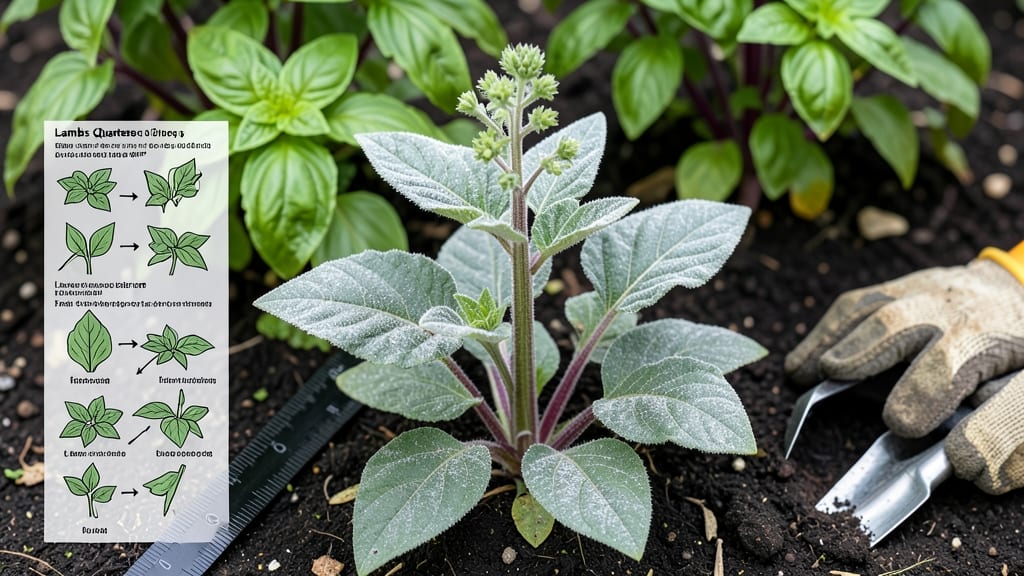
Mastering large leaf weed identification can save your garden before they crowd out your tomatoes and peppers. 🌱 I’ve spent years pulling these stubborn invaders—dock, lamb’s quarters, and broadleaf weeds—only to realize they look eerily similar to edible plants at first glance.
The key is learning their telltale shapes: dock leaves have a pointed, arrowhead shape, while lamb’s quarters resemble giant spinach but with a waxy coating. Misidentifying them means wasting time on plants you’ll regret pulling.
Here’s the game-changer: compare their leaf edges, stems, and growth habits. Dock leaves have prominent veins and a slightly hairy texture, while lamb’s quarters grow in a rosette pattern close to the ground.
Once you spot these differences, removal becomes straightforward—either by hand (best for small patches) or with targeted organic herbicides like vinegar-based sprays for larger areas. The earlier you act, the easier it gets.
You’ll notice fewer weeds choking your garden beds within a week of consistent removal. The real win? Preventing future infestations by mulching heavily and pulling weeds before they seed.
My garden’s gone from overrun to thriving since I started this routine—no more guessing whether that leaf belongs in the compost or the salad bowl.
Works for any garden size, from small containers to sprawling backyard plots. The method scales easily, and the payoff is worth the effort. Let’s get those weeds identified—and out of your garden for good.
Root Causes Of Overgrowth
Large leaf weeds don’t just appear out of nowhere—they thrive due to specific conditions that favor their rapid growth. Understanding these triggers is key to preventing and controlling them before they take over your garden or lawn.
Below, we break down the primary reasons these invasive plants spread, along with the science behind their persistence.
Large leaf weeds like dandelions or bindweed love soil packed with organic matter and excess nutrients. Here’s why:
- Excess nitrogen: Fertilizers (especially synthetic ones) create a buffet for weeds, fueling their leafy growth while starving grass or desired plants. Weeds like chickweed or plantain exploit this imbalance.
- Decaying organic matter: Compost piles, leaf litter, or mulch provide a cozy environment for weed seeds to germinate. 💡 Pro Tip: Use mulch sparingly (2–3 inches) and keep it away from garden edges to block light.
- Compacted soil: Dense soil limits water drainage and oxygen, forcing weeds to dominate. Their deep roots (like nutgrass) penetrate compacted layers easily.
Actionable Fix: Test your soil’s pH and nutrient levels, then apply slow-release, balanced fertilizers (e.g., 10-10-10) to avoid overfeeding weeds.
Overwatering or inconsistent irrigation turns your yard into a weed paradise. Here’s how:
- Shallow watering: Light, frequent watering (e.g., sprinklers) encourages broadleaf weeds like clover or henbit to sprout at the surface, while deeper watering (1–1.5 inches per week) strengthens grass roots.
- Standing water: Puddles create anaerobic zones where water-loving weeds like duckweed or smartweed thrive. Even "wet feet" conditions (soil staying damp) signal weeds to germinate.
- Irrigation runoff: Water pooling at garden edges or sidewalks washes away nutrients, leaving bare spots where weeds like purslane take hold.
Actionable Fix: Use drip irrigation or soaker hoses to deliver water directly to roots. Water early morning to reduce evaporation and fungal weed growth.
Weeds with large leaves (e.g., lamb’s quarters or amaranth) outcompete shade-tolerant plants by soaking up sunlight aggressively. Here’s the science:
- Fast photosynthesis: Weeds like ragweed have C4 metabolism, which lets them photosynthesize efficiently in high heat—outperforming slower-growing grasses.
- Seed bank advantage: Many weeds (e.g., cheatgrass) produce thousands of seeds that lie dormant until sunlight breaks through mulch or soil.
- Thin turf/lawn gaps: Bare patches from foot traffic, pet urine, or disease create "invitation zones" for weeds to establish.
Actionable Fix:
- Mow high (3–4 inches) to shade out weeds and thicken grass.
- Use shade cloth in garden beds to suppress light-dependent weeds.
- Plant ground covers (e.g., creeping thyme) to block weed seeds.
Physical disturbances—whether from gardening, construction, or even animal activity—expose buried weed seeds to light and air, triggering germination. Common culprits:
- Digging/tiling: Turning soil aerates it, waking up dormant seeds (e.g., bindweed can survive 60+ years underground!).
- Foot traffic: Walking on lawns compacts soil and creates micro-habitats for crabgrass or dandelions.
- Animal burrows: Rabbits, moles, or even squirrels disturb roots, leaving gaps for weeds like nutsedge to invade.
- Erosion: Wind or water carries weed seeds (e.g., Russian thistle) into new areas.
Actionable Fix:
- Apply pre-emergent herbicides (like pendimethalin) before tilling or planting.
- Use landscape fabric under mulch in high-disturbance areas.
- Patch bare spots with seed and topsoil to outcompete weeds.
Stressed plants (from pests or illness) can’t fend off weeds. For example:
- Grasshoppers/aphids: They feed on young grass shoots, leaving gaps for broadleaf weeds like pigweed.
- Fungal infections (e.g., brown patch): Diseased turf thins out, allowing nutgrass or henbit to move in.
- Root rot: Overwatered or poorly drained soil kills roots, creating "weed magnets" where smartweed thrives.
Actionable Fix:
- Test soil drainage and amend with sand or perlite if needed.
- Use neem oil or insecticidal soap to protect plants from pests.
- Remove infected plants immediately to prevent spread.
How to Fix Overgrown Leafy Invaders
If your garden has become a battleground against large-leafed weeds, don’t panic—there are practical, effective ways to reclaim your space. Below, we’ve mapped out solutions tailored to the most common causes of weed infestations, from overgrowth to poor soil health.
Each fix includes actionable steps and prevention tips to keep your garden lush and weed-free long-term.
Weeds thrive where sunlight struggles to reach, often choking out your desired plants. If your garden is too dense or shaded, follow these steps to restore balance:
🔥 Clear the Clutter
- Pull weeds by hand (best done after rain when soil is soft). Use gloves and a small trowel to dig out roots completely—especially for stubborn weeds like dandelions or bindweed.
- Mulch heavily (3–4 inches) with wood chips, straw, or shredded leaves to block sunlight and suppress regrowth. Pro tip: Use cardboard under mulch to smother weeds before adding organic matter.
🌿 Improve Airflow
- Thin out overgrown plants to allow sunlight to penetrate deeper into the soil.
- Prune nearby trees or shrubs if they’re casting excessive shade. Even a few hours of extra sunlight can weaken weed growth.
💡 Prevention Tip:
Plant ground covers like creeping thyme or clover in shady spots—they outcompete weeds naturally while adding beauty and soil health.
Poor irrigation or erosion creates bare patches where weeds take root. Here’s how to fix it:
🍳 Adjust Your Watering Routine
- Water deeply but infrequently (1–2 inches per week) to encourage deep root growth in your plants, leaving weeds high and dry.
- Use drip irrigation or soaker hoses to target plant roots directly, reducing runoff that washes away soil.
👨🍳 Build Soil Stability
- Add compost (2–3 inches) to improve soil structure and retain moisture, making it harder for weeds to establish.
- For slopes or erosion-prone areas, install erosion control fabric or plant native grasses with extensive root systems.
✨ Prevention Tip:
Mulch around plants with gravel or pine straw in sunny areas to deter weeds while reducing evaporation.
If you’ve relied on herbicides but want a safer, long-term solution, try these organic alternatives:
🥘 Vinegar & Salt Spray (Spot Treatment)
- Mix 1 gallon white vinegar + 1 cup salt + 1 tbsp dish soap. Spray directly on large-leaf weeds (avoid desirable plants—this kills everything it touches).
- Best for: Driveways, sidewalks, or areas where you don’t want plants to grow.
🌡️ Boiling Water or Flame Weeding
- Pour boiling water over weed bases (works well for cracks in pavement or between pavers).
- Use a propane torch (like a weed torch) to singe weeds—ideal for large patches but use caution on windy days.
🎯 Prevention Tip:
Apply corn gluten meal (a natural pre-emergent) in early spring to prevent weed seeds from germinating. It’s safe for gardens and breaks down in the soil.
Consistency is key. Combine these habits to keep weeds at bay:
| Task | When to Do It | Why It Works |
|---|---|---|
| Hand-pull weeds | Weekly (after rain) | Removes roots before they spread seeds |
| Mulch fresh layers | Spring & fall | Blocks sunlight and retains moisture |
| Aerate compacted soil | Early spring | Improves water absorption for plants |
| Rotate crops (veggie gardens) | Seasonally | Disrupts weed seed cycles |
💡 Bonus Pro Tips:
- Solarize soil in late summer: Cover bare soil with clear plastic for 4–6 weeks to cook out weed seeds (great for raised beds).
- Encourage beneficial insects like ladybugs and lacewings—they eat weed seeds before they sprout.
- Plant densely so weeds can’t find gaps. Succession planting (like lettuce → beans) keeps soil covered year-round.
With these targeted fixes, you’ll not only eliminate existing weeds but also create a garden ecosystem where they struggle to return. Start with one or two methods, track what works best for your space, and soon you’ll enjoy a lush, low-maintenance outdoor oasis! 🌿✨
Frequently asked questions
How can I tell if a large leaf plant is a weed or edible?
Check the leaf shape and growth pattern first. Dock leaves have pointed, arrowhead shapes with prominent veins, while edible greens like spinach have smoother edges. Lamb’s quarters grow in low rosettes with waxy coatings—similar to spinach but with a powdery texture. Always examine the entire plant before pulling!
What's the fastest way to remove large leaf weeds?
For small patches, hand-pull after rain when soil is soft—focus on the root. Use a trowel to dig out stubborn weeds like dandelions. For larger areas, spot-treat with vinegar (1 gallon vinegar + 1 cup salt) or boil water over weed bases. Consistency is key—check weekly to prevent regrowth.
Can large leaf weeds spread to other parts of my garden?
Many large leaf weeds (like bindweed) produce thousands of seeds that travel via wind, water, or even on shoes. Remove weeds before they flower to stop seed production. Mulch heavily (3-4 inches) and keep garden beds clean to block new growth.
Are there any large leaf weeds that are actually beneficial?
Yes! Lamb’s quarters (though often considered weeds) are edible and packed with nutrients. They’re great cooked like spinach. Even dandelions have edible leaves and flowers—just avoid areas treated with herbicides. Always double-check identification before consuming any wild plant.