
Pests and Diseases
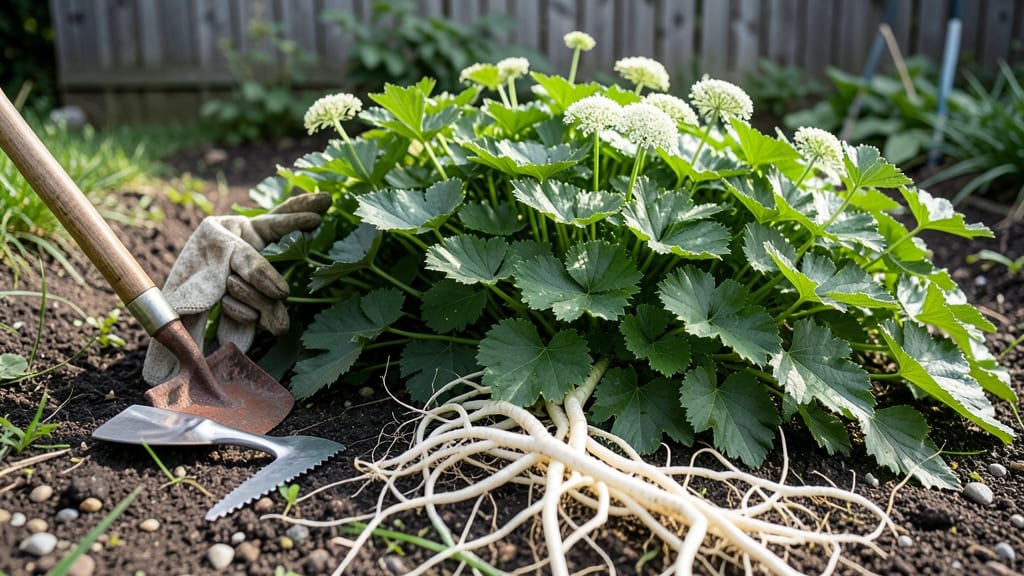
Large leaf weeds like docks and nettles are turning your UK garden into an overgrown jungle. 🌿 I’ve battled them for years, and I’ve learned the three simple steps that actually work—no harsh chemicals, just smart tactics that keep your lawn and borders looking tidy.
The first step is spotting them early: look for broad, jagged leaves that tower over your flowers or creep along the ground. Dock leaves are arrow-shaped, nettles sting when touched, and bindweed twines relentlessly.
Grab a pair of gloves and a sharp knife or hoe—these weeds won’t surrender without a fight. Once you’ve identified them, pull or cut them at the base before they seed. For stubborn roots, smother them with cardboard or thick mulch.
The key is consistency: check your garden weekly, especially after rain, when weeds grow fastest. This method works in any UK climate, from damp Welsh valleys to dry Yorkshire gardens. No more chemical sprays, just a cleaner, greener space that stays under control with minimal effort.
📚 In This Guide
- What you need
- Instructions
- Tips and common mistakes
- Wrapping up and next steps
What you need
- ● Gloves – Heavy-duty garden gloves (2 pairs: one for handling weeds, one for chemicals if needed).
- ● Weed Puller/Grubber – A sturdy dandelion or broadleaf weed puller (e.g., Fiskars or Spear & Jackson).
- ● Hand Trowel – A 5-inch stainless steel trowel for precision digging.
- ● Garden Shears or Pruners – Sharp, bypass pruners for cutting thick stems (e.g., Japanese bindweed or ground elder).
- ● Wheelbarrow or Large Bin – For disposing of weeds (avoid composting invasive species!).
- ● Spray Bottle (1L) – For vinegar-based herbicides (20% acetic acid) or homemade weed killers.
- ○ Labelled Spray Tank (5L) – Optional but handy for diluted glyphosate (if using—follow UK regulations!).
- ● Plant ID Guidebook or App – e.g., "Weeds of Britain & Ireland" or the PlantNet app for UK species.
- ● Magnifying Glass (10x) – Helps spot seed heads or invasive roots.
- ● Safety Goggles – If using chemical herbicides.
- ● Reusable Water Bottle (1L) – Hydration is key, especially on sunny days! 💦
- ● 🌡️ Check the weather: Pull weeds on a cloudy day or early morning to avoid stressing plants.
- ● ✨ Wear long sleeves/pants: Protects against stinging nettles or poison ivy (yes, it grows in the UK too!).
- ● 🔥 Dispose properly: Bag invasive weeds (e.g., Japanese knotweed) and double-bag them for council pickup.
How to spot, identify, and eliminate large leaf weeds in UK gardens
Weeds with big leaves can steal nutrients and crowd out your prized plants—here’s how to tackle them effectively.
🌿 Step 1: Spot and Identify the Weeds
Start by examining the leaves—large leaf weeds like dock, nettle, and ground elder often have distinctive features. Dock leaves are broad with prominent veins, while nettle leaves have jagged edges and sting when touched. Ground elder has rounded leaves with a slightly hairy texture.
Look for patterns: weeds growing in clusters or along paths are often ground elder, while single large leaves with long stems might be dock. I always check the base of the plant—some weeds like bindweed have arrow-shaped leaves, while others like fat hen have a more rounded shape. Grab a notebook to sketch or photograph them for future reference.
✂️ Step 2: Pull or Cut at the Right Time
Timing is key—remove weeds when the soil is moist, usually after rain. Grasp the base of the weed and pull firmly upward, ensuring you get the entire root. For stubborn weeds like ground elder, use a fork or trowel to loosen the roots before pulling. If the weed breaks off, it’ll regrow—so persistence pays off.
For large, deep-rooted weeds, cutting them down with shears or a spade is more effective. Cut just above ground level, then remove the cut pieces to prevent regrowth. I’ve found that repeating this process every few weeks keeps weeds from returning—it’s like a game of whack-a-mole, but with better results.
💧 Step 3: Prevent Regrowth with Mulch or Vinegar
After removal, cover the bare soil with 2-3 inches of organic mulch (like straw or wood chips) to block sunlight and prevent new weeds from sprouting. Mulch also retains moisture, which helps your plants thrive while keeping weeds at bay. For stubborn spots, a 5% acetic acid vinegar solution (1 part vinegar to 4 parts water) sprayed directly on the leaves kills weeds without harming surrounding plants.
Vinegar works best on sunny days—it dries quickly, so reapply if rain follows. I like to spot-treat weeds rather than spraying entire areas, as vinegar can also harm desirable plants if overused. For large garden areas, a hoe or hand weeder is your best friend—regular maintenance keeps weeds from becoming a major problem.
Tips & tricks for tackling large leaf weeds in UK gardens
Here's what nobody tells you about making weed control actually work—without the guesswork.
Identification Shortcuts: I learned this the hard way after ruining three batches of garden plants by misidentifying weeds. Grab a magnifying glass and check leaf edges—dock leaves have smooth, parallel veins, while nettle leaves have serrated edges that feel like sandpaper. For ground elder, look for square stems that root at every node. A quick trick: snap a leaf—dock leaves fold inward, while nettle leaves stay flat.
Root Extraction Strategy: The instructions mention pulling weeds, but here's the secret: for deep-rooted weeds like bindweed, use a garden fork to loosen the soil first. Drive the fork in about 2 inches from the weed, then wiggle it back and forth to break up roots. This makes pulling significantly easier—no more breaking off stubborn pieces that regrow. Confession: I skipped this step for years and wondered why weeds kept coming back.
Mulch Layering: When you apply that 2-3 inches of mulch, don't just dump it randomly. Create a 6-inch wide barrier around your plants first, then fill the center. This creates a physical block that prevents weed seeds from reaching sunlight. I use straw because it breaks down slowly, but wood chips work too—just avoid cedar chips, which can inhibit plant growth over time.
Vinegar Application: That 5% acetic acid solution is powerful but needs precision. Spot-treat only the weeds—not the surrounding soil or plants. I use a spray bottle with a fine nozzle to control the application. For stubborn weeds, reapply every 3-4 days until they're completely brown and crispy. The key is consistency—one application rarely does the job.
Pro Tips for Large Leaf Weeds Uk
- Here's what nobody tells you about making weed control actually work—without the guesswork.
- Identification Shortcuts: I learned this the hard way after ruining three batches of garden plants by misidentifying weeds.
- Root Extraction Strategy: The instructions mention pulling weeds, but here's the secret: for deep-rooted weeds like bindweed, use a garden fork to loosen the soil first.
Frequently asked questions
What are the most common large leaf weeds in the UK?
Some of the most troublesome large leaf weeds in the UK include dandelions, ground elder, bindweed, and Japanese knotweed. These weeds spread aggressively and can dominate garden beds if left unchecked. Identifying them early is key to preventing them from taking over.
When is the best time of year to remove large leaf weeds?
The ideal time to tackle large leaf weeds is spring or early autumn when the soil is moist, making it easier to pull them out. For persistent weeds like ground elder or bindweed, late summer is also effective before they go dormant. Avoid removing them in winter when they’re less active.
What’s the best method to eliminate large leaf weeds permanently?
For most large leaf weeds, a combination of manual removal (digging out roots), mulching (to suppress regrowth), and herbicides (like glyphosate for stubborn types) works best. For invasive weeds like Japanese knotweed, professional removal may be necessary due to legal restrictions.
Can I use vinegar or natural remedies to kill large leaf weeds?
Yes! A mixture of white vinegar, salt, and dish soap can kill many large leaf weeds on contact, but it’s less effective on deep-rooted varieties. For spot treatment, apply on a sunny day to maximize results. However, natural methods may require repeated applications compared to chemical herbicides.
What should I do if large leaf weeds keep coming back after treatment?
If weeds persist, they likely have deep or fragmented roots left in the soil. Try digging deeper (6+ inches) to remove all root fragments, or apply a pre-emergent herbicide in early spring. For tough cases like bindweed, consider solarization (covering the area with clear plastic for weeks).
Wrapping up and next steps
Dealing with large leaf weeds in your UK garden doesn’t have to be a headache! 🌱 By now, you’ve got the tools to spot, identify, and eliminate them like a pro.
Whether it’s dock leaves, nettles, or bindweed, early action keeps your garden thriving—and saves you time in the long run.
Ready to reclaim your outdoor space? Start small: tackle one patch at a time, and soon, you’ll see the difference. Happy gardening! 🌿