
Leaf Blower
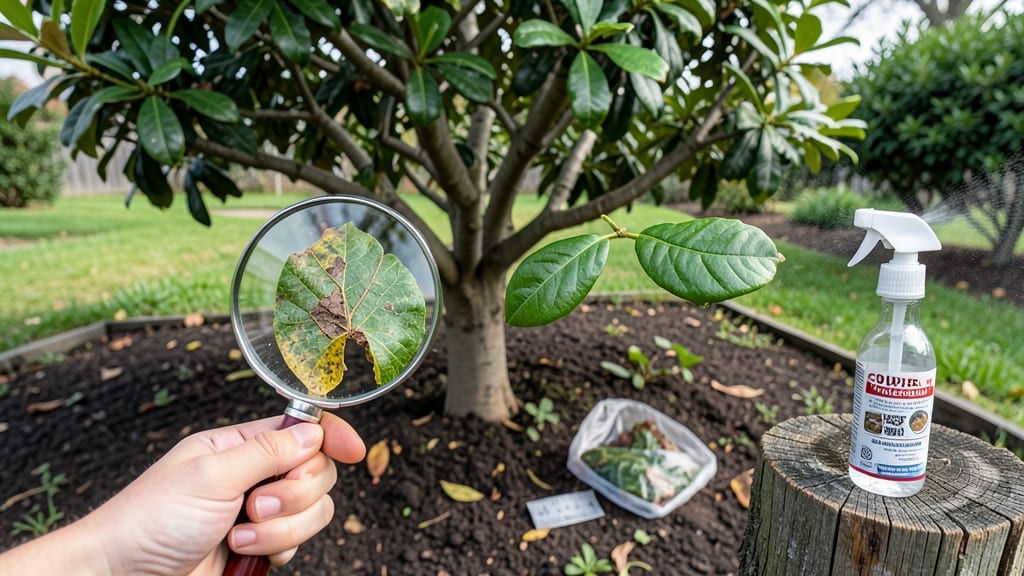
Pomegranate leaf curl isn't just ugly—it can ruin your harvest if you ignore it. 🌿 That crinkled, discolored foliage? It’s often Taphrina pruni, a fungal infection that thrives in damp spring weather.
I’ve seen it turn lush pomegranate trees into sad, stunted shadows within weeks, but copper spray stops it dead in its tracks when applied early.
The first step is confirming the cause: check for thickened, curled leaves with white or gray spots on the undersides. If it’s fungal, you’ll spot it spreading fastest after rain. Mites can mimic the damage, but they leave behind tiny webs and speckled leaves.
Once you know what you’re dealing with, copper fungicide (applied every 7–10 days) is your best bet—it’s organic, effective, and won’t harm bees if used at dusk.
With proper treatment, your tree can bounce back in 4–6 weeks, producing plump, disease-free fruit by harvest season. The key is acting fast—once the fungus spreads to stems, recovery gets a lot harder. Prune infected leaves immediately, then follow up with preventive sprays before next year’s blooms appear.
If your tree keeps struggling despite your efforts, it might be a sign of deeper stress—like poor drainage or nutrient deficiencies. That’s when you call in a local arborist to rule out viral issues or soil problems. Better safe than sorry when your pomegranates are on the line.
Root Causes Of Leaf Distortion
Understanding why pomegranate leaves curl is the first step to fixing it—and often, the problem stems from a mix of environmental stress and microbial invaders. Here’s a breakdown of the most common culprits, explained in clear, actionable terms:
Pomegranate trees thrive in hot, dry climates, but extreme heat or sudden temperature swings can trigger leaf curl as a survival response. When roots struggle to absorb enough water (due to drought or poor soil drainage), leaves curl inward to reduce moisture loss—a protective mechanism called transpiration control.
- Why it happens: - Overheating: Temperatures above 95°F (35°C) for prolonged periods stress the plant, causing cellular damage. - Water deficit: Even well-drained soil can dry out quickly in summer.
Pomegranates hate "wet feet" but also wilting conditions. - Osmotic shock: Rapid shifts from drought to heavy watering (or vice versa) disrupt nutrient uptake, leading to distorted growth.
- Actionable fix:
- Mulch heavily (3–4 inches of straw or wood chips) to retain soil moisture and regulate temperature.
- Water deeply but infrequently—aim for 1–1.5 inches per week (adjust for clay/sandy soil).
- Avoid overhead irrigation during peak sun (use drip lines instead).
Fungal pathogens like Alternaria alternata (Alternaria leaf spot) and Cercospora pomegranate are the #1 cause of leaf curl in pomegranates. These fungi thrive in humid, stagnant conditions and release toxins that warp leaf tissue.
- Why it happens:
- Spores spread via wind, splashing water, or infected pruning tools.
- Slow drainage creates soggy leaves, giving fungi a foothold.
- Weakened trees (from poor nutrition or stress) are easier targets.
- Visual clues:
- Yellow/brown spots with black centers (Alternaria).
- Dark, scaly patches on undersides of leaves (Cercospora).
- Premature leaf drop in severe cases.
- Actionable fix:
- Copper fungicide spray (1–2% solution) every 7–10 days during outbreaks (start at first sign of spots).
- Prune infected leaves and sterilize tools with 70% alcohol.
- Improve airflow by thinning dense foliage.
Insects like aphids, spider mites, and scale feed on leaf sap, injecting toxins that cause curling. Their honeydew secretions also attract sooty mold, compounding the problem.
- Why it happens:
- Aphids cluster on new growth, excreting sticky residue that smothers leaves.
- Spider mites thrive in dry, dusty conditions, creating stippled, curled leaves.
- Scale insects form armored colonies, draining nutrients and distorting tissue.
- Actionable fix:
- Blast off pests with a strong water spray (disrupts their grip).
- Neem oil spray (1% solution) weekly to suffocate eggs and adults.
- Release predatory insects (ladybugs, lacewings) for natural control.
Pomegranates need balanced nutrients—especially zinc, magnesium, and nitrogen—to maintain leaf structure. Deficiencies force leaves to curl or yellow as they prioritize survival over growth.
- Why it happens:
- Zinc deficiency: Causes interveinal chlorosis (yellowing between veins) and stunted growth.
- Magnesium deficiency: Leads to yellowing between leaf veins (like a "V" shape).
- Nitrogen shortage: Results in pale, curled leaves and poor fruit development.
- Actionable fix:
- Soil test first to identify deficiencies (pH should be 5.5–7.0).
- Apply chelated zinc (if soil is alkaline) or Epsom salt (for magnesium).
- Use a balanced fertilizer (10-10-10 or 8-3-9) spring and early summer.
Strong winds physically damage leaves, while air pollution (ozone, sulfur dioxide) can cause stippling and curling by disrupting cellular function.
- Why it happens:
- Windburn: Dries out leaf edges, leading to brown, curled tips.
- Urban pollution: Ozone (common in smoggy areas) oxidizes leaf tissues, causing distortion.
- Actionable fix:
- Windbreaks: Plant fast-growing shrubs (like privet) as a barrier.
- Avoid planting near highways or industrial zones if pollution is severe.
Too much salt-based fertilizer or herbicide drift can scorch leaves, leading to curling as the plant reacts to toxicity.
- Why it happens:
- Excessive salt (from synthetic fertilizers) burns root tips, reducing water uptake.
- Glyphosate drift (from nearby weed control) disrupts plant hormones, causing abnormal growth.
- Actionable fix:
- Flush soil with water if fertilizer burn is suspected.
- Use organic amendments (compost, worm castings) to reduce salt buildup.
- Avoid spraying herbicides when trees are in bloom or fruiting.
Quick Fixes for Pomegranate Leaf Curl
Pomegranate leaf curl can be frustrating, but with the right approach, you can restore your tree’s health and prevent future outbreaks. Below are practical, step-by-step solutions tailored to the most common causes—fungal infections, viral attacks, or environmental stress.
Each fix is designed to be easy to implement, whether you're a seasoned gardener or a beginner.
If your pomegranate’s leaves are curling due to fungal spots (like Alternaria or Cercospora), act fast with these steps:
🔥 Step 1: Prune Infected Leaves & Branches
- Why? Fungal spores spread easily, so removing affected foliage stops the cycle.
- How?
- Use sterilized pruners (wipe with rubbing alcohol between cuts).
- Cut at least 2–3 inches below the curled or spotted leaves.
- Dispose of clippings in the trash (not compost)—don’t leave them near the tree.
🍳 Step 2: Apply Copper-Based Fungicide
Copper sprays are highly effective against fungal leaf curl and are organic-friendly.
- Best Products:
- Copper sulfate pentahydrate (5–10 lbs per 100 gallons of water)
- Ready-to-use copper fungicides (like Bonide Copper Fungicide or Neem Bliss Copper Soap)
- How to Apply:
- Spray early morning or late evening (avoid direct sunlight to prevent leaf burn).
- Cover both sides of leaves and stems thoroughly.
- Reapply every 7–14 days until new growth appears healthy.
👨🍳 Step 3: Improve Airflow & Reduce Humidity
Fungi thrive in damp, stagnant conditions.
- Quick Fixes:
- Thin out dense branches to allow sunlight and airflow.
- Water at the base (avoid overhead sprinkling).
- Mulch properly (2–3 inches of organic mulch, but keep it 6 inches away from the trunk).
⏰ Step 4: Strengthen the Tree’s Defenses
A healthy pomegranate fights infections better.
- Fertilize lightly with a balanced fertilizer (10-10-10) in early spring.
- Avoid overwatering—let the soil dry slightly between waterings.
- Boost with compost tea (rich in beneficial microbes).
If the curl is viral (often spread by aphids or grafting), prevention is key—there’s no cure, but you can manage it:
💡 Step 1: Remove & Destroy Infected Plants
- Do NOT compost—burn or bag infected leaves/branches to prevent spread.
- Check nearby plants—viruses can jump to other pomegranates or citrus trees.
🔥 Step 2: Control Aphids & Other Vectors
Aphids spread viral diseases. Eliminate them fast:
- Spray with soapy water (1 tsp mild soap + 1 quart water).
- Use neem oil (1 tsp per liter of water, spray weekly).
- Introduce ladybugs (natural aphid predators).
🎯 Step 3: Quarantine the Tree
- Isolate the pomegranate from other plants for at least 2 months.
- Monitor for new symptoms—if curls appear on other trees, act immediately.
Heat, drought, or poor soil can cause non-infectious curling. Fix these issues:
💧 Step 1: Adjust Watering Habits
- Water deeply but infrequently (1–2 inches per week, more in extreme heat).
- Use drip irrigation to keep leaves dry (prevents stress from wet foliage).
🌡️ Step 2: Provide Shade in Hot Climates
- If your area gets above 95°F (35°C), provide partial shade (50% shade cloth) during peak sun.
- Mulch heavily (3–4 inches) to retain moisture and cool roots.
📊 Step 3: Test & Amend Soil
- Check pH (ideal: 6.0–7.0 for pomegranates). Use lime to raise pH or sulfur to lower it.
- Add organic matter (compost or aged manure) for better drainage.
Stop leaf curl before it starts with these proactive measures:
- 🌱 Plant resistant varieties (e.g., ‘Wonderful’ or ‘Eversweet’ pomegranates are hardier).
- 🍃 Rotate copper sprays (even as prevention—apply once in early spring and once in summer).
- 🔍 Inspect trees weekly—catch curls early when they’re easier to treat.
- 🌿 Avoid overhead irrigation—water at the base to keep leaves dry.
By following these targeted fixes, your pomegranate should bounce back in 4–8 weeks. Stay consistent, and your tree will reward you with lush, healthy foliage and sweet, juicy fruit! 🍇🌿
Frequently asked questions
What does fungal leaf curl look like on pomegranate trees?
Fungal leaf curl typically shows as thickened, puckered leaves with white or gray fungal growth on the undersides. You’ll often see yellow or brown spots that may develop black centers as the infection spreads. Unlike pest damage, fungal curl usually appears first on younger leaves and spreads upward through the tree.
Can I use household items to treat pomegranate leaf curl?
Yes! For mild cases, mix 1 tablespoon of baking soda with 1 quart of water and a few drops of dish soap. Spray this solution on affected leaves every 5-7 days to help control fungal growth. For more severe infections, commercial copper fungicides work better but household remedies can provide temporary relief while you prepare proper treatments.
How long does it take for copper spray to work on leaf curl?
With consistent application, you should see noticeable improvement in 2-3 weeks. Copper fungicides work by preventing spore germination rather than killing existing fungi, so regular applications every 7-14 days are crucial. For best results, start treatment at the first sign of curling and continue until new growth appears completely healthy.
Will leaf curl affect my pomegranate harvest?
Yes, severe leaf curl can significantly reduce your harvest. The disease stresses the tree, diverting energy from fruit production to leaf repair. In worst cases, infected trees may drop fruit prematurely or produce smaller, less flavorful pomegranates. Early intervention is key—treating within 2 weeks of first symptoms can often save 80% or more of your potential yield.
Can I save my pomegranate tree if it's already heavily infected?
It depends on how far the infection has progressed. If only leaves are affected, aggressive pruning and copper treatments can often restore health. However, if the curl has spread to stems or the tree shows signs of dieback (brown, dead branches), the damage may be irreversible. In such cases, consider replacing the tree with a more resistant variety like 'Wonderful' or 'Eversweet' pomegranates.