
Propagation
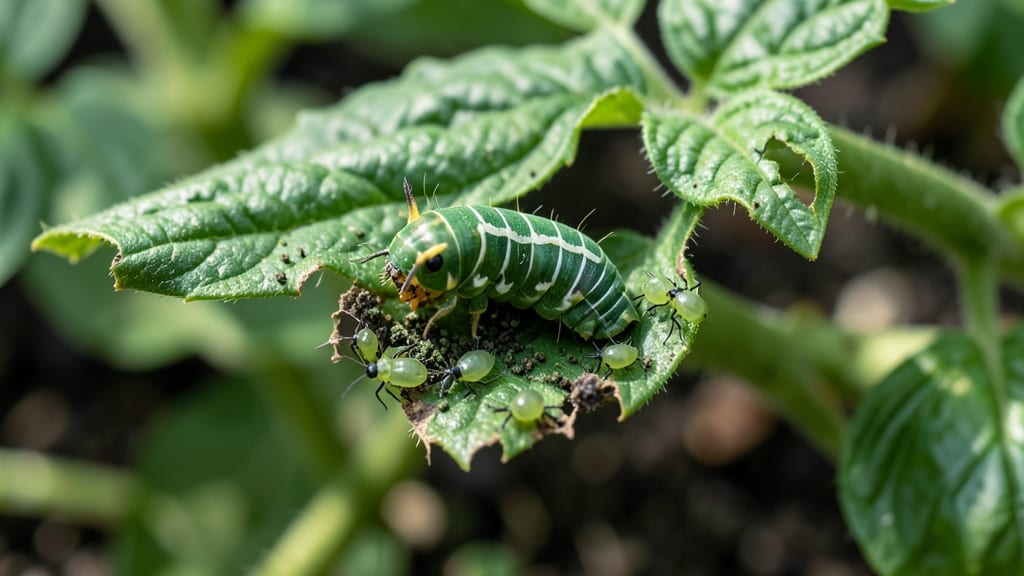
That first sight of tiny holes or sticky residue on your leaves can turn a thriving garden into a pest battleground. 🌿 Leaf damage from insects often starts small—aphids clustering on stems, spider mites weaving delicate webs, or caterpillars skeletonizing leaves—but if you catch it early, you can save your plants without harsh chemicals.
The key is knowing what to look for: chewed edges, yellowing patches, or fine webbing between leaves. I’ve seen roses, tomatoes, and even basil turn from lush to ragged in days when pests go unchecked.
The good news? Most damage is preventable with simple organic methods like neem oil, companion planting, or introducing beneficial insects.
You’ll learn to spot the early warning signs before damage spreads, and I’ll share my go-to organic solutions that work on everything from aphids to Japanese beetles. No more guessing—just clear steps to protect your plants and keep your garden thriving without toxic sprays.
Whether you’re dealing with a sudden infestation or just want to stay ahead, these strategies work for containers, raised beds, and in-ground gardens alike. Let’s get your plants back to their healthiest—and keep them that way.
The Hidden Triggers Behind Chewed Leaves
When your plants start looking like a picnic spot for tiny critters, it’s not just bad luck—it’s usually a mix of environmental factors, plant health, and insect behavior.
Understanding why these pests target your leaves is the first step to stopping them before they turn your garden into an all-you-can-eat buffet. Let’s break down the real reasons behind leaf damage from insects, so you can outsmart them with science-backed solutions.
Healthy plants are like bodybuilders with strong immune systems—they can fend off pests. But when plants are stressed, they become easy targets. Here’s what weakens their defenses and rolls out the welcome mat for insects:
- Nutrient Deficiencies: Plants low in nitrogen, phosphorus, or potassium struggle to produce tough leaves or repellent chemicals. Example: Nitrogen-deficient plants often have pale, weak leaves that aphids love because they’re easier to pierce and suck nutrients from.
- Water Stress: Overwatering or drought can both make plants vulnerable. Why? Overwatered soil creates the perfect humid environment for soft-bodied pests like slugs and caterpillars, while drought-stressed plants can’t produce the same defensive compounds (like tannins or resins) that deter insects.
- Poor Soil Health: Compacted or nutrient-poor soil limits root growth, reducing a plant’s ability to absorb water and minerals. Result: Stunted growth = less energy for defense mechanisms. Fun fact: Earthworms and mycorrhizal fungi in healthy soil actually boost plant immunity—so tilling them out can backfire!
- Disease or Pest History: Plants recovering from illness (like fungal infections) or previous infestations are often compromised. Insects like Japanese beetles or spider mites zero in on these weakened spots because they’re easier to exploit.
💡 Pro Tip: Conduct a simple soil test (DIY kits are affordable) to check pH and nutrient levels. Amending soil with compost or organic fertilizers can dramatically improve plant resilience within weeks.
Insects don’t just randomly decide to munch on your plants—they follow a predictable schedule based on biology, weather, and plant availability. Here’s how timing plays a role:
| Insect Type | Peak Activity Period | Why They Strike Now |
|---|---|---|
| 🐛 Aphids | Spring to early summer | New growth is sweet and tender, packed with sugars that aphids crave. Warmth also speeds up their reproduction—one female can produce 50+ offspring in a week! |
| 🦋 Caterpillars (e.g., tomato hornworms) | Late spring to fall | They time their hatching with the emergence of host plants (like tomatoes or basil). Some species even detect plant stress hormones and lay eggs accordingly. |
| 🐜 Japanese Beetles | June–August (varies by region) | Adults emerge when flowering plants (their favorite) are in peak bloom. They’re also attracted to damaged leaves—once they find one, they’ll strip the whole plant. |
| 🕷️ Spider Mites | Hot, dry summers | High temperatures dry out plant sap, making it easier for mites to pierce cells. They also thrive in dusty conditions, which clogs leaf pores and stresses plants. |
⏰ Actionable Insight: Monitor your garden’s phenology (the study of plant/insect life cycles). For example, if you notice tiny eggs on undersides of leaves in spring, those could hatch into caterpillars in 7–10 days—act fast with organic sprays like neem oil before they become a problem.
Not all plants are created equal when it comes to pest resistance. Some are like magnets for insects because of their:
- Chemical Composition: Plants with high sugar content (like squash or corn) or volatile oils (e.g., dill, fennel) attract insects that feed on sweet or aromatic compounds. Example: Cabbage worms target brassicas because they contain glucosinolates, which the worms’ enzymes break down for nutrition.
- Soft or Thin Leaves: Delicate leaves (common in cole crops like lettuce or kale) are easier to chew than tough, waxy leaves (like rosemary or thyme). Insects like leaf miners prefer plants with thin epidermis because they can burrow in with minimal effort.
- Color and Scent: Brightly colored or strongly scented plants (e.g., purple basil or red peppers) can attract pests like aphids or whiteflies, which are drawn to specific wavelengths of light. Ironically, some insects use scent to find stressed plants—like how you’d smell a rotting apple in a grocery store.
🌡️ Smart Plant Pairing: Use the “companion planting” trick to confuse pests. For example, plant garlic or chives near roses—their strong scent masks the roses’ natural fragrance, making them less appealing to aphids. Alternatively, interplant vulnerable crops with pest-repellent herbs like mint or basil.
🎯 Key Takeaway: Leaf damage from insects is rarely just about the bugs—it’s a perfect storm of plant health, environmental conditions, and insect biology. By addressing the root causes (literally and figuratively), you can dramatically reduce damage before it starts. Next up: How to Outsmart These Pests Naturally.
Quick Fixes for Chewed and Damaged Leaves
When pesky insects turn your lush green leaves into a buffet of holes and chewed edges, it’s time to act fast—but don’t reach for harsh chemicals just yet! Organic solutions can restore your plants’ health while keeping your garden (and the planet) safe.
Below, we’ve mapped out practical, step-by-step fixes tailored to the most common causes of insect leaf damage, along with prevention tips to keep your plants thriving long-term.
🔥 Caterpillars & beetles (ragged edges, large holes)
If your leaves look like they’ve been attacked by a tiny army, caterpillars or beetles are likely the culprits. These munchers can strip plants bare in days if left unchecked.
✅ Fix It:
- Handpick & Drop 👨🍳: Early morning is the best time—caterpillars are slow and easy to spot. Drop them into a bucket of soapy water (1 tbsp dish soap + 1 gallon water) to kill them instantly.
- Neem Oil Spray 🍳: Mix 1 tsp neem oil + 1 tsp mild soap + 1 quart water in a spray bottle. Coat leaves thoroughly (especially undersides) every 3–5 days until pests disappear. Neem disrupts their feeding and reproduction.
- Diatomaceous Earth (DE) Barrier 🏗️: Sprinkle food-grade DE lightly around the base of plants and on leaves. It’s a natural abrasive that dehydrates insects—but reapply after rain.
💡 Pro Tip: Plant basil, marigolds, or tansy nearby—these act as natural repellents for caterpillars!
🍳 Aphids & Whiteflies (Sticky Leaves, Curling)
Tiny but mighty, these sap-suckers leave behind sticky residue (honeydew) and stunt plant growth. They multiply fast, so act quickly!
✅ Fix It:
- Blast Them Off 💦: Use a strong spray of water (from a hose or spray bottle) to knock them off leaves. Repeat every 2–3 days until gone.
- Insecticidal Soap 🧼: Mix 1.5 tbsp castile soap + 1 quart water and spray directly on pests (avoid flowers to protect pollinators). Reapply after rain.
- Yellow Sticky Traps 🎯: Hang yellow cards coated in petroleum jelly near infected plants to trap whiteflies. Check traps daily and replace as needed.
💡 Pro Tip: Introduce ladybugs or lacewings—these beneficial insects eat aphids and are safe for your garden!
🥘 Spider Mites (Tiny Specks, Webbing)
These microscopic pests thrive in dry, hot conditions and suck plant juices, causing yellowing and stippling. Look for fine webbing on undersides of leaves.
✅ Fix It:
- Wet the Leaves 💧: Spider mites hate humidity. Mist plants daily with water (especially undersides) to deter them.
- Neem Oil or Horticultural Oil 🌿: Spray a neem oil solution (as above) every 5–7 days until mites vanish. Oil smothers their eggs and adults.
- Predatory Mites Release 🕷️: Purchase phytoseiulus persimilis (a natural mite predator) from garden centers and release them on infested plants.
💡 Pro Tip: Avoid over-fertilizing—excess nitrogen attracts spider mites!
🔪 Scale & Mealybugs (White Cottony Patches, Sticky Mess)
These slow-moving pests anchor to leaves/stems and excrete honeydew, leading to sooty mold (a black fungus). They’re tough to spot until it’s too late!
✅ Fix It:
- Scrape Them Off 🧹: Use a soft toothbrush dipped in rubbing alcohol (70% isopropyl) to scrub off scales and mealybugs. Alcohol kills them on contact.
- Isopropyl Alcohol Spray 🧴: Mix 1 part rubbing alcohol + 3 parts water in a spray bottle. Target only infested areas (avoid beneficial insects).
- Beneficial Insects 🐝: Release parasitic wasps (like Encarsia formosa) or cryptolaemus beetles—they specialize in eating mealybugs.
💡 Pro Tip: Inspect new plants before bringing them indoors—scale often hitchhikes on nursery stock!
The best defense is a healthy, resilient plant that pests avoid. Try these long-term strategies:
| Prevention Tip | How to Do It |
|---|---|
| Encourage Beneficial Insects | Plant dill, fennel, or alyssum to attract ladybugs, lacewings, and hoverflies. |
| Rotate Crops | Avoid planting the same species in the same spot yearly—pests target familiar hosts. |
| Water Deeply & Early | Morning watering reduces humidity (which attracts mites and fungi). Water at the base, not leaves. |
| Prune Regularly | Remove damaged or crowded leaves to improve airflow and deter pests. |
| Use Row Covers | For caterpillars and beetles, cover young plants with floating row covers until harvest. |
| Healthy Soil = Strong Plants | Amend soil with compost and worm castings—stressed plants attract more pests. |
If your plants are severely damaged (e.g., skeletonized leaves, wilting), consider:
- Bacillus thuringiensis (Bt) 🦠: A natural bacterial spray safe for organic gardens. Works best on caterpillars.
- Professional Pest Control 🚨: For large-scale infestations (like Japanese beetles), contact a local organic-certified exterminator.
Remember: Patience and consistency are key! Most organic treatments take 1–2 weeks to fully work. Check your plants daily and adjust your approach as needed. With these methods, your leaves will bounce back—and stay pest-free! 🌿✨
Frequently asked questions about insect leaf damage
What are the most common signs my plants have insect damage?
Look for tiny holes, chewed edges, yellowing patches, or webbing between leaves. Aphids leave sticky residue (honeydew), while caterpillars create skeletonized leaves. Spider mites often appear as fine speckling with visible webs on undersides.
Why do some plants get more insect damage than others?
Plants with soft leaves (like lettuce) or high sugar content (tomatoes) attract more pests. Stress from poor soil, drought, or nutrient deficiencies also weakens defenses. Even plant scent plays a role—brightly colored or strongly scented plants often draw attention from insects.
How quickly can insect damage spread if untreated?
Some pests like aphids multiply exponentially—one female can produce 50+ offspring in a week! Without intervention, damage can spread from a single leaf to the entire plant in just 7-10 days, especially during warm weather when insects are most active.
Are there any plants that naturally repel common leaf-eating insects?
Yes! Marigolds, basil, and garlic deter many pests. These plants contain natural compounds that mask vulnerable plants' scents. Try interplanting them with your vegetables or flowers to create a protective barrier.
What's the safest way to remove pests from my plants?
For large pests like caterpillars, handpicking works best—drop them in soapy water. For tiny insects, use a neem oil spray (1 tsp oil + 1 tsp soap per quart of water) or insecticidal soap. Always apply early in the morning for maximum effectiveness.