
Pests
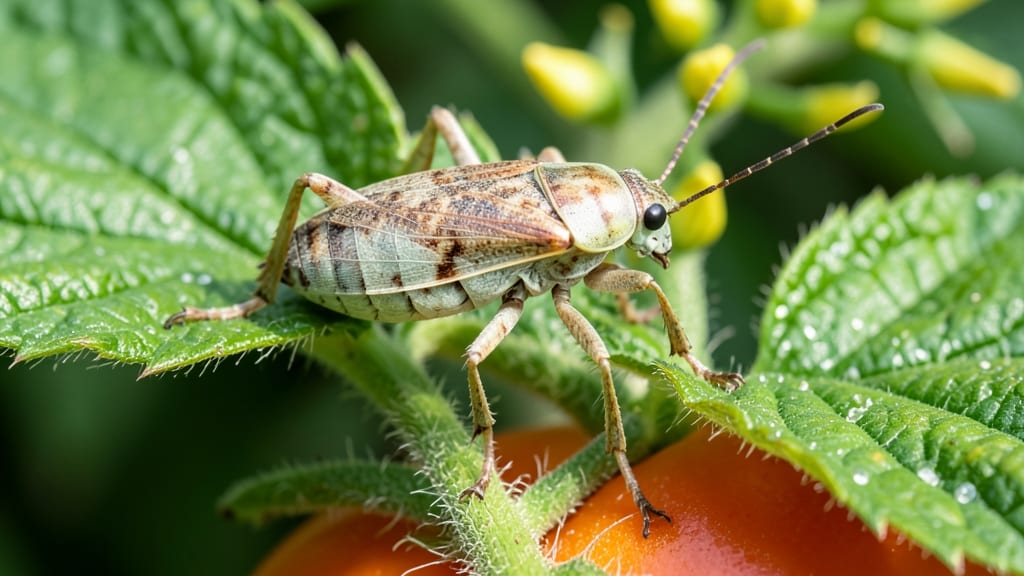
Leaf-footed bugs on tomatoes turn your hard work into a skeletonized mess overnight. 🌱 I’ve watched these tiny pests strip entire plants bare in just a few days, but I’ve also learned how to stop them without harsh chemicals. The key is acting fast—before they ruin your harvest.
These bugs leave behind jagged holes in leaves and brown spots on fruit, but they’re easy to spot: look for their distinctive leaf-like feet when they scurry away. Copper spray is my go-to solution because it disrupts their feeding while keeping your garden safe for pollinators.
You’ll see results within days if you apply it at the first sign of trouble. The real game-changer? Prevention. Row covers in early season and regular monitoring with yellow sticky traps cut down on infestations before they start.
Once you master these steps, you’ll protect your tomatoes without sacrificing organic principles. Works for backyard gardens, containers, and even raised beds. Here’s how to make it happen—no more ruined harvests!
What Draws Them to Tomatoes
Leaf-footed bugs—those pesky coreid insects with their distinctive leaf-shaped hind legs—don’t just randomly invade your tomato patch. These sap-sucking pests are drawn to your plants for three key reasons, each tied to biology, ecology, and even your gardening habits. Understanding these triggers is the first step to outsmarting them.
Leaf-footed bugs are polyphagous, meaning they’ll dine on over 100 plant species, but tomatoes are a top choice. Why? It’s all about plant chemistry:
- High sugar content: Ripe tomatoes are packed with glucose and fructose, which bugs detect via their antennae. The sweeter the fruit, the stronger the scent signal.
- Volatile organic compounds (VOCs): When tomatoes are stressed (e.g., from heat, drought, or damage), they release chemical distress signals that bugs home in on. Think of it as a dinner bell.
- Soft, juicy tissue: Unlike tough-skinned squash, tomatoes offer easy access to phloem sap—the bug’s liquid gold. A single adult can consume 10–15 times its body weight in sap daily.
Actionable insight: If your tomatoes are overripe or bruised, bugs will swarm faster. Harvest promptly and remove fallen fruit to reduce attractants.
Leaf-footed bugs thrive where their natural predators are absent or where they find shelter. Common garden features that invite them include:
| Garden Feature | Why It Helps Bugs | Fix It With |
|---|---|---|
| Dense mulch or debris | Provides hiding spots for nymphs (baby bugs) and adults during the day. | Use coarse mulch (e.g., wood chips) and keep beds tidy. |
| Weedy borders | Weeds like pigweed or smartweed host alternate food sources and egg-laying sites. | Remove weeds within 3 feet of tomato plants. |
| Night-blooming flowers | Bugs are nocturnal and may mistake flowers for tomatoes. Some flowers (e.g., evening primrose) even attract them. | Opt for daytime-blooming flowers (e.g., marigolds) near tomato rows. |
| Poor predator habitat | Lack of ladybugs, spiders, or parasitic wasps means bugs reproduce unchecked. | Add diverse plantings (e.g., dill, alyssum) to support predators. |
Pro tip: 💡 Prune tomato plants to improve air circulation—bugs prefer tight, humid foliage where predators can’t patrol.
Leaf-footed bugs are opportunistic, and their activity spikes under specific conditions:
- Warm nights (75°F+): Bugs become hyperactive after sunset, increasing feeding and mating. This is why late-summer tomato crops often take a hit.
- Dry spells: Drought-stressed plants release more VOCs, acting like a chemical SOS. Bugs also lay eggs in soil cracks, which dry conditions expose.
- Early planting: Tomatoes planted before the last frost may attract overwintering adults that emerge earlier than usual.
- Monsoon-like rains: Heavy downpours can wash bugs off alternative hosts (e.g., weeds) directly into your garden.
Science-backed hack: 🌡️ Use row covers at night during warm spells to physically block bugs from reaching plants. Remove covers by midday to avoid heat stress on tomatoes.
By addressing these three root causes—plant preference, habitat appeal, and environmental cues—you’re not just reacting to leaf-footed bugs; you’re disrupting their life cycle. Next up: how to turn your garden into a bug-free zone without harsh chemicals.
How to Fix Leaf-Footed Bug Damage
If leaf-footed bugs have invaded your tomato plants, don’t panic! With the right approach, you can evict these pests and protect your harvest. Below, we break down targeted solutions based on the root cause—whether it’s early detection, physical barriers, organic sprays, or chemical defenses.
Each fix is designed to be easy, effective, and garden-friendly.
Prevention is your best defense. A few simple steps can keep leaf-footed bugs away before they become a problem.
- 🌱 Plant Smart: Interplant tomatoes with basil, marigolds, or garlic—these act as natural repellents. Avoid planting near weeds or overripe fruit, which attract bugs. - 🕵️♂️ Scout Regularly: Check the undersides of leaves and fruit stems weekly.
Early spotting = easier removal! - 🌡️ Keep It Clean: Remove fallen fruit, debris, and weeds—these hide bugs and their eggs. - 🌊 Water Wisely: Water early in the day so foliage dries quickly, reducing hiding spots.
If you catch them early, manual removal can work wonders.
🔪 Drop Them in Soapy Water
- How to do it: Fill a bowl with soapy water (dish soap + water).
Gently pick bugs off plants (use gloves!) and drop them in. - Best for: Small infestations or newly hatched nymphs. - Pro tip: Do this early morning when bugs are sluggish.
🕸️ Use Row Covers or Netting
- How to do it: Cover young tomato plants with fine mesh netting (¼-inch or smaller) to block adults from laying eggs.
- Best for: Preventing infestations in high-risk areas.
- Pro tip: Secure edges tightly—bugs can squeeze through gaps!
For a safer, eco-friendly approach, try these homemade or store-bought sprays.
💡 Neem Oil Spray (Knocks Them Out)
- How to do it: 1. Mix 1 tbsp neem oil + 1 tsp mild soap + 1 quart water. 2. Spray directly on bugs and undersides of leaves (avoid blooming tomatoes).
- Reapply every 5–7 days. - Why it works: Disrupts their feeding and reproduction. - Pro tip: Spray in the evening to avoid harming bees.
🌿 Kaolin Clay (Creates a Barrier)
- How to do it: 1. Mix 2 tbsp kaolin clay + 1 gallon water. 2.
Spray lightly on leaves and fruit (avoid thick layers—it can block photosynthesis). - Why it works: Makes plants unappetizing and sticky to bugs. - Pro tip: Reapply after rain.
🍋 Citrus or Garlic Spray (Natural Repellent)
- How to do it:
- Option 1: Blend peels of 2 lemons + 1 quart water, strain, and spray.
- Option 2: Steep 4 garlic cloves in 1 quart water for 24 hours, strain, and add 1 tsp soap.
- Why it works: Bugs hate the scent—reapply every 3–4 days.
If organic methods fail, chemical controls can provide fast relief (use only as a last resort).
🔫 Pyrethrin-Based Sprays (Fast Knockdown)
- How to do it: Use pyrethrin spray (derived from chrysanthemums) at dusk when bees are less active.
- Why it works: Kills bugs on contact—great for large infestations.
- ⚠️ Warning: Can harm beneficial insects—use sparingly.
🛡️ Insecticidal Soap (Safe but Effective)
- How to do it: Spray commercial insecticidal soap (like Safer® Brand) directly on bugs.
- Why it works: Breaks down their protective wax layer, dehydrating them.
- Pro tip: Reapply after rain.
Once you’ve eliminated the current infestation, stay one step ahead.
🕯️ Yellow Sticky Traps (Catch Adults)
- How to do it: Place yellow sticky traps near tomato plants to lure and trap adult bugs.
- Best for: Monitoring and reducing populations.
🐛 Beneficial Insects (Natural Predators)
- How to do it: Introduce assassin bugs, spined soldier bugs, or parasitic wasps—they eat leaf-footed bugs.
- Where to get them: Order from garden centers or online suppliers.
- 🌡️ Time Your Sprays: Apply early morning or late evening to avoid harming pollinators.
- 🔄 Rotate Methods: Bugs can build resistance—switch between neem, soap, and traps.
- 🍅 Harvest Early: If damage is severe, pick tomatoes early before they’re ruined.
- 🚫 Avoid Overwatering: Wet plants attract more bugs—water at the base.
With these practical, step-by-step fixes, you’ll regain control over your tomato plants—and keep those leaf-footed bugs at bay for good! 🍅💪
Frequently asked questions
What do leaf-footed bug eggs look like on tomato plants?
Leaf-footed bug eggs are tiny, oval, and usually white to pale yellow, often clustered in groups of 10-30 on the undersides of leaves or stems. They're about 1/16-inch long and may turn brown as they mature. Look for these near leaf veins or along plant stems during early morning inspections.
Will leaf-footed bugs kill my tomato plants?
While they won't kill healthy tomato plants outright, severe infestations can stunt growth and ruin fruit quality. The real damage comes from sap-sucking which causes yellowing leaves and brown spots on fruit. The plants may survive, but yield and quality will suffer if left unchecked for weeks.
How long does it take for neem oil to work on leaf-footed bugs?
Neem oil typically shows results within 24-48 hours for adult bugs, but may take 5-7 days for complete control. For best results, apply it evening when bees aren't active, and reapply every 5-7 days or after rain. The oil disrupts their feeding and reproduction cycles.
Can I still eat tomatoes damaged by leaf-footed bugs?
Yes, but with caution. Fruit with small puncture marks is generally safe to eat, though the spots may be unsightly. Avoid tomatoes with large brown areas or extensive sap-sucking damage—these may have higher bacterial contamination risk. Always wash thoroughly before eating.
Why do I keep getting leaf-footed bugs even after treating?
Bugs often return because they're highly mobile and may come from nearby weeds or wild plants. To break the cycle: remove all plant debris, rotate your tomato planting location yearly, and use multiple control methods (like traps + sprays). Adults can fly up to 1 mile!